The Croft Care Home

At a Glance
The information you need to decide whether this home warrants a closer look.
Residential homes
Staff warmth score
of reviewers answered yes
Good to know
- Registered beds33
- SpecialismsCaring for adults over 65 yrs, Caring for adults under 65 yrs, Dementia, Physical disabilities, Sensory impairment
- Last inspected2018-06-26
Save The Croft Care Home to your shortlist
Keep a running list, add visit notes, and compare homes side-by-side. Free account — it takes a minute.
STAGE 4 — RESEARCHING CARE HOMES
Visit homes. Compare them side by side. Choose with confidence.
Most of us will view care homes the way we view houses, impression, atmosphere, the feeling in the corridor. We go home, try to remember what we saw, and make a permanent decision from a blurred memory.

The DCC shortlist gives every home you visit a structured record: the same twelve questions, answered the same way, every time. When you’re ready to choose, pull any two homes side by side and compare them directly. Same criteria, same evidence, your notes and your scores.
The Evidence
What the review data, the inspection reports, and the dementia-care evidence base tell us about this home.
What families say
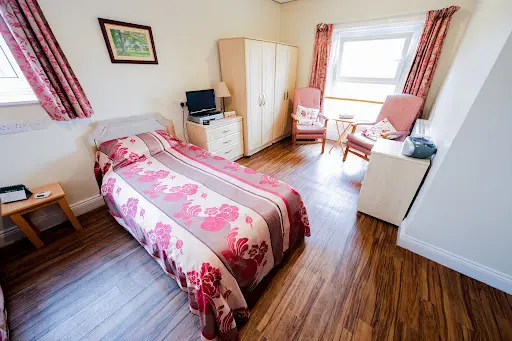
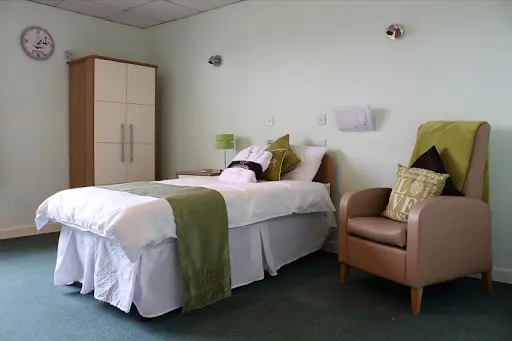
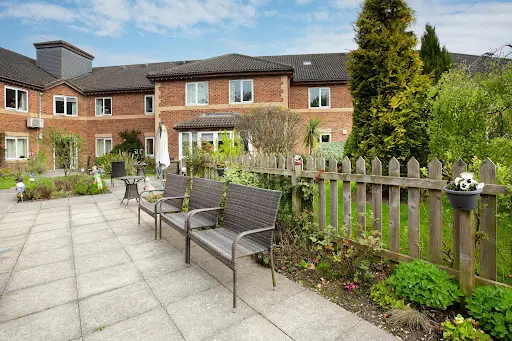
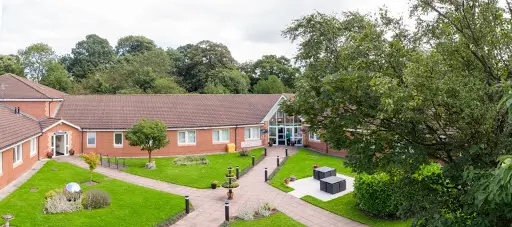
Visitors often comment on how clean and bright the home feels when they walk through the door. The atmosphere strikes that balance between professional care and genuine warmth, with staff who seem to understand that small kindnesses matter as much as clinical expertise.
The eight family priority themes
- Staff warmth70
- Compassion & dignity72
- Cleanliness65
- Activities & engagement60
- Food quality55
- Healthcare60
- Management & leadership72
- Resident happiness68
What inspectors found
Inspected 2018-06-26
Is this home safe?
Is the care effective?
The Effective domain was rated Good at the April 2018 inspection. This domain covers training, care planning, healthcare access, and nutritional care. Dementia is listed as a specialism, meaning inspectors would have looked for dementia-specific knowledge and practice. The published summary does not include specific examples of care plan content, training records reviewed, or observations of mealtimes and nutrition.Is this home caring?
The Caring domain was rated Good at the April 2018 inspection. This domain covers staff warmth, dignity, respect, and support for independence. A Good rating here means inspectors were satisfied with the quality of interactions they observed between staff and the people living at the home. The published text does not include specific observations of staff interactions, quotes from residents, or examples of how dignity was maintained in practice.Is the home responsive?
The Responsive domain was rated Good at the April 2018 inspection. This domain covers how well the home tailors its care and activities to each individual, including people with dementia, physical disabilities, and sensory impairment. The home's range of specialisms suggests inspectors looked at whether care was adjusted for different needs. The published text does not describe specific activities, engagement programmes, or examples of individual care being adapted.Is the home well-led?
The Well-led domain was rated Good at the April 2018 inspection. Kathryn Anne Hudson is listed as both registered manager and nominated individual, which means she carries direct legal responsibility for the home's performance. This leadership continuity is a positive signal. The published summary does not include specific examples of how the manager is visible to staff and residents, how the home handles complaints, or how it involves families in shaping its culture.
Source: CQC inspection report →
What the evidence base says
The home provides care for adults both under and over 65, including those with physical disabilities and sensory impairments. While dementia care is offered here, specific approaches and activities for residents with dementia would be best discussed during a visit to understand how they'd support your loved one's individual needs. All areas worth probing directly during a visit.
The DCC Verdict
Our editorial view, built from the three lenses: what families tell us, what inspectors record, and how the home sits against good dementia-care practice.
DCC Family Score
The Croft scores in the mid-70s overall, reflecting a home that has made genuine progress from a previous Requires Improvement rating, with solid evidence of kind staff and good leadership, but with safety concerns still unresolved and limited specific detail across several areas that matter most to families.
Homes in North East typically score 68–82.The three-lens summary
What families tell us
Visitors often comment on how clean and bright the home feels when they walk through the door. The atmosphere strikes that balance between professional care and genuine warmth, with staff who seem to understand that small kindnesses matter as much as clinical expertise.
What inspectors have recorded
The team here takes medication management seriously, with robust systems that have impressed healthcare professionals who've visited. Staff are known for being approachable and accommodating, with a culture that embraces learning and improving how they do things.
How it sits against good practice
Sometimes the right place reveals itself in the details — the systems that keep people safe and the attitudes that make them feel valued.
Worth a visit
The Croft Residential Care Home at Ettrick Grove, Sunderland, was rated Good overall at its inspection in April 2018, published in June 2018. This is a meaningful improvement from its previous Requires Improvement rating, and inspectors were satisfied with the home's effectiveness, caring approach, responsiveness to residents, and leadership. The home cares for up to 33 people, including those living with dementia, physical disabilities, and sensory impairment, and has had the same registered manager throughout. The one area that did not reach Good was Safety, which was still rated Requires Improvement at the time of inspection. The published report text available for this review is limited, so it is not possible to confirm specific details about staffing levels, night cover, agency use, or what the exact safety concerns were. This inspection is also now several years old, which means conditions may have changed significantly. Before visiting, ask the manager directly what the safety rating covered, what actions were taken, and whether a more recent inspection has taken place or is planned.
The three questions to ask when you visitSave this home. Compare it against your shortlist.
Let our analysis show you how The Croft Care Home measures up against the other homes you’re considering. Free account.
In Their Own Words
How The Croft Care Home describes itself — collected from its own website. DCC has not edited or independently verified the content in this tab.
Where medication safety meets friendly faces in Sunderland
Residential home in Sunderland: True Peace of Mind
Finding the right care home means looking for those reassuring details that tell you someone's in good hands. The Croft Residential Care Home in Sunderland has built its reputation on getting the fundamentals right — from careful medication management to creating a bright, welcoming environment. This smaller residential home supports people with various needs, including those living with dementia and sensory impairments.
Who they care for
The home provides care for adults both under and over 65, including those with physical disabilities and sensory impairments.
While dementia care is offered here, specific approaches and activities for residents with dementia would be best discussed during a visit to understand how they'd support your loved one's individual needs.
“Sometimes the right place reveals itself in the details — the systems that keep people safe and the attitudes that make them feel valued.”
DCC does not edit or curate content in this tab. For independently curated information, see The Evidence and DCC Verdict.
The DCC Verdict
Our editorial view, built from the three lenses: what families tell us, what inspectors record, and how the home sits against good dementia-care practice.
DCC Family Score
The Croft scores in the mid-70s overall, reflecting a home that has made genuine progress from a previous Requires Improvement rating, with solid evidence of kind staff and good leadership, but with safety concerns still unresolved and limited specific detail across several areas that matter most to families.
Homes in North East typically score 68–82.The three-lens summary
What families tell us
Visitors often comment on how clean and bright the home feels when they walk through the door. The atmosphere strikes that balance between professional care and genuine warmth, with staff who seem to understand that small kindnesses matter as much as clinical expertise.
What inspectors have recorded
The team here takes medication management seriously, with robust systems that have impressed healthcare professionals who've visited. Staff are known for being approachable and accommodating, with a culture that embraces learning and improving how they do things.
How it sits against good practice
Sometimes the right place reveals itself in the details — the systems that keep people safe and the attitudes that make them feel valued.
Worth a visit
The Croft Residential Care Home at Ettrick Grove, Sunderland, was rated Good overall at its inspection in April 2018, published in June 2018. This is a meaningful improvement from its previous Requires Improvement rating, and inspectors were satisfied with the home's effectiveness, caring approach, responsiveness to residents, and leadership. The home cares for up to 33 people, including those living with dementia, physical disabilities, and sensory impairment, and has had the same registered manager throughout. The one area that did not reach Good was Safety, which was still rated Requires Improvement at the time of inspection. The published report text available for this review is limited, so it is not possible to confirm specific details about staffing levels, night cover, agency use, or what the exact safety concerns were. This inspection is also now several years old, which means conditions may have changed significantly. Before visiting, ask the manager directly what the safety rating covered, what actions were taken, and whether a more recent inspection has taken place or is planned.
The three questions to ask when you visitSave this home. Compare it against your shortlist.
Let our analysis show you how The Croft Care Home measures up against the other homes you’re considering. Free account.
In Their Own Words
How The Croft Care Home describes itself — collected from its own website. DCC has not edited or independently verified the content in this tab.
Where medication safety meets friendly faces in Sunderland
Residential home in Sunderland: True Peace of Mind
Finding the right care home means looking for those reassuring details that tell you someone's in good hands. The Croft Residential Care Home in Sunderland has built its reputation on getting the fundamentals right — from careful medication management to creating a bright, welcoming environment. This smaller residential home supports people with various needs, including those living with dementia and sensory impairments.
Who they care for
The home provides care for adults both under and over 65, including those with physical disabilities and sensory impairments.
While dementia care is offered here, specific approaches and activities for residents with dementia would be best discussed during a visit to understand how they'd support your loved one's individual needs.
Management & ethos
The team here takes medication management seriously, with robust systems that have impressed healthcare professionals who've visited. Staff are known for being approachable and accommodating, with a culture that embraces learning and improving how they do things.
“Sometimes the right place reveals itself in the details — the systems that keep people safe and the attitudes that make them feel valued.”
DCC does not edit or curate content in this tab. For independently curated information, see The Evidence and DCC Verdict.