Mariposa Care – Briardene Care Home
At a Glance
The information you need to decide whether this home warrants a closer look.
Nursing homes
Staff warmth score
of reviewers answered yes
Good to know
- Registered beds60
- SpecialismsCaring for adults over 65 yrs, Caring for adults under 65 yrs, Dementia, Physical disabilities
- Last inspected2022-05-26
Save Mariposa Care – Briardene Care Home to your shortlist
Keep a running list, add visit notes, and compare homes side-by-side. Free account — it takes a minute.
STAGE 4 — RESEARCHING CARE HOMES
Visit homes. Compare them side by side. Choose with confidence.
Most of us will view care homes the way we view houses, impression, atmosphere, the feeling in the corridor. We go home, try to remember what we saw, and make a permanent decision from a blurred memory.

The DCC shortlist gives every home you visit a structured record: the same twelve questions, answered the same way, every time. When you’re ready to choose, pull any two homes side by side and compare them directly. Same criteria, same evidence, your notes and your scores.
The Evidence
What the review data, the inspection reports, and the dementia-care evidence base tell us about this home.
What families say
Some families describe finding genuinely caring staff who help residents settle quickly into their new surroundings. Relatives have noted how their loved ones became noticeably more content and less anxious within days of moving in, with staff showing real warmth in their daily interactions.
The eight family priority themes
- Staff warmth72
- Compassion & dignity72
- Cleanliness70
- Activities & engagement60
- Food quality60
- Healthcare70
- Management & leadership75
- Resident happiness68
What inspectors found
Inspected 2022-05-26
Is this home safe?
Is the care effective?
The Effective domain was rated Good at the May 2022 inspection. This domain covers staff training, care planning, healthcare access, nutrition, and hydration. Dementia is listed as a specialism, meaning staff are expected to hold relevant training. The published report does not describe the content of training, how care plans are structured, how frequently they are reviewed, or how GP and specialist access is arranged. These are standard findings in an Effective domain assessment but are not recorded in the published text.Is this home caring?
The Caring domain was rated Good at the May 2022 inspection. This domain covers staff warmth, dignity, privacy, independence, and whether your parent would be treated as an individual. The published report does not include any direct inspector observations of staff interactions, resident or relative quotes, or descriptions of how staff addressed people. A Good rating means inspectors were satisfied with what they saw, but the detail that would allow a confident family judgement is not recorded in the published findings.Is the home responsive?
The Responsive domain was rated Good at the May 2022 inspection. This domain covers activities and engagement, whether care is tailored to individuals, whether complaints are handled well, and whether end-of-life care is planned. The home holds a dementia specialism and cares for people with physical disabilities, meaning responsiveness to varied and complex needs is particularly important. No specific activities, engagement approaches, or individual care examples are described in the published findings.Is the home well-led?
The Well-led domain was rated Good at the May 2022 inspection, up from Requires Improvement. A named registered manager (Ms Kim Maria Chambers) and a nominated individual (Ms Louise Anne Kerry) are recorded. The home is operated by Mariposa Care Group Limited. The improvement from the previous rating suggests that governance and leadership issues identified earlier were addressed. The published report does not describe management visibility, staff culture, how the manager is known to residents and families, or how quality monitoring is carried out.
Source: CQC inspection report →
What the evidence base says
The home provides care for adults both under and over 65, including those living with dementia and physical disabilities. Staff have experience supporting residents with dementia through the transition from home life, with some families noting thoughtful approaches to helping their relatives adjust. However, medication management and clinical oversight have been areas of serious concern for other families. All areas worth probing directly during a visit.
The DCC Verdict
Our editorial view, built from the three lenses: what families tell us, what inspectors record, and how the home sits against good dementia-care practice.
DCC Family Score
Briardene Care Home scored 72 out of 100. Every domain was rated Good at the last inspection, and the home improved from Requires Improvement, which is a meaningful positive signal. However, the published report contains very little specific observational detail, so several scores are held back from the higher ranges until a visit can confirm what the inspection text does not.
Homes in North East typically score 68–82.The three-lens summary
What families tell us
Some families describe finding genuinely caring staff who help residents settle quickly into their new surroundings. Relatives have noted how their loved ones became noticeably more content and less anxious within days of moving in, with staff showing real warmth in their daily interactions.
What inspectors have recorded
Management accessibility varies significantly between families' experiences. While some find the team approachable and willing to discuss concerns, others report feeling their worries were dismissed or minimised, particularly when raising questions about clinical care decisions.
How it sits against good practice
Given the stark differences in families' experiences, visiting Briardene and asking detailed questions about their clinical protocols would be essential before making any decisions.
Worth a visit
Briardene Care Home, on Newbiggin Lane in Newcastle, was rated Good at its inspection in May 2022, with Good ratings across all five domains: safe, effective, caring, responsive, and well-led. This is a meaningful result because the home had previously been rated Requires Improvement, meaning inspectors returned and found that real progress had been made. The home cares for up to 60 people and holds specialisms in dementia care, physical disabilities, and nursing care for both older and younger adults. The main limitation of this report is that the published findings are very short and contain almost no specific observational detail, no direct quotes from residents or relatives, and no descriptions of daily life in the home. A Good rating is a solid foundation, but it tells you the home met the required standard on one day in May 2022. Before making a decision, visit the home on a weekday afternoon when activities would normally be running, ask to see the actual staffing rota for last week (not a template), and spend time in a communal area to observe how staff interact with your parent's potential neighbours. Pay particular attention to whether staff are unhurried and whether anyone with advanced dementia is engaged or sitting alone.
The three questions to ask when you visitSave this home. Compare it against your shortlist.
Let our analysis show you how Mariposa Care – Briardene Care Home measures up against the other homes you’re considering. Free account.
In Their Own Words
How Mariposa Care – Briardene Care Home describes itself — collected from its own website. DCC has not edited or independently verified the content in this tab.
Families find comfort despite serious care quality concerns
Briardene Care Home – Expert Care in Newcastle Upon Tyne
Briardene Care Home in Newcastle Upon Tyne has attracted deeply contrasting experiences from families. While some relatives speak warmly of staff friendliness and their loved ones settling well, others have raised troubling concerns about clinical care standards and safety practices that warrant careful consideration.
Who they care for
The home provides care for adults both under and over 65, including those living with dementia and physical disabilities.
Staff have experience supporting residents with dementia through the transition from home life, with some families noting thoughtful approaches to helping their relatives adjust. However, medication management and clinical oversight have been areas of serious concern for other families.
“Given the stark differences in families' experiences, visiting Briardene and asking detailed questions about their clinical protocols would be essential before making any decisions.”
DCC does not edit or curate content in this tab. For independently curated information, see The Evidence and DCC Verdict.
The DCC Verdict
Our editorial view, built from the three lenses: what families tell us, what inspectors record, and how the home sits against good dementia-care practice.
DCC Family Score
Briardene Care Home scored 72 out of 100. Every domain was rated Good at the last inspection, and the home improved from Requires Improvement, which is a meaningful positive signal. However, the published report contains very little specific observational detail, so several scores are held back from the higher ranges until a visit can confirm what the inspection text does not.
Homes in North East typically score 68–82.The three-lens summary
What families tell us
Some families describe finding genuinely caring staff who help residents settle quickly into their new surroundings. Relatives have noted how their loved ones became noticeably more content and less anxious within days of moving in, with staff showing real warmth in their daily interactions.
What inspectors have recorded
Management accessibility varies significantly between families' experiences. While some find the team approachable and willing to discuss concerns, others report feeling their worries were dismissed or minimised, particularly when raising questions about clinical care decisions.
How it sits against good practice
Given the stark differences in families' experiences, visiting Briardene and asking detailed questions about their clinical protocols would be essential before making any decisions.
Worth a visit
Briardene Care Home, on Newbiggin Lane in Newcastle, was rated Good at its inspection in May 2022, with Good ratings across all five domains: safe, effective, caring, responsive, and well-led. This is a meaningful result because the home had previously been rated Requires Improvement, meaning inspectors returned and found that real progress had been made. The home cares for up to 60 people and holds specialisms in dementia care, physical disabilities, and nursing care for both older and younger adults. The main limitation of this report is that the published findings are very short and contain almost no specific observational detail, no direct quotes from residents or relatives, and no descriptions of daily life in the home. A Good rating is a solid foundation, but it tells you the home met the required standard on one day in May 2022. Before making a decision, visit the home on a weekday afternoon when activities would normally be running, ask to see the actual staffing rota for last week (not a template), and spend time in a communal area to observe how staff interact with your parent's potential neighbours. Pay particular attention to whether staff are unhurried and whether anyone with advanced dementia is engaged or sitting alone.
The three questions to ask when you visitSave this home. Compare it against your shortlist.
Let our analysis show you how Mariposa Care – Briardene Care Home measures up against the other homes you’re considering. Free account.
In Their Own Words
How Mariposa Care – Briardene Care Home describes itself — collected from its own website. DCC has not edited or independently verified the content in this tab.
Families find comfort despite serious care quality concerns
Briardene Care Home – Expert Care in Newcastle Upon Tyne
Briardene Care Home in Newcastle Upon Tyne has attracted deeply contrasting experiences from families. While some relatives speak warmly of staff friendliness and their loved ones settling well, others have raised troubling concerns about clinical care standards and safety practices that warrant careful consideration.
Who they care for
The home provides care for adults both under and over 65, including those living with dementia and physical disabilities.
Staff have experience supporting residents with dementia through the transition from home life, with some families noting thoughtful approaches to helping their relatives adjust. However, medication management and clinical oversight have been areas of serious concern for other families.
Management & ethos
Management accessibility varies significantly between families' experiences. While some find the team approachable and willing to discuss concerns, others report feeling their worries were dismissed or minimised, particularly when raising questions about clinical care decisions.
The home & environment
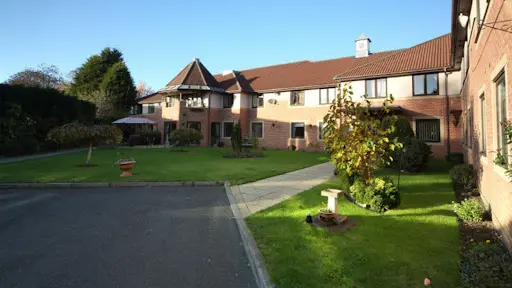
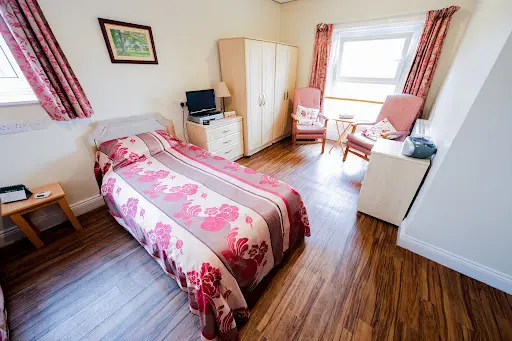
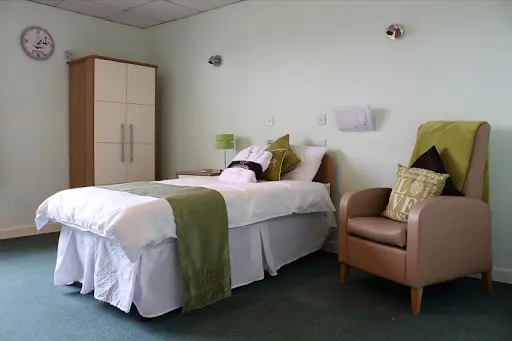
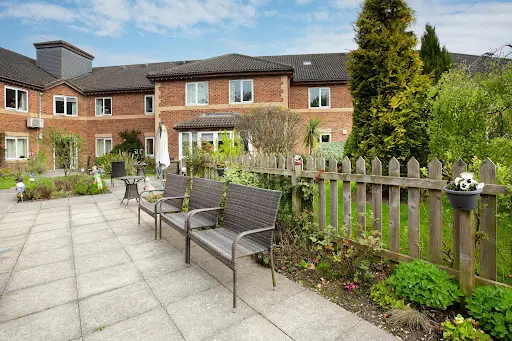
The home serves freshly prepared meals that families have appreciated, with proper attention to residents' nutritional needs. Living spaces are described as comfortable by some visitors, though others have found the environment less well-maintained than they'd hoped.
“Given the stark differences in families' experiences, visiting Briardene and asking detailed questions about their clinical protocols would be essential before making any decisions.”
DCC does not edit or curate content in this tab. For independently curated information, see The Evidence and DCC Verdict.