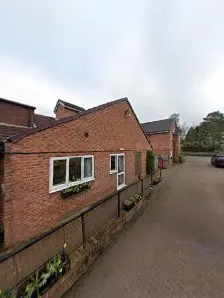
Glenholme House Residential Care Home

At a Glance
The information you need to decide whether this home warrants a closer look.
Residential homes
Staff warmth score
of reviewers answered yes
Good to know
- Registered beds40
- SpecialismsCaring for adults over 65 yrs, Dementia
- Last inspected2023-05-26
Save Glenholme House Residential Care Home to your shortlist
Keep a running list, add visit notes, and compare homes side-by-side. Free account — it takes a minute.
STAGE 4 — RESEARCHING CARE HOMES
Visit homes. Compare them side by side. Choose with confidence.
Most of us will view care homes the way we view houses, impression, atmosphere, the feeling in the corridor. We go home, try to remember what we saw, and make a permanent decision from a blurred memory.

The DCC shortlist gives every home you visit a structured record: the same twelve questions, answered the same way, every time. When you’re ready to choose, pull any two homes side by side and compare them directly. Same criteria, same evidence, your notes and your scores.
The Evidence
What the review data, the inspection reports, and the dementia-care evidence base tell us about this home.
What families say
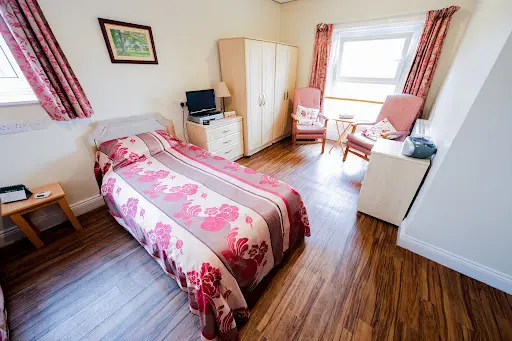
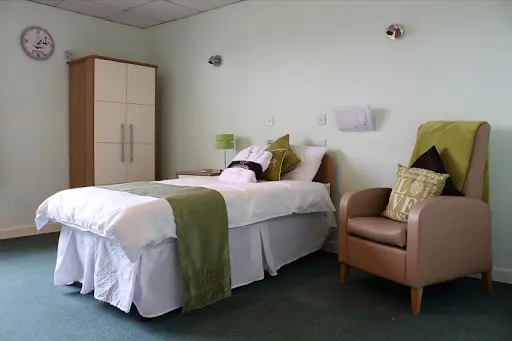
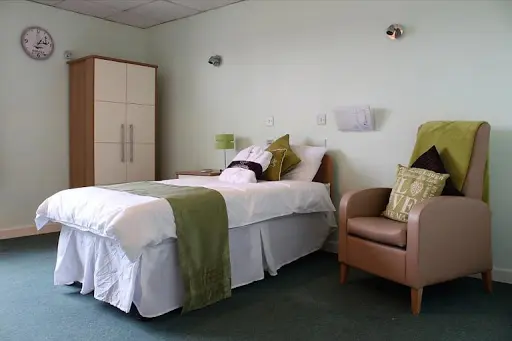
Families talk about walking into clean, tidy spaces that feel more like someone's home than an institution. There's a friendliness here that visitors notice straight away — staff who are easy to talk to and residents who seem content with their days. The activities programme keeps people engaged, whether that's group sessions or quieter one-to-one time.
The eight family priority themes
- Staff warmth72
- Compassion & dignity72
- Cleanliness70
- Activities & engagement65
- Food quality65
- Healthcare68
- Management & leadership75
- Resident happiness70
What inspectors found
Inspected 2023-05-26
Is this home safe?
Is the care effective?
The Effective domain was rated Good at the April 2023 inspection. This domain covers how well the home assesses and plans care, whether staff have appropriate training including in dementia, whether residents have timely access to GPs and other health professionals, and whether food and hydration needs are met. The home lists dementia as a specialism. The published report does not include specific detail about care plan quality, training content, GP access frequency, or food provision.Is this home caring?
The Caring domain was rated Good at the April 2023 inspection. This domain covers staff warmth, dignity, respect, and whether residents are supported to remain as independent as possible. The published report does not include specific inspector observations of staff interactions, resident testimony, or examples of how dignity is protected in practice.Is the home responsive?
The Responsive domain was rated Good at the April 2023 inspection. This domain covers whether care is personalised, whether activities are varied and meaningful, whether individual preferences are acted on, and whether the home handles complaints appropriately. The home is registered as a dementia specialism, which should mean activities and engagement are adapted for people at different stages of dementia. The published report does not include specific examples of the activity programme, individual engagement, or how the home responds to complaints.Is the home well-led?
The Well-led domain was rated Good at the April 2023 inspection, improving from the previous Requires Improvement rating. A named registered manager, Miss Natasha Louise Peebles, is in post, along with a nominated individual, Mrs Susan Margaret McKinney, providing organisational oversight. The home is operated by Wellburn Care Homes Limited. The improvement across all five domains from the previous inspection suggests that leadership changes or improvements have had a positive effect. The published report does not include detail about management visibility, staff culture, or governance processes.
Source: CQC inspection report →
What the evidence base says
The home cares for adults over 65, including those living with dementia. For residents with dementia, the patient approach extends to understanding the unique challenges they face. Families have found the staff know how to provide reassurance during confusion and maintain dignity even as conditions progress. All areas worth probing directly during a visit.
The DCC Verdict
Our editorial view, built from the three lenses: what families tell us, what inspectors record, and how the home sits against good dementia-care practice.
DCC Family Score
Glenholme has improved from Requires Improvement to Good across all five inspection domains, which is a meaningful positive step. However, the published report contains limited specific observations, quotes, or detail, so scores reflect confirmed improvement rather than rich evidence of exceptional practice.
Homes in North East typically score 68–82.The three-lens summary
What families tell us
Families talk about walking into clean, tidy spaces that feel more like someone's home than an institution. There's a friendliness here that visitors notice straight away — staff who are easy to talk to and residents who seem content with their days. The activities programme keeps people engaged, whether that's group sessions or quieter one-to-one time.
What inspectors have recorded
What stands out here is how staff respond when residents need them. Families describe a team that notices the small things — when someone needs reassurance, when they're having a difficult day, or when they just need someone to sit with them for a while. Communication with families flows naturally, with staff keeping relatives informed without being asked.
How it sits against good practice
It's the kind of place where families feel confident their relatives are not just safe, but genuinely comfortable with their days.
Worth a visit
Glenholme Residential Care Home in Sunderland was rated Good at its most recent inspection in April 2023, improving from its previous rating of Requires Improvement. All five domains, covering safety, effectiveness, caring, responsiveness, and leadership, were rated Good. The home provides residential care for up to 40 adults over 65, including people living with dementia, and is run by Wellburn Care Homes Limited with a named registered manager in post. The main limitation of this report is that the published inspection text is brief and contains no specific observations, resident quotes, or detailed examples to show what Good looks like in practice at Glenholme. An improving trend is encouraging, but it does not tell you what daily life feels like for your parent. On a visit, ask to see last week's actual staffing rota to check night cover, ask how the home involves families in care planning, and spend time in a communal area to see whether staff interact with residents in an unhurried, personal way.
The three questions to ask when you visitSave this home. Compare it against your shortlist.
Let our analysis show you how Glenholme House Residential Care Home measures up against the other homes you’re considering. Free account.
In Their Own Words
How Glenholme House Residential Care Home describes itself — collected from its own website. DCC has not edited or independently verified the content in this tab.
Where patience and kindness shape every day in Sunderland
Glenholme Residential Care Home – Expert Care in Sunderland
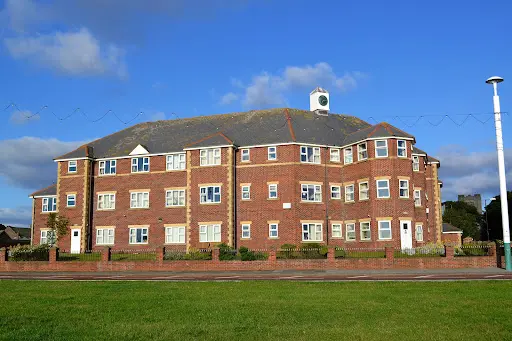
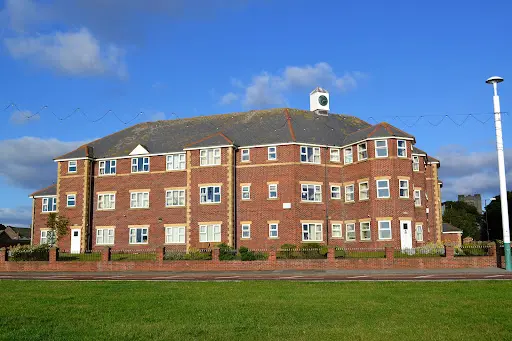
When families describe Glenholme Residential Care Home in Sunderland, they keep returning to the same word: patience. This care home near the seafront has built its reputation on staff who take time with residents, creating an atmosphere where older people feel genuinely cared for rather than simply looked after.
Who they care for
The home cares for adults over 65, including those living with dementia.
For residents with dementia, the patient approach extends to understanding the unique challenges they face. Families have found the staff know how to provide reassurance during confusion and maintain dignity even as conditions progress.
“It's the kind of place where families feel confident their relatives are not just safe, but genuinely comfortable with their days.”
DCC does not edit or curate content in this tab. For independently curated information, see The Evidence and DCC Verdict.
The DCC Verdict
Our editorial view, built from the three lenses: what families tell us, what inspectors record, and how the home sits against good dementia-care practice.
DCC Family Score
Glenholme has improved from Requires Improvement to Good across all five inspection domains, which is a meaningful positive step. However, the published report contains limited specific observations, quotes, or detail, so scores reflect confirmed improvement rather than rich evidence of exceptional practice.
Homes in North East typically score 68–82.The three-lens summary
What families tell us
Families talk about walking into clean, tidy spaces that feel more like someone's home than an institution. There's a friendliness here that visitors notice straight away — staff who are easy to talk to and residents who seem content with their days. The activities programme keeps people engaged, whether that's group sessions or quieter one-to-one time.
What inspectors have recorded
What stands out here is how staff respond when residents need them. Families describe a team that notices the small things — when someone needs reassurance, when they're having a difficult day, or when they just need someone to sit with them for a while. Communication with families flows naturally, with staff keeping relatives informed without being asked.
How it sits against good practice
It's the kind of place where families feel confident their relatives are not just safe, but genuinely comfortable with their days.
Worth a visit
Glenholme Residential Care Home in Sunderland was rated Good at its most recent inspection in April 2023, improving from its previous rating of Requires Improvement. All five domains, covering safety, effectiveness, caring, responsiveness, and leadership, were rated Good. The home provides residential care for up to 40 adults over 65, including people living with dementia, and is run by Wellburn Care Homes Limited with a named registered manager in post. The main limitation of this report is that the published inspection text is brief and contains no specific observations, resident quotes, or detailed examples to show what Good looks like in practice at Glenholme. An improving trend is encouraging, but it does not tell you what daily life feels like for your parent. On a visit, ask to see last week's actual staffing rota to check night cover, ask how the home involves families in care planning, and spend time in a communal area to see whether staff interact with residents in an unhurried, personal way.
The three questions to ask when you visitSave this home. Compare it against your shortlist.
Let our analysis show you how Glenholme House Residential Care Home measures up against the other homes you’re considering. Free account.
In Their Own Words
How Glenholme House Residential Care Home describes itself — collected from its own website. DCC has not edited or independently verified the content in this tab.
Where patience and kindness shape every day in Sunderland
Glenholme Residential Care Home – Expert Care in Sunderland
When families describe Glenholme Residential Care Home in Sunderland, they keep returning to the same word: patience. This care home near the seafront has built its reputation on staff who take time with residents, creating an atmosphere where older people feel genuinely cared for rather than simply looked after.
Who they care for
The home cares for adults over 65, including those living with dementia.
For residents with dementia, the patient approach extends to understanding the unique challenges they face. Families have found the staff know how to provide reassurance during confusion and maintain dignity even as conditions progress.
Management & ethos
What stands out here is how staff respond when residents need them. Families describe a team that notices the small things — when someone needs reassurance, when they're having a difficult day, or when they just need someone to sit with them for a while. Communication with families flows naturally, with staff keeping relatives informed without being asked.
The home & environment
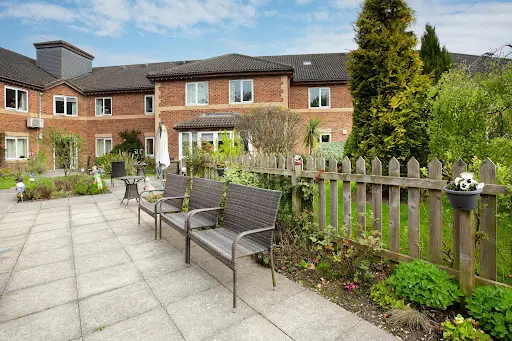
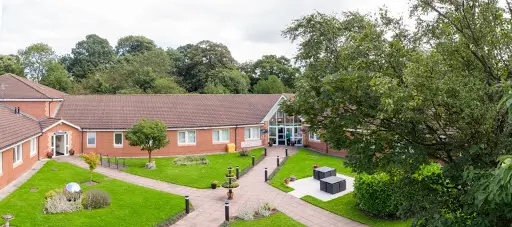
The kitchen team cooks all meals from scratch on site, something families appreciate when they see their relatives enjoying proper home cooking. Outside, there's a garden where residents can spend time when the weather's nice, and the home's location means it's just a short trip to enjoy Sunderland's seafront.
“It's the kind of place where families feel confident their relatives are not just safe, but genuinely comfortable with their days.”
DCC does not edit or curate content in this tab. For independently curated information, see The Evidence and DCC Verdict.