Barnes Court Care Home
At a Glance
The information you need to decide whether this home warrants a closer look.
Nursing homes
Staff warmth score
of reviewers answered yes
Good to know
- Registered beds89
- SpecialismsCaring for adults over 65 yrs, Caring for adults under 65 yrs, Dementia, Physical disabilities
- Last inspected2019-11-01
Save Barnes Court Care Home to your shortlist
Keep a running list, add visit notes, and compare homes side-by-side. Free account — it takes a minute.
STAGE 4 — RESEARCHING CARE HOMES
Visit homes. Compare them side by side. Choose with confidence.
Most of us will view care homes the way we view houses, impression, atmosphere, the feeling in the corridor. We go home, try to remember what we saw, and make a permanent decision from a blurred memory.

The DCC shortlist gives every home you visit a structured record: the same twelve questions, answered the same way, every time. When you’re ready to choose, pull any two homes side by side and compare them directly. Same criteria, same evidence, your notes and your scores.
The Evidence
What the review data, the inspection reports, and the dementia-care evidence base tell us about this home.
What families say
Families have shared stories of residents who initially resisted care home admission but quickly settled at Barnes Court. The combination of patient staff and established routines appears to help ease transitions, with some residents reportedly choosing to stay permanently after planned short breaks.
The eight family priority themes
- Staff warmth72
- Compassion & dignity72
- Cleanliness70
- Activities & engagement65
- Food quality65
- Healthcare68
- Management & leadership72
- Resident happiness70
What inspectors found
Inspected 2019-11-01
Is this home safe?
Is the care effective?
The official inspection rated this domain Good in October 2025. No specific detail about care plan quality, GP access, dementia training, medication management, or food and nutrition was included in the published inspection text. The home's registration to provide treatment of disease, disorder or injury suggests clinical oversight is built into the offer, but this was not elaborated upon in the available findings.Is this home caring?
The official inspection rated this domain Good in October 2025. No direct inspector observations of staff interactions, no resident or relative quotes, and no specific examples of dignity in practice were included in the published inspection text. The Good rating suggests inspectors were satisfied with what they observed, but the detail behind that judgement is not available in the published text.Is the home responsive?
The official inspection rated this domain Good in October 2025. No specific detail about the activities programme, individual engagement, end-of-life care planning, or how the home responds to changing needs was included in the published inspection text. The home lists dementia as a specialism, which implies some tailored provision, but this is not elaborated upon in the available findings.Is the home well-led?
The official inspection rated this domain Good in October 2025. Mrs Lindsey Marie Cheyne is named as the registered manager and Mrs Jill Veitch as the nominated individual, indicating a formal leadership structure. No detail about manager visibility, staff culture, governance systems, complaint handling, or quality monitoring was included in the published inspection text. The home has been inspected four times in total, with a stable Good rating at the most recent assessment.
Source: CQC inspection report →
What the evidence base says
The home provides specialist dementia support and cares for adults over 65 with physical disabilities. Several accounts describe staff enabling residents to regain mobility and independence during their stays. Dementia care at Barnes Court focuses on maintaining routines and building trust. Families have described how staff work patiently with residents experiencing confusion or anxiety, though experiences vary across different areas of the home. All areas worth probing directly during a visit.
The DCC Verdict
Our editorial view, built from the three lenses: what families tell us, what inspectors record, and how the home sits against good dementia-care practice.
DCC Family Score
Barnes Court Care Home was rated Good across all five inspection domains in October 2025, which is a positive and stable result for an 89-bed nursing home. However, the published report text contains very limited specific detail, so most scores reflect a general Good rating without the direct observations or testimony that would push them higher.
Homes in North East typically score 68–82.The three-lens summary
What families tell us
Families have shared stories of residents who initially resisted care home admission but quickly settled at Barnes Court. The combination of patient staff and established routines appears to help ease transitions, with some residents reportedly choosing to stay permanently after planned short breaks.
What inspectors have recorded
How it sits against good practice
While many families praise the dedication of individual carers, some have raised serious concerns about care standards that prospective residents should explore thoroughly during visits.
Worth a visit
Barnes Court Care Home, on Wycliffe Road in Sunderland, was rated Good across all five inspection domains at its most recent inspection in October 2025, with the report published in December 2025. The home is registered for 89 beds and holds specialisms in dementia, physical disabilities, and care for adults both over and under 65. A registered manager, Mrs Lindsey Marie Cheyne, is in post alongside a nominated individual, which indicates a formal governance structure. A Good rating across every domain is a positive baseline, and the rating appears stable. The main limitation of this Family View is that the published inspection text contains very little specific detail: no direct quotes from residents or relatives, no inspector observations of care in practice, and no figures for staffing, training, or activities. That means the Good ratings cannot be independently contextualised here. Before you visit, prepare specific questions: ask how many permanent staff are on the dementia unit after 8pm, request the actual staffing rota from last week rather than a template, ask to see how the home records your parent's individual preferences, and walk the building yourself to assess whether it feels calm, clean, and welcoming. The Good rating is a starting point, not the whole picture.
The three questions to ask when you visitSave this home. Compare it against your shortlist.
Let our analysis show you how Barnes Court Care Home measures up against the other homes you’re considering. Free account.
In Their Own Words
How Barnes Court Care Home describes itself — collected from its own website. DCC has not edited or independently verified the content in this tab.
Where skilled carers help residents settle quickly into comfortable routines
Barnes Court Care Home – Your Trusted nursing home
Some families visiting Barnes Court Care Home in Sunderland describe watching anxious relatives relax within minutes of arrival, choosing to extend respite stays into permanent placements. The home specialises in dementia care alongside support for physical disabilities, with several accounts noting how individual staff members helped residents regain confidence and abilities.
Who they care for
The home provides specialist dementia support and cares for adults over 65 with physical disabilities. Several accounts describe staff enabling residents to regain mobility and independence during their stays.
Dementia care at Barnes Court focuses on maintaining routines and building trust. Families have described how staff work patiently with residents experiencing confusion or anxiety, though experiences vary across different areas of the home.
“While many families praise the dedication of individual carers, some have raised serious concerns about care standards that prospective residents should explore thoroughly during visits.”
DCC does not edit or curate content in this tab. For independently curated information, see The Evidence and DCC Verdict.
The DCC Verdict
Our editorial view, built from the three lenses: what families tell us, what inspectors record, and how the home sits against good dementia-care practice.
DCC Family Score
Barnes Court Care Home was rated Good across all five inspection domains in October 2025, which is a positive and stable result for an 89-bed nursing home. However, the published report text contains very limited specific detail, so most scores reflect a general Good rating without the direct observations or testimony that would push them higher.
Homes in North East typically score 68–82.The three-lens summary
What families tell us
Families have shared stories of residents who initially resisted care home admission but quickly settled at Barnes Court. The combination of patient staff and established routines appears to help ease transitions, with some residents reportedly choosing to stay permanently after planned short breaks.
What inspectors have recorded
How it sits against good practice
While many families praise the dedication of individual carers, some have raised serious concerns about care standards that prospective residents should explore thoroughly during visits.
Worth a visit
Barnes Court Care Home, on Wycliffe Road in Sunderland, was rated Good across all five inspection domains at its most recent inspection in October 2025, with the report published in December 2025. The home is registered for 89 beds and holds specialisms in dementia, physical disabilities, and care for adults both over and under 65. A registered manager, Mrs Lindsey Marie Cheyne, is in post alongside a nominated individual, which indicates a formal governance structure. A Good rating across every domain is a positive baseline, and the rating appears stable. The main limitation of this Family View is that the published inspection text contains very little specific detail: no direct quotes from residents or relatives, no inspector observations of care in practice, and no figures for staffing, training, or activities. That means the Good ratings cannot be independently contextualised here. Before you visit, prepare specific questions: ask how many permanent staff are on the dementia unit after 8pm, request the actual staffing rota from last week rather than a template, ask to see how the home records your parent's individual preferences, and walk the building yourself to assess whether it feels calm, clean, and welcoming. The Good rating is a starting point, not the whole picture.
The three questions to ask when you visitSave this home. Compare it against your shortlist.
Let our analysis show you how Barnes Court Care Home measures up against the other homes you’re considering. Free account.
In Their Own Words
How Barnes Court Care Home describes itself — collected from its own website. DCC has not edited or independently verified the content in this tab.
Where skilled carers help residents settle quickly into comfortable routines
Barnes Court Care Home – Your Trusted nursing home
Some families visiting Barnes Court Care Home in Sunderland describe watching anxious relatives relax within minutes of arrival, choosing to extend respite stays into permanent placements. The home specialises in dementia care alongside support for physical disabilities, with several accounts noting how individual staff members helped residents regain confidence and abilities.
Who they care for
The home provides specialist dementia support and cares for adults over 65 with physical disabilities. Several accounts describe staff enabling residents to regain mobility and independence during their stays.
Dementia care at Barnes Court focuses on maintaining routines and building trust. Families have described how staff work patiently with residents experiencing confusion or anxiety, though experiences vary across different areas of the home.
The home & environment
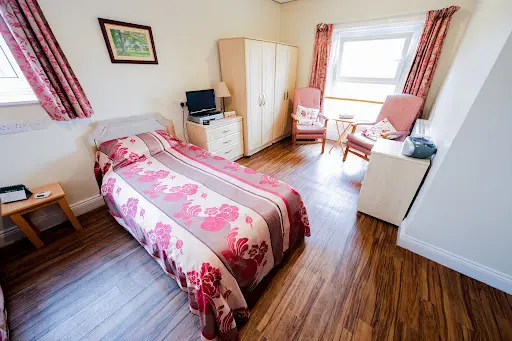
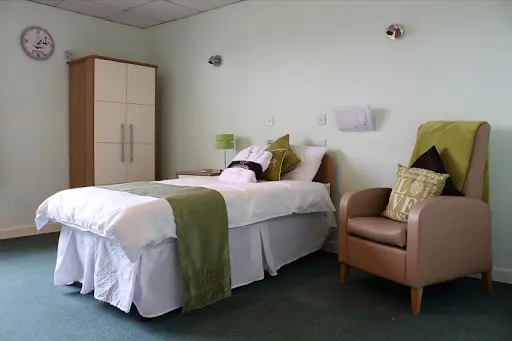
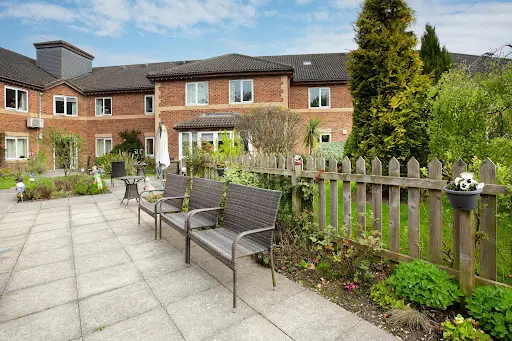
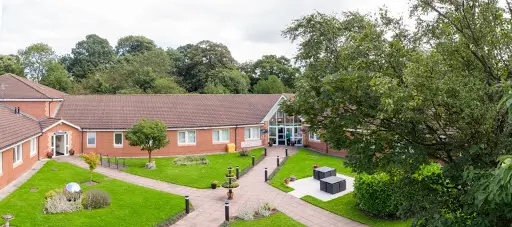
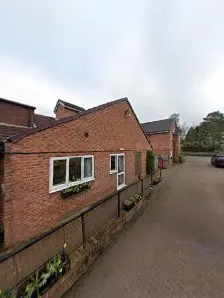
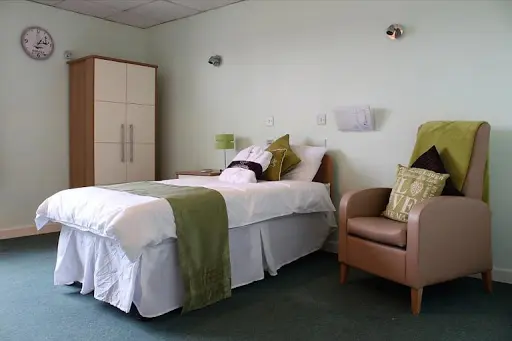
The dining experience draws consistent praise, with families noting varied menus, daily choices, and readily available snacks between meals. While some describe pleasant, well-maintained rooms suitable for both short and longer stays, others have raised concerns about dated décor and the lack of en-suite facilities.
“While many families praise the dedication of individual carers, some have raised serious concerns about care standards that prospective residents should explore thoroughly during visits.”
DCC does not edit or curate content in this tab. For independently curated information, see The Evidence and DCC Verdict.