The Evergreens Care Centre – Roseberry Care Centres
At a Glance
The information you need to decide whether this home warrants a closer look.
Nursing homes
Staff warmth score
of reviewers answered yes
Good to know
- Registered beds43
- SpecialismsCaring for adults over 65 yrs, Caring for adults under 65 yrs, Dementia, Physical disabilities
- Last inspected2019-03-28
Save The Evergreens Care Centre – Roseberry Care Centres to your shortlist
Keep a running list, add visit notes, and compare homes side-by-side. Free account — it takes a minute.
STAGE 4 — RESEARCHING CARE HOMES
Visit homes. Compare them side by side. Choose with confidence.
Most of us will view care homes the way we view houses, impression, atmosphere, the feeling in the corridor. We go home, try to remember what we saw, and make a permanent decision from a blurred memory.

The DCC shortlist gives every home you visit a structured record: the same twelve questions, answered the same way, every time. When you’re ready to choose, pull any two homes side by side and compare them directly. Same criteria, same evidence, your notes and your scores.
The Evidence
What the review data, the inspection reports, and the dementia-care evidence base tell us about this home.
What families say
Families talk about staff who remember how each resident takes their tea, who sits with them during difficult moments, and who celebrate small victories like a good day or a finished meal. There's a culture here of respecting when someone doesn't want to join activities, understanding that dignity sometimes means letting people choose their own rhythm. Several families mention returning volunteers and long-serving staff members — the kind of continuity that suggests people genuinely want to work here.
The eight family priority themes
- Staff warmth72
- Compassion & dignity72
- Cleanliness68
- Activities & engagement60
- Food quality60
- Healthcare68
- Management & leadership74
- Resident happiness68
What inspectors found
Inspected 2019-03-28
Is this home safe?
Is the care effective?
The Effective domain was rated Good at the March 2019 inspection. This domain covers staff training, care planning, access to healthcare professionals including GPs, and food and nutrition. The home lists dementia as a specialism, which means inspectors would have looked at whether staff had appropriate dementia-specific training. No specific detail on training content, care plan quality, GP visit frequency, or food feedback is available in the published text.Is this home caring?
The Caring domain was rated Good at the March 2019 inspection. This domain is where inspectors look at whether staff are kind, whether residents are treated with dignity and respect, and whether people's independence is supported. Staff warmth and compassion together account for over 57% of what families highlight in positive care home reviews. No direct inspector observations, staff interactions, or resident and family quotes are included in the published inspection text for this home.Is the home responsive?
The Responsive domain was rated Good at the March 2019 inspection. This domain covers how well the home responds to individual needs, including activities and engagement, complaint handling, and end-of-life care planning. No description of the activity programme, individual engagement provision, or end-of-life planning approach is available in the published inspection text. The home cares for people with dementia and physical disabilities, including adults under 65, which means activities need to be varied in nature and adapted to different abilities.Is the home well-led?
The Well-led domain was rated Good at the March 2019 inspection, which is the domain that improved most meaningfully from the previous Requires Improvement rating, as leadership and governance are typically central to an overall improvement trajectory. A named registered manager and a nominated individual are recorded, indicating a clear leadership structure. No specific evidence about management visibility, staff culture, complaint handling, or governance processes is available in the published inspection text.
Source: CQC inspection report →
What the evidence base says
The Evergreens cares for adults both under and over 65 with physical disabilities as well as those living with dementia. The home has experience supporting residents with complex health needs and mobility challenges. For residents with dementia, staff understand the importance of routine and familiarity. They work to maintain each person's sense of identity and connection, adapting their approach as cognitive abilities change. All areas worth probing directly during a visit.
The DCC Verdict
Our editorial view, built from the three lenses: what families tell us, what inspectors record, and how the home sits against good dementia-care practice.
DCC Family Score
The Evergreens Care Centre improved from Requires Improvement to Good across all five domains at its last inspection in March 2019, which is a meaningful positive signal. However, the published inspection text is too brief to confirm specific details across most themes, so several scores reflect general compliance rather than strong direct evidence.
Homes in North East typically score 68–82.The three-lens summary
What families tell us
Families talk about staff who remember how each resident takes their tea, who sits with them during difficult moments, and who celebrate small victories like a good day or a finished meal. There's a culture here of respecting when someone doesn't want to join activities, understanding that dignity sometimes means letting people choose their own rhythm. Several families mention returning volunteers and long-serving staff members — the kind of continuity that suggests people genuinely want to work here.
What inspectors have recorded
The management team keeps families informed about health changes, with several accounts of prompt calls when residents seem unwell or need medical attention. Staff monitor residents carefully, escalating concerns to doctors when needed and keeping relatives in the loop. However, some families have raised serious concerns about care standards and communication failures, including formal complaints to authorities. These contrasting experiences suggest care quality may vary significantly.
How it sits against good practice
While many families speak warmly of the care their relatives receive here, the serious concerns raised by others mean visiting and asking detailed questions becomes especially important when considering The Evergreens.
Worth a visit
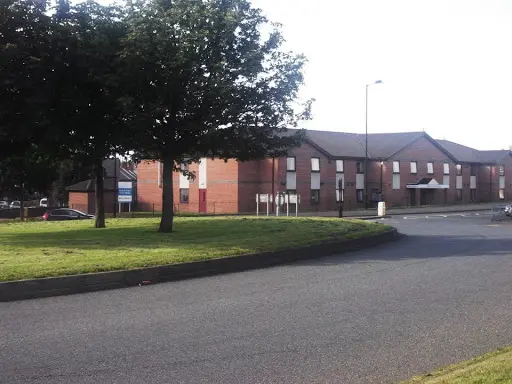
The Evergreens Care Centre, on Station Road in Newcastle upon Tyne, was rated Good across all five domains at its inspection in March 2019. This followed a previous rating of Requires Improvement, meaning the home had to address identified problems and demonstrate sustained change before being rated Good. That improvement is a positive sign and suggests the leadership team and staff made real changes. A subsequent monitoring review in July 2023 found no evidence requiring the rating to be reassessed. The main limitation for any family considering this home is that the published inspection text is brief and contains almost no specific evidence about day-to-day life: no inspector observations of staff interactions, no resident or family quotes, and no detail on areas such as food, activities, night staffing, or dementia-specific care. The Good rating tells you inspectors were satisfied; it does not tell you what they saw. When you visit, ask to see the actual staffing rota for the dementia unit from last week, including nights and any agency names. Walk through at an unannounced time if you can, and ask specifically how staff support a resident who becomes distressed or confused in the evening.
The three questions to ask when you visitSave this home. Compare it against your shortlist.
Let our analysis show you how The Evergreens Care Centre – Roseberry Care Centres measures up against the other homes you’re considering. Free account.
In Their Own Words
How The Evergreens Care Centre – Roseberry Care Centres describes itself — collected from its own website. DCC has not edited or independently verified the content in this tab.
Where staff truly see the person behind every health challenge
The Evergreens Care Centre – Your Trusted nursing home
When families describe The Evergreens Care Centre in Newcastle Upon Tyne, they often mention the laughter echoing through corridors that could use a fresh coat of paint. It's a place where care workers notice the small changes that matter — a resident eating less than usual, seeming quieter than normal — and act on them quickly. The building itself shows its years, something families readily acknowledge, but most say this fades into the background when they see how staff engage with their relatives.
Who they care for
The Evergreens cares for adults both under and over 65 with physical disabilities as well as those living with dementia. The home has experience supporting residents with complex health needs and mobility challenges.
For residents with dementia, staff understand the importance of routine and familiarity. They work to maintain each person's sense of identity and connection, adapting their approach as cognitive abilities change.
“While many families speak warmly of the care their relatives receive here, the serious concerns raised by others mean visiting and asking detailed questions becomes especially important when considering The Evergreens.”
DCC does not edit or curate content in this tab. For independently curated information, see The Evidence and DCC Verdict.
The DCC Verdict
Our editorial view, built from the three lenses: what families tell us, what inspectors record, and how the home sits against good dementia-care practice.
DCC Family Score
The Evergreens Care Centre improved from Requires Improvement to Good across all five domains at its last inspection in March 2019, which is a meaningful positive signal. However, the published inspection text is too brief to confirm specific details across most themes, so several scores reflect general compliance rather than strong direct evidence.
Homes in North East typically score 68–82.The three-lens summary
What families tell us
Families talk about staff who remember how each resident takes their tea, who sits with them during difficult moments, and who celebrate small victories like a good day or a finished meal. There's a culture here of respecting when someone doesn't want to join activities, understanding that dignity sometimes means letting people choose their own rhythm. Several families mention returning volunteers and long-serving staff members — the kind of continuity that suggests people genuinely want to work here.
What inspectors have recorded
The management team keeps families informed about health changes, with several accounts of prompt calls when residents seem unwell or need medical attention. Staff monitor residents carefully, escalating concerns to doctors when needed and keeping relatives in the loop. However, some families have raised serious concerns about care standards and communication failures, including formal complaints to authorities. These contrasting experiences suggest care quality may vary significantly.
How it sits against good practice
While many families speak warmly of the care their relatives receive here, the serious concerns raised by others mean visiting and asking detailed questions becomes especially important when considering The Evergreens.
Worth a visit
The Evergreens Care Centre, on Station Road in Newcastle upon Tyne, was rated Good across all five domains at its inspection in March 2019. This followed a previous rating of Requires Improvement, meaning the home had to address identified problems and demonstrate sustained change before being rated Good. That improvement is a positive sign and suggests the leadership team and staff made real changes. A subsequent monitoring review in July 2023 found no evidence requiring the rating to be reassessed. The main limitation for any family considering this home is that the published inspection text is brief and contains almost no specific evidence about day-to-day life: no inspector observations of staff interactions, no resident or family quotes, and no detail on areas such as food, activities, night staffing, or dementia-specific care. The Good rating tells you inspectors were satisfied; it does not tell you what they saw. When you visit, ask to see the actual staffing rota for the dementia unit from last week, including nights and any agency names. Walk through at an unannounced time if you can, and ask specifically how staff support a resident who becomes distressed or confused in the evening.
The three questions to ask when you visitSave this home. Compare it against your shortlist.
Let our analysis show you how The Evergreens Care Centre – Roseberry Care Centres measures up against the other homes you’re considering. Free account.
In Their Own Words
How The Evergreens Care Centre – Roseberry Care Centres describes itself — collected from its own website. DCC has not edited or independently verified the content in this tab.
Where staff truly see the person behind every health challenge
The Evergreens Care Centre – Your Trusted nursing home
When families describe The Evergreens Care Centre in Newcastle Upon Tyne, they often mention the laughter echoing through corridors that could use a fresh coat of paint. It's a place where care workers notice the small changes that matter — a resident eating less than usual, seeming quieter than normal — and act on them quickly. The building itself shows its years, something families readily acknowledge, but most say this fades into the background when they see how staff engage with their relatives.
Who they care for
The Evergreens cares for adults both under and over 65 with physical disabilities as well as those living with dementia. The home has experience supporting residents with complex health needs and mobility challenges.
For residents with dementia, staff understand the importance of routine and familiarity. They work to maintain each person's sense of identity and connection, adapting their approach as cognitive abilities change.
Management & ethos
The management team keeps families informed about health changes, with several accounts of prompt calls when residents seem unwell or need medical attention. Staff monitor residents carefully, escalating concerns to doctors when needed and keeping relatives in the loop. However, some families have raised serious concerns about care standards and communication failures, including formal complaints to authorities. These contrasting experiences suggest care quality may vary significantly.
The home & environment
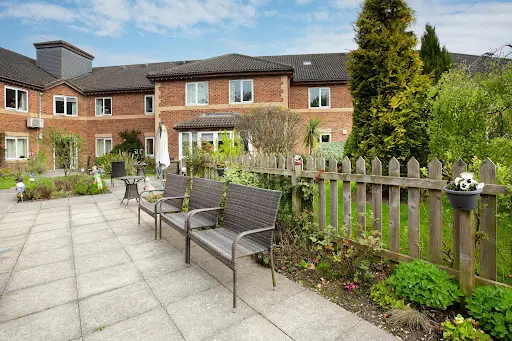
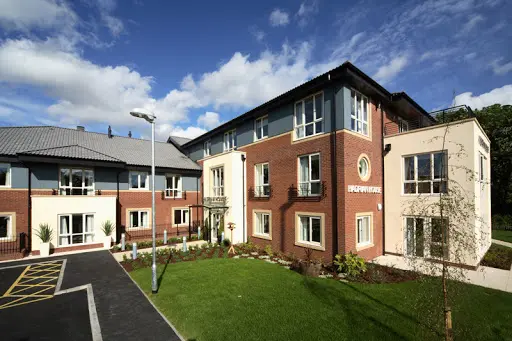
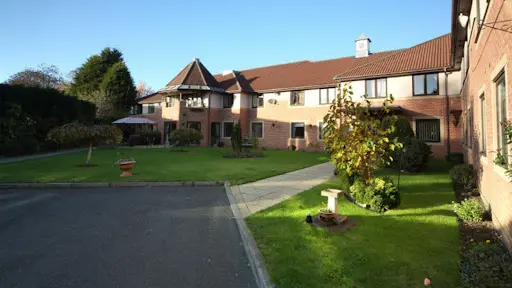
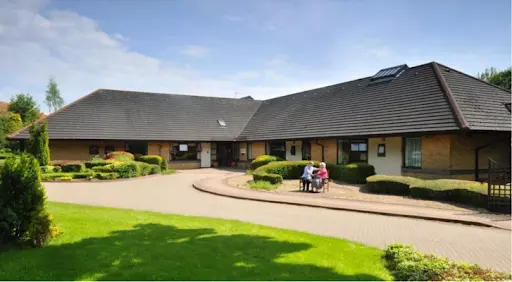
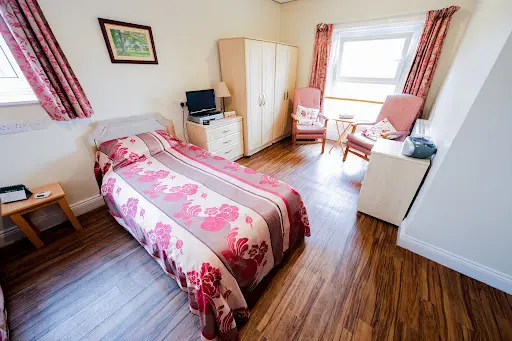
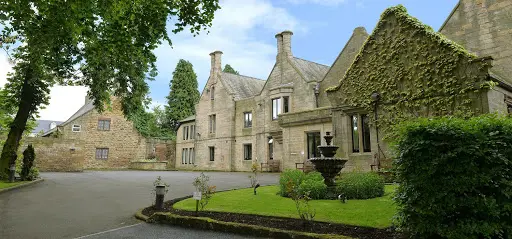
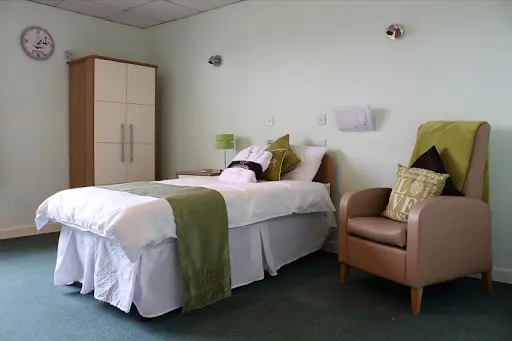
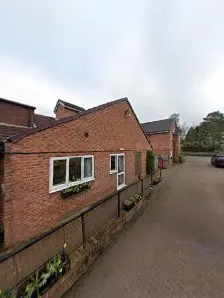
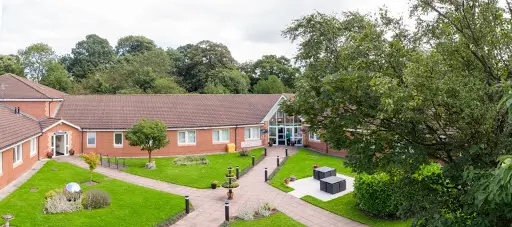
The kitchen produces proper home-cooked meals that families say their relatives actually enjoy eating. When someone needs softer foods or has specific nutritional requirements, the catering team adapts without fuss. While the building itself is older and everyone agrees it needs updating, families describe warm communal spaces where residents gather, outdoor areas being developed into activity spaces, and plans for a resident café.
“While many families speak warmly of the care their relatives receive here, the serious concerns raised by others mean visiting and asking detailed questions becomes especially important when considering The Evergreens.”
DCC does not edit or curate content in this tab. For independently curated information, see The Evidence and DCC Verdict.