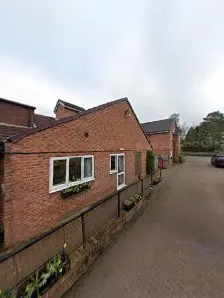
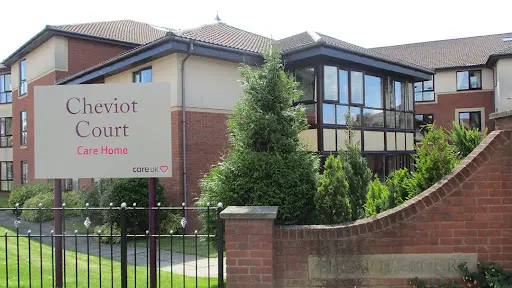
Sycamore Care Centre
At a Glance
The information you need to decide whether this home warrants a closer look.
Nursing homes
Staff warmth score
of reviewers answered yes
Good to know
- Registered beds113
- SpecialismsCaring for adults over 65 yrs, Caring for adults under 65 yrs, Dementia, Physical disabilities
- Last inspected2023-01-12
Save Sycamore Care Centre to your shortlist
Keep a running list, add visit notes, and compare homes side-by-side. Free account — it takes a minute.
STAGE 4 — RESEARCHING CARE HOMES
Visit homes. Compare them side by side. Choose with confidence.
Most of us will view care homes the way we view houses, impression, atmosphere, the feeling in the corridor. We go home, try to remember what we saw, and make a permanent decision from a blurred memory.

The DCC shortlist gives every home you visit a structured record: the same twelve questions, answered the same way, every time. When you’re ready to choose, pull any two homes side by side and compare them directly. Same criteria, same evidence, your notes and your scores.
The Evidence
What the review data, the inspection reports, and the dementia-care evidence base tell us about this home.
What families say
Families often mention how staff take time to understand each resident as an individual. The atmosphere strikes a balance between professional standards and genuine warmth — relatives describe feeling included in care decisions and welcomed as partners. Regular communication and flexible visiting help families stay connected and involved in their loved one's daily life.
The eight family priority themes
- Staff warmth55
- Compassion & dignity55
- Cleanliness55
- Activities & engagement50
- Food quality50
- Healthcare55
- Management & leadership60
- Resident happiness55
What inspectors found
Inspected 2023-01-12
Is this home safe?
Is the care effective?
The home received a Good rating for Effective, covering training, care planning, healthcare access, and nutrition. Dementia is listed as a specialism, which means inspectors would have looked for evidence of appropriate knowledge among staff. The published summary does not describe specific training content, GP access arrangements, or how care plans are structured and reviewed. No concerns were raised in this domain.Is this home caring?
Sycamore Lodge received a Good rating for Caring. This domain covers staff warmth, dignity, respect, and independence. Inspectors were satisfied with how staff treated residents at the time of the visit. The published summary does not include direct observations of interactions, quotes from residents or relatives, or specific examples of dignified care. No concerns were raised.Is the home responsive?
The home received a Good rating for Responsive, covering activities, individualised care, and end-of-life planning. The published summary does not describe specific activities, how the programme is tailored to individual residents, or how residents who cannot join group sessions are engaged one-to-one. No concerns were raised in this domain.Is the home well-led?
Sycamore Lodge received a Good rating for Well-led. The inspection records two named registered managers, Mrs Jayne Louise Clennell and Mrs Helen Featherstone, and a nominated individual. This structured dual-manager arrangement suggests leadership accountability was in place. The published summary does not describe governance systems, how the home learns from complaints or incidents, or how staff are supported and empowered to raise concerns. No concerns were raised in this domain.
Source: CQC inspection report →
What the evidence base says
The home supports adults across different age groups, with units providing care for those with physical disabilities and people living with dementia. They also offer respite placements, giving families temporary support when needed. For residents living with dementia, the home provides specialist care within dedicated units. Families have noted consistent care standards across different areas of the home, with staff showing understanding of individual needs and preferences. All areas worth probing directly during a visit.
The DCC Verdict
Our editorial view, built from the three lenses: what families tell us, what inspectors record, and how the home sits against good dementia-care practice.
DCC Family Score
Sycamore Lodge holds a Good rating across all five inspection domains, which is a solid baseline. However, the published inspection report contains very limited specific detail, meaning most scores reflect the rating rather than observed evidence, and families should visit and ask direct questions to fill those gaps.
Homes in North East typically score 68–82.The three-lens summary
What families tell us
Families often mention how staff take time to understand each resident as an individual. The atmosphere strikes a balance between professional standards and genuine warmth — relatives describe feeling included in care decisions and welcomed as partners. Regular communication and flexible visiting help families stay connected and involved in their loved one's daily life.
What inspectors have recorded
The management team appears responsive when families raise concerns, with issues typically addressed promptly. However, some families have experienced serious communication breakdowns that led to hospital admissions, highlighting the critical importance of clear information sharing between staff, residents and relatives. Most families report feeling heard and supported, though these incidents suggest room for improvement in communication protocols.
How it sits against good practice
While most families share positive experiences, it's worth having detailed conversations about communication procedures and staffing levels during your visit to ensure you're comfortable with their approach.
Worth a visit
Sycamore Lodge in Sunderland was rated Good across all five inspection domains following an inspection carried out in September 2022, with the report published in January 2023. The home supports 113 residents, including people living with dementia and those with physical disabilities, and is registered with two named managers providing joint leadership. A Good rating across every domain is a meaningful baseline: it means inspectors did not find systemic concerns about safety, care quality, or management at the time of the visit. The main limitation here is the published inspection summary is brief, and families considering this home will need to do their own due diligence on visit. Key unknowns include night staffing ratios, agency staff use, dementia-specific training content, and how one-to-one activity is provided for residents who cannot join group sessions. The inspection was carried out more than two years ago, so conditions may have changed. Before making a decision, ask the manager to walk you through the staffing rota for a typical week, show you the activity records for the past month, and describe how your parent's individual care plan would be written and reviewed.
The three questions to ask when you visitSave this home. Compare it against your shortlist.
Let our analysis show you how Sycamore Care Centre measures up against the other homes you’re considering. Free account.
In Their Own Words
How Sycamore Care Centre describes itself — collected from its own website. DCC has not edited or independently verified the content in this tab.
Where professional care meets genuine warmth in Sunderland
Compassionate Care in Sunderland at Sycamore Care Centre
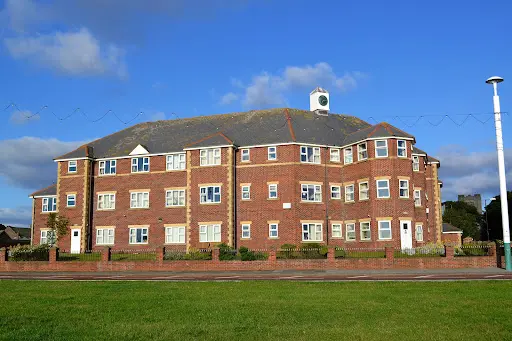
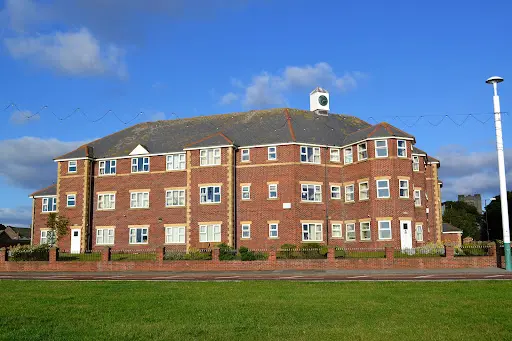
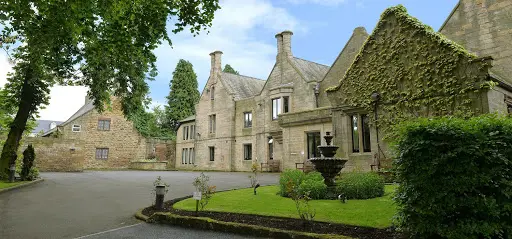
When families describe a care home's standards as comparable to a luxury hotel, it catches your attention. Sycamore Care Centre in Sunderland has earned this kind of praise from families who've experienced their approach to residential care. Located in a quiet part of the city, the home provides specialist support for adults of all ages, including those living with dementia and physical disabilities.
Who they care for
The home supports adults across different age groups, with units providing care for those with physical disabilities and people living with dementia. They also offer respite placements, giving families temporary support when needed.
For residents living with dementia, the home provides specialist care within dedicated units. Families have noted consistent care standards across different areas of the home, with staff showing understanding of individual needs and preferences.
“While most families share positive experiences, it's worth having detailed conversations about communication procedures and staffing levels during your visit to ensure you're comfortable with their approach.”
DCC does not edit or curate content in this tab. For independently curated information, see The Evidence and DCC Verdict.
The DCC Verdict
Our editorial view, built from the three lenses: what families tell us, what inspectors record, and how the home sits against good dementia-care practice.
DCC Family Score
Sycamore Lodge holds a Good rating across all five inspection domains, which is a solid baseline. However, the published inspection report contains very limited specific detail, meaning most scores reflect the rating rather than observed evidence, and families should visit and ask direct questions to fill those gaps.
Homes in North East typically score 68–82.The three-lens summary
What families tell us
Families often mention how staff take time to understand each resident as an individual. The atmosphere strikes a balance between professional standards and genuine warmth — relatives describe feeling included in care decisions and welcomed as partners. Regular communication and flexible visiting help families stay connected and involved in their loved one's daily life.
What inspectors have recorded
The management team appears responsive when families raise concerns, with issues typically addressed promptly. However, some families have experienced serious communication breakdowns that led to hospital admissions, highlighting the critical importance of clear information sharing between staff, residents and relatives. Most families report feeling heard and supported, though these incidents suggest room for improvement in communication protocols.
How it sits against good practice
While most families share positive experiences, it's worth having detailed conversations about communication procedures and staffing levels during your visit to ensure you're comfortable with their approach.
Worth a visit
Sycamore Lodge in Sunderland was rated Good across all five inspection domains following an inspection carried out in September 2022, with the report published in January 2023. The home supports 113 residents, including people living with dementia and those with physical disabilities, and is registered with two named managers providing joint leadership. A Good rating across every domain is a meaningful baseline: it means inspectors did not find systemic concerns about safety, care quality, or management at the time of the visit. The main limitation here is the published inspection summary is brief, and families considering this home will need to do their own due diligence on visit. Key unknowns include night staffing ratios, agency staff use, dementia-specific training content, and how one-to-one activity is provided for residents who cannot join group sessions. The inspection was carried out more than two years ago, so conditions may have changed. Before making a decision, ask the manager to walk you through the staffing rota for a typical week, show you the activity records for the past month, and describe how your parent's individual care plan would be written and reviewed.
The three questions to ask when you visitSave this home. Compare it against your shortlist.
Let our analysis show you how Sycamore Care Centre measures up against the other homes you’re considering. Free account.
In Their Own Words
How Sycamore Care Centre describes itself — collected from its own website. DCC has not edited or independently verified the content in this tab.
Where professional care meets genuine warmth in Sunderland
Compassionate Care in Sunderland at Sycamore Care Centre
When families describe a care home's standards as comparable to a luxury hotel, it catches your attention. Sycamore Care Centre in Sunderland has earned this kind of praise from families who've experienced their approach to residential care. Located in a quiet part of the city, the home provides specialist support for adults of all ages, including those living with dementia and physical disabilities.
Who they care for
The home supports adults across different age groups, with units providing care for those with physical disabilities and people living with dementia. They also offer respite placements, giving families temporary support when needed.
For residents living with dementia, the home provides specialist care within dedicated units. Families have noted consistent care standards across different areas of the home, with staff showing understanding of individual needs and preferences.
Management & ethos
The management team appears responsive when families raise concerns, with issues typically addressed promptly. However, some families have experienced serious communication breakdowns that led to hospital admissions, highlighting the critical importance of clear information sharing between staff, residents and relatives. Most families report feeling heard and supported, though these incidents suggest room for improvement in communication protocols.
The home & environment
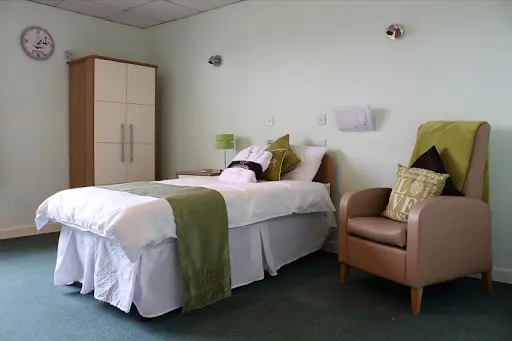
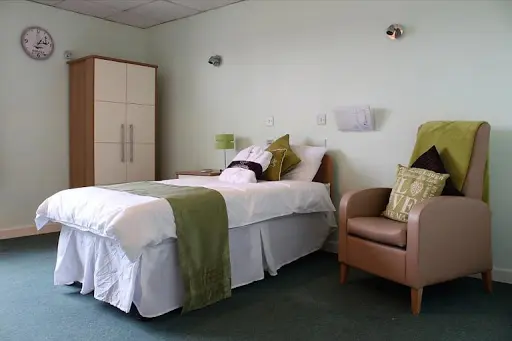
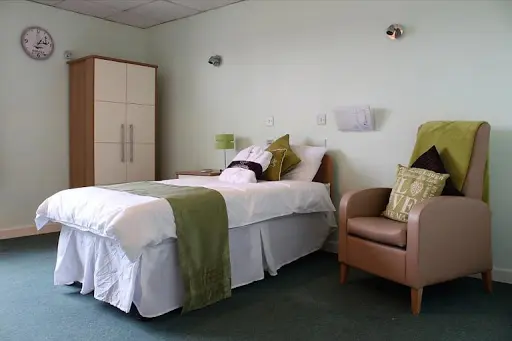
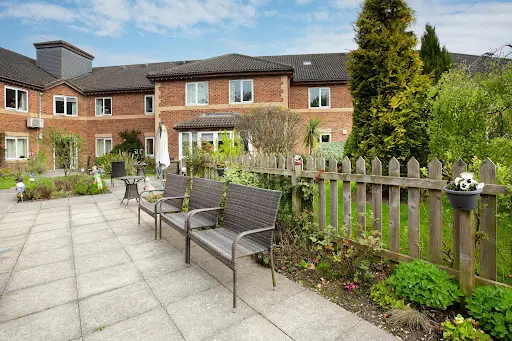
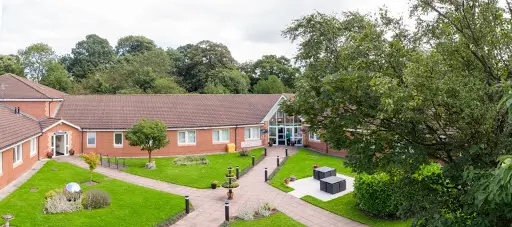
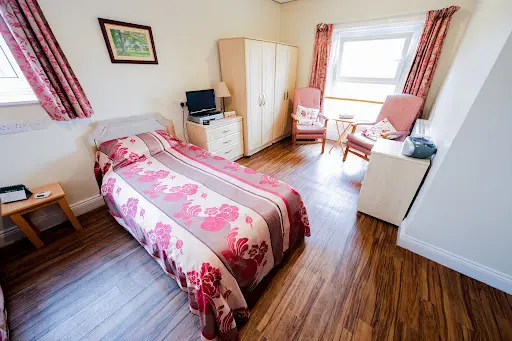
The physical environment consistently impresses visitors — families describe immaculate conditions throughout the home with careful attention to maintenance and cleanliness. Meals receive particular praise, with kitchen staff working to address individual dietary needs and preferences. The quiet location and garden spaces provide peaceful spots for residents to enjoy outdoor time when weather permits.
“While most families share positive experiences, it's worth having detailed conversations about communication procedures and staffing levels during your visit to ensure you're comfortable with their approach.”
DCC does not edit or curate content in this tab. For independently curated information, see The Evidence and DCC Verdict.