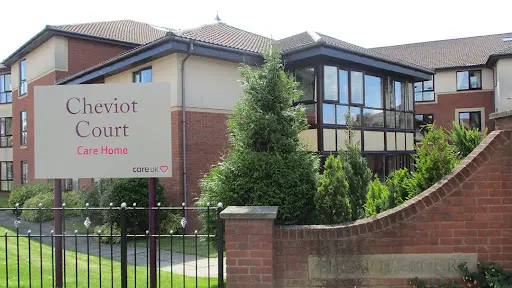
Cheviot Court Care Home – Care UK
At a Glance
The information you need to decide whether this home warrants a closer look.
Residential homes
Staff warmth score
of reviewers answered yes
Good to know
- Registered beds73
- SpecialismsCaring for adults over 65 yrs, Caring for adults under 65 yrs, Dementia, Learning disabilities, Mental health conditions, Physical disabilities
- Last inspected2019-06-29
Save Cheviot Court Care Home – Care UK to your shortlist
Keep a running list, add visit notes, and compare homes side-by-side. Free account — it takes a minute.
STAGE 4 — RESEARCHING CARE HOMES
Visit homes. Compare them side by side. Choose with confidence.
Most of us will view care homes the way we view houses, impression, atmosphere, the feeling in the corridor. We go home, try to remember what we saw, and make a permanent decision from a blurred memory.

The DCC shortlist gives every home you visit a structured record: the same twelve questions, answered the same way, every time. When you’re ready to choose, pull any two homes side by side and compare them directly. Same criteria, same evidence, your notes and your scores.
The Evidence
What the review data, the inspection reports, and the dementia-care evidence base tell us about this home.
What families say
Families talk about the genuine warmth they experience here — staff who are consistently pleasant and attentive, taking time with both residents and visitors. People mention how their relatives have settled in well, with some even describing the place as 'home' when talking to family. There's a real effort to help everyone feel part of the community, with staff encouraging residents to join in activities at their own pace.
The eight family priority themes
- Staff warmth72
- Compassion & dignity72
- Cleanliness70
- Activities & engagement85
- Food quality65
- Healthcare70
- Management & leadership72
- Resident happiness75
What inspectors found
Inspected 2019-06-29
Is this home safe?
Is the care effective?
The Effective domain was rated Good at the May 2019 inspection. Dementia is listed as a specialism, which implies some level of relevant training and care planning. The published summary does not quote specific examples of dementia training content, care plan quality, GP access arrangements, or food provision. No concerns were raised in the available text.Is this home caring?
The Caring domain was rated Good at the May 2019 inspection. This rating indicates inspectors found staff to be treating residents with dignity and respect. No specific observations, such as staff using preferred names, moving without rushing residents, or responding to distress, are quoted in the available published summary. The absence of detail does not indicate a problem, but it does limit how precisely this finding can be interpreted.Is the home responsive?
The Responsive domain was rated Outstanding at the May 2019 inspection. This is the strongest finding in the report and the clearest differentiator for this home. An Outstanding rating in this domain requires inspectors to find specific, evidenced examples of the home going beyond standard expectations to tailor daily life to individual residents. The published summary does not quote specific examples of what the home did to earn this rating, but the rating itself is a meaningful signal. No concerns were raised.Is the home well-led?
The Well-led domain was rated Good at the May 2019 inspection. The registered manager is listed as Miss Louise Damms, with Ms Rachel Louise Harvey named as nominated individual. The published summary does not include specific detail on management visibility, staff culture, quality auditing, or how the home responds to complaints and incidents. A Good rating indicates inspectors found governance to be in order, but the inspection is now more than five years old.
Source: CQC inspection report →
What the evidence base says
The home cares for adults both under and over 65, including those living with dementia, learning disabilities, mental health conditions and physical disabilities. For residents living with dementia, the mixed-age community here offers different types of social interaction and stimulation. The team has experience supporting people at various stages of their dementia journey. All areas worth probing directly during a visit.
The DCC Verdict
Our editorial view, built from the three lenses: what families tell us, what inspectors record, and how the home sits against good dementia-care practice.
DCC Family Score
Cheviot Court scores well overall, lifted significantly by its Outstanding rating for responsiveness, which suggests the home works hard to give your parent a meaningful daily life. Scores in other areas are solid but reflect limited specific detail in the published inspection findings.
Homes in North East typically score 68–82.The three-lens summary
What families tell us
Families talk about the genuine warmth they experience here — staff who are consistently pleasant and attentive, taking time with both residents and visitors. People mention how their relatives have settled in well, with some even describing the place as 'home' when talking to family. There's a real effort to help everyone feel part of the community, with staff encouraging residents to join in activities at their own pace.
What inspectors have recorded
Staff here show real dedication to resident care, though some families have raised concerns about how certain situations have been handled. While most relatives praise the team's kindness and responsiveness, there have been questions about communication following incidents. It's worth discussing their approach to safety procedures and how they keep families informed about any concerns.
How it sits against good practice
While many families speak warmly of the care here, it's important to ask detailed questions about safety protocols and incident procedures during your visit.
Worth a visit
Cheviot Court in South Shields was rated Good overall at its inspection in May 2019, with an Outstanding rating in the Responsive domain. That Outstanding finding is meaningful: inspectors only award it when they find specific, compelling evidence that the home goes beyond standard expectations in tailoring daily life to the individuals who live there. The other four domains, Safe, Effective, Caring, and Well-led, were all rated Good, suggesting a home that is performing consistently across the board. The main caution is that this inspection took place in May 2019, which means the published findings are now more than five years old. A lot can change in a care home over that time, including management, staffing, and the mix of residents. The July 2023 review noted no evidence requiring reassessment, but that review was based on data monitoring rather than a fresh on-site visit. Before making a decision, visit in person, ask to see the current staffing rota, and speak to the registered manager about what has changed since 2019.
The three questions to ask when you visitSave this home. Compare it against your shortlist.
Let our analysis show you how Cheviot Court Care Home – Care UK measures up against the other homes you’re considering. Free account.
In Their Own Words
How Cheviot Court Care Home – Care UK describes itself — collected from its own website. DCC has not edited or independently verified the content in this tab.
Where kindness meets community in South Shields residential care
Dedicated residential home Support in South Shields
Finding residential care that genuinely feels like a community can transform a difficult transition. Cheviot Court in South Shields brings together residents of different ages and abilities, creating a welcoming environment where people often come to think of it as home. The team here works hard to keep life interesting with regular activities and entertainment.
Who they care for
The home cares for adults both under and over 65, including those living with dementia, learning disabilities, mental health conditions and physical disabilities.
For residents living with dementia, the mixed-age community here offers different types of social interaction and stimulation. The team has experience supporting people at various stages of their dementia journey.
“While many families speak warmly of the care here, it's important to ask detailed questions about safety protocols and incident procedures during your visit.”
DCC does not edit or curate content in this tab. For independently curated information, see The Evidence and DCC Verdict.
The DCC Verdict
Our editorial view, built from the three lenses: what families tell us, what inspectors record, and how the home sits against good dementia-care practice.
DCC Family Score
Cheviot Court scores well overall, lifted significantly by its Outstanding rating for responsiveness, which suggests the home works hard to give your parent a meaningful daily life. Scores in other areas are solid but reflect limited specific detail in the published inspection findings.
Homes in North East typically score 68–82.The three-lens summary
What families tell us
Families talk about the genuine warmth they experience here — staff who are consistently pleasant and attentive, taking time with both residents and visitors. People mention how their relatives have settled in well, with some even describing the place as 'home' when talking to family. There's a real effort to help everyone feel part of the community, with staff encouraging residents to join in activities at their own pace.
What inspectors have recorded
Staff here show real dedication to resident care, though some families have raised concerns about how certain situations have been handled. While most relatives praise the team's kindness and responsiveness, there have been questions about communication following incidents. It's worth discussing their approach to safety procedures and how they keep families informed about any concerns.
How it sits against good practice
While many families speak warmly of the care here, it's important to ask detailed questions about safety protocols and incident procedures during your visit.
Worth a visit
Cheviot Court in South Shields was rated Good overall at its inspection in May 2019, with an Outstanding rating in the Responsive domain. That Outstanding finding is meaningful: inspectors only award it when they find specific, compelling evidence that the home goes beyond standard expectations in tailoring daily life to the individuals who live there. The other four domains, Safe, Effective, Caring, and Well-led, were all rated Good, suggesting a home that is performing consistently across the board. The main caution is that this inspection took place in May 2019, which means the published findings are now more than five years old. A lot can change in a care home over that time, including management, staffing, and the mix of residents. The July 2023 review noted no evidence requiring reassessment, but that review was based on data monitoring rather than a fresh on-site visit. Before making a decision, visit in person, ask to see the current staffing rota, and speak to the registered manager about what has changed since 2019.
The three questions to ask when you visitSave this home. Compare it against your shortlist.
Let our analysis show you how Cheviot Court Care Home – Care UK measures up against the other homes you’re considering. Free account.
In Their Own Words
How Cheviot Court Care Home – Care UK describes itself — collected from its own website. DCC has not edited or independently verified the content in this tab.
Where kindness meets community in South Shields residential care
Dedicated residential home Support in South Shields
Finding residential care that genuinely feels like a community can transform a difficult transition. Cheviot Court in South Shields brings together residents of different ages and abilities, creating a welcoming environment where people often come to think of it as home. The team here works hard to keep life interesting with regular activities and entertainment.
Who they care for
The home cares for adults both under and over 65, including those living with dementia, learning disabilities, mental health conditions and physical disabilities.
For residents living with dementia, the mixed-age community here offers different types of social interaction and stimulation. The team has experience supporting people at various stages of their dementia journey.
Management & ethos
Staff here show real dedication to resident care, though some families have raised concerns about how certain situations have been handled. While most relatives praise the team's kindness and responsiveness, there have been questions about communication following incidents. It's worth discussing their approach to safety procedures and how they keep families informed about any concerns.
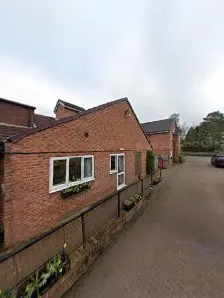
The home & environment
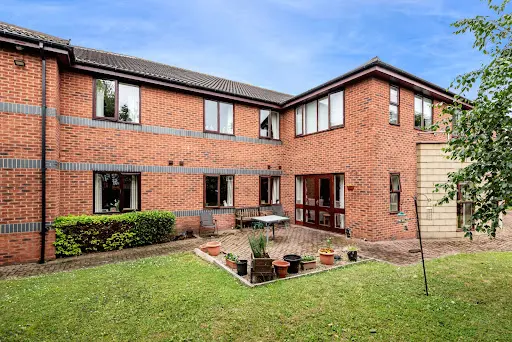
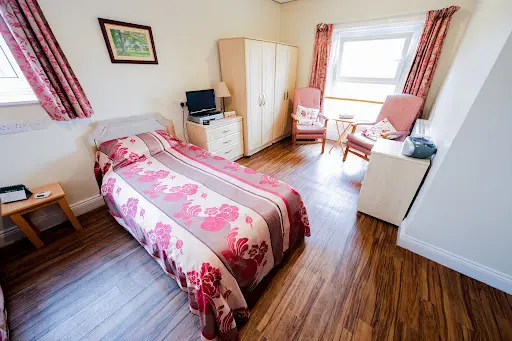
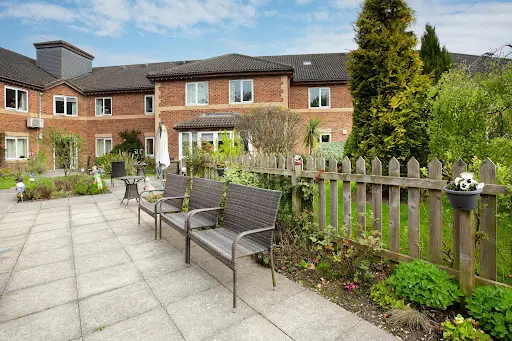
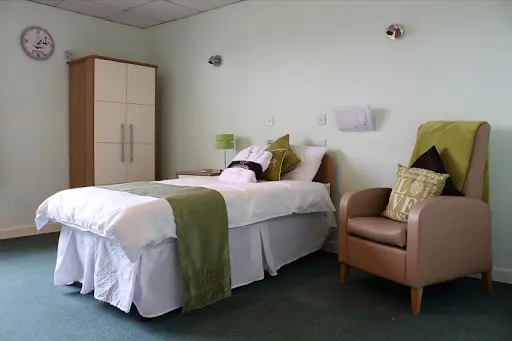
The home maintains good standards throughout, with rooms kept clean, comfortable and nicely decorated. Families appreciate the quality of the food, which arrives in generous portions. Regular entertainment and activities fill the calendar, from visiting performers to group events that bring different parts of the home together.
“While many families speak warmly of the care here, it's important to ask detailed questions about safety protocols and incident procedures during your visit.”
DCC does not edit or curate content in this tab. For independently curated information, see The Evidence and DCC Verdict.