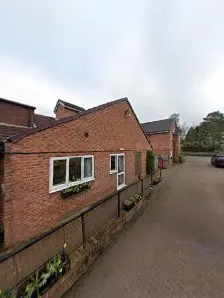
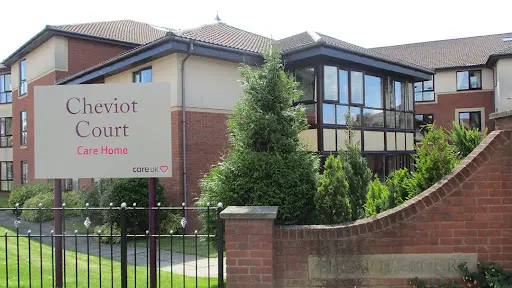
Marquis Court
At a Glance
The information you need to decide whether this home warrants a closer look.
Residential homes
Staff warmth score
of reviewers answered yes
Good to know
- Registered beds47
- SpecialismsCaring for adults over 65 yrs, Dementia
- Last inspected2020-04-30
Save Marquis Court to your shortlist
Keep a running list, add visit notes, and compare homes side-by-side. Free account — it takes a minute.
STAGE 4 — RESEARCHING CARE HOMES
Visit homes. Compare them side by side. Choose with confidence.
Most of us will view care homes the way we view houses, impression, atmosphere, the feeling in the corridor. We go home, try to remember what we saw, and make a permanent decision from a blurred memory.

The DCC shortlist gives every home you visit a structured record: the same twelve questions, answered the same way, every time. When you’re ready to choose, pull any two homes side by side and compare them directly. Same criteria, same evidence, your notes and your scores.
The Evidence
What the review data, the inspection reports, and the dementia-care evidence base tell us about this home.
What families say
What strikes families most is how staff really listen to each resident. They pick up on individual needs quickly and keep relatives informed about the little things that matter. The activities coordinator runs a proper programme that manages to include everyone, whatever their abilities. Visitors often mention finding their loved ones engaged in something when they arrive — whether that's music, crafts, or just a good chat.
The eight family priority themes
- Staff warmth72
- Compassion & dignity72
- Cleanliness70
- Activities & engagement65
- Food quality65
- Healthcare70
- Management & leadership75
- Resident happiness70
What inspectors found
Inspected 2020-04-30
Is this home safe?
Is the care effective?
The Effective domain was rated Good at the June 2022 inspection. This covers care planning, staff training, healthcare access, and nutrition. The home specialises in dementia care, which means inspectors will have looked at whether staff have relevant training and whether care plans reflect dementia-specific needs. No detail about training content, GP access frequency, or food quality is available in the published text.Is this home caring?
The Caring domain was rated Good at the June 2022 inspection. This is the domain most directly linked to whether your parent will be treated with kindness, respect, and dignity in their daily life. Inspectors rate Caring as Good only when they find evidence that staff treat people as individuals, respond to their emotional needs, and support independence where possible. No direct quotes from residents or relatives, and no specific inspector observations, are available in the published text.Is the home responsive?
The Responsive domain was rated Good at the June 2022 inspection. Responsiveness covers whether the home provides activities and engagement that are meaningful to individuals, whether care is adapted to personal preferences, and how the home handles complaints. For a dementia-specialist home, it also covers whether people who cannot participate in group activities receive individual engagement. No specific activity examples, individual engagement records, or complaint-handling detail are published in the available text.Is the home well-led?
The Well-led domain was rated Good at the June 2022 inspection, and this is supported by the overall trajectory from Requires Improvement to Good, which requires sustained leadership effort. The home has a named registered manager, Ms Emma Mosley, who also holds the nominated individual role. This dual role means she carries both operational and governance responsibility. No detail about manager tenure, staff culture, or family feedback mechanisms is published in the available text.
Source: CQC inspection report →
What the evidence base says
The home provides specialist dementia care alongside general care for people over 65. For residents with dementia, the structured activities programme helps maintain engagement and connection. Families report seeing improvements in alertness and mood, with some residents needing less medication as they settle in. All areas worth probing directly during a visit.
The DCC Verdict
Our editorial view, built from the three lenses: what families tell us, what inspectors record, and how the home sits against good dementia-care practice.
DCC Family Score
Marquis Court has improved from Requires Improvement to Good across all five inspection domains, which is a meaningful and encouraging step. However, the published inspection text provides limited specific detail, so scores reflect the rating trajectory and available evidence rather than rich observational data.
Homes in North East typically score 68–82.The three-lens summary
What families tell us
What strikes families most is how staff really listen to each resident. They pick up on individual needs quickly and keep relatives informed about the little things that matter. The activities coordinator runs a proper programme that manages to include everyone, whatever their abilities. Visitors often mention finding their loved ones engaged in something when they arrive — whether that's music, crafts, or just a good chat.
What inspectors have recorded
Staff seem happy in their work, which families notice makes a real difference to how residents are cared for. The team handles transitions smoothly, particularly when residents arrive from hospital — even managing evening admissions without fuss. Communication with families stays consistent, and there's a sense that the whole team pulls together to keep things running well.
How it sits against good practice
It's the kind of place where small improvements add up to something bigger — residents looking better, engaging more, seeming more content in themselves.
Worth a visit
Marquis Court in Sunderland was rated Good at its most recent inspection in June 2022, with all five domains, including Safe, Effective, Caring, Responsive, and Well-led, assessed as Good. Importantly, this represents an improvement from its previous rating of Requires Improvement, which is a positive sign that the management team identified problems and addressed them. The home is a 47-bed residential home specialising in dementia care and care for adults over 65, run by a named registered manager, Ms Emma Mosley. The main limitation of this report is that the published inspection text contains very little specific detail: no direct quotes from residents or relatives, no specific observations about staffing numbers, dementia environment design, or activities. The Good rating tells you the inspectors were satisfied, but it does not tell you what daily life actually looks like for your parent. Before making a decision, visit the home at a quieter time such as mid-morning or after lunch, watch how staff interact with residents in corridors and communal areas, and ask specifically about night staffing numbers, agency staff use, and how one-to-one time is provided to people with advanced dementia.
The three questions to ask when you visitSave this home. Compare it against your shortlist.
Let our analysis show you how Marquis Court measures up against the other homes you’re considering. Free account.
In Their Own Words
How Marquis Court describes itself — collected from its own website. DCC has not edited or independently verified the content in this tab.
Where careful attention brings residents back to themselves
Marquis Court – Your Trusted residential home
Families arriving at Marquis Court in Sunderland often describe watching their loved ones rediscover parts of themselves they thought were lost. This care home for people over 65, including those living with dementia, has built its reputation on the kind of attentive care that helps residents feel more like themselves again. The difference shows in small moments — a resident joining in with activities they'd withdrawn from, or simply looking brighter when family visits.
Who they care for
The home provides specialist dementia care alongside general care for people over 65.
For residents with dementia, the structured activities programme helps maintain engagement and connection. Families report seeing improvements in alertness and mood, with some residents needing less medication as they settle in.
“It's the kind of place where small improvements add up to something bigger — residents looking better, engaging more, seeming more content in themselves.”
DCC does not edit or curate content in this tab. For independently curated information, see The Evidence and DCC Verdict.
The DCC Verdict
Our editorial view, built from the three lenses: what families tell us, what inspectors record, and how the home sits against good dementia-care practice.
DCC Family Score
Marquis Court has improved from Requires Improvement to Good across all five inspection domains, which is a meaningful and encouraging step. However, the published inspection text provides limited specific detail, so scores reflect the rating trajectory and available evidence rather than rich observational data.
Homes in North East typically score 68–82.The three-lens summary
What families tell us
What strikes families most is how staff really listen to each resident. They pick up on individual needs quickly and keep relatives informed about the little things that matter. The activities coordinator runs a proper programme that manages to include everyone, whatever their abilities. Visitors often mention finding their loved ones engaged in something when they arrive — whether that's music, crafts, or just a good chat.
What inspectors have recorded
Staff seem happy in their work, which families notice makes a real difference to how residents are cared for. The team handles transitions smoothly, particularly when residents arrive from hospital — even managing evening admissions without fuss. Communication with families stays consistent, and there's a sense that the whole team pulls together to keep things running well.
How it sits against good practice
It's the kind of place where small improvements add up to something bigger — residents looking better, engaging more, seeming more content in themselves.
Worth a visit
Marquis Court in Sunderland was rated Good at its most recent inspection in June 2022, with all five domains, including Safe, Effective, Caring, Responsive, and Well-led, assessed as Good. Importantly, this represents an improvement from its previous rating of Requires Improvement, which is a positive sign that the management team identified problems and addressed them. The home is a 47-bed residential home specialising in dementia care and care for adults over 65, run by a named registered manager, Ms Emma Mosley. The main limitation of this report is that the published inspection text contains very little specific detail: no direct quotes from residents or relatives, no specific observations about staffing numbers, dementia environment design, or activities. The Good rating tells you the inspectors were satisfied, but it does not tell you what daily life actually looks like for your parent. Before making a decision, visit the home at a quieter time such as mid-morning or after lunch, watch how staff interact with residents in corridors and communal areas, and ask specifically about night staffing numbers, agency staff use, and how one-to-one time is provided to people with advanced dementia.
The three questions to ask when you visitSave this home. Compare it against your shortlist.
Let our analysis show you how Marquis Court measures up against the other homes you’re considering. Free account.
In Their Own Words
How Marquis Court describes itself — collected from its own website. DCC has not edited or independently verified the content in this tab.
Where careful attention brings residents back to themselves
Marquis Court – Your Trusted residential home
Families arriving at Marquis Court in Sunderland often describe watching their loved ones rediscover parts of themselves they thought were lost. This care home for people over 65, including those living with dementia, has built its reputation on the kind of attentive care that helps residents feel more like themselves again. The difference shows in small moments — a resident joining in with activities they'd withdrawn from, or simply looking brighter when family visits.
Who they care for
The home provides specialist dementia care alongside general care for people over 65.
For residents with dementia, the structured activities programme helps maintain engagement and connection. Families report seeing improvements in alertness and mood, with some residents needing less medication as they settle in.
Management & ethos
Staff seem happy in their work, which families notice makes a real difference to how residents are cared for. The team handles transitions smoothly, particularly when residents arrive from hospital — even managing evening admissions without fuss. Communication with families stays consistent, and there's a sense that the whole team pulls together to keep things running well.
The home & environment
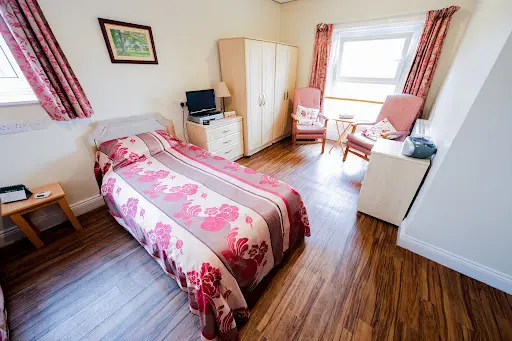
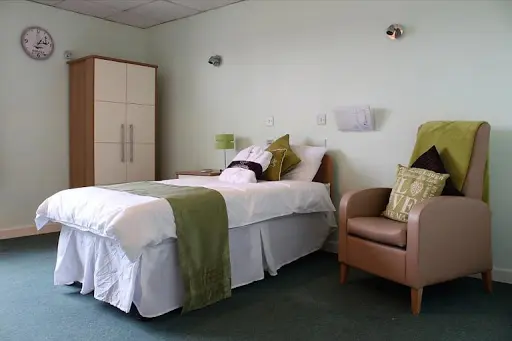
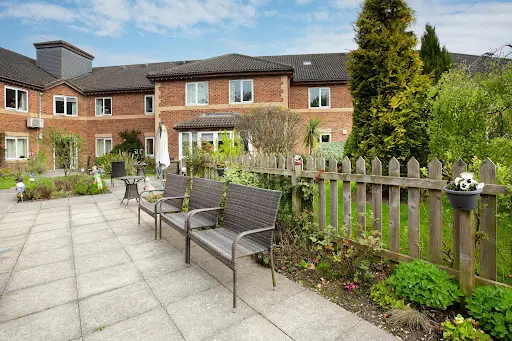
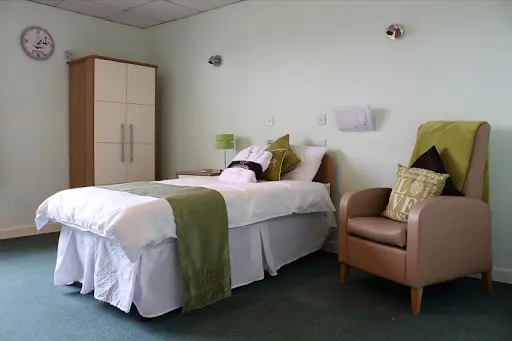
The food here is proper home cooking, prepared fresh and tailored to what each resident needs. Families appreciate the spotless rooms and the general brightness of the place — it feels warm rather than clinical. There are comfortable spots where residents can have some privacy when they want it, and the whole building has that well-kept feeling that puts people at ease.
“It's the kind of place where small improvements add up to something bigger — residents looking better, engaging more, seeming more content in themselves.”
DCC does not edit or curate content in this tab. For independently curated information, see The Evidence and DCC Verdict.