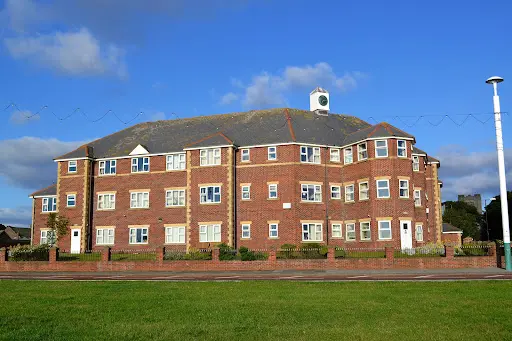
Highcliffe Care Home

At a Glance
The information you need to decide whether this home warrants a closer look.
Residential homes
Staff warmth score
of reviewers answered yes
Good to know
- Registered beds60
- SpecialismsCaring for adults over 65 yrs, Caring for adults under 65 yrs, Dementia, Physical disabilities
- Last inspected2019-05-01
Save Highcliffe Care Home to your shortlist
Keep a running list, add visit notes, and compare homes side-by-side. Free account — it takes a minute.
STAGE 4 — RESEARCHING CARE HOMES
Visit homes. Compare them side by side. Choose with confidence.
Most of us will view care homes the way we view houses, impression, atmosphere, the feeling in the corridor. We go home, try to remember what we saw, and make a permanent decision from a blurred memory.

The DCC shortlist gives every home you visit a structured record: the same twelve questions, answered the same way, every time. When you’re ready to choose, pull any two homes side by side and compare them directly. Same criteria, same evidence, your notes and your scores.
The Evidence
What the review data, the inspection reports, and the dementia-care evidence base tell us about this home.
What families say
Families talk about residents staying engaged with life here — joining outings, taking part in activities, and keeping up social connections that lift their spirits. Several mention how their relatives seem happier and more themselves than they'd been in months.
The eight family priority themes
- Staff warmth55
- Compassion & dignity55
- Cleanliness55
- Activities & engagement50
- Food quality50
- Healthcare55
- Management & leadership65
- Resident happiness55
What inspectors found
Inspected 2019-05-01
Is this home safe?
Is the care effective?
The home was rated Good for Effectiveness, which covers care planning, staff training, healthcare access, and nutrition. Dementia is a listed specialism, indicating the home has a specific remit to support people living with dementia. The previous Requires Improvement rating suggests that at an earlier point, effectiveness was not at the standard required. The published report does not describe specific training programmes, care plan content, or how the home works with GPs and other health professionals.Is this home caring?
Highcliffe Care Centre was rated Good for Caring at its most recent inspection. This domain reflects whether staff treat the people who live there with warmth, dignity, and respect, whether residents are supported to make choices, and whether privacy is maintained. The home had previously been rated Requires Improvement, making the Good rating here a noteworthy improvement. No specific observations, staff interactions, or resident or relative quotes were included in the published inspection text.Is the home responsive?
The home was rated Good for Responsiveness, which covers whether care is tailored to the individual, whether activities are meaningful and varied, and whether the home responds appropriately to complaints and end-of-life needs. With a capacity of 60 beds and a dementia specialism, a Good Responsive rating indicates inspectors were satisfied with how the home adapts to individual needs. No specific activities, examples of individual engagement, or complaint handling cases were described in the published text.Is the home well-led?
Highcliffe Care Centre was rated Good for Well-led at its most recent inspection. The home has a named registered manager (Miss Stacey Louise Lennon) and a nominated individual (Mrs Natasha Southall), indicating a defined leadership structure. The improvement from Requires Improvement to Good across all domains suggests that leadership has driven meaningful positive change. The published report does not describe how the management team operates day to day, how staff are supported to raise concerns, or how quality is monitored.
Source: CQC inspection report →
What the evidence base says
The home cares for both younger adults under 65 and older residents, including those living with dementia or physical disabilities. For residents with dementia, the flexible approach seems particularly valuable — staff work with each person's reality rather than against it, finding ways to provide care that feels natural rather than imposed. All areas worth probing directly during a visit.
The DCC Verdict
Our editorial view, built from the three lenses: what families tell us, what inspectors record, and how the home sits against good dementia-care practice.
DCC Family Score
Highcliffe Care Centre holds a Good rating across all five inspection domains, having improved from Requires Improvement, which is a meaningful positive step. However, the published inspection text contains very little specific detail, so scores reflect the rating itself rather than direct observed evidence, and several important areas remain unverified.
Homes in North East typically score 68–82.The three-lens summary
What families tell us
Families talk about residents staying engaged with life here — joining outings, taking part in activities, and keeping up social connections that lift their spirits. Several mention how their relatives seem happier and more themselves than they'd been in months.
What inspectors have recorded
What comes through strongly is how the management approach filters down through the whole team. Families credit the consistent leadership with creating a culture where staff genuinely care about getting things right for each individual. However, one family's experience during a respite stay raised serious concerns about standards that weren't met, suggesting the need to check current inspection reports.
How it sits against good practice
If you're considering Highcliffe, it's worth visiting to see how they balance independence with support for your own family member.
Worth a visit
Highcliffe Care Centre, on Whitchurch Road in Sunderland, was rated Good across all five inspection domains at its last inspection in February 2021. This is a positive result, and it is worth noting that the home previously held a Requires Improvement rating, meaning inspectors saw real, measurable progress. The home supports up to 60 people, including those living with dementia, those with physical disabilities, and adults both over and under 65. The honest caveat is that the published inspection report contains very little specific detail. We cannot tell you what inspectors actually observed about staff interactions, meals, activities, or the physical environment, because that level of detail was not included in the publicly available text. The Good rating is meaningful, but it should be your starting point, not your endpoint. When you visit, ask to see last week's actual staffing rota (not a template), find out how many permanent staff work the night shift, ask what dementia-specific training staff have completed in the last 12 months, and observe whether the atmosphere feels calm and unhurried. The improvement from Requires Improvement is encouraging; your visit will tell you whether that progress has been sustained.
The three questions to ask when you visitSave this home. Compare it against your shortlist.
Let our analysis show you how Highcliffe Care Home measures up against the other homes you’re considering. Free account.
In Their Own Words
How Highcliffe Care Home describes itself — collected from its own website. DCC has not edited or independently verified the content in this tab.
Where flexible care keeps independence alive in Sunderland
Highcliffe – Expert Care in Sunderland
Some care homes talk about person-centred approaches, but at Highcliffe Care Centre in Sunderland, families describe staff who genuinely adapt to each resident's personality and preferences. This flexibility seems to make all the difference for people who might otherwise resist help, allowing them to maintain their dignity while still getting the support they need.
Who they care for
The home cares for both younger adults under 65 and older residents, including those living with dementia or physical disabilities.
For residents with dementia, the flexible approach seems particularly valuable — staff work with each person's reality rather than against it, finding ways to provide care that feels natural rather than imposed.
“If you're considering Highcliffe, it's worth visiting to see how they balance independence with support for your own family member.”
DCC does not edit or curate content in this tab. For independently curated information, see The Evidence and DCC Verdict.
The DCC Verdict
Our editorial view, built from the three lenses: what families tell us, what inspectors record, and how the home sits against good dementia-care practice.
DCC Family Score
Highcliffe Care Centre holds a Good rating across all five inspection domains, having improved from Requires Improvement, which is a meaningful positive step. However, the published inspection text contains very little specific detail, so scores reflect the rating itself rather than direct observed evidence, and several important areas remain unverified.
Homes in North East typically score 68–82.The three-lens summary
What families tell us
Families talk about residents staying engaged with life here — joining outings, taking part in activities, and keeping up social connections that lift their spirits. Several mention how their relatives seem happier and more themselves than they'd been in months.
What inspectors have recorded
What comes through strongly is how the management approach filters down through the whole team. Families credit the consistent leadership with creating a culture where staff genuinely care about getting things right for each individual. However, one family's experience during a respite stay raised serious concerns about standards that weren't met, suggesting the need to check current inspection reports.
How it sits against good practice
If you're considering Highcliffe, it's worth visiting to see how they balance independence with support for your own family member.
Worth a visit
Highcliffe Care Centre, on Whitchurch Road in Sunderland, was rated Good across all five inspection domains at its last inspection in February 2021. This is a positive result, and it is worth noting that the home previously held a Requires Improvement rating, meaning inspectors saw real, measurable progress. The home supports up to 60 people, including those living with dementia, those with physical disabilities, and adults both over and under 65. The honest caveat is that the published inspection report contains very little specific detail. We cannot tell you what inspectors actually observed about staff interactions, meals, activities, or the physical environment, because that level of detail was not included in the publicly available text. The Good rating is meaningful, but it should be your starting point, not your endpoint. When you visit, ask to see last week's actual staffing rota (not a template), find out how many permanent staff work the night shift, ask what dementia-specific training staff have completed in the last 12 months, and observe whether the atmosphere feels calm and unhurried. The improvement from Requires Improvement is encouraging; your visit will tell you whether that progress has been sustained.
The three questions to ask when you visitSave this home. Compare it against your shortlist.
Let our analysis show you how Highcliffe Care Home measures up against the other homes you’re considering. Free account.
In Their Own Words
How Highcliffe Care Home describes itself — collected from its own website. DCC has not edited or independently verified the content in this tab.
Where flexible care keeps independence alive in Sunderland
Highcliffe – Expert Care in Sunderland
Some care homes talk about person-centred approaches, but at Highcliffe Care Centre in Sunderland, families describe staff who genuinely adapt to each resident's personality and preferences. This flexibility seems to make all the difference for people who might otherwise resist help, allowing them to maintain their dignity while still getting the support they need.
Who they care for
The home cares for both younger adults under 65 and older residents, including those living with dementia or physical disabilities.
For residents with dementia, the flexible approach seems particularly valuable — staff work with each person's reality rather than against it, finding ways to provide care that feels natural rather than imposed.
Management & ethos
What comes through strongly is how the management approach filters down through the whole team. Families credit the consistent leadership with creating a culture where staff genuinely care about getting things right for each individual. However, one family's experience during a respite stay raised serious concerns about standards that weren't met, suggesting the need to check current inspection reports.
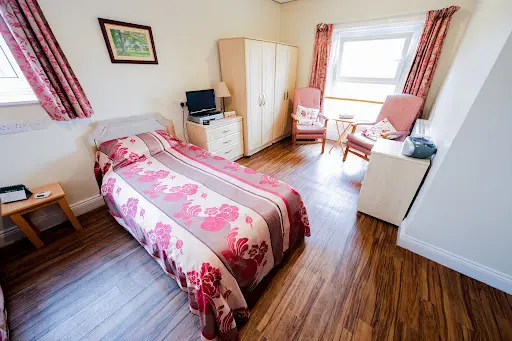
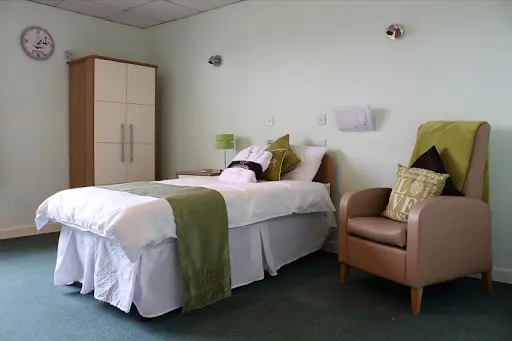
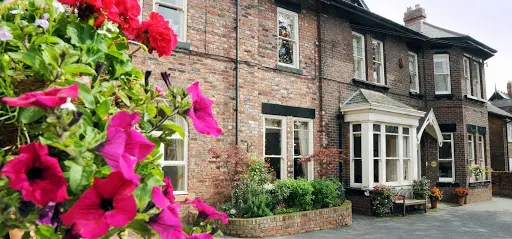
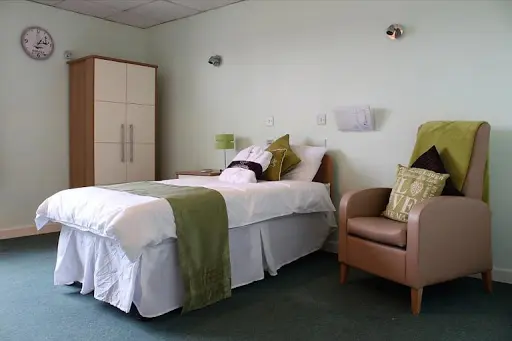
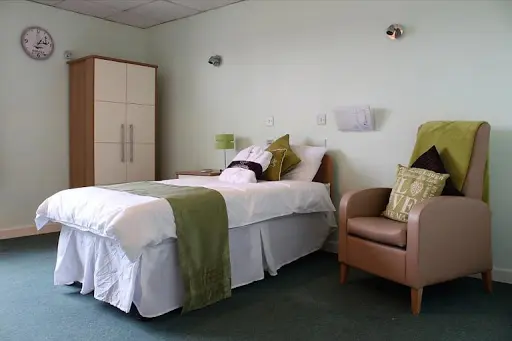
The home & environment
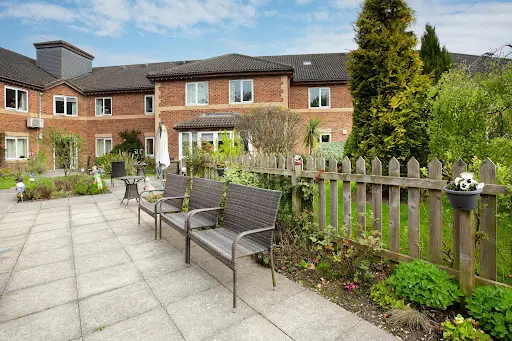
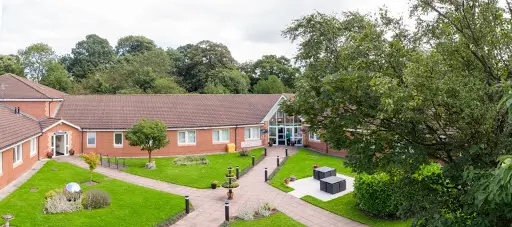
The dining experience generally gets good marks from families, who appreciate how meals are presented and the atmosphere at mealtimes. Though there have been occasional hiccups with portion sizes and menu choices, most find the food side of things works well for their relatives.
“If you're considering Highcliffe, it's worth visiting to see how they balance independence with support for your own family member.”
DCC does not edit or curate content in this tab. For independently curated information, see The Evidence and DCC Verdict.