Addison Court Care Home

At a Glance
The information you need to decide whether this home warrants a closer look.
Nursing homes
Staff warmth score
of reviewers answered yes
Good to know
- Registered beds62
- SpecialismsCaring for adults over 65 yrs, Dementia, Mental health conditions, Physical disabilities
- Last inspected2024-05-09
Save Addison Court Care Home to your shortlist
Keep a running list, add visit notes, and compare homes side-by-side. Free account — it takes a minute.
STAGE 4 — RESEARCHING CARE HOMES
Visit homes. Compare them side by side. Choose with confidence.
Most of us will view care homes the way we view houses, impression, atmosphere, the feeling in the corridor. We go home, try to remember what we saw, and make a permanent decision from a blurred memory.

The DCC shortlist gives every home you visit a structured record: the same twelve questions, answered the same way, every time. When you’re ready to choose, pull any two homes side by side and compare them directly. Same criteria, same evidence, your notes and your scores.
The Evidence
What the review data, the inspection reports, and the dementia-care evidence base tell us about this home.
What families say
Some families describe feeling supported through difficult times, with staff maintaining regular contact during medical situations. The nursing team's clinical skills shine through in managing complex transitions. However, other families report concerns about cleanliness standards and activity provision that deserve serious consideration.
The eight family priority themes
- Staff warmth55
- Compassion & dignity55
- Cleanliness55
- Activities & engagement50
- Food quality50
- Healthcare55
- Management & leadership60
- Resident happiness50
What inspectors found
Inspected 2024-05-09
Is this home safe?
Is the care effective?
The Effective domain was rated Good at the February 2025 inspection. The published report provides no narrative detail about care plan quality, GP access arrangements, dementia-specific training, medicines administration, or food quality. The home specialises in dementia care, mental health conditions, physical disabilities, and care for older adults, all of which require staff with specific training and care plans that are regularly reviewed and updated.Is this home caring?
The Caring domain was rated Good at the February 2025 inspection. No inspector observations, resident testimony, or relative feedback was included in the published report text. There is therefore no specific evidence available about how staff interact with residents day to day, whether privacy and dignity are consistently respected, or how staff respond to distress in people living with dementia.Is the home responsive?
The Responsive domain was rated Good at the February 2025 inspection. The published report contains no detail about the activities programme, one-to-one engagement for people with advanced dementia, how individual preferences are recorded and acted upon, or how end-of-life planning is approached. The home supports people with dementia, mental health conditions, and physical disabilities, all of whom may have very different needs for meaningful engagement.Is the home well-led?
The Well-led domain was rated Good at the February 2025 inspection. The home is run by Malhotra Care Homes Limited, with Mr Devinder Malhotra named as the Nominated Individual. No narrative detail about management visibility, staff culture, governance systems, incident learning, or communication with families was included in the published report. The return from Inadequate to Good across all domains suggests that meaningful changes were made under current leadership, but the published text does not describe what those changes were.
Source: CQC inspection report →
What the evidence base says
The home specialises in dementia care, mental health conditions, physical disabilities and general nursing for over-65s. Their nursing team handles complex medical needs including post-hospital recovery and palliative care. As a dementia specialist, Addison Court provides secure accommodation and trained staff. Families considering dementia care should ask specifically about structured activities and cognitive stimulation programmes, as experiences in this area vary considerably. All areas worth probing directly during a visit.
The DCC Verdict
Our editorial view, built from the three lenses: what families tell us, what inspectors record, and how the home sits against good dementia-care practice.
DCC Family Score
Addison Court has returned to a Good rating across all five domains at its most recent inspection in February 2025, which is a significant improvement from a previous Inadequate rating. However, the published report contains almost no narrative detail, so every theme score reflects the rating uplift rather than specific observed evidence, and families should treat this score as a starting point for their own enquiries rather than a settled verdict.
Homes in North East typically score 68–82.The three-lens summary
What families tell us
Some families describe feeling supported through difficult times, with staff maintaining regular contact during medical situations. The nursing team's clinical skills shine through in managing complex transitions. However, other families report concerns about cleanliness standards and activity provision that deserve serious consideration.
What inspectors have recorded
Communication with families works well during medical crises, with staff keeping relatives informed about changes in condition. The permanent staff team draws particular praise for their dedication, though the home faces the sector-wide challenge of temporary staffing gaps. Some families report frustration when raising concerns about mobility support and daily care routines.
How it sits against good practice
Given the mixed experiences reported, visiting in person becomes especially important — take time to explore all areas of the home and discuss your specific care priorities with the team.
Worth a visit
Addison Court, on Wesley Grove in Ryton, was assessed as Good across all five inspection domains at its most recent inspection on 19 February 2025, with the report published on 23 May 2025. This is a meaningful recovery: the home had previously been rated Inadequate, and returning to Good across every domain suggests that serious problems were identified and addressed. The home is registered to provide nursing and personal care for up to 62 people, specialising in care for older adults, people living with dementia, mental health conditions, and physical disabilities. The critical caveat for any family considering this home is that the published report contains almost no narrative detail. There are no inspector observations, no resident or relative quotes, and no specific evidence about staffing, activities, food, or daily life. A Good rating tells you the home met the threshold at one point in time; it does not tell you what daily life looks like for your mum or dad. Given the history of Inadequate, you should ask the manager directly what went wrong, what changed, and how they will know early if standards begin to slip again. Visit more than once, at different times of day, and speak to staff on the floor rather than only to management.
The three questions to ask when you visitSave this home. Compare it against your shortlist.
Let our analysis show you how Addison Court Care Home measures up against the other homes you’re considering. Free account.
In Their Own Words
How Addison Court Care Home describes itself — collected from its own website. DCC has not edited or independently verified the content in this tab.
Skilled nursing care meets families through life's toughest transitions
Addison Court – Your Trusted nursing home
When medical needs become complex, families need confidence in their choice. Addison Court in Ryton provides nursing care for older adults facing dementia, mental health conditions and physical disabilities. The home's experienced nursing team works closely with families during hospital transitions and end-of-life care, though experiences vary significantly across different aspects of daily life.
Who they care for
The home specialises in dementia care, mental health conditions, physical disabilities and general nursing for over-65s. Their nursing team handles complex medical needs including post-hospital recovery and palliative care.
As a dementia specialist, Addison Court provides secure accommodation and trained staff. Families considering dementia care should ask specifically about structured activities and cognitive stimulation programmes, as experiences in this area vary considerably.
“Given the mixed experiences reported, visiting in person becomes especially important — take time to explore all areas of the home and discuss your specific care priorities with the team.”
DCC does not edit or curate content in this tab. For independently curated information, see The Evidence and DCC Verdict.
The DCC Verdict
Our editorial view, built from the three lenses: what families tell us, what inspectors record, and how the home sits against good dementia-care practice.
DCC Family Score
Addison Court has returned to a Good rating across all five domains at its most recent inspection in February 2025, which is a significant improvement from a previous Inadequate rating. However, the published report contains almost no narrative detail, so every theme score reflects the rating uplift rather than specific observed evidence, and families should treat this score as a starting point for their own enquiries rather than a settled verdict.
Homes in North East typically score 68–82.The three-lens summary
What families tell us
Some families describe feeling supported through difficult times, with staff maintaining regular contact during medical situations. The nursing team's clinical skills shine through in managing complex transitions. However, other families report concerns about cleanliness standards and activity provision that deserve serious consideration.
What inspectors have recorded
Communication with families works well during medical crises, with staff keeping relatives informed about changes in condition. The permanent staff team draws particular praise for their dedication, though the home faces the sector-wide challenge of temporary staffing gaps. Some families report frustration when raising concerns about mobility support and daily care routines.
How it sits against good practice
Given the mixed experiences reported, visiting in person becomes especially important — take time to explore all areas of the home and discuss your specific care priorities with the team.
Worth a visit
Addison Court, on Wesley Grove in Ryton, was assessed as Good across all five inspection domains at its most recent inspection on 19 February 2025, with the report published on 23 May 2025. This is a meaningful recovery: the home had previously been rated Inadequate, and returning to Good across every domain suggests that serious problems were identified and addressed. The home is registered to provide nursing and personal care for up to 62 people, specialising in care for older adults, people living with dementia, mental health conditions, and physical disabilities. The critical caveat for any family considering this home is that the published report contains almost no narrative detail. There are no inspector observations, no resident or relative quotes, and no specific evidence about staffing, activities, food, or daily life. A Good rating tells you the home met the threshold at one point in time; it does not tell you what daily life looks like for your mum or dad. Given the history of Inadequate, you should ask the manager directly what went wrong, what changed, and how they will know early if standards begin to slip again. Visit more than once, at different times of day, and speak to staff on the floor rather than only to management.
The three questions to ask when you visitSave this home. Compare it against your shortlist.
Let our analysis show you how Addison Court Care Home measures up against the other homes you’re considering. Free account.
In Their Own Words
How Addison Court Care Home describes itself — collected from its own website. DCC has not edited or independently verified the content in this tab.
Skilled nursing care meets families through life's toughest transitions
Addison Court – Your Trusted nursing home
When medical needs become complex, families need confidence in their choice. Addison Court in Ryton provides nursing care for older adults facing dementia, mental health conditions and physical disabilities. The home's experienced nursing team works closely with families during hospital transitions and end-of-life care, though experiences vary significantly across different aspects of daily life.
Who they care for
The home specialises in dementia care, mental health conditions, physical disabilities and general nursing for over-65s. Their nursing team handles complex medical needs including post-hospital recovery and palliative care.
As a dementia specialist, Addison Court provides secure accommodation and trained staff. Families considering dementia care should ask specifically about structured activities and cognitive stimulation programmes, as experiences in this area vary considerably.
Management & ethos
Communication with families works well during medical crises, with staff keeping relatives informed about changes in condition. The permanent staff team draws particular praise for their dedication, though the home faces the sector-wide challenge of temporary staffing gaps. Some families report frustration when raising concerns about mobility support and daily care routines.
The home & environment
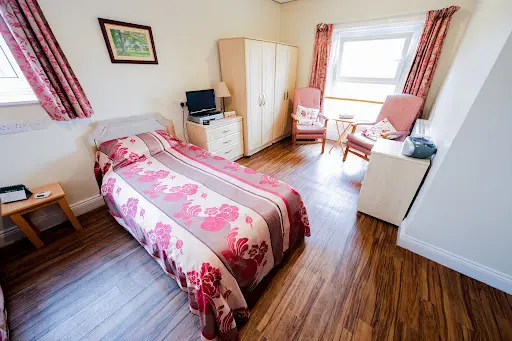
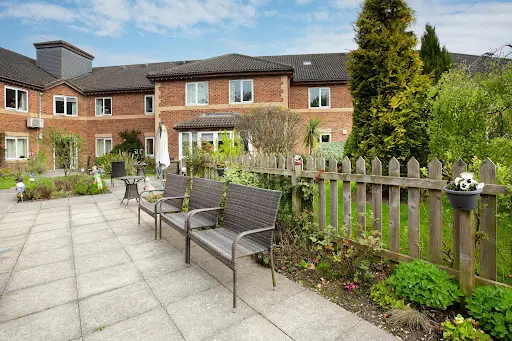
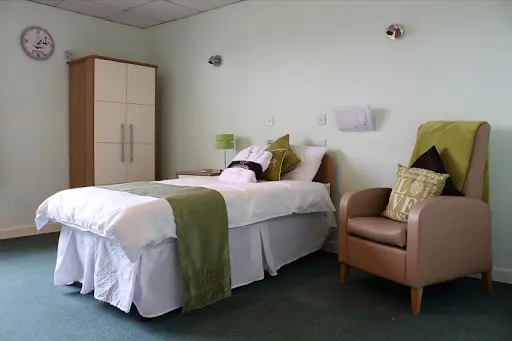
The kitchen receives consistent praise for varied menus and good food standards. The building itself provides secure accommodation suitable for residents with dementia. Yet multiple families have raised significant concerns about hygiene, particularly on upper floors, including persistent odours and cleanliness issues that any visitor should carefully assess.
“Given the mixed experiences reported, visiting in person becomes especially important — take time to explore all areas of the home and discuss your specific care priorities with the team.”
DCC does not edit or curate content in this tab. For independently curated information, see The Evidence and DCC Verdict.