Springfield Care Homes

At a Glance
The information you need to decide whether this home warrants a closer look.
Residential homes
Staff warmth score
of reviewers answered yes
Good to know
- Registered beds50
- SpecialismsCaring for adults over 65 yrs, Caring for adults under 65 yrs, Dementia, Mental health conditions, Physical disabilities, Sensory impairment
- Last inspected2019-05-02
Save Springfield Care Homes to your shortlist
Keep a running list, add visit notes, and compare homes side-by-side. Free account — it takes a minute.
STAGE 4 — RESEARCHING CARE HOMES
Visit homes. Compare them side by side. Choose with confidence.
Most of us will view care homes the way we view houses, impression, atmosphere, the feeling in the corridor. We go home, try to remember what we saw, and make a permanent decision from a blurred memory.

The DCC shortlist gives every home you visit a structured record: the same twelve questions, answered the same way, every time. When you’re ready to choose, pull any two homes side by side and compare them directly. Same criteria, same evidence, your notes and your scores.
The Evidence
What the review data, the inspection reports, and the dementia-care evidence base tell us about this home.
What families say
Families talk about seeing their relatives engaged and occupied throughout the day. There's a real focus on keeping people active — whether that's through organised games, day trips out, or simply ensuring everyone feels well-groomed and cared for.
The eight family priority themes
- Staff warmth72
- Compassion & dignity72
- Cleanliness70
- Activities & engagement65
- Food quality65
- Healthcare70
- Management & leadership72
- Resident happiness68
What inspectors found
Inspected 2019-05-02
Is this home safe?
Is the care effective?
The Effective domain was rated Good at the July 2025 inspection. The published report does not include specific detail about care plan content, how frequently plans are reviewed, how the home supports people with dementia through structured approaches to daily routines, or how GP and specialist access is arranged. The home lists dementia as a specialism, which makes training quality and care plan depth especially relevant.Is this home caring?
The Caring domain was rated Good at the July 2025 inspection. The published report does not include specific inspector observations about staff interactions, use of preferred names, responses to distress, or how privacy and dignity are protected in day-to-day routines. Staff warmth and compassion are the two highest-weighted themes in family satisfaction data, making this the domain where the lack of specific evidence is most keenly felt.Is the home responsive?
The Responsive domain was rated Good at the July 2025 inspection. The published report does not include specific detail about activities on offer, how the home supports individuals who cannot join group sessions, how complaints are handled, or how end-of-life wishes are planned and respected. With 50 residents across a range of conditions including dementia and sensory impairments, individual responsiveness requires significant coordination.Is the home well-led?
The Well-led domain was rated Good at the July 2025 inspection. The registered manager is named as Mrs Shirley Delap, and the nominated individual is Mr Ambrish Vyas. The published report does not include specific observations about management visibility, staff culture, how the home handles complaints, or how quality is monitored and improved over time. A stable management structure is a positive indicator, but the depth of leadership quality is not evidenced in the available text.
Source: CQC inspection report →
What the evidence base says
The team supports people living with dementia, sensory impairments, physical disabilities and mental health conditions. They're equipped to care for adults of all ages, including those under 65 who need specialist support. For those living with dementia, the home provides tailored support that recognises each person's unique needs. The activity programmes help maintain engagement and connection, while specialist staff understand how to provide reassurance and comfort. All areas worth probing directly during a visit.
The DCC Verdict
Our editorial view, built from the three lenses: what families tell us, what inspectors record, and how the home sits against good dementia-care practice.
DCC Family Score
Springfield Care Home scores 74 out of 100, reflecting a Good rating across all five inspection domains, but the published report contains very limited specific detail, so the score reflects a broadly positive picture with significant gaps in the evidence available to families.
Homes in North East typically score 68–82.The three-lens summary
What families tell us
Families talk about seeing their relatives engaged and occupied throughout the day. There's a real focus on keeping people active — whether that's through organised games, day trips out, or simply ensuring everyone feels well-groomed and cared for.
What inspectors have recorded
How it sits against good practice
If you're considering Springfield for someone you love, visiting will give you the clearest picture of whether it feels right for your family.
Worth a visit
Springfield Care Home at Bunker Hill, Houghton le Spring, was rated Good across all five inspection domains at its assessment in July 2025, with the report published in October 2025. The home supports up to 50 people, including those living with dementia, mental health conditions, physical disabilities, and sensory impairments, and has a named registered manager in post. A Good rating across every domain is a reassuring baseline, but the published report text available for this review contains very little specific detail, so it is not possible to confirm what inspectors actually observed on the ground. The biggest uncertainty here is the absence of specifics. Families choosing a care home for a parent living with dementia need more than a top-line rating. Before visiting, prepare a list of focused questions covering night staffing numbers, how often care plans are reviewed, what dementia training staff have completed, and how the home handles incidents like falls. On your visit, watch how staff speak to your parent in the corridor, not just in a formal meeting room. The way a member of staff stops, makes eye contact, and uses your parent's preferred name tells you more about day-to-day care than any rating.
The three questions to ask when you visitSave this home. Compare it against your shortlist.
Let our analysis show you how Springfield Care Homes measures up against the other homes you’re considering. Free account.
In Their Own Words
How Springfield Care Homes describes itself — collected from its own website. DCC has not edited or independently verified the content in this tab.
Specialist dementia and sensory care with engaging activities programme
Springfield Care Home – Expert Care in Houghton Le Spring
Springfield Care Home in Houghton Le Spring brings together specialist support for people with dementia, sensory impairments and mental health conditions. The home welcomes both younger adults and those over 65, creating a diverse community where individual needs shape the care approach. With structured activities and entertainment programmes, residents here stay connected to the things that matter to them.
Who they care for
The team supports people living with dementia, sensory impairments, physical disabilities and mental health conditions. They're equipped to care for adults of all ages, including those under 65 who need specialist support.
For those living with dementia, the home provides tailored support that recognises each person's unique needs. The activity programmes help maintain engagement and connection, while specialist staff understand how to provide reassurance and comfort.
“If you're considering Springfield for someone you love, visiting will give you the clearest picture of whether it feels right for your family.”
DCC does not edit or curate content in this tab. For independently curated information, see The Evidence and DCC Verdict.
The DCC Verdict
Our editorial view, built from the three lenses: what families tell us, what inspectors record, and how the home sits against good dementia-care practice.
DCC Family Score
Springfield Care Home scores 74 out of 100, reflecting a Good rating across all five inspection domains, but the published report contains very limited specific detail, so the score reflects a broadly positive picture with significant gaps in the evidence available to families.
Homes in North East typically score 68–82.The three-lens summary
What families tell us
Families talk about seeing their relatives engaged and occupied throughout the day. There's a real focus on keeping people active — whether that's through organised games, day trips out, or simply ensuring everyone feels well-groomed and cared for.
What inspectors have recorded
How it sits against good practice
If you're considering Springfield for someone you love, visiting will give you the clearest picture of whether it feels right for your family.
Worth a visit
Springfield Care Home at Bunker Hill, Houghton le Spring, was rated Good across all five inspection domains at its assessment in July 2025, with the report published in October 2025. The home supports up to 50 people, including those living with dementia, mental health conditions, physical disabilities, and sensory impairments, and has a named registered manager in post. A Good rating across every domain is a reassuring baseline, but the published report text available for this review contains very little specific detail, so it is not possible to confirm what inspectors actually observed on the ground. The biggest uncertainty here is the absence of specifics. Families choosing a care home for a parent living with dementia need more than a top-line rating. Before visiting, prepare a list of focused questions covering night staffing numbers, how often care plans are reviewed, what dementia training staff have completed, and how the home handles incidents like falls. On your visit, watch how staff speak to your parent in the corridor, not just in a formal meeting room. The way a member of staff stops, makes eye contact, and uses your parent's preferred name tells you more about day-to-day care than any rating.
The three questions to ask when you visitSave this home. Compare it against your shortlist.
Let our analysis show you how Springfield Care Homes measures up against the other homes you’re considering. Free account.
In Their Own Words
How Springfield Care Homes describes itself — collected from its own website. DCC has not edited or independently verified the content in this tab.
Specialist dementia and sensory care with engaging activities programme
Springfield Care Home – Expert Care in Houghton Le Spring
Springfield Care Home in Houghton Le Spring brings together specialist support for people with dementia, sensory impairments and mental health conditions. The home welcomes both younger adults and those over 65, creating a diverse community where individual needs shape the care approach. With structured activities and entertainment programmes, residents here stay connected to the things that matter to them.
Who they care for
The team supports people living with dementia, sensory impairments, physical disabilities and mental health conditions. They're equipped to care for adults of all ages, including those under 65 who need specialist support.
For those living with dementia, the home provides tailored support that recognises each person's unique needs. The activity programmes help maintain engagement and connection, while specialist staff understand how to provide reassurance and comfort.
The home & environment
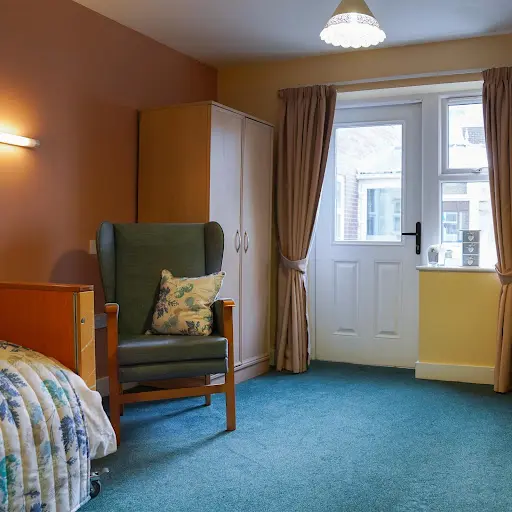
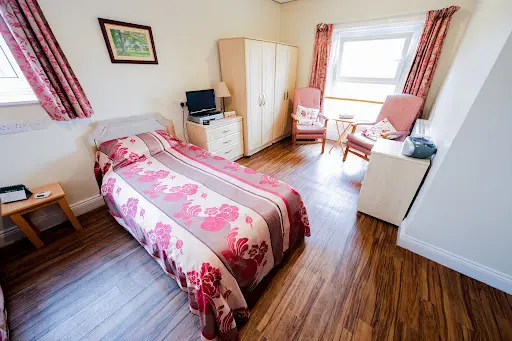
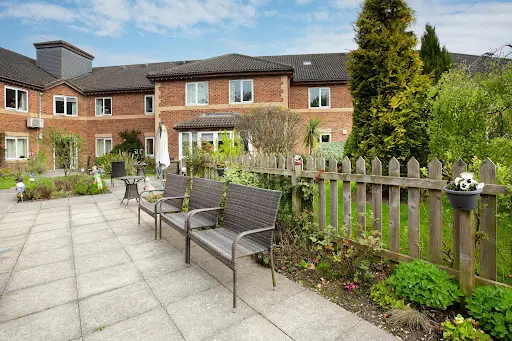
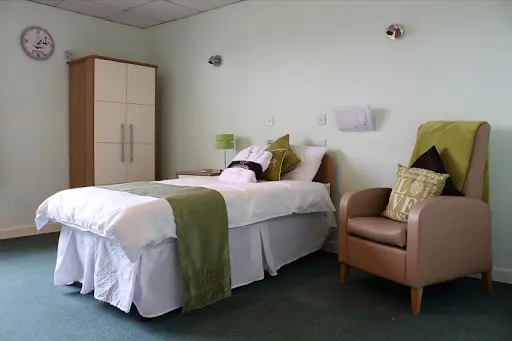
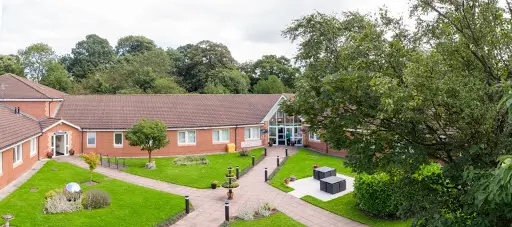
The home maintains its premises to a good standard, with well-appointed rooms that give residents their own comfortable space. Meals are prepared with variety and nutrition in mind.
“If you're considering Springfield for someone you love, visiting will give you the clearest picture of whether it feels right for your family.”
DCC does not edit or curate content in this tab. For independently curated information, see The Evidence and DCC Verdict.