At a Glance
The information you need to decide whether this home warrants a closer look.
Residential homes
Staff warmth score
of reviewers answered yes
Good to know
- Registered beds57
- SpecialismsCaring for adults over 65 yrs, Caring for adults under 65 yrs, Dementia, Physical disabilities, Sensory impairment
- Last inspected2022-07-09
Save to your shortlist
Keep a running list, add visit notes, and compare homes side-by-side. Free account — it takes a minute.
STAGE 4 — RESEARCHING CARE HOMES
Visit homes. Compare them side by side. Choose with confidence.
Most of us will view care homes the way we view houses, impression, atmosphere, the feeling in the corridor. We go home, try to remember what we saw, and make a permanent decision from a blurred memory.

The DCC shortlist gives every home you visit a structured record: the same twelve questions, answered the same way, every time. When you’re ready to choose, pull any two homes side by side and compare them directly. Same criteria, same evidence, your notes and your scores.
The Evidence
What the review data, the inspection reports, and the dementia-care evidence base tell us about this home.
What families say
Families talk about seeing their relatives genuinely happy here — joining in with activities they'd stopped doing at home, chatting with other residents, even getting their hair done regularly again. The transition into care can be tough, but people describe how staff help new residents settle in gradually, keeping families involved every step of the way. What strikes many visitors is how residents seem to rediscover their motivation, whether that's taking their medication without fuss or simply getting excited about the day's entertainment.
The eight family priority themes
- Staff warmth72
- Compassion & dignity72
- Cleanliness70
- Activities & engagement65
- Food quality60
- Healthcare68
- Management & leadership75
- Resident happiness70
What inspectors found
Inspected 2022-07-09
Is this home safe?
Is the care effective?
The Effective domain was rated Good at the June 2022 inspection. This domain covers care planning, staff training, healthcare access, nutrition, and how well the home uses information about each person to deliver care. Dementia is listed as a specialism, which means inspectors will have looked at whether staff training and care approaches reflect the specific needs of people living with dementia. The published summary does not include detail about care plan content, GP access, or meal provision.Is this home caring?
The Caring domain was rated Good at the June 2022 inspection. This domain assesses whether staff treat people with kindness, dignity, and respect, and whether people's independence is supported rather than replaced. The published summary does not include inspector observations of staff interactions, resident testimony, or specific examples of how dignity was upheld in practice. No quotes from residents or relatives are available in the published report.Is the home responsive?
The Responsive domain was rated Good at the June 2022 inspection. This domain covers whether the home meets individuals' needs, provides meaningful activities, responds to complaints, and plans for end of life. The home supports people with dementia, physical disabilities, and sensory impairment across 57 beds, which requires a genuinely varied approach to engagement and activity. The published summary does not describe the activity programme, confirm whether one-to-one engagement is provided, or detail how end-of-life wishes are recorded.Is the home well-led?
The Well-led domain was rated Good at the June 2022 inspection, up from Requires Improvement previously. The home has a named registered manager, Ms Marie Grant, and a nominated individual, Mr Richard Coltman. The improvement across all five domains from the previous inspection suggests that leadership was able to identify problems and drive change effectively. The published summary does not include detail about management visibility, staff culture, or governance systems.
Source: CQC inspection report →
What the evidence base says
The home cares for adults of all ages with physical disabilities, sensory impairments and dementia. They also provide respite care, giving family carers a break while knowing their relative will be well looked after. Families whose relatives have dementia speak about noticeable improvements in mood and willingness to engage after moving here. The structured daily activities and consistent staff support seem particularly effective at helping people with dementia maintain their interests and connections. All areas worth probing directly during a visit.
The DCC Verdict
Our editorial view, built from the three lenses: what families tell us, what inspectors record, and how the home sits against good dementia-care practice.
DCC Family Score
Lambton House improved from Requires Improvement to Good across all five domains at its last inspection, which is a genuinely positive sign. However, the published report contains limited specific detail, so scores reflect confirmed improvement rather than outstanding, well-evidenced practice.
Homes in North East typically score 68–82.The three-lens summary
What families tell us
Families talk about seeing their relatives genuinely happy here — joining in with activities they'd stopped doing at home, chatting with other residents, even getting their hair done regularly again. The transition into care can be tough, but people describe how staff help new residents settle in gradually, keeping families involved every step of the way. What strikes many visitors is how residents seem to rediscover their motivation, whether that's taking their medication without fuss or simply getting excited about the day's entertainment.
What inspectors have recorded
Staff here seem to understand that small gestures matter — sending photos to distant relatives, posting updates on social media, making sure everyone gets involved in activities at their own pace. They work with families to understand each resident's needs during the settling-in period. One family did share a concerning experience about inadequate support during their relative's departure, which the home will need to address. Despite this, the overall picture from families is of staff who notice when someone needs encouragement and take time to bring them into the group.
How it sits against good practice
If you're wondering whether your loved one could be happier somewhere with more company and activities, it might be worth visiting Lambton House to see their approach for yourself.
Worth a visit
Lambton House in New Lambton, Houghton le Spring was rated Good across all five inspection domains at its most recent inspection in June 2022. Crucially, this was an improvement from its previous rating of Requires Improvement, which means inspectors found that real problems had been identified and resolved. The home supports 57 people, including those living with dementia, physical disabilities, and sensory impairment, and has a named registered manager in post. The main limitation of this report is that the published summary is brief and contains very little specific detail. Almost everything we know comes from the domain ratings themselves rather than from inspector observations, resident testimony, or staff quotes. This matters because a Good rating tells you the standard was met, not how it felt to live there. Before making a decision, visit in person at different times of day, watch how staff interact with your parent in unscripted moments, and ask the manager directly about night staffing numbers, agency staff usage, and how families are kept informed when something changes.
The three questions to ask when you visitSave this home. Compare it against your shortlist.
Let our analysis show you how measures up against the other homes you’re considering. Free account.
In Their Own Words
How describes itself — collected from its own website. DCC has not edited or independently verified the content in this tab.
Where daily activities spark genuine joy and connection
Compassionate Care in Houghton Le Spring at Lambton House
When your loved one needs more support than you can provide at home, finding somewhere they'll actually enjoy their days matters deeply. Lambton House in Houghton Le Spring has built its reputation on keeping residents engaged and connected, with a full programme of activities that families say brings real smiles back to their relatives' faces. The home supports people with dementia, physical disabilities and sensory impairments, welcoming both younger and older adults who need residential care.
Who they care for
The home cares for adults of all ages with physical disabilities, sensory impairments and dementia. They also provide respite care, giving family carers a break while knowing their relative will be well looked after.
Families whose relatives have dementia speak about noticeable improvements in mood and willingness to engage after moving here. The structured daily activities and consistent staff support seem particularly effective at helping people with dementia maintain their interests and connections.
“If you're wondering whether your loved one could be happier somewhere with more company and activities, it might be worth visiting Lambton House to see their approach for yourself.”
DCC does not edit or curate content in this tab. For independently curated information, see The Evidence and DCC Verdict.
The DCC Verdict
Our editorial view, built from the three lenses: what families tell us, what inspectors record, and how the home sits against good dementia-care practice.
DCC Family Score
Lambton House improved from Requires Improvement to Good across all five domains at its last inspection, which is a genuinely positive sign. However, the published report contains limited specific detail, so scores reflect confirmed improvement rather than outstanding, well-evidenced practice.
Homes in North East typically score 68–82.The three-lens summary
What families tell us
Families talk about seeing their relatives genuinely happy here — joining in with activities they'd stopped doing at home, chatting with other residents, even getting their hair done regularly again. The transition into care can be tough, but people describe how staff help new residents settle in gradually, keeping families involved every step of the way. What strikes many visitors is how residents seem to rediscover their motivation, whether that's taking their medication without fuss or simply getting excited about the day's entertainment.
What inspectors have recorded
Staff here seem to understand that small gestures matter — sending photos to distant relatives, posting updates on social media, making sure everyone gets involved in activities at their own pace. They work with families to understand each resident's needs during the settling-in period. One family did share a concerning experience about inadequate support during their relative's departure, which the home will need to address. Despite this, the overall picture from families is of staff who notice when someone needs encouragement and take time to bring them into the group.
How it sits against good practice
If you're wondering whether your loved one could be happier somewhere with more company and activities, it might be worth visiting Lambton House to see their approach for yourself.
Worth a visit
Lambton House in New Lambton, Houghton le Spring was rated Good across all five inspection domains at its most recent inspection in June 2022. Crucially, this was an improvement from its previous rating of Requires Improvement, which means inspectors found that real problems had been identified and resolved. The home supports 57 people, including those living with dementia, physical disabilities, and sensory impairment, and has a named registered manager in post. The main limitation of this report is that the published summary is brief and contains very little specific detail. Almost everything we know comes from the domain ratings themselves rather than from inspector observations, resident testimony, or staff quotes. This matters because a Good rating tells you the standard was met, not how it felt to live there. Before making a decision, visit in person at different times of day, watch how staff interact with your parent in unscripted moments, and ask the manager directly about night staffing numbers, agency staff usage, and how families are kept informed when something changes.
The three questions to ask when you visitSave this home. Compare it against your shortlist.
Let our analysis show you how measures up against the other homes you’re considering. Free account.
In Their Own Words
How describes itself — collected from its own website. DCC has not edited or independently verified the content in this tab.
Where daily activities spark genuine joy and connection
Compassionate Care in Houghton Le Spring at Lambton House
When your loved one needs more support than you can provide at home, finding somewhere they'll actually enjoy their days matters deeply. Lambton House in Houghton Le Spring has built its reputation on keeping residents engaged and connected, with a full programme of activities that families say brings real smiles back to their relatives' faces. The home supports people with dementia, physical disabilities and sensory impairments, welcoming both younger and older adults who need residential care.
Who they care for
The home cares for adults of all ages with physical disabilities, sensory impairments and dementia. They also provide respite care, giving family carers a break while knowing their relative will be well looked after.
Families whose relatives have dementia speak about noticeable improvements in mood and willingness to engage after moving here. The structured daily activities and consistent staff support seem particularly effective at helping people with dementia maintain their interests and connections.
Management & ethos
Staff here seem to understand that small gestures matter — sending photos to distant relatives, posting updates on social media, making sure everyone gets involved in activities at their own pace. They work with families to understand each resident's needs during the settling-in period. One family did share a concerning experience about inadequate support during their relative's departure, which the home will need to address. Despite this, the overall picture from families is of staff who notice when someone needs encouragement and take time to bring them into the group.
The home & environment
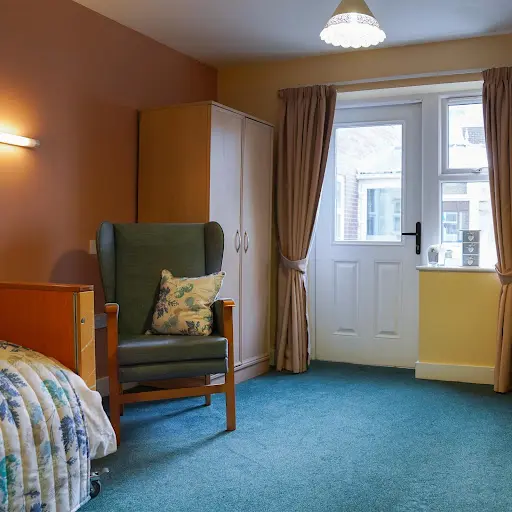
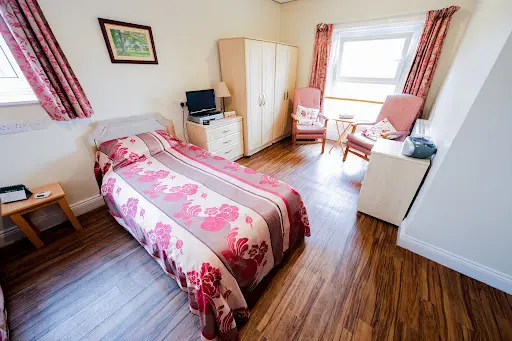
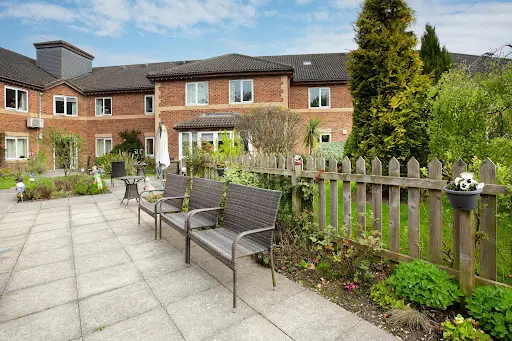
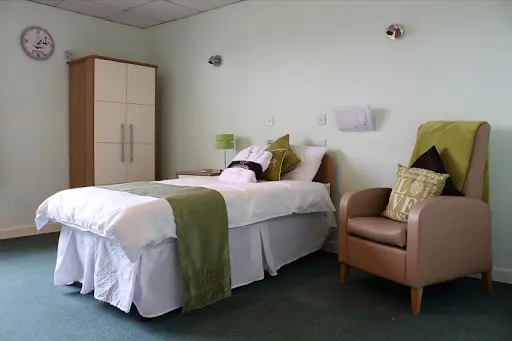
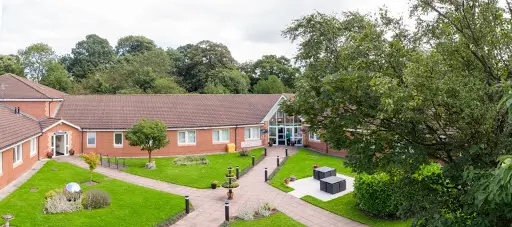
The clubhouse hosts regular live entertainment and seasonal events that residents genuinely look forward to. During summer, activities move outside to the gardens where there's space for outdoor entertainment and even a bar service for special occasions. Beyond the social side, practical services like hairdressing and nail care help residents feel good about themselves, while staff coordinate medical appointments so families don't have to worry about the logistics.
“If you're wondering whether your loved one could be happier somewhere with more company and activities, it might be worth visiting Lambton House to see their approach for yourself.”
DCC does not edit or curate content in this tab. For independently curated information, see The Evidence and DCC Verdict.