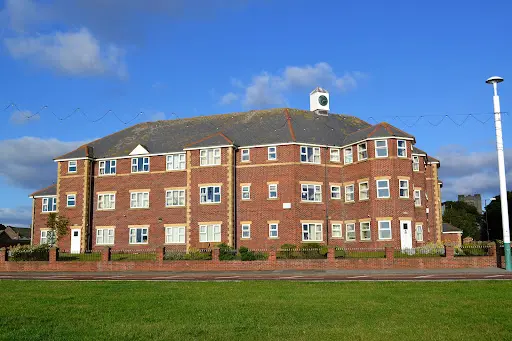
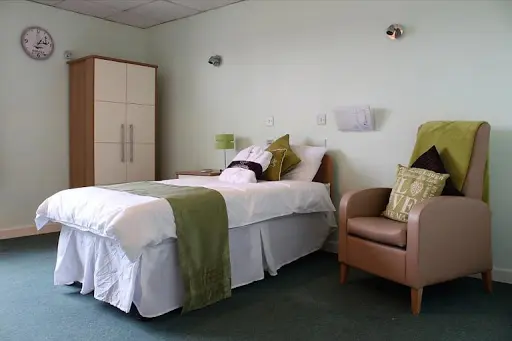
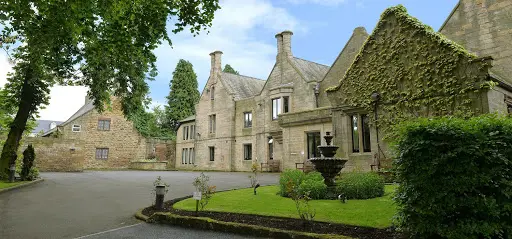
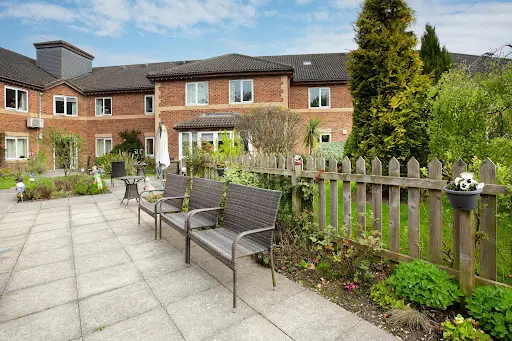
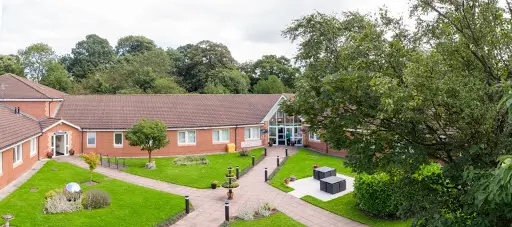
Falstone Court and Falstone Manor Care Home
At a Glance
The information you need to decide whether this home warrants a closer look.
Nursing homes
Staff warmth score
of reviewers answered yes
Good to know
- Registered beds40
- SpecialismsCaring for adults over 65 yrs, Caring for adults under 65 yrs, Dementia
- Last inspected2019-05-24
Save Falstone Court and Falstone Manor Care Home to your shortlist
Keep a running list, add visit notes, and compare homes side-by-side. Free account — it takes a minute.
STAGE 4 — RESEARCHING CARE HOMES
Visit homes. Compare them side by side. Choose with confidence.
Most of us will view care homes the way we view houses, impression, atmosphere, the feeling in the corridor. We go home, try to remember what we saw, and make a permanent decision from a blurred memory.

The DCC shortlist gives every home you visit a structured record: the same twelve questions, answered the same way, every time. When you’re ready to choose, pull any two homes side by side and compare them directly. Same criteria, same evidence, your notes and your scores.
The Evidence
What the review data, the inspection reports, and the dementia-care evidence base tell us about this home.
What families say
The eight family priority themes
- Staff warmth85
- Compassion & dignity88
- Cleanliness70
- Activities & engagement80
- Food quality65
- Healthcare70
- Management & leadership72
- Resident happiness78
What inspectors found
Inspected 2019-05-24
Is this home safe?
Is the care effective?
Falstone Court received a Good rating for effective at its October 2020 inspection. This covers training, care planning, healthcare access, and food. The home offers nursing care, which means qualified nurses are present and health monitoring is part of daily practice. Dementia is listed as a specialism, which implies staff should have relevant training, though the published summary does not describe training content or frequency. Specific detail on care plan quality, GP access arrangements, or food and nutrition is not available in the published findings.Is this home caring?
Falstone Court received an Outstanding rating for caring, the highest possible grade. This rating is only awarded when inspectors find direct, specific evidence of warm, respectful, and compassionate interactions, not just procedures on paper. An Outstanding caring rating requires observations of staff treating the people who live here as individuals, using preferred names, respecting privacy, and responding to distress with patience. The published summary does not reproduce specific quotes or scenes, but the rating itself is a strong signal. This is the highest-weight theme in the DCC Family Score, reflecting what families consistently say matters most.Is the home responsive?
Falstone Court received an Outstanding rating for responsive, which covers activities, individual engagement, and how well the home adapts its approach to each person's needs and preferences. An Outstanding responsive rating requires evidence of a varied and meaningful activity programme, including engagement for people who cannot participate in group activities, and of care that reflects each person's individual history and identity. The published summary confirms the rating but does not reproduce specific examples of activities or individual care approaches. End-of-life planning is typically assessed within this domain, though specific findings are not available in the published text.Is the home well-led?
Falstone Court received a Good rating for well-led at its October 2020 inspection. The home has a named registered manager (Mrs Emma Louise Hindmarsh) and a nominated individual (Ms Anna Gretchen Selby), both registered with the regulator. The home is operated by HC-One Limited, one of the larger care home operators in the UK. A Good rating for well-led indicates inspectors were satisfied with governance, accountability, and the overall management culture at the time of inspection. The published summary does not include detail on manager tenure, staff turnover, or whether staff feel able to speak up.
Source: CQC inspection report →
What the evidence base says
The home provides residential care for adults over 65, with specialist dementia support available. They also accommodate younger adults who need residential care. For residents living with dementia, the team works to understand individual needs and preferences. The home has recently strengthened its safety measures, including updated door security systems. All areas worth probing directly during a visit.
The DCC Verdict
Our editorial view, built from the three lenses: what families tell us, what inspectors record, and how the home sits against good dementia-care practice.
DCC Family Score
Falstone Court earned an Outstanding overall rating, driven by particularly strong evidence of kind, respectful care and a responsive approach to individual needs. Scores for cleanliness, food, and healthcare are more cautious because the inspection text does not contain specific detail in those areas.
Homes in North East typically score 68–82.Worth a visit
Falstone Court, in Cliffe Park, Sunderland, was rated Outstanding overall at its last inspection in October 2020, with particular strengths in caring (Outstanding) and responsive (Outstanding). Those two ratings together mean inspectors found strong, specific evidence that staff treated the people who live here with genuine kindness and respect, and that the home actively tailored its approach to individual needs rather than offering a one-size-fits-all routine. The home is operated by HC-One Limited and has a registered manager in post. The main uncertainty here is that the published inspection summary is brief, and does not give specific detail on areas such as food quality, cleanliness, night staffing numbers, or agency staff use. The inspection also took place in 2020, which means the findings are now several years old. A review carried out in July 2023 found no reason to change the rating, but that was a desk-based check rather than a full re-inspection. When you visit, ask to see the staffing rota for a recent week, walk through the dementia unit after asking about night cover, and observe how staff speak to and move around the people who live there.
The three questions to ask when you visitSave this home. Compare it against your shortlist.
Let our analysis show you how Falstone Court and Falstone Manor Care Home measures up against the other homes you’re considering. Free account.
In Their Own Words
How Falstone Court and Falstone Manor Care Home describes itself — collected from its own website. DCC has not edited or independently verified the content in this tab.
Where compassionate staff bring comfort through life's final chapter
Nursing home in Sunderland: True Peace of Mind
When families face the heartbreak of terminal illness, the quality of care becomes everything. Falstone Court in Sunderland has built its reputation on staff who understand this deeply, bringing genuine kindness to residents during their most vulnerable times. While the home has worked through some operational challenges, families consistently speak of feeling supported and informed throughout their loved one's journey.
Who they care for
The home provides residential care for adults over 65, with specialist dementia support available. They also accommodate younger adults who need residential care.
For residents living with dementia, the team works to understand individual needs and preferences. The home has recently strengthened its safety measures, including updated door security systems.
“If you're considering Falstone Court, asking about their current staffing levels and recent improvements might help you feel confident in your decision.”
DCC does not edit or curate content in this tab. For independently curated information, see The Evidence and DCC Verdict.
The DCC Verdict
Our editorial view, built from the three lenses: what families tell us, what inspectors record, and how the home sits against good dementia-care practice.
DCC Family Score
Falstone Court earned an Outstanding overall rating, driven by particularly strong evidence of kind, respectful care and a responsive approach to individual needs. Scores for cleanliness, food, and healthcare are more cautious because the inspection text does not contain specific detail in those areas.
Homes in North East typically score 68–82.Worth a visit
Falstone Court, in Cliffe Park, Sunderland, was rated Outstanding overall at its last inspection in October 2020, with particular strengths in caring (Outstanding) and responsive (Outstanding). Those two ratings together mean inspectors found strong, specific evidence that staff treated the people who live here with genuine kindness and respect, and that the home actively tailored its approach to individual needs rather than offering a one-size-fits-all routine. The home is operated by HC-One Limited and has a registered manager in post. The main uncertainty here is that the published inspection summary is brief, and does not give specific detail on areas such as food quality, cleanliness, night staffing numbers, or agency staff use. The inspection also took place in 2020, which means the findings are now several years old. A review carried out in July 2023 found no reason to change the rating, but that was a desk-based check rather than a full re-inspection. When you visit, ask to see the staffing rota for a recent week, walk through the dementia unit after asking about night cover, and observe how staff speak to and move around the people who live there.
The three questions to ask when you visitSave this home. Compare it against your shortlist.
Let our analysis show you how Falstone Court and Falstone Manor Care Home measures up against the other homes you’re considering. Free account.
In Their Own Words
How Falstone Court and Falstone Manor Care Home describes itself — collected from its own website. DCC has not edited or independently verified the content in this tab.
Where compassionate staff bring comfort through life's final chapter
Nursing home in Sunderland: True Peace of Mind
When families face the heartbreak of terminal illness, the quality of care becomes everything. Falstone Court in Sunderland has built its reputation on staff who understand this deeply, bringing genuine kindness to residents during their most vulnerable times. While the home has worked through some operational challenges, families consistently speak of feeling supported and informed throughout their loved one's journey.
Who they care for
The home provides residential care for adults over 65, with specialist dementia support available. They also accommodate younger adults who need residential care.
For residents living with dementia, the team works to understand individual needs and preferences. The home has recently strengthened its safety measures, including updated door security systems.
Management & ethos
Families describe regular updates that help them feel connected to their loved one's daily life, with staff taking time to share changes and concerns as they arise. This open communication seems particularly valued during end-of-life care, when knowing what's happening brings real comfort.
“If you're considering Falstone Court, asking about their current staffing levels and recent improvements might help you feel confident in your decision.”
DCC does not edit or curate content in this tab. For independently curated information, see The Evidence and DCC Verdict.