Dairy Lane Care Centre

At a Glance
The information you need to decide whether this home warrants a closer look.
Residential homes
Staff warmth score
of reviewers answered yes
Good to know
- Registered beds22
- SpecialismsCaring for adults over 65 yrs, Caring for adults under 65 yrs, Dementia, Physical disabilities, Sensory impairment
- Last inspected2023-10-12
Save Dairy Lane Care Centre to your shortlist
Keep a running list, add visit notes, and compare homes side-by-side. Free account — it takes a minute.
STAGE 4 — RESEARCHING CARE HOMES
Visit homes. Compare them side by side. Choose with confidence.
Most of us will view care homes the way we view houses, impression, atmosphere, the feeling in the corridor. We go home, try to remember what we saw, and make a permanent decision from a blurred memory.

The DCC shortlist gives every home you visit a structured record: the same twelve questions, answered the same way, every time. When you’re ready to choose, pull any two homes side by side and compare them directly. Same criteria, same evidence, your notes and your scores.
The Evidence
What the review data, the inspection reports, and the dementia-care evidence base tell us about this home.
What families say
Visitors often comment on how welcoming the atmosphere feels when they arrive. Families appreciate being able to visit whenever suits them, and many bring pets along too. The smaller size means staff get to know residents well, and several families mention how kind and attentive they find the care team.
The eight family priority themes
- Staff warmth72
- Compassion & dignity72
- Cleanliness65
- Activities & engagement60
- Food quality55
- Healthcare62
- Management & leadership42
- Resident happiness65
What inspectors found
Inspected 2023-10-12
Is this home safe?
Is the care effective?
The Effective domain was rated Good at the September 2023 inspection. This covers how well staff know what they are doing: training, care planning, healthcare access, and nutrition. The published report does not include specific detail about the content of dementia training, how frequently care plans are reviewed, or how the home manages contact with GPs and other health professionals. A Good rating here is positive, but without published specifics it is not possible to verify what exactly was confirmed during the inspection. Families should not rely on this rating alone when assessing whether the home has the skills to support a parent with complex needs.Is this home caring?
The Caring domain was rated Good at the September 2023 inspection. This domain covers whether staff are kind, whether dignity and privacy are respected, and whether people are treated as individuals. The published report text does not include direct inspector observations, resident testimony, or relative feedback from this domain. A Good rating for Caring is the most meaningful single rating for many families, because it reflects the day-to-day experience of the people who live here. Without published specifics, however, it is not possible to confirm what inspectors actually saw.Is the home responsive?
The Responsive domain was rated Good at the September 2023 inspection. This domain covers whether care is tailored to the individual, whether activities are meaningful and varied, and whether end-of-life care is planned appropriately. The published report does not include specific detail about the activities programme, how the home supports people who cannot join group sessions, or how it involves families in care decisions. The home supports a mixed group of people including those with dementia, physical disabilities, and sensory impairments, which means responsiveness to individual need is particularly important.Is the home well-led?
The Well-led domain was rated Requires Improvement at the September 2023 inspection. This is the one area where inspectors found the home fell below the standard expected. Requires Improvement means that specific concerns were identified with leadership, governance, or quality oversight. The published report text available here does not set out the specific findings that led to this rating, which means it is not possible to confirm exactly what was wrong or what has been done since. The registered manager is named as Mrs Mary Jane Tinkler, with Mr Kenchangouda Patil listed as nominated individual. The home has been inspected twice, suggesting it is a relatively recently registered or monitored service.
Source: CQC inspection report →
What the evidence base says
Dairy Lane supports adults of all ages with dementia, physical disabilities and sensory impairments. The home also welcomes younger adults who need residential care. Staff work to ensure residents living with dementia stay engaged in the life of the home, adapting activities so everyone can participate. The smaller community setting helps residents feel more familiar with their surroundings and the people caring for them. All areas worth probing directly during a visit.
The DCC Verdict
Our editorial view, built from the three lenses: what families tell us, what inspectors record, and how the home sits against good dementia-care practice.
DCC Family Score
Dairy Lane Care Centre scores 68 out of 100. Four of the five inspection domains were rated Good, which is positive, but the Well-led domain was rated Requires Improvement, and the published inspection report contains very little specific detail to verify what was actually observed, which limits confidence across all areas.
Homes in North East typically score 68–82.The three-lens summary
What families tell us
Visitors often comment on how welcoming the atmosphere feels when they arrive. Families appreciate being able to visit whenever suits them, and many bring pets along too. The smaller size means staff get to know residents well, and several families mention how kind and attentive they find the care team.
What inspectors have recorded
While most families feel well-supported by the staff team, there have been concerns raised about how management responds to family worries during difficult transition periods. The home works to include residents with advanced dementia in all aspects of daily life, though communication with some families during these times could be strengthened.
How it sits against good practice
If you're weighing up care options in the Houghton Le Spring area, visiting Dairy Lane might help you get a feel for whether this close-knit approach would suit your family.
Worth a visit
Dairy Lane Care Centre, on Dairy Lane in Houghton le Spring, was inspected in September 2023 and rated Good overall, with Good ratings across Safe, Effective, Caring, and Responsive. The home is a small residential service with 22 beds, supporting people over and under 65 with dementia, physical disabilities, and sensory impairments. A Good overall rating is a meaningful baseline, and the breadth of Good ratings across four domains is encouraging for families considering this home. However, the Well-led domain was rated Requires Improvement, which is a significant concern. Leadership quality is one of the strongest predictors of whether a home's care holds up over time, and this rating means inspectors identified problems at management or governance level. The published inspection text available here contains very little specific detail about what was observed in any domain, which makes it impossible to verify the evidence behind any rating. Before visiting, prepare specific questions: ask the registered manager what the Requires Improvement finding related to, what has changed since September 2023, and whether a follow-up inspection has taken place. On the visit itself, ask to see the actual staffing rota for the past week and observe how staff interact with your parent's potential neighbours in communal spaces.
The three questions to ask when you visitSave this home. Compare it against your shortlist.
Let our analysis show you how Dairy Lane Care Centre measures up against the other homes you’re considering. Free account.
In Their Own Words
How Dairy Lane Care Centre describes itself — collected from its own website. DCC has not edited or independently verified the content in this tab.
Small care home where residents enjoy homemade meals and daily activities
Compassionate Care in Houghton Le Spring at Dairy Lane Care Centre
Families looking for care in Houghton Le Spring often discover Dairy Lane Care Centre offers something different — a smaller community where everyone knows each other. The home specialises in supporting people with dementia and physical disabilities, with staff who work to include everyone in daily life. Most families describe a warm, welcoming atmosphere where their relatives feel settled and engaged.
Who they care for
Dairy Lane supports adults of all ages with dementia, physical disabilities and sensory impairments. The home also welcomes younger adults who need residential care.
Staff work to ensure residents living with dementia stay engaged in the life of the home, adapting activities so everyone can participate. The smaller community setting helps residents feel more familiar with their surroundings and the people caring for them.
“If you're weighing up care options in the Houghton Le Spring area, visiting Dairy Lane might help you get a feel for whether this close-knit approach would suit your family.”
DCC does not edit or curate content in this tab. For independently curated information, see The Evidence and DCC Verdict.
The DCC Verdict
Our editorial view, built from the three lenses: what families tell us, what inspectors record, and how the home sits against good dementia-care practice.
DCC Family Score
Dairy Lane Care Centre scores 68 out of 100. Four of the five inspection domains were rated Good, which is positive, but the Well-led domain was rated Requires Improvement, and the published inspection report contains very little specific detail to verify what was actually observed, which limits confidence across all areas.
Homes in North East typically score 68–82.The three-lens summary
What families tell us
Visitors often comment on how welcoming the atmosphere feels when they arrive. Families appreciate being able to visit whenever suits them, and many bring pets along too. The smaller size means staff get to know residents well, and several families mention how kind and attentive they find the care team.
What inspectors have recorded
While most families feel well-supported by the staff team, there have been concerns raised about how management responds to family worries during difficult transition periods. The home works to include residents with advanced dementia in all aspects of daily life, though communication with some families during these times could be strengthened.
How it sits against good practice
If you're weighing up care options in the Houghton Le Spring area, visiting Dairy Lane might help you get a feel for whether this close-knit approach would suit your family.
Worth a visit
Dairy Lane Care Centre, on Dairy Lane in Houghton le Spring, was inspected in September 2023 and rated Good overall, with Good ratings across Safe, Effective, Caring, and Responsive. The home is a small residential service with 22 beds, supporting people over and under 65 with dementia, physical disabilities, and sensory impairments. A Good overall rating is a meaningful baseline, and the breadth of Good ratings across four domains is encouraging for families considering this home. However, the Well-led domain was rated Requires Improvement, which is a significant concern. Leadership quality is one of the strongest predictors of whether a home's care holds up over time, and this rating means inspectors identified problems at management or governance level. The published inspection text available here contains very little specific detail about what was observed in any domain, which makes it impossible to verify the evidence behind any rating. Before visiting, prepare specific questions: ask the registered manager what the Requires Improvement finding related to, what has changed since September 2023, and whether a follow-up inspection has taken place. On the visit itself, ask to see the actual staffing rota for the past week and observe how staff interact with your parent's potential neighbours in communal spaces.
The three questions to ask when you visitSave this home. Compare it against your shortlist.
Let our analysis show you how Dairy Lane Care Centre measures up against the other homes you’re considering. Free account.
In Their Own Words
How Dairy Lane Care Centre describes itself — collected from its own website. DCC has not edited or independently verified the content in this tab.
Small care home where residents enjoy homemade meals and daily activities
Compassionate Care in Houghton Le Spring at Dairy Lane Care Centre
Families looking for care in Houghton Le Spring often discover Dairy Lane Care Centre offers something different — a smaller community where everyone knows each other. The home specialises in supporting people with dementia and physical disabilities, with staff who work to include everyone in daily life. Most families describe a warm, welcoming atmosphere where their relatives feel settled and engaged.
Who they care for
Dairy Lane supports adults of all ages with dementia, physical disabilities and sensory impairments. The home also welcomes younger adults who need residential care.
Staff work to ensure residents living with dementia stay engaged in the life of the home, adapting activities so everyone can participate. The smaller community setting helps residents feel more familiar with their surroundings and the people caring for them.
Management & ethos
While most families feel well-supported by the staff team, there have been concerns raised about how management responds to family worries during difficult transition periods. The home works to include residents with advanced dementia in all aspects of daily life, though communication with some families during these times could be strengthened.
The home & environment
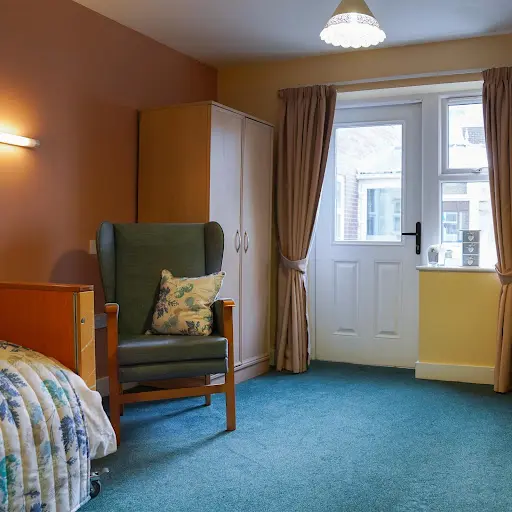
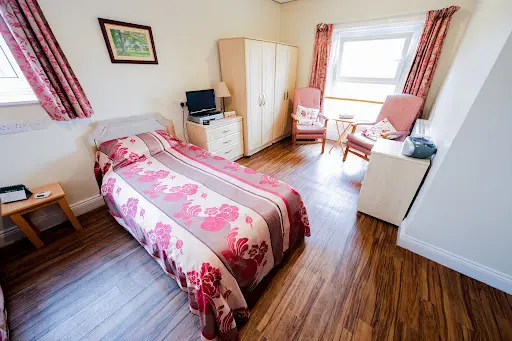
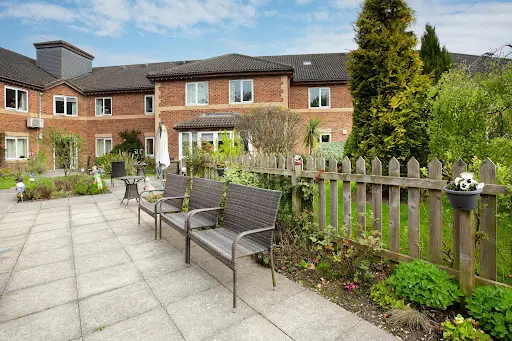
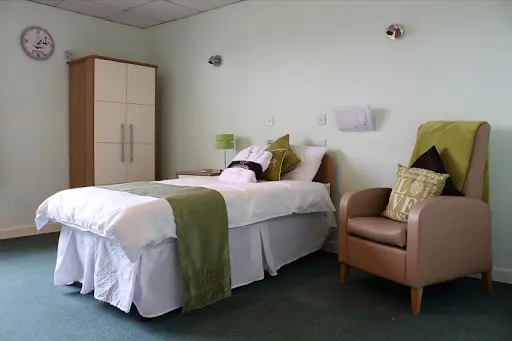
The kitchen team prepares all meals from scratch using fresh ingredients, with homemade cakes and treats regularly on offer. Residents enjoy a programme of activities throughout the week — from quizzes to seasonal crafts — with staff making sure everyone can join in regardless of their abilities.
“If you're weighing up care options in the Houghton Le Spring area, visiting Dairy Lane might help you get a feel for whether this close-knit approach would suit your family.”
DCC does not edit or curate content in this tab. For independently curated information, see The Evidence and DCC Verdict.