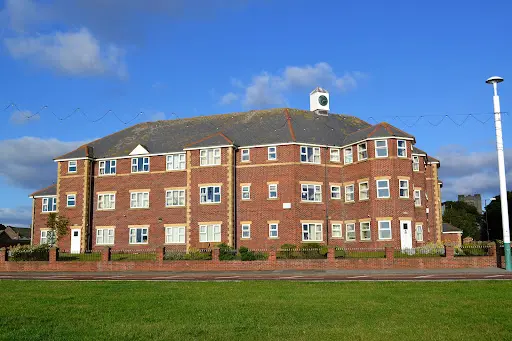
Bede House

At a Glance
The information you need to decide whether this home warrants a closer look.
Nursing homes
Staff warmth score
of reviewers answered yes
Good to know
- Registered beds66
- SpecialismsCaring for adults over 65 yrs, Caring for adults under 65 yrs, Dementia, Mental health conditions, Physical disabilities
- Last inspected2025-09-01
Save Bede House to your shortlist
Keep a running list, add visit notes, and compare homes side-by-side. Free account — it takes a minute.
STAGE 4 — RESEARCHING CARE HOMES
Visit homes. Compare them side by side. Choose with confidence.
Most of us will view care homes the way we view houses, impression, atmosphere, the feeling in the corridor. We go home, try to remember what we saw, and make a permanent decision from a blurred memory.

The DCC shortlist gives every home you visit a structured record: the same twelve questions, answered the same way, every time. When you’re ready to choose, pull any two homes side by side and compare them directly. Same criteria, same evidence, your notes and your scores.
The Evidence
What the review data, the inspection reports, and the dementia-care evidence base tell us about this home.
What families say
Several families have mentioned how their relatives settled in better than expected. People talk about seeing real changes — residents who were withdrawn becoming more engaged, joining in activities they'd previously avoided.
The eight family priority themes
- Staff warmth75
- Compassion & dignity78
- Cleanliness60
- Activities & engagement60
- Food quality50
- Healthcare60
- Management & leadership78
- Resident happiness65
What inspectors found
Inspected 2025-09-01 Report published 2025-09-01
Is this home safe?
Is the care effective?
The Effective domain was rated Good at the September 2025 inspection. Dementia is a registered specialism for this home, and a Good Effective rating requires evidence that staff training meets expected standards, care plans are in place, and healthcare access including GP and specialist input is adequate. No specific detail about training content, care plan review frequency, or healthcare arrangements is available in the published summary.Is this home caring?
The Caring domain was rated Outstanding at the September 2025 inspection. This is the highest possible rating and is awarded only when inspectors find clear, consistent, specific evidence of warmth, dignity, respect, and person-centred practice. Staff warmth accounts for 57.3 per cent of positive themes in our family review data across more than 5,400 UK care homes, making it the single most important factor families mention. No specific observations, staff interactions, or resident testimony are available in the published summary.Is the home responsive?
The Responsive domain was rated Good at the September 2025 inspection. A Good Responsive rating covers activities, individual engagement, responsiveness to complaints, and end-of-life planning. The home's registered specialisms include dementia, mental health conditions, and physical disabilities, meaning the activities programme should be adapted to a range of needs and abilities. No specific detail about activity types, individual engagement, or end-of-life arrangements is available in the published summary.Is the home well-led?
The Well-led domain was rated Outstanding at the September 2025 inspection. The registered manager is named as Mrs Karen Suleiman, and the nominated individual is Mr Devinder Malhotra of Malhotra Care Homes Limited. An Outstanding Well-led rating requires inspectors to find strong governance, a positive staff culture, visible and effective leadership, and systems that drive continuous improvement. No specific detail about management practice, staff culture, or governance systems is available in the published summary.
Source: CQC inspection report →
What the evidence base says
Bede House cares for adults both under and over 65, including those with physical disabilities, mental health conditions, and dementia. The home accepts people living with dementia, supporting your parent alongside people with a range of other care needs. All areas worth probing directly during a visit.
The DCC Verdict
Our editorial view, built from the three lenses: what families tell us, what inspectors record, and how the home sits against good dementia-care practice.
DCC Family Score
Bede House holds an Outstanding overall rating, with particularly strong formal recognition for caring and leadership. However, the published inspection findings provided contain no detailed narrative, quotes, or specific observations, so several scores reflect the rating level rather than verified specific evidence. Scores will be updated when the full report narrative becomes available.
Homes in North East typically score 68–82.The three-lens summary
What families tell us
Several families have mentioned how their relatives settled in better than expected. People talk about seeing real changes — residents who were withdrawn becoming more engaged, joining in activities they'd previously avoided.
What inspectors have recorded
Families say staff are approachable and helpful during visits. They've noticed how staff respond when residents need something, and appreciate being able to talk things through with the team.
How it sits against good practice
It's worth visiting to see how the team works with residents who have different support needs.
Worth a visit
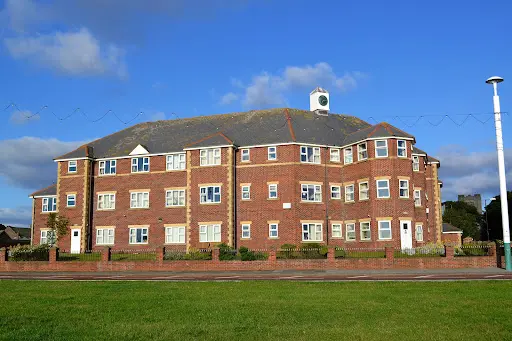
Bede House in Sunderland was rated Outstanding overall at its most recent assessment, carried out on 1 September 2025 and published on 22 October 2025. The home achieved Outstanding ratings in both Caring and Well-led, with Good ratings across Safe, Effective, and Responsive. An Outstanding Caring rating is awarded to fewer than five per cent of care homes in England, and it signals that inspectors found strong, consistent evidence of respectful, person-centred treatment at the time of the visit. The main limitation of this report is that the full narrative inspection text was not available at the time of this Family View. Specific observations, staff quotes, and detailed findings have not yet been published or provided, which means several important questions about daily life cannot be answered from official sources alone. On a visit, focus on the things no inspection can capture at a distance: how staff speak to your parent when they think no one is watching, whether the building feels calm or hurried, what actually appears on the lunch menu, and how many permanent faces you recognise on a second visit compared with the first.
The three questions to ask when you visitSave this home. Compare it against your shortlist.
Let our analysis show you how Bede House measures up against the other homes you’re considering. Free account.
In Their Own Words
How Bede House describes itself — collected from its own website. DCC has not edited or independently verified the content in this tab.
Where staff attentiveness helps residents find their confidence again
Dedicated nursing home Support in Sunderland
Families visiting Bede House in Sunderland often notice something reassuring — staff who genuinely seem to know each resident and what they need. This care home supports people with various needs, from younger adults with physical disabilities to those living with dementia or mental health conditions.
Who they care for
Bede House cares for adults both under and over 65, including those with physical disabilities, mental health conditions, and dementia.
The home accepts people living with dementia, supporting your parent alongside people with a range of other care needs.
“It's worth visiting to see how the team works with residents who have different support needs.”
DCC does not edit or curate content in this tab. For independently curated information, see The Evidence and DCC Verdict.
The DCC Verdict
Our editorial view, built from the three lenses: what families tell us, what inspectors record, and how the home sits against good dementia-care practice.
DCC Family Score
Bede House holds an Outstanding overall rating, with particularly strong formal recognition for caring and leadership. However, the published inspection findings provided contain no detailed narrative, quotes, or specific observations, so several scores reflect the rating level rather than verified specific evidence. Scores will be updated when the full report narrative becomes available.
Homes in North East typically score 68–82.The three-lens summary
What families tell us
Several families have mentioned how their relatives settled in better than expected. People talk about seeing real changes — residents who were withdrawn becoming more engaged, joining in activities they'd previously avoided.
What inspectors have recorded
Families say staff are approachable and helpful during visits. They've noticed how staff respond when residents need something, and appreciate being able to talk things through with the team.
How it sits against good practice
It's worth visiting to see how the team works with residents who have different support needs.
Worth a visit
Bede House in Sunderland was rated Outstanding overall at its most recent assessment, carried out on 1 September 2025 and published on 22 October 2025. The home achieved Outstanding ratings in both Caring and Well-led, with Good ratings across Safe, Effective, and Responsive. An Outstanding Caring rating is awarded to fewer than five per cent of care homes in England, and it signals that inspectors found strong, consistent evidence of respectful, person-centred treatment at the time of the visit. The main limitation of this report is that the full narrative inspection text was not available at the time of this Family View. Specific observations, staff quotes, and detailed findings have not yet been published or provided, which means several important questions about daily life cannot be answered from official sources alone. On a visit, focus on the things no inspection can capture at a distance: how staff speak to your parent when they think no one is watching, whether the building feels calm or hurried, what actually appears on the lunch menu, and how many permanent faces you recognise on a second visit compared with the first.
The three questions to ask when you visitSave this home. Compare it against your shortlist.
Let our analysis show you how Bede House measures up against the other homes you’re considering. Free account.
In Their Own Words
How Bede House describes itself — collected from its own website. DCC has not edited or independently verified the content in this tab.
Where staff attentiveness helps residents find their confidence again
Dedicated nursing home Support in Sunderland
Families visiting Bede House in Sunderland often notice something reassuring — staff who genuinely seem to know each resident and what they need. This care home supports people with various needs, from younger adults with physical disabilities to those living with dementia or mental health conditions.
Who they care for
Bede House cares for adults both under and over 65, including those with physical disabilities, mental health conditions, and dementia.
The home accepts people living with dementia, supporting your parent alongside people with a range of other care needs.
Management & ethos
Families say staff are approachable and helpful during visits. They've noticed how staff respond when residents need something, and appreciate being able to talk things through with the team.
The home & environment
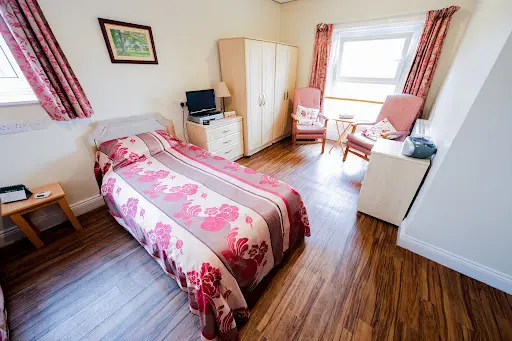
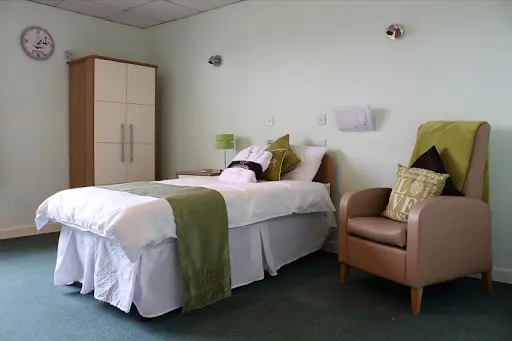
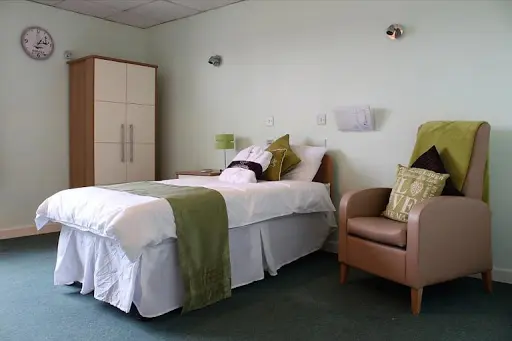
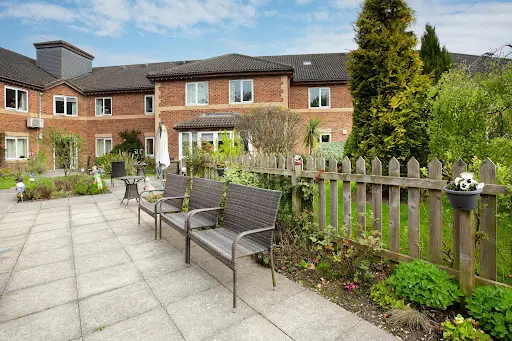
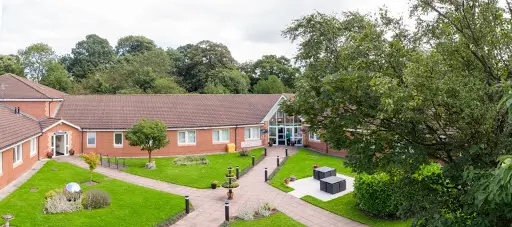
The home keeps things clean and serves food that residents seem to enjoy. There's a programme of activities that gives people something to look forward to each day.
“It's worth visiting to see how the team works with residents who have different support needs.”
DCC does not edit or curate content in this tab. For independently curated information, see The Evidence and DCC Verdict.