Grangewood Care Home – Care UK
At a Glance
The information you need to decide whether this home warrants a closer look.
Residential homes
Staff warmth score
of reviewers answered yes
Good to know
- Registered beds50
- SpecialismsCaring for adults over 65 yrs, Caring for adults under 65 yrs, Dementia, Learning disabilities, Mental health conditions, Physical disabilities
- Last inspected2019-02-21
Save Grangewood Care Home – Care UK to your shortlist
Keep a running list, add visit notes, and compare homes side-by-side. Free account — it takes a minute.
STAGE 4 — RESEARCHING CARE HOMES
Visit homes. Compare them side by side. Choose with confidence.
Most of us will view care homes the way we view houses, impression, atmosphere, the feeling in the corridor. We go home, try to remember what we saw, and make a permanent decision from a blurred memory.

The DCC shortlist gives every home you visit a structured record: the same twelve questions, answered the same way, every time. When you’re ready to choose, pull any two homes side by side and compare them directly. Same criteria, same evidence, your notes and your scores.
The Evidence
What the review data, the inspection reports, and the dementia-care evidence base tell us about this home.
What families say
Families describe how staff take genuine interest in getting to know residents properly. Rather than following rigid schedules, the team adapts to individual routines and preferences. The atmosphere feels relaxed and respectful, with residents treated as people first.
The eight family priority themes
- Staff warmth72
- Compassion & dignity72
- Cleanliness72
- Activities & engagement65
- Food quality65
- Healthcare70
- Management & leadership74
- Resident happiness70
What inspectors found
Inspected 2019-02-21
Is this home safe?
Is the care effective?
The Effective domain was rated Good at the December 2025 inspection. This domain covers training, care planning, healthcare access, nutrition, and how well the home acts on information about residents' needs. No specific examples of care plan content, GP access arrangements, dementia training programmes, or food quality observations are reproduced in the available published text. The home's registration for dementia, learning disabilities, and mental health conditions means effective, specialist practice is particularly important here.Is this home caring?
The Caring domain was rated Good at the December 2025 inspection. This domain covers how staff treat residents, whether dignity and privacy are respected, and whether people are supported to be as independent as possible. No direct inspector observations, resident quotes, or family testimony are reproduced in the available published text. For a home supporting people with dementia and other complex needs, the quality of everyday interactions, how staff speak to residents, whether they knock before entering rooms, whether they move at the resident's pace, is the most important practical question families have.Is the home responsive?
The Responsive domain was rated Good at the December 2025 inspection. This domain covers how well the home tailors its care to individuals, the quality and variety of activities, how complaints are handled, and whether end-of-life care is planned in advance. No specific activity examples, individual engagement observations, or complaint handling evidence are reproduced in the available published text. The home's broad specialism, covering dementia, learning disabilities, mental health, and physical disability, means responsiveness to very different individual needs is a substantial undertaking.Is the home well-led?
The Well-led domain was rated Good at the December 2025 inspection. A named registered manager, Mrs Joleen Rayner, is in post and Ms Rachel Louise Harvey is the nominated individual for the provider, Care UK Community Partnerships Ltd. Care UK is one of the largest care home providers in the UK, which brings both resource advantages and the risk of a corporate rather than local culture. No detail about the manager's tenure, staff feedback mechanisms, governance processes, or how the home responds to concerns is reproduced in the available published text.
Source: CQC inspection report →
What the evidence base says
Grangewood supports adults both under and over 65 with various needs including dementia, learning disabilities, mental health conditions and physical disabilities. The centre's approach to dementia care emphasises understanding each person's unique background and preferences. Activities and daily routines are adapted to provide appropriate mental stimulation while maintaining familiarity and comfort. All areas worth probing directly during a visit.
The DCC Verdict
Our editorial view, built from the three lenses: what families tell us, what inspectors record, and how the home sits against good dementia-care practice.
DCC Family Score
Grangewood Care Centre received a Good rating across all five domains at its December 2025 inspection, which is a positive result, but the published report text contains limited specific observations, quotes, or direct evidence, so scores sit in the confirmed-but-general range rather than the highest band.
Homes in North East typically score 68–82.The three-lens summary
What families tell us
Families describe how staff take genuine interest in getting to know residents properly. Rather than following rigid schedules, the team adapts to individual routines and preferences. The atmosphere feels relaxed and respectful, with residents treated as people first.
What inspectors have recorded
Staff demonstrate consistent attentiveness, taking time to understand what each resident needs and prefers. The team's approach to care feels personal rather than procedural, with genuine regard shown for resident dignity and individuality.
How it sits against good practice
The structured programme of wellness sessions, outings and celebrations helps residents stay engaged with life beyond their immediate surroundings.
Worth a visit
Grangewood Care Centre, on Chester Road in Houghton le Spring, was rated Good across all five inspection domains at its most recent assessment in December 2025, with the report published in February 2026. The home is run by Care UK Community Partnerships Ltd, a large national provider, and has a named registered manager in post. It is registered to support people with dementia, learning disabilities, mental health conditions, and physical disabilities alongside older and younger adults, making it one of the more broadly specialist homes in its area. The main limitation of this report for families is that the published text provides ratings without detailed supporting evidence: no inspector observations, resident quotes, or family testimony are reproduced in the available findings. A Good rating is genuinely meaningful, but to understand what day-to-day life looks like for your parent, you will need to visit in person and ask direct questions. On your visit, pay particular attention to how staff interact with residents in corridors and communal spaces when they think no one is watching, ask to see last week's actual staffing rota rather than a template, and find out what one-to-one support is available for residents who cannot join group activities.
The three questions to ask when you visitSave this home. Compare it against your shortlist.
Let our analysis show you how Grangewood Care Home – Care UK measures up against the other homes you’re considering. Free account.
In Their Own Words
How Grangewood Care Home – Care UK describes itself — collected from its own website. DCC has not edited or independently verified the content in this tab.
Where individual preferences shape every aspect of daily care
Residential home in Houghton Le Spring: True Peace of Mind
Finding the right care setting means looking for somewhere that truly sees your loved one as a person, not just another resident. Grangewood Care Centre in Houghton Le Spring focuses on understanding what makes each person tick — their routines, their preferences, their unique needs. This approach to individualised care extends across everything they do, from daily activities to mealtimes.
Who they care for
Grangewood supports adults both under and over 65 with various needs including dementia, learning disabilities, mental health conditions and physical disabilities.
The centre's approach to dementia care emphasises understanding each person's unique background and preferences. Activities and daily routines are adapted to provide appropriate mental stimulation while maintaining familiarity and comfort.
“The structured programme of wellness sessions, outings and celebrations helps residents stay engaged with life beyond their immediate surroundings.”
DCC does not edit or curate content in this tab. For independently curated information, see The Evidence and DCC Verdict.
The DCC Verdict
Our editorial view, built from the three lenses: what families tell us, what inspectors record, and how the home sits against good dementia-care practice.
DCC Family Score
Grangewood Care Centre received a Good rating across all five domains at its December 2025 inspection, which is a positive result, but the published report text contains limited specific observations, quotes, or direct evidence, so scores sit in the confirmed-but-general range rather than the highest band.
Homes in North East typically score 68–82.The three-lens summary
What families tell us
Families describe how staff take genuine interest in getting to know residents properly. Rather than following rigid schedules, the team adapts to individual routines and preferences. The atmosphere feels relaxed and respectful, with residents treated as people first.
What inspectors have recorded
Staff demonstrate consistent attentiveness, taking time to understand what each resident needs and prefers. The team's approach to care feels personal rather than procedural, with genuine regard shown for resident dignity and individuality.
How it sits against good practice
The structured programme of wellness sessions, outings and celebrations helps residents stay engaged with life beyond their immediate surroundings.
Worth a visit
Grangewood Care Centre, on Chester Road in Houghton le Spring, was rated Good across all five inspection domains at its most recent assessment in December 2025, with the report published in February 2026. The home is run by Care UK Community Partnerships Ltd, a large national provider, and has a named registered manager in post. It is registered to support people with dementia, learning disabilities, mental health conditions, and physical disabilities alongside older and younger adults, making it one of the more broadly specialist homes in its area. The main limitation of this report for families is that the published text provides ratings without detailed supporting evidence: no inspector observations, resident quotes, or family testimony are reproduced in the available findings. A Good rating is genuinely meaningful, but to understand what day-to-day life looks like for your parent, you will need to visit in person and ask direct questions. On your visit, pay particular attention to how staff interact with residents in corridors and communal spaces when they think no one is watching, ask to see last week's actual staffing rota rather than a template, and find out what one-to-one support is available for residents who cannot join group activities.
The three questions to ask when you visitSave this home. Compare it against your shortlist.
Let our analysis show you how Grangewood Care Home – Care UK measures up against the other homes you’re considering. Free account.
In Their Own Words
How Grangewood Care Home – Care UK describes itself — collected from its own website. DCC has not edited or independently verified the content in this tab.
Where individual preferences shape every aspect of daily care
Residential home in Houghton Le Spring: True Peace of Mind
Finding the right care setting means looking for somewhere that truly sees your loved one as a person, not just another resident. Grangewood Care Centre in Houghton Le Spring focuses on understanding what makes each person tick — their routines, their preferences, their unique needs. This approach to individualised care extends across everything they do, from daily activities to mealtimes.
Who they care for
Grangewood supports adults both under and over 65 with various needs including dementia, learning disabilities, mental health conditions and physical disabilities.
The centre's approach to dementia care emphasises understanding each person's unique background and preferences. Activities and daily routines are adapted to provide appropriate mental stimulation while maintaining familiarity and comfort.
Management & ethos
Staff demonstrate consistent attentiveness, taking time to understand what each resident needs and prefers. The team's approach to care feels personal rather than procedural, with genuine regard shown for resident dignity and individuality.
The home & environment
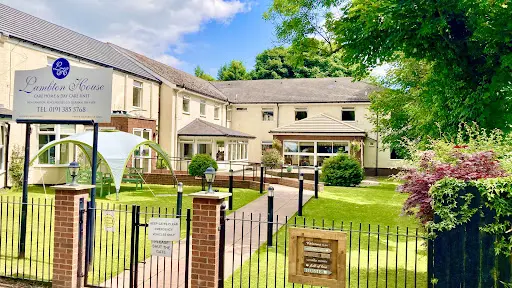
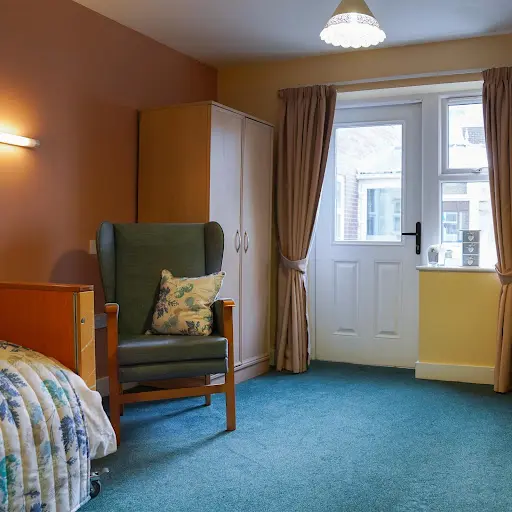
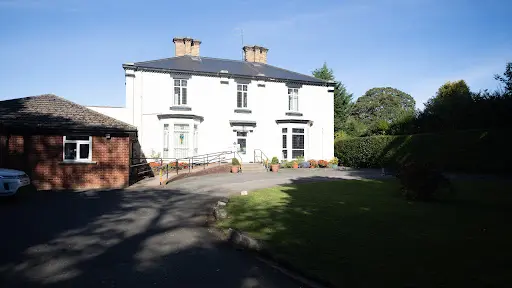
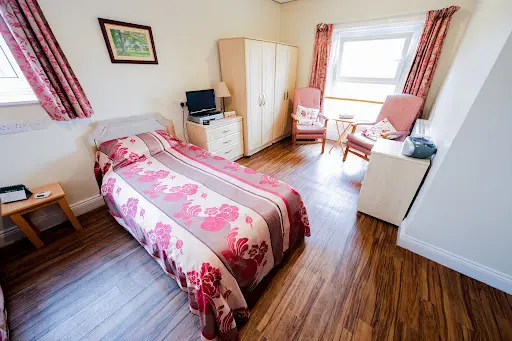
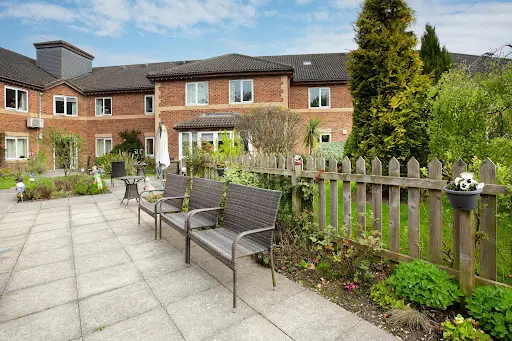
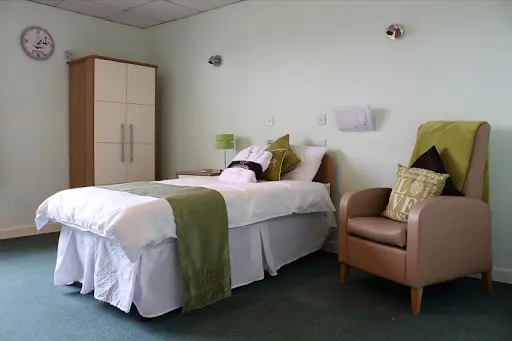
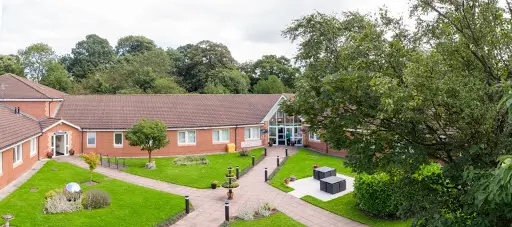
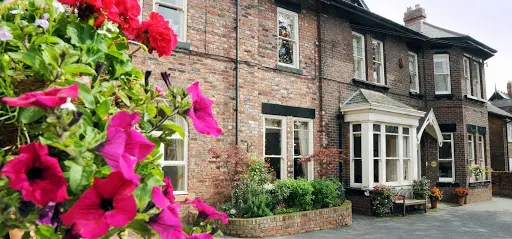
The centre maintains bright, clean spaces throughout, with accessible outdoor areas for those who enjoy fresh air. Meals cater to different tastes and dietary needs — there's flexibility around food preferences rather than a one-size-fits-all menu approach.
“The structured programme of wellness sessions, outings and celebrations helps residents stay engaged with life beyond their immediate surroundings.”
DCC does not edit or curate content in this tab. For independently curated information, see The Evidence and DCC Verdict.