The White House (Curdridge) Ltd
At a Glance
The information you need to decide whether this home warrants a closer look.
Residential homes
Staff warmth score
of reviewers answered yes
Good to know
- Registered beds46
- SpecialismsCaring for adults over 65 yrs, Caring for adults under 65 yrs, Dementia, Mental health conditions
- Last inspected2020-05-02
Save The White House (Curdridge) Ltd to your shortlist
Keep a running list, add visit notes, and compare homes side-by-side. Free account — it takes a minute.
STAGE 4 — RESEARCHING CARE HOMES
Visit homes. Compare them side by side. Choose with confidence.
Most of us will view care homes the way we view houses, impression, atmosphere, the feeling in the corridor. We go home, try to remember what we saw, and make a permanent decision from a blurred memory.

The DCC shortlist gives every home you visit a structured record: the same twelve questions, answered the same way, every time. When you’re ready to choose, pull any two homes side by side and compare them directly. Same criteria, same evidence, your notes and your scores.
The Evidence
What the review data, the inspection reports, and the dementia-care evidence base tell us about this home.
What families say
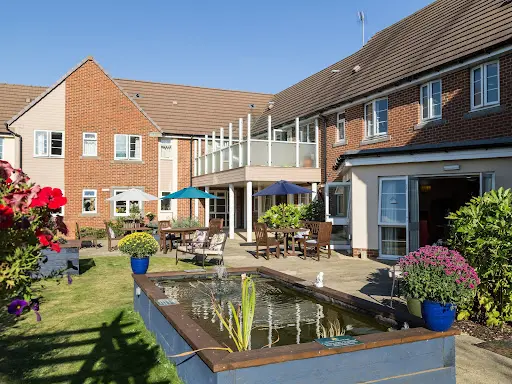
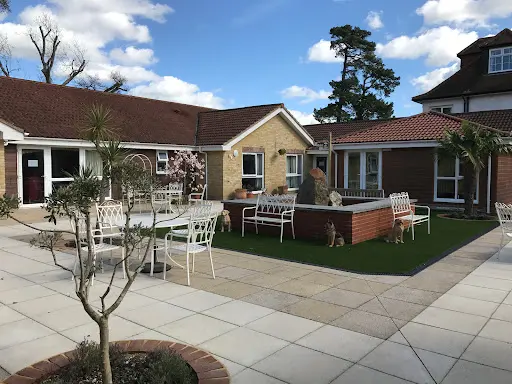
Residents here find more than just care routines. There's a rhythm to the days with structured activities, time with animals in the gardens, and communal spaces designed for connection. The team takes time to learn what makes each person comfortable, responding to personality rather than just following care plans.
The eight family priority themes
- Staff warmth85
- Compassion & dignity88
- Cleanliness70
- Activities & engagement72
- Food quality68
- Healthcare82
- Management & leadership72
- Resident happiness78
What inspectors found
Inspected 2020-05-02
Is this home safe?
Is the care effective?
The Effective domain was rated Outstanding at the February 2020 inspection. This is the highest possible rating and requires inspectors to find specific, direct evidence that staff have the knowledge, skills, and tools to achieve the best possible outcomes for the people in their care. For a home specialising in dementia and mental health conditions, this means inspectors were satisfied that care plans were detailed and personalised, that staff understood dementia and how to communicate effectively with people at different stages, and that healthcare needs including GP access and health monitoring were well managed. The published report does not reproduce the specific examples inspectors used to justify this rating.Is this home caring?
The Caring domain was rated Outstanding at the February 2020 inspection. To achieve this rating, inspectors must find direct observational evidence that staff treat people with genuine compassion, respect their privacy and dignity, support their independence, and know them as individuals. This is the domain most closely aligned with what families describe as the feel of a home. The published report does not reproduce specific observations or quotes from residents or relatives, but the Outstanding rating indicates the evidence inspectors gathered was both strong and specific.Is the home responsive?
The Responsive domain was rated Good at the February 2020 inspection. This means inspectors were satisfied that the home tailors its care to individual needs and preferences, that people can raise concerns and have them addressed, and that activities and daily life reflect what matters to the people living there. The home lists dementia, mental health conditions, and care for both over and under 65s as specialisms, which suggests a diverse resident group with varied needs. No specific detail about activities, activity staffing, or how individual preferences are recorded is reproduced in the published report.Is the home well-led?
The Well-led domain was rated Good at the February 2020 inspection. The registered manager is named as Miss Emma Hampton, and the nominated individual is Ms Julie Harrison. A Good Well-led rating means inspectors found evidence of a manager who is present and known to staff and residents, a culture in which staff feel able to raise concerns, and governance systems that identify and act on problems. The published report does not record how long the manager has been in post, what governance tools are used, or how staff describe the culture of the home.
Source: CQC inspection report →
What the evidence base says
The home cares for adults both under and over 65 with dementia and mental health conditions. This mix means the team works with varying stages and types of cognitive change. Staff show practical understanding of dementia's daily challenges, from managing medications to preventing common complications. They maintain close contact with families throughout care changes, recognising how important that continuity is when memory fades. All areas worth probing directly during a visit.
The DCC Verdict
Our editorial view, built from the three lenses: what families tell us, what inspectors record, and how the home sits against good dementia-care practice.
DCC Family Score
The White House (Curdridge) achieved an Outstanding overall rating, with particularly strong evidence of kind, respectful care and effective practice. Some themes score lower because the published inspection report contains limited specific detail beyond the domain ratings themselves.
Homes in South East typically score 68–82.The three-lens summary
What families tell us
Residents here find more than just care routines. There's a rhythm to the days with structured activities, time with animals in the gardens, and communal spaces designed for connection. The team takes time to learn what makes each person comfortable, responding to personality rather than just following care plans.
What inspectors have recorded
Communication stands out here, with families reporting they can reach staff at any hour when needed. The team demonstrates practical knowledge about managing dementia-related health issues, from medication adjustments to coordinating with hospitals during acute episodes. That said, there has been a serious concern raised about clinical oversight during one resident's stay, where preventable complications weren't caught in time.
How it sits against good practice
Every family's experience shapes their view of care, and visiting helps you understand whether this approach fits your loved one's needs.
Worth a visit
The White House (Curdridge) in Vicarage Lane, Southampton was rated Outstanding at its most recent inspection in February 2020, having improved from a previous Good rating. This places it among a small minority of UK care homes to reach the highest possible rating. Inspectors rated the Effective and Caring domains as Outstanding, meaning they found specific, direct evidence that staff had strong skills and knowledge, and that the people living here were treated with genuine respect and warmth. The Safe, Responsive, and Well-led domains were all rated Good, confirming a home that is safe, has a functioning management structure, and responds to individual needs. The main limitation of this report is that the published text is short and contains very little specific detail about daily life, staffing numbers, food, activities, or family involvement. The inspection itself took place in February 2020, which means the findings are now over five years old. A lot can change in a care home over that time, including management, staffing, and culture. On your visit, ask to meet the registered manager, Miss Emma Hampton, and ask how long the core staff team has been in place. Request to see an actual staffing rota from the past week, observe a mealtime, and walk through the dementia unit at a time when activities are running. The Outstanding rating is a meaningful signal, but it describes a moment in 2020, not necessarily today.
The three questions to ask when you visitSave this home. Compare it against your shortlist.
Let our analysis show you how The White House (Curdridge) Ltd measures up against the other homes you’re considering. Free account.
In Their Own Words
How The White House (Curdridge) Ltd describes itself — collected from its own website. DCC has not edited or independently verified the content in this tab.
Where dementia understanding meets dedicated family communication
Residential home in Southampton: True Peace of Mind
Finding the right dementia care often means looking beyond facilities to the quality of daily interactions. The White House in Curdridge, near Southampton, focuses on knowing each resident as an individual — their medications, their preferences, their unique needs. Families describe staff who stay connected even during hospital visits, maintaining that crucial thread of familiarity.
Who they care for
The home cares for adults both under and over 65 with dementia and mental health conditions. This mix means the team works with varying stages and types of cognitive change.
Staff show practical understanding of dementia's daily challenges, from managing medications to preventing common complications. They maintain close contact with families throughout care changes, recognising how important that continuity is when memory fades.
“Every family's experience shapes their view of care, and visiting helps you understand whether this approach fits your loved one's needs.”
DCC does not edit or curate content in this tab. For independently curated information, see The Evidence and DCC Verdict.
The DCC Verdict
Our editorial view, built from the three lenses: what families tell us, what inspectors record, and how the home sits against good dementia-care practice.
DCC Family Score
The White House (Curdridge) achieved an Outstanding overall rating, with particularly strong evidence of kind, respectful care and effective practice. Some themes score lower because the published inspection report contains limited specific detail beyond the domain ratings themselves.
Homes in South East typically score 68–82.The three-lens summary
What families tell us
Residents here find more than just care routines. There's a rhythm to the days with structured activities, time with animals in the gardens, and communal spaces designed for connection. The team takes time to learn what makes each person comfortable, responding to personality rather than just following care plans.
What inspectors have recorded
Communication stands out here, with families reporting they can reach staff at any hour when needed. The team demonstrates practical knowledge about managing dementia-related health issues, from medication adjustments to coordinating with hospitals during acute episodes. That said, there has been a serious concern raised about clinical oversight during one resident's stay, where preventable complications weren't caught in time.
How it sits against good practice
Every family's experience shapes their view of care, and visiting helps you understand whether this approach fits your loved one's needs.
Worth a visit
The White House (Curdridge) in Vicarage Lane, Southampton was rated Outstanding at its most recent inspection in February 2020, having improved from a previous Good rating. This places it among a small minority of UK care homes to reach the highest possible rating. Inspectors rated the Effective and Caring domains as Outstanding, meaning they found specific, direct evidence that staff had strong skills and knowledge, and that the people living here were treated with genuine respect and warmth. The Safe, Responsive, and Well-led domains were all rated Good, confirming a home that is safe, has a functioning management structure, and responds to individual needs. The main limitation of this report is that the published text is short and contains very little specific detail about daily life, staffing numbers, food, activities, or family involvement. The inspection itself took place in February 2020, which means the findings are now over five years old. A lot can change in a care home over that time, including management, staffing, and culture. On your visit, ask to meet the registered manager, Miss Emma Hampton, and ask how long the core staff team has been in place. Request to see an actual staffing rota from the past week, observe a mealtime, and walk through the dementia unit at a time when activities are running. The Outstanding rating is a meaningful signal, but it describes a moment in 2020, not necessarily today.
The three questions to ask when you visitSave this home. Compare it against your shortlist.
Let our analysis show you how The White House (Curdridge) Ltd measures up against the other homes you’re considering. Free account.
In Their Own Words
How The White House (Curdridge) Ltd describes itself — collected from its own website. DCC has not edited or independently verified the content in this tab.
Where dementia understanding meets dedicated family communication
Residential home in Southampton: True Peace of Mind
Finding the right dementia care often means looking beyond facilities to the quality of daily interactions. The White House in Curdridge, near Southampton, focuses on knowing each resident as an individual — their medications, their preferences, their unique needs. Families describe staff who stay connected even during hospital visits, maintaining that crucial thread of familiarity.
Who they care for
The home cares for adults both under and over 65 with dementia and mental health conditions. This mix means the team works with varying stages and types of cognitive change.
Staff show practical understanding of dementia's daily challenges, from managing medications to preventing common complications. They maintain close contact with families throughout care changes, recognising how important that continuity is when memory fades.
Management & ethos
Communication stands out here, with families reporting they can reach staff at any hour when needed. The team demonstrates practical knowledge about managing dementia-related health issues, from medication adjustments to coordinating with hospitals during acute episodes. That said, there has been a serious concern raised about clinical oversight during one resident's stay, where preventable complications weren't caught in time.
The home & environment
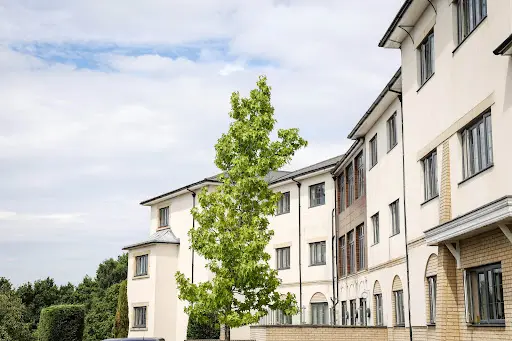
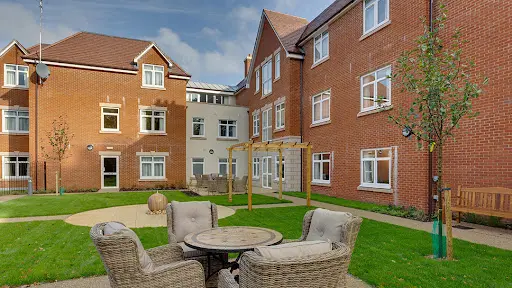
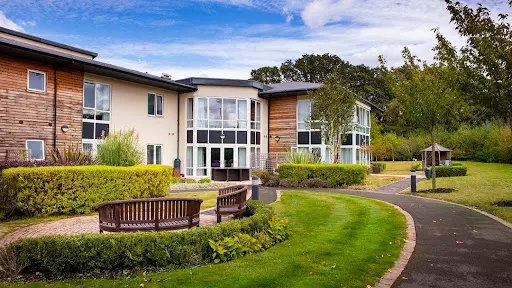
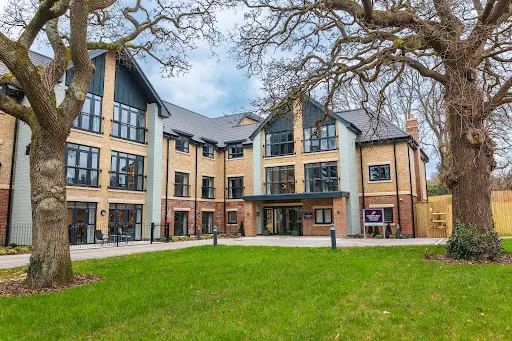
The home includes gardens where residents can spend time outdoors, and there's even an on-site pub that forms part of the social activities. These spaces create opportunities for stimulation and engagement throughout the day, giving residents variety in their environment.
“Every family's experience shapes their view of care, and visiting helps you understand whether this approach fits your loved one's needs.”
DCC does not edit or curate content in this tab. For independently curated information, see The Evidence and DCC Verdict.