Bourley Grange Care Home – Care UK
At a Glance
The information you need to decide whether this home warrants a closer look.
Nursing homes
Staff warmth score
of reviewers answered yes
Good to know
- Registered beds60
- SpecialismsCaring for adults over 65 yrs, Caring for adults under 65 yrs, Dementia
- Last inspected2021-07-23
Save Bourley Grange Care Home – Care UK to your shortlist
Keep a running list, add visit notes, and compare homes side-by-side. Free account — it takes a minute.
STAGE 4 — RESEARCHING CARE HOMES
Visit homes. Compare them side by side. Choose with confidence.
Most of us will view care homes the way we view houses, impression, atmosphere, the feeling in the corridor. We go home, try to remember what we saw, and make a permanent decision from a blurred memory.

The DCC shortlist gives every home you visit a structured record: the same twelve questions, answered the same way, every time. When you’re ready to choose, pull any two homes side by side and compare them directly. Same criteria, same evidence, your notes and your scores.
The Evidence
What the review data, the inspection reports, and the dementia-care evidence base tell us about this home.
What families say
Families notice how staff learn what makes each resident tick — their preferred pace, their interests, their worries. There's a real focus on dignity in daily routines, with staff taking time to ensure people feel comfortable and respected. The difference shows in residents' faces: people who arrived anxious or withdrawn often become the ones organising activities and chatting with visitors within weeks.
The eight family priority themes
- Staff warmth72
- Compassion & dignity72
- Cleanliness70
- Activities & engagement68
- Food quality68
- Healthcare70
- Management & leadership72
- Resident happiness70
What inspectors found
Inspected 2021-07-23
Is this home safe?
Is the care effective?
Bourley Grange was rated Good for effectiveness at the October 2025 inspection. The home holds a nursing registration and lists dementia as a declared specialism, which sets an expectation for staff training and care planning quality. The published report provides no specific detail about how care plans are written or reviewed, what dementia training staff receive, how GP access is arranged, or how food and nutrition needs are managed. No concerns were raised in this domain.Is this home caring?
Bourley Grange was rated Good for caring at the October 2025 inspection. No concerns about dignity, respect, or staff kindness were identified. The published report contains no inspector observations about how staff speak to residents, whether people are addressed by preferred names, or how staff respond when a resident is distressed. No quotes from residents or relatives are included in the available text.Is the home responsive?
Bourley Grange was rated Good for responsiveness at the October 2025 inspection. The home lists dementia as a specialism and provides both nursing and personal care. The published report does not describe the activities programme, how individual preferences are captured, what provision exists for residents who cannot join group activities, or how the home handles complaints and end-of-life care. No concerns were raised under this domain.Is the home well-led?
Bourley Grange was rated Good for leadership at the October 2025 inspection. Ms Racquel Merdegia is named as the Registered Manager and Ms Rachel Louise Harvey as the Nominated Individual, indicating a defined leadership structure. The home is operated by WT UK Opco 4 Limited. The published report does not include detail about the manager's tenure, visibility on the floor, staff culture, how concerns are escalated, or governance arrangements. No concerns were raised under this domain.
Source: CQC inspection report →
What the evidence base says
Bourley Grange cares for adults both under and over 65, including those living with dementia. The home's approach centres on maintaining each person's independence while providing the right level of support. For residents with dementia, staff focus on maintaining familiar routines and encouraging participation in activities that feel natural and enjoyable. The home's busy social calendar helps people stay engaged without feeling overwhelmed. All areas worth probing directly during a visit.
The DCC Verdict
Our editorial view, built from the three lenses: what families tell us, what inspectors record, and how the home sits against good dementia-care practice.
DCC Family Score
Bourley Grange was rated Good across all five inspection domains at its most recent assessment in October 2025. However, the published report text contains very little specific detail, so scores reflect confirmed Good ratings rather than rich observational evidence.
Homes in South East typically score 68–82.The three-lens summary
What families tell us
Families notice how staff learn what makes each resident tick — their preferred pace, their interests, their worries. There's a real focus on dignity in daily routines, with staff taking time to ensure people feel comfortable and respected. The difference shows in residents' faces: people who arrived anxious or withdrawn often become the ones organising activities and chatting with visitors within weeks.
What inspectors have recorded
The management team keeps families genuinely involved through weekly updates that go beyond basic health reports. When concerns arise — like one resident who sometimes felt rushed during morning routines — staff work directly with families to adjust their approach. This collaborative style means distant relatives feel as connected as those who visit daily.
How it sits against good practice
What stands out at Bourley Grange is how naturally residents seem to flourish once they've settled in.
Worth a visit
Bourley Grange, a 60-bed nursing home in Fleet specialising in dementia care, was rated Good across all five inspection domains at its most recent assessment in October 2025, with the report published in January 2026. The home is registered to provide nursing care as well as personal care, a named Registered Manager is in post, and dementia is a declared specialism. These are positive foundations, and a Good rating across the board is a meaningful benchmark. The main uncertainty here is straightforward: the published inspection report contains very little specific detail. There are no inspector observations about staff interactions, no quotes from residents or relatives, no description of the environment, and no data on staffing ratios or activities. A Good rating matters, but it tells you little about what daily life actually looks and feels like for your parent. Before you decide, visit in person, ask to see last week's actual staffing rota (not a template), and spend time watching how staff speak to and move around the people who live there. Ask specifically about night staffing numbers on the dementia unit and how often families are updated when something changes.
The three questions to ask when you visitSave this home. Compare it against your shortlist.
Let our analysis show you how Bourley Grange Care Home – Care UK measures up against the other homes you’re considering. Free account.
In Their Own Words
How Bourley Grange Care Home – Care UK describes itself — collected from its own website. DCC has not edited or independently verified the content in this tab.
Where residents rediscover their spark through patient, personalised care
Dedicated nursing home Support in Fleet
When families describe the transformation they've witnessed at Bourley Grange in Fleet, they talk about residents who've gone from withdrawn to engaged, anxious to confident. This South East care home has built its reputation on understanding each person's rhythm and needs, then gently helping them find their place in a busy, connected community.
Who they care for
Bourley Grange cares for adults both under and over 65, including those living with dementia. The home's approach centres on maintaining each person's independence while providing the right level of support.
For residents with dementia, staff focus on maintaining familiar routines and encouraging participation in activities that feel natural and enjoyable. The home's busy social calendar helps people stay engaged without feeling overwhelmed.
“What stands out at Bourley Grange is how naturally residents seem to flourish once they've settled in.”
DCC does not edit or curate content in this tab. For independently curated information, see The Evidence and DCC Verdict.
The DCC Verdict
Our editorial view, built from the three lenses: what families tell us, what inspectors record, and how the home sits against good dementia-care practice.
DCC Family Score
Bourley Grange was rated Good across all five inspection domains at its most recent assessment in October 2025. However, the published report text contains very little specific detail, so scores reflect confirmed Good ratings rather than rich observational evidence.
Homes in South East typically score 68–82.The three-lens summary
What families tell us
Families notice how staff learn what makes each resident tick — their preferred pace, their interests, their worries. There's a real focus on dignity in daily routines, with staff taking time to ensure people feel comfortable and respected. The difference shows in residents' faces: people who arrived anxious or withdrawn often become the ones organising activities and chatting with visitors within weeks.
What inspectors have recorded
The management team keeps families genuinely involved through weekly updates that go beyond basic health reports. When concerns arise — like one resident who sometimes felt rushed during morning routines — staff work directly with families to adjust their approach. This collaborative style means distant relatives feel as connected as those who visit daily.
How it sits against good practice
What stands out at Bourley Grange is how naturally residents seem to flourish once they've settled in.
Worth a visit
Bourley Grange, a 60-bed nursing home in Fleet specialising in dementia care, was rated Good across all five inspection domains at its most recent assessment in October 2025, with the report published in January 2026. The home is registered to provide nursing care as well as personal care, a named Registered Manager is in post, and dementia is a declared specialism. These are positive foundations, and a Good rating across the board is a meaningful benchmark. The main uncertainty here is straightforward: the published inspection report contains very little specific detail. There are no inspector observations about staff interactions, no quotes from residents or relatives, no description of the environment, and no data on staffing ratios or activities. A Good rating matters, but it tells you little about what daily life actually looks and feels like for your parent. Before you decide, visit in person, ask to see last week's actual staffing rota (not a template), and spend time watching how staff speak to and move around the people who live there. Ask specifically about night staffing numbers on the dementia unit and how often families are updated when something changes.
The three questions to ask when you visitSave this home. Compare it against your shortlist.
Let our analysis show you how Bourley Grange Care Home – Care UK measures up against the other homes you’re considering. Free account.
In Their Own Words
How Bourley Grange Care Home – Care UK describes itself — collected from its own website. DCC has not edited or independently verified the content in this tab.
Where residents rediscover their spark through patient, personalised care
Dedicated nursing home Support in Fleet
When families describe the transformation they've witnessed at Bourley Grange in Fleet, they talk about residents who've gone from withdrawn to engaged, anxious to confident. This South East care home has built its reputation on understanding each person's rhythm and needs, then gently helping them find their place in a busy, connected community.
Who they care for
Bourley Grange cares for adults both under and over 65, including those living with dementia. The home's approach centres on maintaining each person's independence while providing the right level of support.
For residents with dementia, staff focus on maintaining familiar routines and encouraging participation in activities that feel natural and enjoyable. The home's busy social calendar helps people stay engaged without feeling overwhelmed.
Management & ethos
The management team keeps families genuinely involved through weekly updates that go beyond basic health reports. When concerns arise — like one resident who sometimes felt rushed during morning routines — staff work directly with families to adjust their approach. This collaborative style means distant relatives feel as connected as those who visit daily.
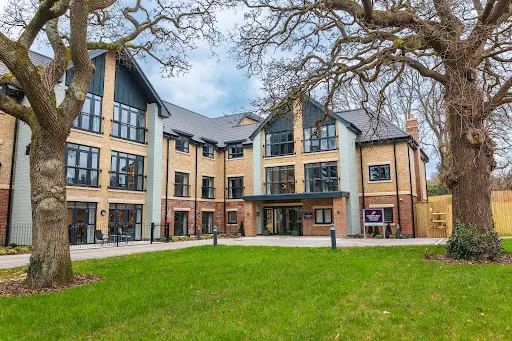
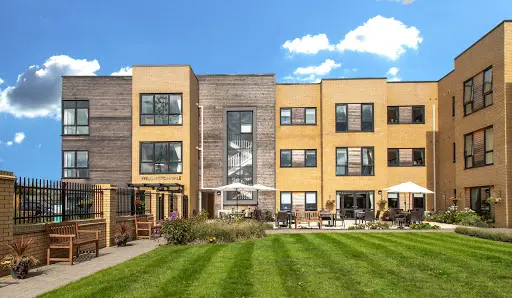
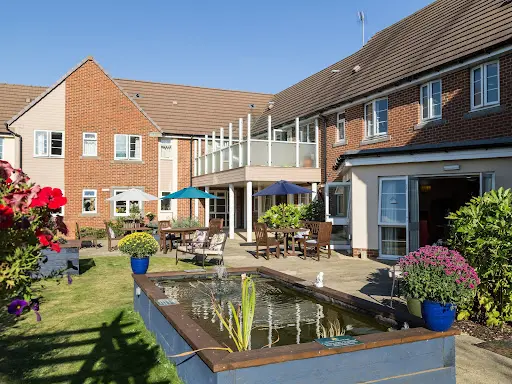
The home & environment
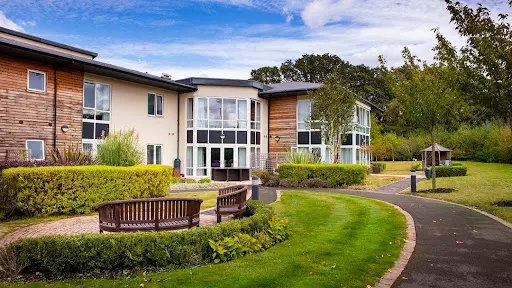
Mealtimes have become a highlight for many residents, with families reporting improved appetites and genuine enjoyment of food choices. The home keeps everything spotlessly clean while maintaining a comfortable, lived-in feel across spacious communal areas. Regular outings mean residents stay connected to the wider Fleet community, whether that's shopping trips or attending local events.
“What stands out at Bourley Grange is how naturally residents seem to flourish once they've settled in.”
DCC does not edit or curate content in this tab. For independently curated information, see The Evidence and DCC Verdict.