Barchester – Shawford Springs Care Home
At a Glance
The information you need to decide whether this home warrants a closer look.
Residential homes
Staff warmth score
of reviewers answered yes
Good to know
- Registered beds64
- SpecialismsCaring for adults over 65 yrs, Caring for adults under 65 yrs, Dementia
- Last inspected2025-05-14
Save Barchester – Shawford Springs Care Home to your shortlist
Keep a running list, add visit notes, and compare homes side-by-side. Free account — it takes a minute.
STAGE 4 — RESEARCHING CARE HOMES
Visit homes. Compare them side by side. Choose with confidence.
Most of us will view care homes the way we view houses, impression, atmosphere, the feeling in the corridor. We go home, try to remember what we saw, and make a permanent decision from a blurred memory.

The DCC shortlist gives every home you visit a structured record: the same twelve questions, answered the same way, every time. When you’re ready to choose, pull any two homes side by side and compare them directly. Same criteria, same evidence, your notes and your scores.
The Evidence
What the review data, the inspection reports, and the dementia-care evidence base tell us about this home.
What families say
Visitors consistently describe feeling welcomed from the moment they arrive. The staff take time to chat, answer questions, and show people around without rushing. There's a relaxed atmosphere that puts families at ease during what can be anxious visits. The care team seems to understand that small gestures of kindness matter.
The eight family priority themes
- Staff warmth55
- Compassion & dignity55
- Cleanliness60
- Activities & engagement50
- Food quality50
- Healthcare55
- Management & leadership65
- Resident happiness55
What inspectors found
Inspected 2025-05-14 Report published 2025-05-14
Is this home safe?
Is the care effective?
The Effective domain was rated Good at the May 2025 inspection. This domain covers training, care planning, healthcare access, nutrition, and whether the home works well with GPs and other professionals. Dementia is listed as a specialism, which means the home is expected to demonstrate specific competence in dementia care. The published report does not include detail about training content, care plan quality, GP access arrangements, or food provision.Is this home caring?
The Caring domain was rated Good at the May 2025 inspection. This domain covers staff warmth, dignity, respect, and whether people are supported to be as independent as possible. The published report does not include specific observations of staff interactions, resident testimony, or examples of how dignity is protected in practice. A Good rating indicates inspectors were satisfied, but families should look for these things themselves on a visit.Is the home responsive?
The Responsive domain was rated Good at the May 2025 inspection. This domain covers activities and engagement, how well the home responds to individual preferences, complaints handling, and end-of-life care planning. The published report does not include detail about the activities programme, how activities are tailored for people who cannot join groups, or how individual preferences are identified and acted on.Is the home well-led?
The Well-led domain was rated Good at the May 2025 inspection. The home has a named registered manager, Mrs Cassie Mary Munnoch, and a nominated individual, Mr Dominic Jude Kay, both recorded with the regulator. The home is operated by Barchester Healthcare Homes Limited, a large national provider. The published report does not include detail about management visibility, staff culture, governance processes, or how the home handles complaints and feedback.
Source: CQC inspection report →
What the evidence base says
Shawford Springs provides residential care for adults over 65, with experience supporting people living with dementia. The home also cares for younger adults who need residential support. Shawford Springs welcomes people living with dementia, with staff who understand the importance of routine and familiarity. The team encourages the people who live here to stay engaged with activities they enjoy, adapting support as needs change. All areas worth probing directly during a visit.
The DCC Verdict
Our editorial view, built from the three lenses: what families tell us, what inspectors record, and how the home sits against good dementia-care practice.
DCC Family Score
Shawford Springs received a Good rating across all five inspection domains in May 2025, which is a positive baseline. However, the published inspection text contains almost no specific observations, quotes, or detail, so the family score reflects the rating itself rather than rich supporting evidence. Families should treat this score as a starting point and gather their own evidence on a visit.
Homes in South East typically score 68–82.The three-lens summary
What families tell us
Visitors consistently describe feeling welcomed from the moment they arrive. The staff take time to chat, answer questions, and show people around without rushing. There's a relaxed atmosphere that puts families at ease during what can be anxious visits. The care team seems to understand that small gestures of kindness matter.
What inspectors have recorded
The team here seems to get the balance right between professional standards and personal warmth. They keep families in the loop about their loved ones and respond helpfully to questions or concerns. Staff clearly enjoy their work, which shows in how they interact with residents and visitors. There's good continuity in the team, with familiar faces providing consistent care.
How it sits against good practice
If you're looking for care near Winchester, it's worth arranging a visit to see if Shawford Springs feels right for your family.
Worth a visit
Shawford Springs Care Home on Otterbourne Road, Winchester, was assessed in May 2025 and rated Good across all five inspection domains: Safe, Effective, Caring, Responsive, and Well-led. The home is run by Barchester Healthcare Homes Limited and has a named registered manager in post. It is registered to care for 64 people, including adults living with dementia and adults under 65, which means it has a broad remit and is expected to demonstrate specialism in dementia support. The main limitation of this report is that the published inspection text contains almost no specific findings, observations, resident quotes, or staff testimony beyond the domain ratings themselves. A Good rating is genuinely meaningful, but without knowing what inspectors actually saw, families cannot yet assess whether this home is the right fit for their parent's particular needs. The most important thing you can do is arrange a visit, ask to walk the dementia unit at a quieter time of day, request the full inspection report once published in greater detail, and ask the manager directly about night staffing ratios, agency use, dementia training content, and how families are kept informed day to day.
The three questions to ask when you visitSave this home. Compare it against your shortlist.
Let our analysis show you how Barchester – Shawford Springs Care Home measures up against the other homes you’re considering. Free account.
In Their Own Words
How Barchester – Shawford Springs Care Home describes itself — collected from its own website. DCC has not edited or independently verified the content in this tab.
Where thoughtful care meets village charm near Winchester
Dedicated residential home Support in Winchester
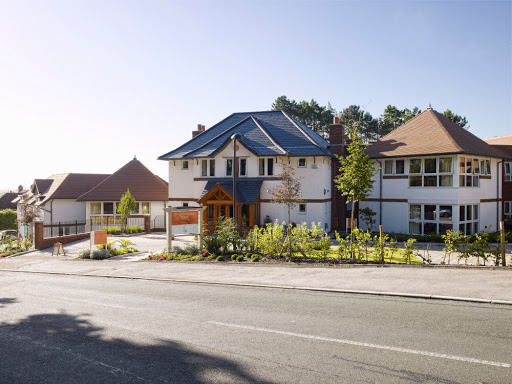
Tucked into the countryside just outside Winchester, Shawford Springs Care Home brings together professional care with the warmth of village life. The home opens its doors to the community while creating a welcoming space for residents who need support with daily living. Families often mention feeling reassured by the genuine friendliness they encounter from the first visit.
Who they care for
Shawford Springs provides residential care for adults over 65, with experience supporting people living with dementia. The home also cares for younger adults who need residential support.
Shawford Springs welcomes people living with dementia, with staff who understand the importance of routine and familiarity. The team encourages the people who live here to stay engaged with activities they enjoy, adapting support as needs change.
“If you're looking for care near Winchester, it's worth arranging a visit to see if Shawford Springs feels right for your family.”
DCC does not edit or curate content in this tab. For independently curated information, see The Evidence and DCC Verdict.
The DCC Verdict
Our editorial view, built from the three lenses: what families tell us, what inspectors record, and how the home sits against good dementia-care practice.
DCC Family Score
Shawford Springs received a Good rating across all five inspection domains in May 2025, which is a positive baseline. However, the published inspection text contains almost no specific observations, quotes, or detail, so the family score reflects the rating itself rather than rich supporting evidence. Families should treat this score as a starting point and gather their own evidence on a visit.
Homes in South East typically score 68–82.The three-lens summary
What families tell us
Visitors consistently describe feeling welcomed from the moment they arrive. The staff take time to chat, answer questions, and show people around without rushing. There's a relaxed atmosphere that puts families at ease during what can be anxious visits. The care team seems to understand that small gestures of kindness matter.
What inspectors have recorded
The team here seems to get the balance right between professional standards and personal warmth. They keep families in the loop about their loved ones and respond helpfully to questions or concerns. Staff clearly enjoy their work, which shows in how they interact with residents and visitors. There's good continuity in the team, with familiar faces providing consistent care.
How it sits against good practice
If you're looking for care near Winchester, it's worth arranging a visit to see if Shawford Springs feels right for your family.
Worth a visit
Shawford Springs Care Home on Otterbourne Road, Winchester, was assessed in May 2025 and rated Good across all five inspection domains: Safe, Effective, Caring, Responsive, and Well-led. The home is run by Barchester Healthcare Homes Limited and has a named registered manager in post. It is registered to care for 64 people, including adults living with dementia and adults under 65, which means it has a broad remit and is expected to demonstrate specialism in dementia support. The main limitation of this report is that the published inspection text contains almost no specific findings, observations, resident quotes, or staff testimony beyond the domain ratings themselves. A Good rating is genuinely meaningful, but without knowing what inspectors actually saw, families cannot yet assess whether this home is the right fit for their parent's particular needs. The most important thing you can do is arrange a visit, ask to walk the dementia unit at a quieter time of day, request the full inspection report once published in greater detail, and ask the manager directly about night staffing ratios, agency use, dementia training content, and how families are kept informed day to day.
The three questions to ask when you visitSave this home. Compare it against your shortlist.
Let our analysis show you how Barchester – Shawford Springs Care Home measures up against the other homes you’re considering. Free account.
In Their Own Words
How Barchester – Shawford Springs Care Home describes itself — collected from its own website. DCC has not edited or independently verified the content in this tab.
Where thoughtful care meets village charm near Winchester
Dedicated residential home Support in Winchester
Tucked into the countryside just outside Winchester, Shawford Springs Care Home brings together professional care with the warmth of village life. The home opens its doors to the community while creating a welcoming space for residents who need support with daily living. Families often mention feeling reassured by the genuine friendliness they encounter from the first visit.
Who they care for
Shawford Springs provides residential care for adults over 65, with experience supporting people living with dementia. The home also cares for younger adults who need residential support.
Shawford Springs welcomes people living with dementia, with staff who understand the importance of routine and familiarity. The team encourages the people who live here to stay engaged with activities they enjoy, adapting support as needs change.
Management & ethos
The team here seems to get the balance right between professional standards and personal warmth. They keep families in the loop about their loved ones and respond helpfully to questions or concerns. Staff clearly enjoy their work, which shows in how they interact with residents and visitors. There's good continuity in the team, with familiar faces providing consistent care.
The home & environment
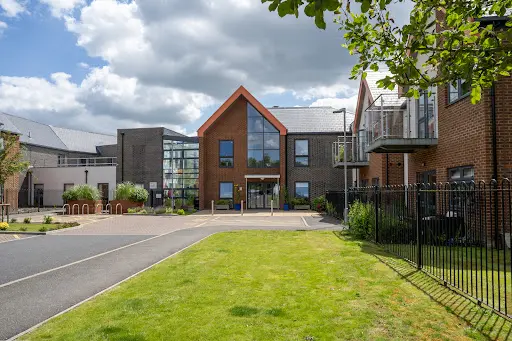
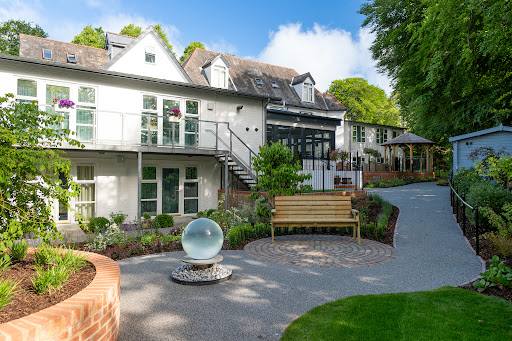
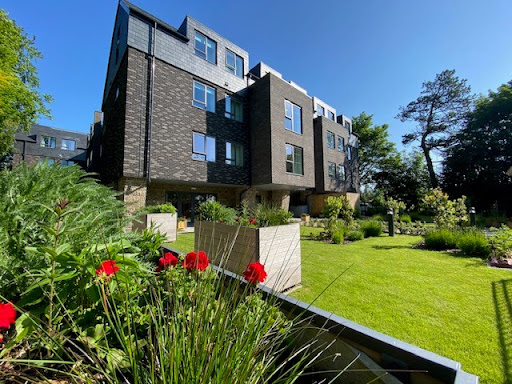
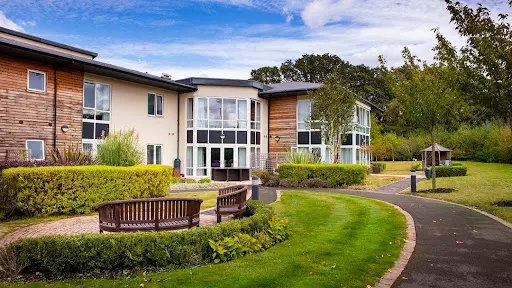
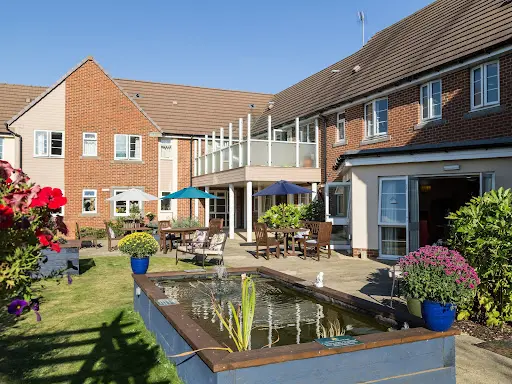
The home sits in well-kept grounds that residents enjoy in good weather. Inside, the spaces feel bright and clean, with thoughtful touches in the decoration. The kitchen serves proper home-cooked meals that get plenty of compliments for both taste and presentation. There's flexibility around dietary needs and preferences too.
“If you're looking for care near Winchester, it's worth arranging a visit to see if Shawford Springs feels right for your family.”
DCC does not edit or curate content in this tab. For independently curated information, see The Evidence and DCC Verdict.