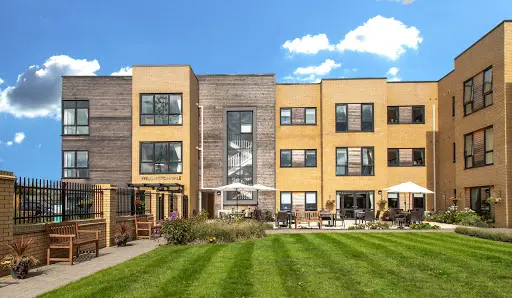
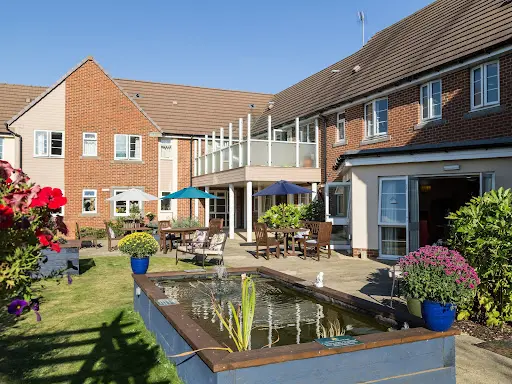
Hamble Heights Care Home
At a Glance
The information you need to decide whether this home warrants a closer look.
Nursing homes
Staff warmth score
of reviewers answered yes
Good to know
- Registered beds60
- SpecialismsCaring for adults over 65 yrs, Caring for adults under 65 yrs, Dementia
- Last inspected2023-10-31
Save Hamble Heights Care Home to your shortlist
Keep a running list, add visit notes, and compare homes side-by-side. Free account — it takes a minute.
STAGE 4 — RESEARCHING CARE HOMES
Visit homes. Compare them side by side. Choose with confidence.
Most of us will view care homes the way we view houses, impression, atmosphere, the feeling in the corridor. We go home, try to remember what we saw, and make a permanent decision from a blurred memory.

The DCC shortlist gives every home you visit a structured record: the same twelve questions, answered the same way, every time. When you’re ready to choose, pull any two homes side by side and compare them directly. Same criteria, same evidence, your notes and your scores.
The Evidence
What the review data, the inspection reports, and the dementia-care evidence base tell us about this home.
What families say
Visitors today often mention feeling welcomed from their first arrival. Staff greet families warmly, and the communal areas feel friendly and well-maintained. The activities coordinator runs themed events and social programmes, with staff helping residents participate at their own level.
The eight family priority themes
- Staff warmth55
- Compassion & dignity55
- Cleanliness60
- Activities & engagement50
- Food quality50
- Healthcare60
- Management & leadership45
- Resident happiness55
What inspectors found
Inspected 2023-10-31
Is this home safe?
Is the care effective?
The Effective domain was rated Good at the September 2024 inspection. This covers training, care planning, healthcare access, nutrition, and hydration. No specific examples of care plan quality, GP access arrangements, dementia training content, or food provision are included in the published summary. The rating suggests inspectors found these areas broadly satisfactory but the absence of detail means the rating cannot be contextualised beyond that. Hamble Heights is registered to provide nursing care as well as personal care, which means clinical oversight should be more embedded than in a residential-only home.Is this home caring?
The Caring domain was rated Good at the September 2024 inspection. This domain covers warmth of staff interactions, dignity, respect, privacy, and support for independence. No direct inspector observations of staff behaviour, no resident or relative quotes, and no specific examples of dignity practice are included in the published summary. The rating indicates inspectors were satisfied with the standard of caring at the time of the visit. Staff warmth is the theme families care about most, appearing in 57.3% of positive reviews in our data set.Is the home responsive?
The Responsive domain was rated Good at the September 2024 inspection. This domain covers activities, individual engagement, responsiveness to changing needs, and end-of-life planning. No activity programme detail, no examples of individual tailoring, and no information about end-of-life planning are included in the published summary. The home is registered for dementia care, which means inspectors would expect to see evidence of dementia-appropriate activity provision. The Good rating indicates broad satisfaction at the time of inspection but provides no basis for assessing the quality or variety of daily life.Is the home well-led?
The Well-led domain was rated Requires Improvement at the September 2024 inspection. This is the reason the overall rating declined from Good. A registered manager, Mrs Rachel Louise Yoxall, is named on the registration, and Mr Martin Peter Madden is the nominated individual for the provider, Welford Healthcare South Ltd. No specific detail about the leadership concerns, such as governance failures, audit gaps, staff culture issues, or oversight weaknesses, is included in the published summary. The previous inspection in October 2023 did not assign domain ratings, so the direction of travel since that visit is unclear.
Source: CQC inspection report →
What the evidence base says
The home cares for adults both over and under 65, including younger adults with dementia. They also offer short-term recovery stays after surgery. Staff include residents with dementia in the home's activities and provide individual support based on each person's needs, including younger adults living with the condition. All areas worth probing directly during a visit.
The DCC Verdict
Our editorial view, built from the three lenses: what families tell us, what inspectors record, and how the home sits against good dementia-care practice.
DCC Family Score
Hamble Heights scores in the mid-range overall, reflecting that four of five domains were rated Good at the most recent inspection but leadership raised enough concern to pull the overall rating down to Requires Improvement. The published report contains very limited specific detail, so many scores reflect general compliance rather than strong observed evidence.
Homes in South East typically score 68–82.The three-lens summary
What families tell us
Visitors today often mention feeling welcomed from their first arrival. Staff greet families warmly, and the communal areas feel friendly and well-maintained. The activities coordinator runs themed events and social programmes, with staff helping residents participate at their own level.
What inspectors have recorded
The current management team makes themselves available to families, responding to calls even outside standard hours. However, the home went through multiple manager changes during 2020-2021, when families reported medication errors and monitoring gaps that led to hospital admissions. Social services had to intervene with safeguarding orders during that period.
How it sits against good practice
Understanding what happened here matters as much as knowing how things are now.
Worth a visit
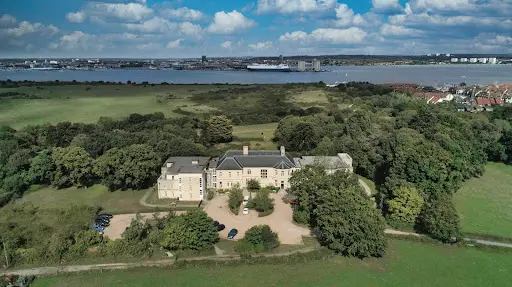
Hamble Heights, a 60-bed nursing home on Botley Road in Southampton specialising in dementia, older adults, and adults under 65, was rated Requires Improvement overall at its most recent inspection in September 2024, published in January 2025. Four of the five inspection domains, covering safety, effectiveness, caring, and responsiveness, were each rated Good. The overall rating declined from its previous Good rating because the Well-led domain was rated Requires Improvement, indicating that inspectors identified concerns about governance, oversight, or leadership at the time of the visit. The published inspection summary provided contains very little specific detail about what inspectors actually observed, heard from residents, or found in records. This means that many questions a family would rightly want answered remain open. Before making a decision, visit in person at a busy time such as mid-morning or just before lunch, ask specifically what went wrong in the Well-led domain and what has changed since October 2023 and September 2024, and request to see the current staffing rota and the most recent accident and incident log. The leadership concern is the most important thing to explore, because research consistently shows that management stability and culture are the strongest predictors of whether care quality holds up over time.
The three questions to ask when you visitSave this home. Compare it against your shortlist.
Let our analysis show you how Hamble Heights Care Home measures up against the other homes you’re considering. Free account.
In Their Own Words
How Hamble Heights Care Home describes itself — collected from its own website. DCC has not edited or independently verified the content in this tab.
Southampton home finding its feet after difficult period
Dedicated nursing home Support in Southampton
Hamble Heights in Southampton has been through significant changes. While recent visitors describe warm welcomes and attentive care, the home faced serious challenges during ownership transitions in 2020-2021. Families considering this home will want to understand both its current strengths and recent history.
Who they care for
The home cares for adults both over and under 65, including younger adults with dementia. They also offer short-term recovery stays after surgery.
Staff include residents with dementia in the home's activities and provide individual support based on each person's needs, including younger adults living with the condition.
“Understanding what happened here matters as much as knowing how things are now.”
DCC does not edit or curate content in this tab. For independently curated information, see The Evidence and DCC Verdict.
The DCC Verdict
Our editorial view, built from the three lenses: what families tell us, what inspectors record, and how the home sits against good dementia-care practice.
DCC Family Score
Hamble Heights scores in the mid-range overall, reflecting that four of five domains were rated Good at the most recent inspection but leadership raised enough concern to pull the overall rating down to Requires Improvement. The published report contains very limited specific detail, so many scores reflect general compliance rather than strong observed evidence.
Homes in South East typically score 68–82.The three-lens summary
What families tell us
Visitors today often mention feeling welcomed from their first arrival. Staff greet families warmly, and the communal areas feel friendly and well-maintained. The activities coordinator runs themed events and social programmes, with staff helping residents participate at their own level.
What inspectors have recorded
The current management team makes themselves available to families, responding to calls even outside standard hours. However, the home went through multiple manager changes during 2020-2021, when families reported medication errors and monitoring gaps that led to hospital admissions. Social services had to intervene with safeguarding orders during that period.
How it sits against good practice
Understanding what happened here matters as much as knowing how things are now.
Worth a visit
Hamble Heights, a 60-bed nursing home on Botley Road in Southampton specialising in dementia, older adults, and adults under 65, was rated Requires Improvement overall at its most recent inspection in September 2024, published in January 2025. Four of the five inspection domains, covering safety, effectiveness, caring, and responsiveness, were each rated Good. The overall rating declined from its previous Good rating because the Well-led domain was rated Requires Improvement, indicating that inspectors identified concerns about governance, oversight, or leadership at the time of the visit. The published inspection summary provided contains very little specific detail about what inspectors actually observed, heard from residents, or found in records. This means that many questions a family would rightly want answered remain open. Before making a decision, visit in person at a busy time such as mid-morning or just before lunch, ask specifically what went wrong in the Well-led domain and what has changed since October 2023 and September 2024, and request to see the current staffing rota and the most recent accident and incident log. The leadership concern is the most important thing to explore, because research consistently shows that management stability and culture are the strongest predictors of whether care quality holds up over time.
The three questions to ask when you visitSave this home. Compare it against your shortlist.
Let our analysis show you how Hamble Heights Care Home measures up against the other homes you’re considering. Free account.
In Their Own Words
How Hamble Heights Care Home describes itself — collected from its own website. DCC has not edited or independently verified the content in this tab.
Southampton home finding its feet after difficult period
Dedicated nursing home Support in Southampton
Hamble Heights in Southampton has been through significant changes. While recent visitors describe warm welcomes and attentive care, the home faced serious challenges during ownership transitions in 2020-2021. Families considering this home will want to understand both its current strengths and recent history.
Who they care for
The home cares for adults both over and under 65, including younger adults with dementia. They also offer short-term recovery stays after surgery.
Staff include residents with dementia in the home's activities and provide individual support based on each person's needs, including younger adults living with the condition.
Management & ethos
The current management team makes themselves available to families, responding to calls even outside standard hours. However, the home went through multiple manager changes during 2020-2021, when families reported medication errors and monitoring gaps that led to hospital admissions. Social services had to intervene with safeguarding orders during that period.
The home & environment
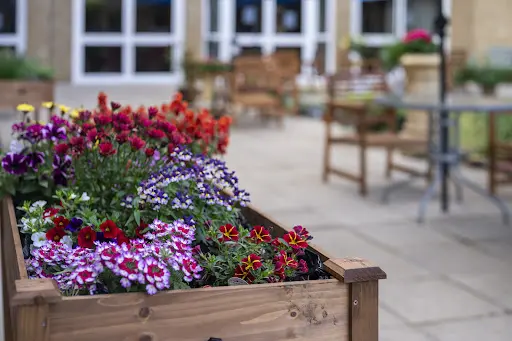
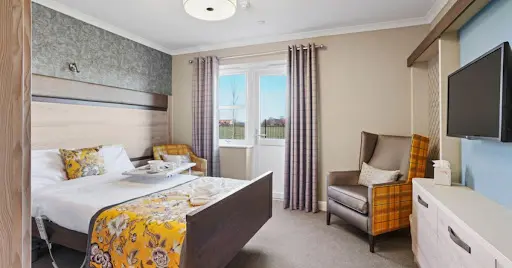
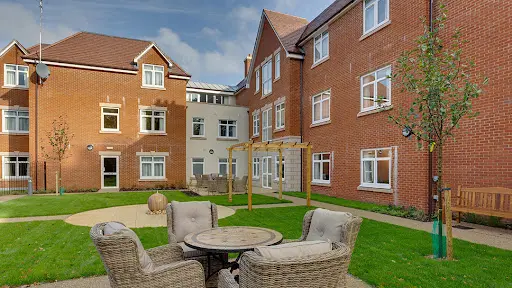
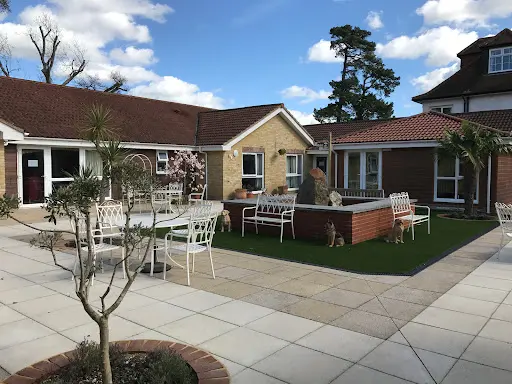
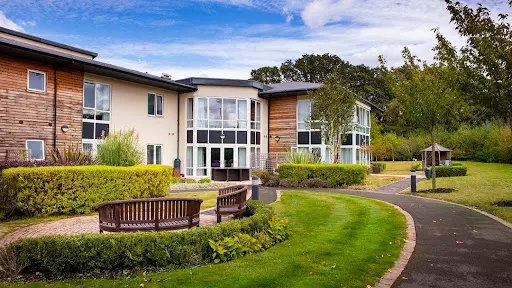
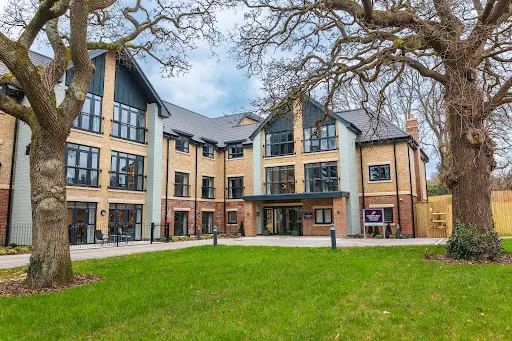
The home keeps communal areas and bedrooms clean and well-decorated. During mealtimes and social events, staff provide discreet help with eating and drinking when residents need it.
“Understanding what happened here matters as much as knowing how things are now.”
DCC does not edit or curate content in this tab. For independently curated information, see The Evidence and DCC Verdict.