Forest Court Nursing Home
At a Glance
The information you need to decide whether this home warrants a closer look.
Nursing homes
Staff warmth score
of reviewers answered yes
Good to know
- Registered beds80
- SpecialismsCaring for adults over 65 yrs, Caring for adults under 65 yrs, Dementia
- Last inspected2023-03-17
Save Forest Court Nursing Home to your shortlist
Keep a running list, add visit notes, and compare homes side-by-side. Free account — it takes a minute.
STAGE 4 — RESEARCHING CARE HOMES
Visit homes. Compare them side by side. Choose with confidence.
Most of us will view care homes the way we view houses, impression, atmosphere, the feeling in the corridor. We go home, try to remember what we saw, and make a permanent decision from a blurred memory.

The DCC shortlist gives every home you visit a structured record: the same twelve questions, answered the same way, every time. When you’re ready to choose, pull any two homes side by side and compare them directly. Same criteria, same evidence, your notes and your scores.
The Evidence
What the review data, the inspection reports, and the dementia-care evidence base tell us about this home.
What families say
Visitors often comment on the warm reception they receive, with staff taking time to chat and answer questions. The home feels bright and spacious, with thoughtful touches in the layout that help residents find their way around. Many people appreciate the genuine kindness shown by team members who seem to know residents as individuals.
The eight family priority themes
- Staff warmth65
- Compassion & dignity68
- Cleanliness60
- Activities & engagement58
- Food quality55
- Healthcare60
- Management & leadership72
- Resident happiness62
What inspectors found
Inspected 2023-03-17
Is this home safe?
Is the care effective?
The Effective domain is rated Good. This domain covers training, care planning, healthcare access, and nutrition. A Good rating indicates inspectors were broadly satisfied with how the home plans and delivers care. However, the published findings do not record specific detail about dementia training content, care plan quality, GP access arrangements, or food provision.Is this home caring?
The Caring domain is rated Good. This domain covers staff warmth, compassion, dignity, and respect for independence. A Good rating indicates inspectors found acceptable standards in these areas. No specific staff observations, resident quotes, or family testimony are recorded in the published findings for this domain.Is the home responsive?
The Responsive domain is rated Good. This domain covers activities, individual engagement, responsiveness to changing needs, and end-of-life care. A Good rating indicates inspectors were broadly satisfied. The published findings include no specific detail about the activities programme, one-to-one engagement for people with advanced dementia, or end-of-life planning arrangements.Is the home well-led?
The Well-led domain is rated Good. The registered manager is named in the published report, and the home is run by Hampshire County Council as the provider organisation. A Good Well-led rating following a previous period of Requires Improvement overall indicates the leadership team has demonstrated improvement. The published findings provide no specific detail about management visibility, staff culture, or family communication practices.
Source: CQC inspection report →
What the evidence base says
The home provides nursing care for adults of all ages, including younger people who need specialist support. They welcome residents living with dementia alongside those needing general nursing care. For those supporting someone with dementia, it's worth asking about the team's specific training and approach. Some families have found the dementia care knowledge varies between staff members, so discussing your loved one's particular needs and how the home would support them day-to-day would be helpful. All areas worth probing directly during a visit.
The DCC Verdict
Our editorial view, built from the three lenses: what families tell us, what inspectors record, and how the home sits against good dementia-care practice.
DCC Family Score
Forest Court Nursing Home scores 68 out of 100. The home has improved from Requires Improvement to Good overall, which is a meaningful step forward, but the Safety domain remains rated Requires Improvement and the inspection report provides limited specific detail across most family-relevant themes.
Homes in South East typically score 68–82.The three-lens summary
What families tell us
Visitors often comment on the warm reception they receive, with staff taking time to chat and answer questions. The home feels bright and spacious, with thoughtful touches in the layout that help residents find their way around. Many people appreciate the genuine kindness shown by team members who seem to know residents as individuals.
What inspectors have recorded
While staff show real warmth in their daily interactions, keeping families updated has proved more difficult. Phone calls don't always get through, and some relatives have waited longer than they'd like for news about their loved one's care reviews or health changes. The team clearly wants to help when families visit, though better systems for sharing information between shifts and with families would make a real difference.
How it sits against good practice
Understanding how a home keeps families connected matters just as much as the care itself — asking about their communication systems during your visit could save worry later.
Worth a visit
Forest Court Nursing Home, on Forest Way in Southampton, was rated Good overall at its inspection in February 2023, an improvement from its previous rating of Requires Improvement. The home is run by Hampshire County Council and cares for up to 80 adults, including people with dementia. Four of the five inspection domains, Effective, Caring, Responsive, and Well-led, are rated Good, which indicates the home has made real progress since its last inspection. The important caveat is that Safety remains rated Requires Improvement, and the published inspection report provides very little specific detail across any of the themes that families care about most. There are no recorded observations of staff interactions, no quotes from residents or relatives, and no specifics on staffing numbers, activities, food, or the physical environment. This means the Good ratings carry less weight than they would with a richer evidence base. Before visiting, prepare a list of specific questions, particularly about night-time staffing levels, agency staff use, and what improvements were made after the previous Requires Improvement rating.
The three questions to ask when you visitSave this home. Compare it against your shortlist.
Let our analysis show you how Forest Court Nursing Home measures up against the other homes you’re considering. Free account.
In Their Own Words
How Forest Court Nursing Home describes itself — collected from its own website. DCC has not edited or independently verified the content in this tab.
Welcoming staff and spotless surroundings, though families want clearer communication
Nursing home in Southampton: True Peace of Mind
Forest Court Nursing Home in Southampton provides nursing care in clean, comfortable surroundings with staff who genuinely seem to enjoy their work. While the team's friendly approach puts visitors at ease, some families have found staying connected more challenging than they'd hoped. The home welcomes residents needing nursing support, including those living with dementia.
Who they care for
The home provides nursing care for adults of all ages, including younger people who need specialist support. They welcome residents living with dementia alongside those needing general nursing care.
For those supporting someone with dementia, it's worth asking about the team's specific training and approach. Some families have found the dementia care knowledge varies between staff members, so discussing your loved one's particular needs and how the home would support them day-to-day would be helpful.
“Understanding how a home keeps families connected matters just as much as the care itself — asking about their communication systems during your visit could save worry later.”
DCC does not edit or curate content in this tab. For independently curated information, see The Evidence and DCC Verdict.
The DCC Verdict
Our editorial view, built from the three lenses: what families tell us, what inspectors record, and how the home sits against good dementia-care practice.
DCC Family Score
Forest Court Nursing Home scores 68 out of 100. The home has improved from Requires Improvement to Good overall, which is a meaningful step forward, but the Safety domain remains rated Requires Improvement and the inspection report provides limited specific detail across most family-relevant themes.
Homes in South East typically score 68–82.The three-lens summary
What families tell us
Visitors often comment on the warm reception they receive, with staff taking time to chat and answer questions. The home feels bright and spacious, with thoughtful touches in the layout that help residents find their way around. Many people appreciate the genuine kindness shown by team members who seem to know residents as individuals.
What inspectors have recorded
While staff show real warmth in their daily interactions, keeping families updated has proved more difficult. Phone calls don't always get through, and some relatives have waited longer than they'd like for news about their loved one's care reviews or health changes. The team clearly wants to help when families visit, though better systems for sharing information between shifts and with families would make a real difference.
How it sits against good practice
Understanding how a home keeps families connected matters just as much as the care itself — asking about their communication systems during your visit could save worry later.
Worth a visit
Forest Court Nursing Home, on Forest Way in Southampton, was rated Good overall at its inspection in February 2023, an improvement from its previous rating of Requires Improvement. The home is run by Hampshire County Council and cares for up to 80 adults, including people with dementia. Four of the five inspection domains, Effective, Caring, Responsive, and Well-led, are rated Good, which indicates the home has made real progress since its last inspection. The important caveat is that Safety remains rated Requires Improvement, and the published inspection report provides very little specific detail across any of the themes that families care about most. There are no recorded observations of staff interactions, no quotes from residents or relatives, and no specifics on staffing numbers, activities, food, or the physical environment. This means the Good ratings carry less weight than they would with a richer evidence base. Before visiting, prepare a list of specific questions, particularly about night-time staffing levels, agency staff use, and what improvements were made after the previous Requires Improvement rating.
The three questions to ask when you visitSave this home. Compare it against your shortlist.
Let our analysis show you how Forest Court Nursing Home measures up against the other homes you’re considering. Free account.
In Their Own Words
How Forest Court Nursing Home describes itself — collected from its own website. DCC has not edited or independently verified the content in this tab.
Welcoming staff and spotless surroundings, though families want clearer communication
Nursing home in Southampton: True Peace of Mind
Forest Court Nursing Home in Southampton provides nursing care in clean, comfortable surroundings with staff who genuinely seem to enjoy their work. While the team's friendly approach puts visitors at ease, some families have found staying connected more challenging than they'd hoped. The home welcomes residents needing nursing support, including those living with dementia.
Who they care for
The home provides nursing care for adults of all ages, including younger people who need specialist support. They welcome residents living with dementia alongside those needing general nursing care.
For those supporting someone with dementia, it's worth asking about the team's specific training and approach. Some families have found the dementia care knowledge varies between staff members, so discussing your loved one's particular needs and how the home would support them day-to-day would be helpful.
Management & ethos
While staff show real warmth in their daily interactions, keeping families updated has proved more difficult. Phone calls don't always get through, and some relatives have waited longer than they'd like for news about their loved one's care reviews or health changes. The team clearly wants to help when families visit, though better systems for sharing information between shifts and with families would make a real difference.
The home & environment
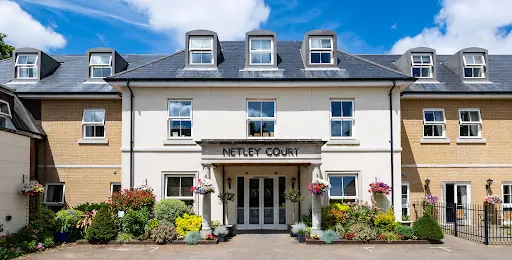
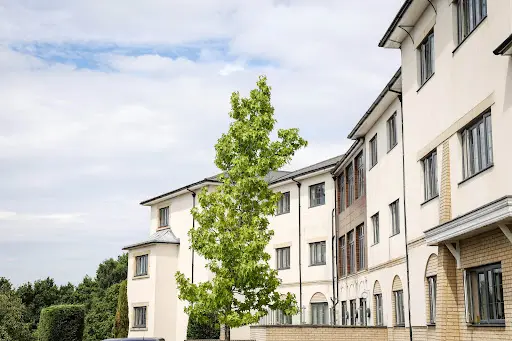
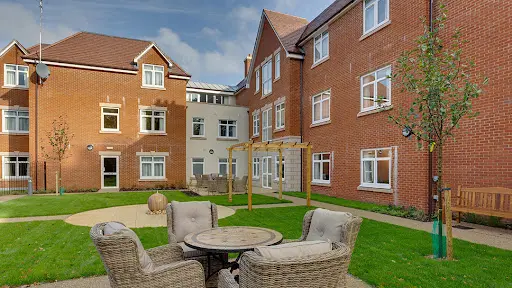
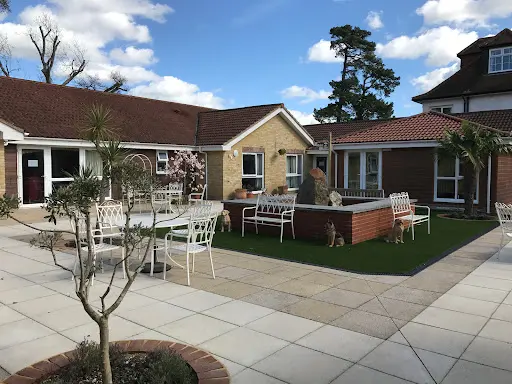
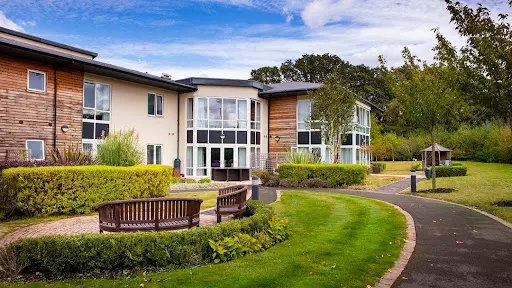
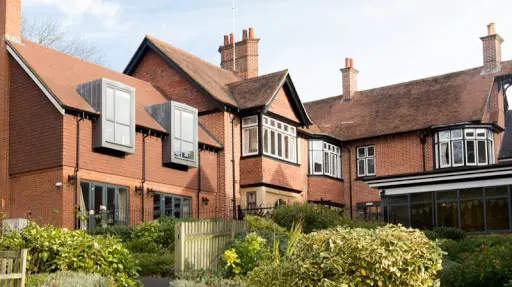
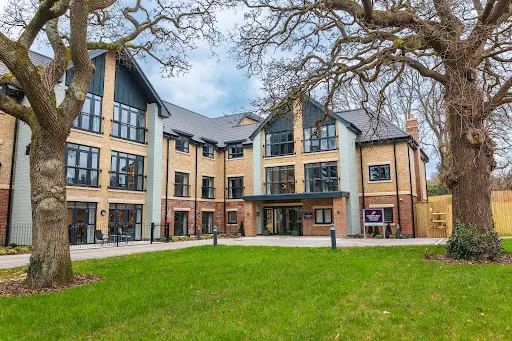
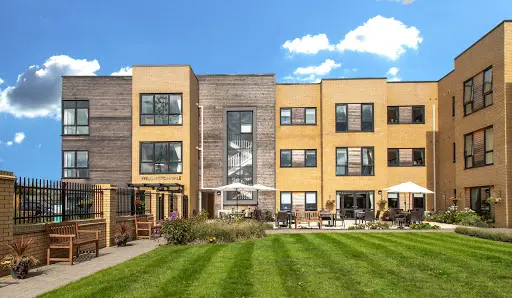
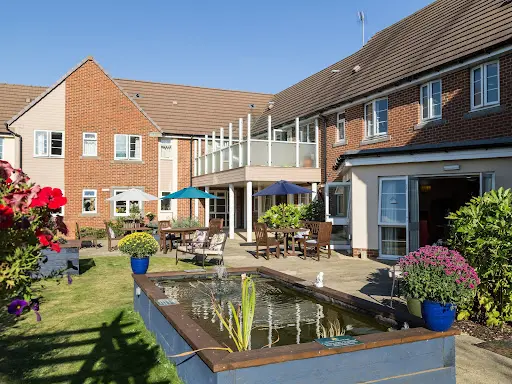
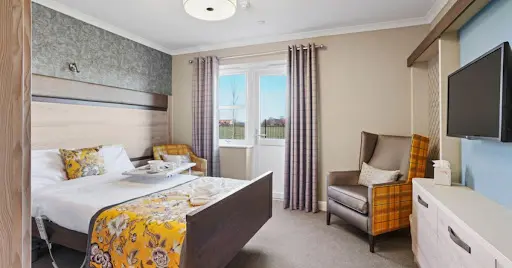
The home keeps everything spotlessly clean, from bedrooms to communal areas, which families really value. Mealtimes bring good variety and choice, with residents enjoying their food in pleasant dining spaces. The building itself works well for those needing care, with comfortable rooms and good lighting throughout.
“Understanding how a home keeps families connected matters just as much as the care itself — asking about their communication systems during your visit could save worry later.”
DCC does not edit or curate content in this tab. For independently curated information, see The Evidence and DCC Verdict.