Barchester – Marnel Lodge Care Home

At a Glance
The information you need to decide whether this home warrants a closer look.
Nursing homes
Staff warmth score
of reviewers answered yes
Good to know
- Registered beds66
- SpecialismsCaring for adults over 65 yrs, Caring for adults under 65 yrs, Dementia
- Last inspected2019-12-05
Save Barchester – Marnel Lodge Care Home to your shortlist
Keep a running list, add visit notes, and compare homes side-by-side. Free account — it takes a minute.
STAGE 4 — RESEARCHING CARE HOMES
Visit homes. Compare them side by side. Choose with confidence.
Most of us will view care homes the way we view houses, impression, atmosphere, the feeling in the corridor. We go home, try to remember what we saw, and make a permanent decision from a blurred memory.

The DCC shortlist gives every home you visit a structured record: the same twelve questions, answered the same way, every time. When you’re ready to choose, pull any two homes side by side and compare them directly. Same criteria, same evidence, your notes and your scores.
The Evidence
What the review data, the inspection reports, and the dementia-care evidence base tell us about this home.
What families say
Families talk about walking in to find their relatives settled and content, often chatting with other residents or joining in activities. There's a sense here that people aren't just cared for — they're part of something. The staff seem to have a knack for making everyone feel recognised and valued, from residents who've been here years to grandchildren dropping by for Sunday visits.
The eight family priority themes
- Staff warmth55
- Compassion & dignity55
- Cleanliness55
- Activities & engagement50
- Food quality50
- Healthcare55
- Management & leadership60
- Resident happiness55
What inspectors found
Inspected 2019-12-05
Is this home safe?
Is the care effective?
The Effective domain was rated Good at the September 2019 inspection. The home holds a dementia specialism registration and provides nursing care alongside personal care. Beyond these registration details, the published inspection text does not describe care planning practices, the frequency of GP access, dementia training content, or how food quality and dietary needs are managed. The evidence here is general rather than specific.Is this home caring?
The Caring domain was rated Good at the September 2019 inspection. The published text does not include direct observations of staff interactions, resident testimony about kindness, or descriptions of how dignity and privacy are maintained in practice. The rating is confirmed but the specific evidence behind it is not available in the published findings.Is the home responsive?
The Responsive domain was rated Good at the September 2019 inspection. The home holds a dementia specialism and cares for both older adults and people under 65, which means the activity and engagement offer needs to serve a range of needs and abilities. The published inspection text does not describe the activity programme, one-to-one engagement, or how the home meets individual preferences. The evidence here is general.Is the home well-led?
The Well-led domain was rated Good at the September 2019 inspection, and the overall rating improved from Requires Improvement to Good, which suggests meaningful leadership change occurred between inspections. A named registered manager, Mrs Anju Susan Abraham, was confirmed as in post. The published text does not describe the manager's visibility on the floor, staff culture, governance systems, or how families are kept informed and involved. The improvement trajectory is encouraging but the detail behind it is not available.
Source: CQC inspection report →
What the evidence base says
The home provides care for adults both under and over 65, including those living with dementia. This mix of ages and needs creates an environment that feels less segregated and more like a real community. For residents with dementia, the care approach focuses on helping people feel settled and maintaining their connections with others. The home works to ensure those living with dementia remain part of daily life rather than separated from it. All areas worth probing directly during a visit.
The DCC Verdict
Our editorial view, built from the three lenses: what families tell us, what inspectors record, and how the home sits against good dementia-care practice.
DCC Family Score
Marnel Lodge achieved a Good rating across all five domains at its last inspection, improving from Requires Improvement, which is a meaningful step forward. However, the published inspection text provides very little specific detail, so most scores sit in the 50-60 range, reflecting confirmed positive ratings rather than rich, observable evidence.
Homes in South East typically score 68–82.The three-lens summary
What families tell us
Families talk about walking in to find their relatives settled and content, often chatting with other residents or joining in activities. There's a sense here that people aren't just cared for — they're part of something. The staff seem to have a knack for making everyone feel recognised and valued, from residents who've been here years to grandchildren dropping by for Sunday visits.
What inspectors have recorded
What stands out is how available the care team seems to be — not just physically present but genuinely responsive to what each resident needs. Families describe staff who notice the small things and adjust their approach accordingly. When difficult times come, as they do in any care setting, the team here has shown they can support both residents and families through those transitions with real compassion.
How it sits against good practice
Sometimes the best measure of a care home is simply whether the people living there seem content — and at Marnel Lodge, that contentment feels tangible.
Worth a visit
Marnel Lodge Care Home, on Carter Drive in Basingstoke, was rated Good across all five inspection domains at its last assessment in September 2019. This is a significant improvement on a previous rating of Requires Improvement, which tells you that the home recognised problems, addressed them, and was judged by inspectors to have done so successfully. A named registered manager was in post, and the home is registered to provide nursing care as well as personal care for people living with dementia. The main limitation of this report is that the published inspection text contains almost no specific detail: no staff quotes, no resident testimony, no observations of daily life, and no description of the environment. A Good rating is reassuring, but it tells you little about what daily life actually looks like for your parent. Given that the inspection took place in September 2019, more than five years ago, you should treat this as a starting point rather than a current picture. Visit the home, ask to see last week's staffing rota, spend time in the dementia unit at a mealtime, and ask the manager directly about night staffing numbers, agency use, and how care plans are reviewed with families.
The three questions to ask when you visitSave this home. Compare it against your shortlist.
Let our analysis show you how Barchester – Marnel Lodge Care Home measures up against the other homes you’re considering. Free account.
In Their Own Words
How Barchester – Marnel Lodge Care Home describes itself — collected from its own website. DCC has not edited or independently verified the content in this tab.
Where families find comfort in knowing their loved ones feel genuinely at home
Marnel Lodge Care Home – Expert Care in Basingstoke
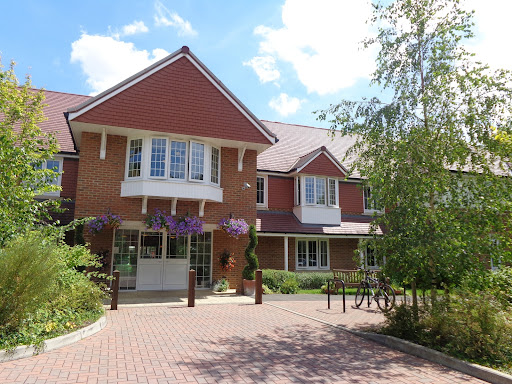
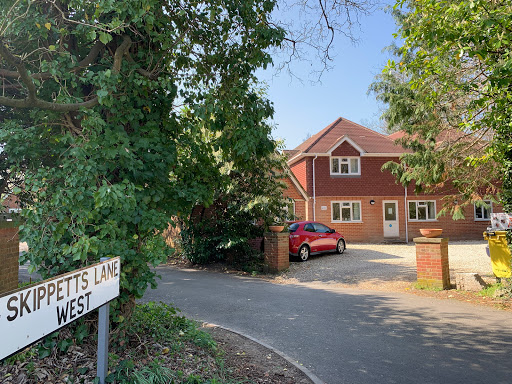
When you're looking for care that feels personal rather than institutional, Marnel Lodge Care Home in Basingstoke offers something families describe as genuinely reassuring. The modern building houses staff who seem to understand that small kindnesses matter — whether that's remembering how someone takes their tea or making sure families feel welcome whenever they visit. Located in Basingstoke in the South East, this home has built its reputation on creating connections that matter.
Who they care for
The home provides care for adults both under and over 65, including those living with dementia. This mix of ages and needs creates an environment that feels less segregated and more like a real community.
For residents with dementia, the care approach focuses on helping people feel settled and maintaining their connections with others. The home works to ensure those living with dementia remain part of daily life rather than separated from it.
“Sometimes the best measure of a care home is simply whether the people living there seem content — and at Marnel Lodge, that contentment feels tangible.”
DCC does not edit or curate content in this tab. For independently curated information, see The Evidence and DCC Verdict.
The DCC Verdict
Our editorial view, built from the three lenses: what families tell us, what inspectors record, and how the home sits against good dementia-care practice.
DCC Family Score
Marnel Lodge achieved a Good rating across all five domains at its last inspection, improving from Requires Improvement, which is a meaningful step forward. However, the published inspection text provides very little specific detail, so most scores sit in the 50-60 range, reflecting confirmed positive ratings rather than rich, observable evidence.
Homes in South East typically score 68–82.The three-lens summary
What families tell us
Families talk about walking in to find their relatives settled and content, often chatting with other residents or joining in activities. There's a sense here that people aren't just cared for — they're part of something. The staff seem to have a knack for making everyone feel recognised and valued, from residents who've been here years to grandchildren dropping by for Sunday visits.
What inspectors have recorded
What stands out is how available the care team seems to be — not just physically present but genuinely responsive to what each resident needs. Families describe staff who notice the small things and adjust their approach accordingly. When difficult times come, as they do in any care setting, the team here has shown they can support both residents and families through those transitions with real compassion.
How it sits against good practice
Sometimes the best measure of a care home is simply whether the people living there seem content — and at Marnel Lodge, that contentment feels tangible.
Worth a visit
Marnel Lodge Care Home, on Carter Drive in Basingstoke, was rated Good across all five inspection domains at its last assessment in September 2019. This is a significant improvement on a previous rating of Requires Improvement, which tells you that the home recognised problems, addressed them, and was judged by inspectors to have done so successfully. A named registered manager was in post, and the home is registered to provide nursing care as well as personal care for people living with dementia. The main limitation of this report is that the published inspection text contains almost no specific detail: no staff quotes, no resident testimony, no observations of daily life, and no description of the environment. A Good rating is reassuring, but it tells you little about what daily life actually looks like for your parent. Given that the inspection took place in September 2019, more than five years ago, you should treat this as a starting point rather than a current picture. Visit the home, ask to see last week's staffing rota, spend time in the dementia unit at a mealtime, and ask the manager directly about night staffing numbers, agency use, and how care plans are reviewed with families.
The three questions to ask when you visitSave this home. Compare it against your shortlist.
Let our analysis show you how Barchester – Marnel Lodge Care Home measures up against the other homes you’re considering. Free account.
In Their Own Words
How Barchester – Marnel Lodge Care Home describes itself — collected from its own website. DCC has not edited or independently verified the content in this tab.
Where families find comfort in knowing their loved ones feel genuinely at home
Marnel Lodge Care Home – Expert Care in Basingstoke
When you're looking for care that feels personal rather than institutional, Marnel Lodge Care Home in Basingstoke offers something families describe as genuinely reassuring. The modern building houses staff who seem to understand that small kindnesses matter — whether that's remembering how someone takes their tea or making sure families feel welcome whenever they visit. Located in Basingstoke in the South East, this home has built its reputation on creating connections that matter.
Who they care for
The home provides care for adults both under and over 65, including those living with dementia. This mix of ages and needs creates an environment that feels less segregated and more like a real community.
For residents with dementia, the care approach focuses on helping people feel settled and maintaining their connections with others. The home works to ensure those living with dementia remain part of daily life rather than separated from it.
Management & ethos
What stands out is how available the care team seems to be — not just physically present but genuinely responsive to what each resident needs. Families describe staff who notice the small things and adjust their approach accordingly. When difficult times come, as they do in any care setting, the team here has shown they can support both residents and families through those transitions with real compassion.
The home & environment
The building itself helps create that welcoming feeling, with modern, spacious rooms that get plenty of natural light. Families mention appreciating the accessible gardens where residents can enjoy fresh air or just watch the world go by. The communal areas feel designed for living rather than just existing, with comfortable spaces where families can spend proper time together.
“Sometimes the best measure of a care home is simply whether the people living there seem content — and at Marnel Lodge, that contentment feels tangible.”
DCC does not edit or curate content in this tab. For independently curated information, see The Evidence and DCC Verdict.