Shedfield Lodge

At a Glance
The information you need to decide whether this home warrants a closer look.
Residential homes
Staff warmth score
of reviewers answered yes
Good to know
- Registered beds36
- SpecialismsCaring for adults over 65 yrs, Caring for adults under 65 yrs, Dementia, Mental health conditions
- Last inspected2017-11-04
Save Shedfield Lodge to your shortlist
Keep a running list, add visit notes, and compare homes side-by-side. Free account — it takes a minute.
STAGE 4 — RESEARCHING CARE HOMES
Visit homes. Compare them side by side. Choose with confidence.
Most of us will view care homes the way we view houses, impression, atmosphere, the feeling in the corridor. We go home, try to remember what we saw, and make a permanent decision from a blurred memory.

The DCC shortlist gives every home you visit a structured record: the same twelve questions, answered the same way, every time. When you’re ready to choose, pull any two homes side by side and compare them directly. Same criteria, same evidence, your notes and your scores.
The Evidence
What the review data, the inspection reports, and the dementia-care evidence base tell us about this home.
What families say
Families describe feeling genuinely included here, with staff who take time to learn what makes each resident comfortable. The activities programme brings real enjoyment — whether that's music sessions, art projects, or simply sitting in the gardens. People notice how staff adapt their approach for each person rather than following rigid routines.
The eight family priority themes
- Staff warmth72
- Compassion & dignity72
- Cleanliness70
- Activities & engagement65
- Food quality65
- Healthcare68
- Management & leadership72
- Resident happiness70
What inspectors found
Inspected 2017-11-04
Is this home safe?
Is the care effective?
The home received a Good rating for effectiveness at its November 2020 inspection. Shedfield Lodge lists dementia and mental health conditions as specialisms, which implies some level of tailored practice, but no detail about training content, care plan quality, GP access, or food provision appears in the published findings. The monitoring review in July 2023 found no evidence requiring a rating change.Is this home caring?
The home received a Good rating for caring at its November 2020 inspection. No inspector observations of staff interactions, no resident or family quotes, and no specific examples of dignity or compassion in practice appear in the published findings. The July 2023 monitoring review found no evidence requiring a change to this rating.Is the home responsive?
The home received a Good rating for responsiveness at its November 2020 inspection. The published findings include no detail about activity programmes, individual engagement for people with advanced dementia, end-of-life care planning, or how the home responds to changing needs. The July 2023 monitoring review found no evidence requiring reassessment.Is the home well-led?
The home received a Good rating for well-led at its November 2020 inspection. A named registered manager, Mrs Maria Katherine Willis, is recorded as in post. No detail about management visibility, staff culture, quality assurance processes, or how the home handles complaints appears in the published findings. The July 2023 monitoring review found no evidence requiring a rating change.
Source: CQC inspection report →
What the evidence base says
The home cares for adults both under and over 65, with particular experience in dementia and mental health conditions. Staff show trained responses to challenging behaviours and the progression of dementia. Families particularly value how staff handle the difficult moments that come with advancing dementia. They're patient with confusion and distress, helping residents through each stage while keeping families informed about changes. All areas worth probing directly during a visit.
The DCC Verdict
Our editorial view, built from the three lenses: what families tell us, what inspectors record, and how the home sits against good dementia-care practice.
DCC Family Score
Shedfield Lodge holds a Good rating across all five inspection domains, but the published report contains very little specific detail, so scores reflect that the positive rating exists without the granular evidence that would push them higher.
Homes in South East typically score 68–82.The three-lens summary
What families tell us
Families describe feeling genuinely included here, with staff who take time to learn what makes each resident comfortable. The activities programme brings real enjoyment — whether that's music sessions, art projects, or simply sitting in the gardens. People notice how staff adapt their approach for each person rather than following rigid routines.
What inspectors have recorded
Staff are known for being approachable and quick to respond when families have questions or concerns. The management team and owners stay visible in daily care, not tucked away in offices. Families report being consulted regularly about care decisions, though one account described difficulties with communication after raising concerns about standards.
How it sits against good practice
The peaceful countryside setting and experienced approach to dementia care make this worth exploring, especially if you're looking for somewhere that involves families closely in care decisions.
Worth a visit
Shedfield Lodge, on St Annes Lane in Southampton, was rated Good across all five inspection domains at its last full inspection in November 2020. A monitoring review carried out in July 2023 found no evidence requiring a change to that rating. The home cares for up to 36 people, including those living with dementia and mental health conditions, and has a named registered manager in post. The main limitation for families considering this home is that the published inspection findings contain very little specific detail about day-to-day care. You cannot rely on this report alone to understand what life here actually looks like for your parent. Before making a decision, visit in person, ask to see the current staffing rota, check what dementia-specific training staff have completed, and speak to other families whose relatives already live there.
The three questions to ask when you visitSave this home. Compare it against your shortlist.
Let our analysis show you how Shedfield Lodge measures up against the other homes you’re considering. Free account.
In Their Own Words
How Shedfield Lodge describes itself — collected from its own website. DCC has not edited or independently verified the content in this tab.
Where families find real understanding of dementia's journey
Shedfield Lodge – Your Trusted residential home
When dementia changes everything familiar, finding the right support feels overwhelming. Shedfield Lodge in Southampton sits in peaceful countryside, where experienced staff work closely with families to create care plans that truly fit each person. The rural setting gives residents space to wander safely outdoors, while inside, the focus stays on what each individual needs as their condition progresses.
Who they care for
The home cares for adults both under and over 65, with particular experience in dementia and mental health conditions. Staff show trained responses to challenging behaviours and the progression of dementia.
Families particularly value how staff handle the difficult moments that come with advancing dementia. They're patient with confusion and distress, helping residents through each stage while keeping families informed about changes.
“The peaceful countryside setting and experienced approach to dementia care make this worth exploring, especially if you're looking for somewhere that involves families closely in care decisions.”
DCC does not edit or curate content in this tab. For independently curated information, see The Evidence and DCC Verdict.
The DCC Verdict
Our editorial view, built from the three lenses: what families tell us, what inspectors record, and how the home sits against good dementia-care practice.
DCC Family Score
Shedfield Lodge holds a Good rating across all five inspection domains, but the published report contains very little specific detail, so scores reflect that the positive rating exists without the granular evidence that would push them higher.
Homes in South East typically score 68–82.The three-lens summary
What families tell us
Families describe feeling genuinely included here, with staff who take time to learn what makes each resident comfortable. The activities programme brings real enjoyment — whether that's music sessions, art projects, or simply sitting in the gardens. People notice how staff adapt their approach for each person rather than following rigid routines.
What inspectors have recorded
Staff are known for being approachable and quick to respond when families have questions or concerns. The management team and owners stay visible in daily care, not tucked away in offices. Families report being consulted regularly about care decisions, though one account described difficulties with communication after raising concerns about standards.
How it sits against good practice
The peaceful countryside setting and experienced approach to dementia care make this worth exploring, especially if you're looking for somewhere that involves families closely in care decisions.
Worth a visit
Shedfield Lodge, on St Annes Lane in Southampton, was rated Good across all five inspection domains at its last full inspection in November 2020. A monitoring review carried out in July 2023 found no evidence requiring a change to that rating. The home cares for up to 36 people, including those living with dementia and mental health conditions, and has a named registered manager in post. The main limitation for families considering this home is that the published inspection findings contain very little specific detail about day-to-day care. You cannot rely on this report alone to understand what life here actually looks like for your parent. Before making a decision, visit in person, ask to see the current staffing rota, check what dementia-specific training staff have completed, and speak to other families whose relatives already live there.
The three questions to ask when you visitSave this home. Compare it against your shortlist.
Let our analysis show you how Shedfield Lodge measures up against the other homes you’re considering. Free account.
In Their Own Words
How Shedfield Lodge describes itself — collected from its own website. DCC has not edited or independently verified the content in this tab.
Where families find real understanding of dementia's journey
Shedfield Lodge – Your Trusted residential home
When dementia changes everything familiar, finding the right support feels overwhelming. Shedfield Lodge in Southampton sits in peaceful countryside, where experienced staff work closely with families to create care plans that truly fit each person. The rural setting gives residents space to wander safely outdoors, while inside, the focus stays on what each individual needs as their condition progresses.
Who they care for
The home cares for adults both under and over 65, with particular experience in dementia and mental health conditions. Staff show trained responses to challenging behaviours and the progression of dementia.
Families particularly value how staff handle the difficult moments that come with advancing dementia. They're patient with confusion and distress, helping residents through each stage while keeping families informed about changes.
Management & ethos
Staff are known for being approachable and quick to respond when families have questions or concerns. The management team and owners stay visible in daily care, not tucked away in offices. Families report being consulted regularly about care decisions, though one account described difficulties with communication after raising concerns about standards.
The home & environment
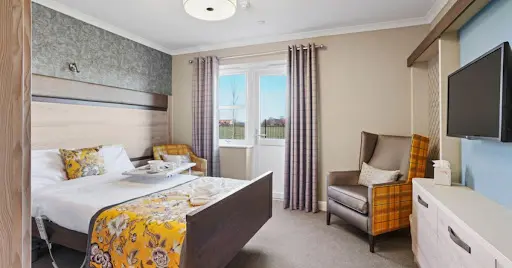
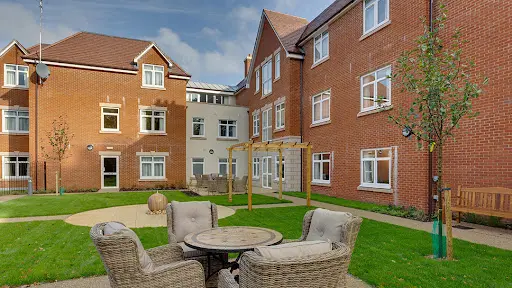
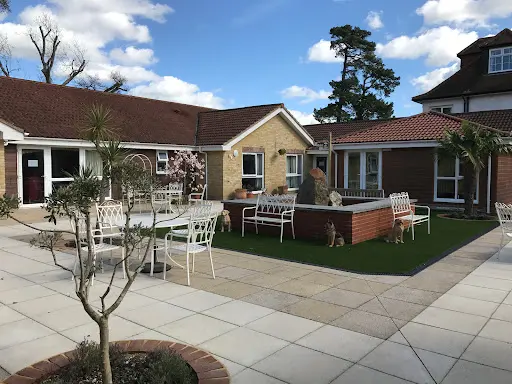
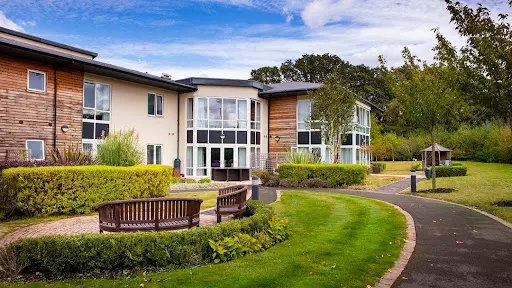
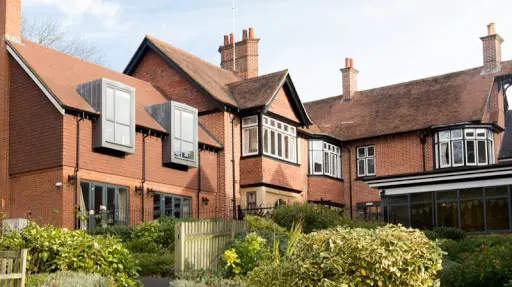
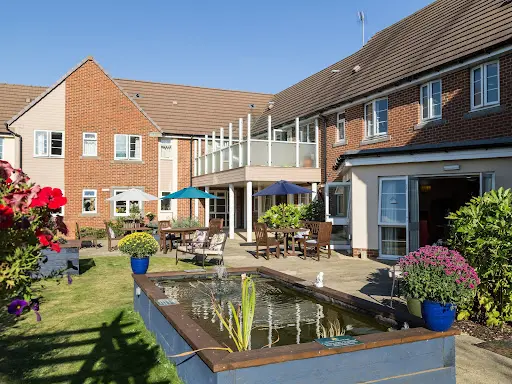
The countryside location and garden spaces give residents room to move freely and families pleasant spots to visit together. Most visitors find the home well-maintained and clean, though one family raised concerns about hygiene standards in certain areas. The rural setting does mean the home feels quite separate from the wider community.
“The peaceful countryside setting and experienced approach to dementia care make this worth exploring, especially if you're looking for somewhere that involves families closely in care decisions.”
DCC does not edit or curate content in this tab. For independently curated information, see The Evidence and DCC Verdict.