Rosewood Care Home
At a Glance
The information you need to decide whether this home warrants a closer look.
Residential homes
Staff warmth score
of reviewers answered yes
Good to know
- Registered beds35
- SpecialismsCaring for adults over 65 yrs, Dementia
- Last inspected2023-11-01
Save Rosewood Care Home to your shortlist
Keep a running list, add visit notes, and compare homes side-by-side. Free account — it takes a minute.
STAGE 4 — RESEARCHING CARE HOMES
Visit homes. Compare them side by side. Choose with confidence.
Most of us will view care homes the way we view houses, impression, atmosphere, the feeling in the corridor. We go home, try to remember what we saw, and make a permanent decision from a blurred memory.

The DCC shortlist gives every home you visit a structured record: the same twelve questions, answered the same way, every time. When you’re ready to choose, pull any two homes side by side and compare them directly. Same criteria, same evidence, your notes and your scores.
The Evidence
What the review data, the inspection reports, and the dementia-care evidence base tell us about this home.
What families say
Families talk about the caring nature of the staff here, with several describing how lovely and welcoming they've found the team. The atmosphere has helped some residents settle well during their recovery after surgery.
The eight family priority themes
- Staff warmth55
- Compassion & dignity55
- Cleanliness55
- Activities & engagement50
- Food quality50
- Healthcare50
- Management & leadership50
- Resident happiness55
What inspectors found
Inspected 2023-11-01
Is this home safe?
Is the care effective?
No domain-level rating for Effective was published in the data provided for the November 2023 inspection, and the inspection report text includes no specific findings about care planning, dementia training, healthcare access, medicines, or food quality. The subsequent December 2024 assessment appears to have rated Effective as Good. Rosewood Care Home lists dementia as a specialism, which means that the quality and currency of staff dementia training, and the degree to which care plans reflect individual histories and preferences, are particularly important questions for families to explore.Is this home caring?
No domain-level rating for Caring was published alongside the November 2023 inspection data provided, and there are no inspector observations, resident quotes, or relative comments included in the report text available here. The December 2024 assessment appears to have rated Caring as Good. Staff warmth and compassion are consistently the most important factors in family satisfaction with care homes, and the absence of specific evidence here means families must gather this information themselves on a visit.Is the home responsive?
No domain-level rating for Responsive was published for the November 2023 inspection in the data provided, and the report text includes no specific findings about activities, individual engagement, personalised care, or end-of-life planning. The December 2024 assessment appears to have rated Responsive as Good. For people living with dementia, meaningful daily activity and individual engagement are strongly linked to wellbeing and reduced distress, making this one of the most important areas to explore on a visit.Is the home well-led?
No domain-level rating for Well-led was published for the November 2023 inspection in the data provided. The home's registered manager is listed as Mrs Nicole Summers, with Ms Lianne Carling as the nominated individual for the provider, MyCare Homes Limited. The December 2024 assessment appears to have rated Well-led as Good. A decline from Good to Requires Improvement in November 2023 indicates that leadership or governance fell short of the required standard at that point, and families should ask directly what went wrong and what has changed since.
Source: CQC inspection report →
What the evidence base says
Rosewood specialises in caring for adults over 65, including those living with dementia. The home accepts residents for both long-term care and shorter respite stays. The home provides dementia care as part of its services. Families considering dementia support will want to discuss the home's specific approach and how they handle the particular needs that can arise. All areas worth probing directly during a visit.
The DCC Verdict
Our editorial view, built from the three lenses: what families tell us, what inspectors record, and how the home sits against good dementia-care practice.
DCC Family Score
Rosewood Care Home received an overall rating of Requires Improvement at its November 2023 inspection, a decline from its previous Good rating. The inspection report provided with this data does not include domain-level findings or supporting evidence, so scores reflect the overall rating and the absence of specific detail rather than confirmed strengths or weaknesses.
Homes in South East typically score 68–82.The three-lens summary
What families tell us
Families talk about the caring nature of the staff here, with several describing how lovely and welcoming they've found the team. The atmosphere has helped some residents settle well during their recovery after surgery.
What inspectors have recorded
How it sits against good practice
Every family's situation is unique, and visiting Rosewood will help you understand if it's the right fit for your loved one.
Worth a visit
Rosewood Care Home, at 131a Swift Road, Southampton, was rated Requires Improvement at its most recent inspection in November 2023, a decline from its previous Good rating. The inspection report text provided with this data does not include any domain-level findings, inspector observations, resident or relative quotes, or specific evidence about staffing, care, or the environment. As a result, it is not possible to identify verified strengths or specific concerns beyond the overall rating itself. Before visiting or making a decision, there are several things worth investigating directly. A decline from Good to Requires Improvement is a meaningful change and warrants careful scrutiny, particularly around leadership stability, staffing continuity, and whether the issues that triggered the downgrade have since been addressed. Note that a later assessment dated December 2024 with a published date of January 2025 suggests a more recent inspection may have taken place; ask the home for the published findings from that visit, as they may show a return to Good across all domains. On any visit, ask the manager what specific improvements were required, what actions were taken, and what evidence exists that those actions have made a difference to your parent's day-to-day life.
The three questions to ask when you visitSave this home. Compare it against your shortlist.
Let our analysis show you how Rosewood Care Home measures up against the other homes you’re considering. Free account.
In Their Own Words
How Rosewood Care Home describes itself — collected from its own website. DCC has not edited or independently verified the content in this tab.
Welcoming Southampton home where families find caring support through recovery
Compassionate Care in Southampton at Rosewood Care Home
When someone you love needs extra support after hospital, finding the right environment matters. Rosewood Care Home in Southampton provides care for people over 65, with staff who families describe as warm and welcoming. The home offers both residential care and specialist support for those living with dementia.
Who they care for
Rosewood specialises in caring for adults over 65, including those living with dementia. The home accepts residents for both long-term care and shorter respite stays.
The home provides dementia care as part of its services. Families considering dementia support will want to discuss the home's specific approach and how they handle the particular needs that can arise.
“Every family's situation is unique, and visiting Rosewood will help you understand if it's the right fit for your loved one.”
DCC does not edit or curate content in this tab. For independently curated information, see The Evidence and DCC Verdict.
The DCC Verdict
Our editorial view, built from the three lenses: what families tell us, what inspectors record, and how the home sits against good dementia-care practice.
DCC Family Score
Rosewood Care Home received an overall rating of Requires Improvement at its November 2023 inspection, a decline from its previous Good rating. The inspection report provided with this data does not include domain-level findings or supporting evidence, so scores reflect the overall rating and the absence of specific detail rather than confirmed strengths or weaknesses.
Homes in South East typically score 68–82.The three-lens summary
What families tell us
Families talk about the caring nature of the staff here, with several describing how lovely and welcoming they've found the team. The atmosphere has helped some residents settle well during their recovery after surgery.
What inspectors have recorded
How it sits against good practice
Every family's situation is unique, and visiting Rosewood will help you understand if it's the right fit for your loved one.
Worth a visit
Rosewood Care Home, at 131a Swift Road, Southampton, was rated Requires Improvement at its most recent inspection in November 2023, a decline from its previous Good rating. The inspection report text provided with this data does not include any domain-level findings, inspector observations, resident or relative quotes, or specific evidence about staffing, care, or the environment. As a result, it is not possible to identify verified strengths or specific concerns beyond the overall rating itself. Before visiting or making a decision, there are several things worth investigating directly. A decline from Good to Requires Improvement is a meaningful change and warrants careful scrutiny, particularly around leadership stability, staffing continuity, and whether the issues that triggered the downgrade have since been addressed. Note that a later assessment dated December 2024 with a published date of January 2025 suggests a more recent inspection may have taken place; ask the home for the published findings from that visit, as they may show a return to Good across all domains. On any visit, ask the manager what specific improvements were required, what actions were taken, and what evidence exists that those actions have made a difference to your parent's day-to-day life.
The three questions to ask when you visitSave this home. Compare it against your shortlist.
Let our analysis show you how Rosewood Care Home measures up against the other homes you’re considering. Free account.
In Their Own Words
How Rosewood Care Home describes itself — collected from its own website. DCC has not edited or independently verified the content in this tab.
Welcoming Southampton home where families find caring support through recovery
Compassionate Care in Southampton at Rosewood Care Home
When someone you love needs extra support after hospital, finding the right environment matters. Rosewood Care Home in Southampton provides care for people over 65, with staff who families describe as warm and welcoming. The home offers both residential care and specialist support for those living with dementia.
Who they care for
Rosewood specialises in caring for adults over 65, including those living with dementia. The home accepts residents for both long-term care and shorter respite stays.
The home provides dementia care as part of its services. Families considering dementia support will want to discuss the home's specific approach and how they handle the particular needs that can arise.
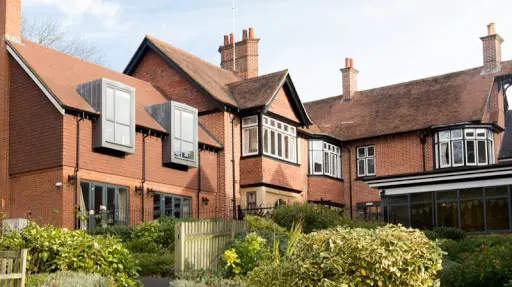
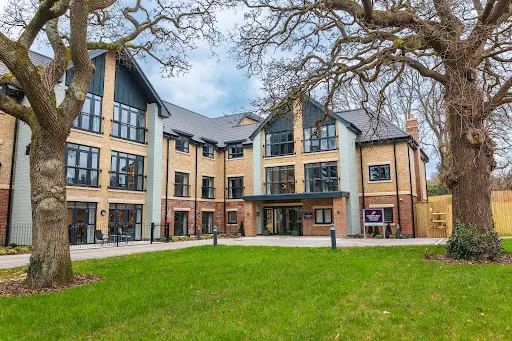
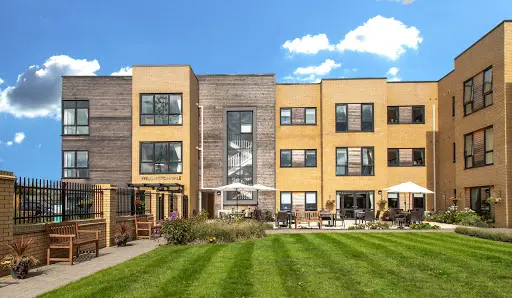
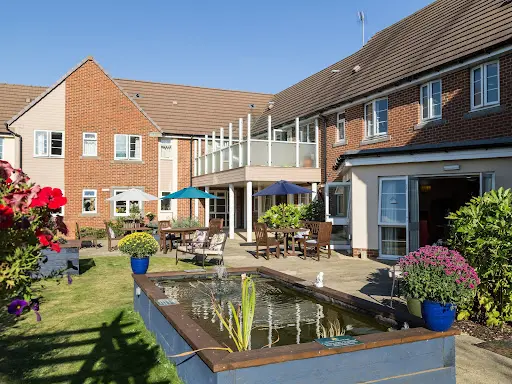
The home & environment
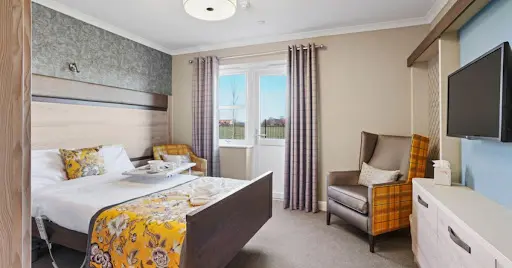
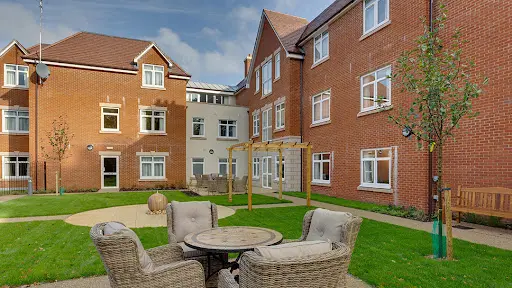
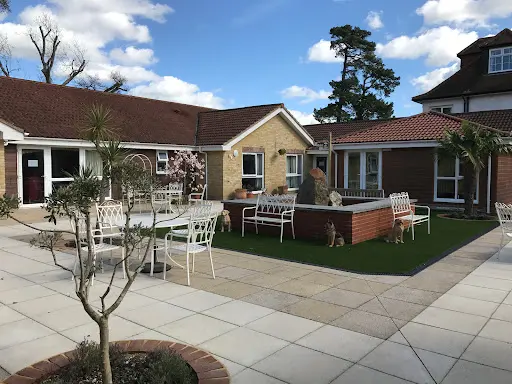
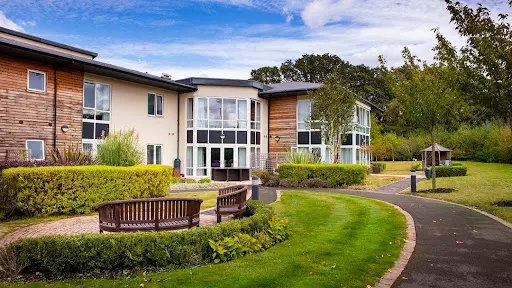
The home provides meals with good choice for residents, and runs activities suited to different interests and abilities. Some families have found the setting particularly homely for those recovering from hospital stays.
“Every family's situation is unique, and visiting Rosewood will help you understand if it's the right fit for your loved one.”
DCC does not edit or curate content in this tab. For independently curated information, see The Evidence and DCC Verdict.