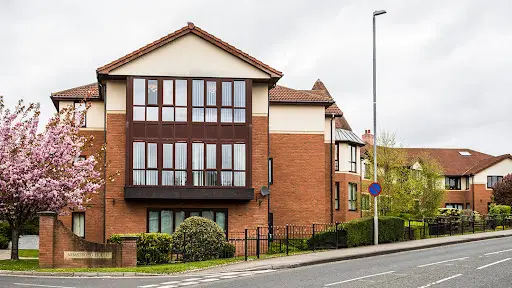
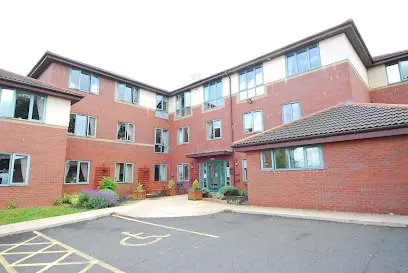
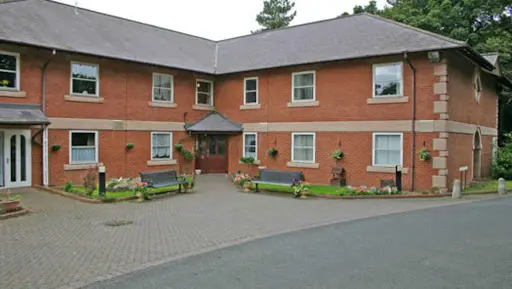
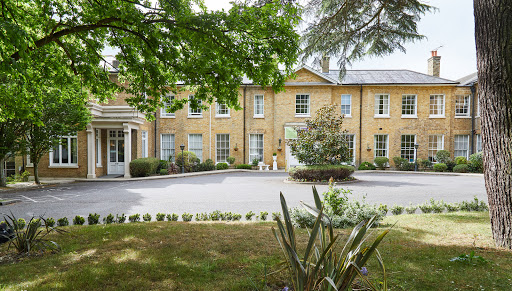
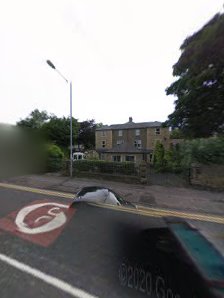
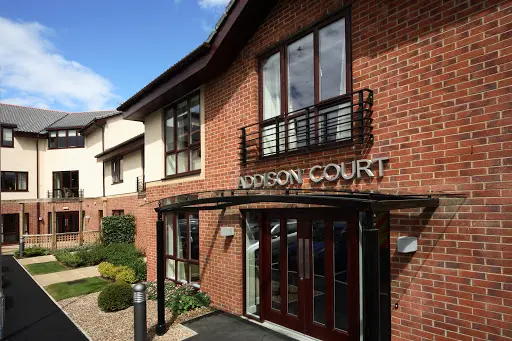
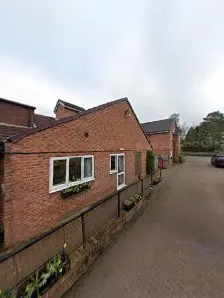
Wardley Gate Care Home
At a Glance
The information you need to decide whether this home warrants a closer look.
Residential homes
Staff warmth score
of reviewers answered yes
Good to know
- Registered beds88
- SpecialismsCaring for adults over 65 yrs, Caring for adults under 65 yrs, Dementia, Physical disabilities, Sensory impairment
- Last inspected2018-08-24
Save Wardley Gate Care Home to your shortlist
Keep a running list, add visit notes, and compare homes side-by-side. Free account — it takes a minute.
STAGE 4 — RESEARCHING CARE HOMES
Visit homes. Compare them side by side. Choose with confidence.
Most of us will view care homes the way we view houses, impression, atmosphere, the feeling in the corridor. We go home, try to remember what we saw, and make a permanent decision from a blurred memory.

The DCC shortlist gives every home you visit a structured record: the same twelve questions, answered the same way, every time. When you’re ready to choose, pull any two homes side by side and compare them directly. Same criteria, same evidence, your notes and your scores.
The Evidence
What the review data, the inspection reports, and the dementia-care evidence base tell us about this home.
What families say
The moment families walk through the door, they notice something different. Staff here have a natural warmth that immediately puts visitors at ease, creating connections that feel genuine rather than professional distance. Residents respond to this approach, often showing improvements in mood and engagement that surprise their relatives.
The eight family priority themes
- Staff warmth55
- Compassion & dignity55
- Cleanliness60
- Activities & engagement50
- Food quality50
- Healthcare55
- Management & leadership65
- Resident happiness55
What inspectors found
Inspected 2018-08-24
Is this home safe?
Is the care effective?
The home was rated Good for effectiveness at its February 2022 inspection. The subsequent monitoring review in July 2023 found no reason to change that rating. The published text does not include specific detail about care plan quality, GP access, dementia training content, or how food choices are managed for residents with swallowing difficulties or complex dietary needs.Is this home caring?
The home received a Good rating for caring at its February 2022 inspection. No specific inspector observations about staff warmth, dignity practices, or how residents are addressed and supported are included in the published findings. The monitoring review in July 2023 confirmed the rating remained appropriate.Is the home responsive?
Wardley Gate received a Good rating for responsiveness at its February 2022 inspection, covering activities, individual engagement, and end-of-life care. The published findings include no specific information about the activities programme, one-to-one engagement for residents who cannot join groups, or how individual preferences are reflected in daily life.Is the home well-led?
The home was rated Good for being well-led at its February 2022 inspection. A named registered manager is recorded in the registration data. The home's improvement from a previous Requires Improvement rating across all domains suggests the management team has been effective in driving change. No specific details about management visibility, staff culture, governance processes, or how complaints are handled appear in the published findings.
Source: CQC inspection report →
What the evidence base says
The home welcomes adults both under and over 65, with particular experience supporting those with dementia, physical disabilities, and sensory impairments. For residents living with dementia, the team brings both compassion and practical expertise. They work with the unique challenges of delirium and confusion, helping residents feel secure while maintaining their sense of self. All areas worth probing directly during a visit.
The DCC Verdict
Our editorial view, built from the three lenses: what families tell us, what inspectors record, and how the home sits against good dementia-care practice.
DCC Family Score
Wardley Gate Care Centre holds a Good rating across all five inspection domains, which is a meaningful improvement from its previous Requires Improvement status. However, the published inspection text contains very little specific detail, so most scores sit in the mid-range: the Good rating is confirmed, but the evidence behind it is thin enough that you will need to fill in the gaps yourself on a visit.
Homes in North East typically score 68–82.The three-lens summary
What families tell us
The moment families walk through the door, they notice something different. Staff here have a natural warmth that immediately puts visitors at ease, creating connections that feel genuine rather than professional distance. Residents respond to this approach, often showing improvements in mood and engagement that surprise their relatives.
What inspectors have recorded
The team coordinates closely with hospitals to ensure smooth transitions, arranging everything before admission so families don't face additional stress. Staff show particular skill in working with residents who've experienced decline elsewhere, using patient approaches that help people regain abilities their families feared were lost. Communication flows naturally between carers and relatives.
How it sits against good practice
Sometimes the right environment makes all the difference in helping someone find their way back to themselves.
Worth a visit
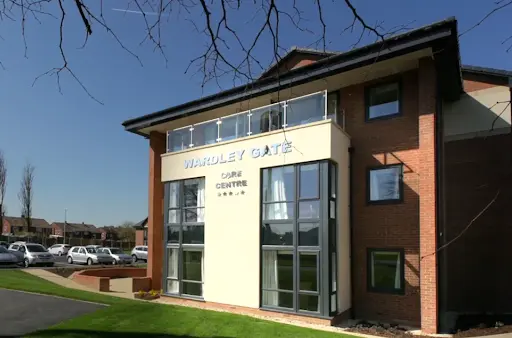
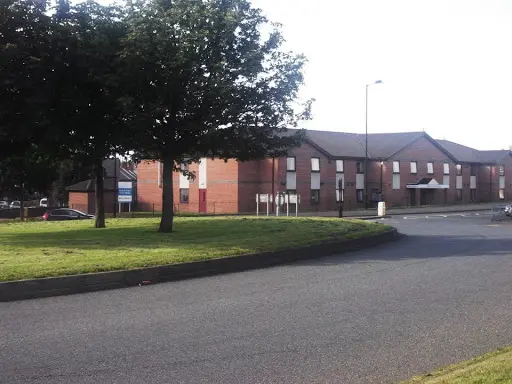
Wardley Gate Care Centre on Lingey Lane in Gateshead was rated Good across all five inspection domains at its last full inspection in February 2022. That rating was reviewed in July 2023 and held, with inspectors finding no evidence to trigger a reassessment. Importantly, the home has improved from a previous Requires Improvement rating, which suggests the management team has been able to identify problems and address them. A named registered manager is recorded as being in post. The honest caveat is significant: the published inspection text is extremely brief and contains almost no specific observations about daily life at Wardley Gate. What staff are like, whether mealtimes are enjoyable, how activities are run, and whether the environment suits someone with dementia are all questions the inspection findings simply do not answer. The Good rating is a solid starting point, but it is now several years old for a home with 88 beds and a range of specialisms including dementia and physical disabilities. Before making a decision, visit in person during a mealtime, ask the manager for the actual staffing rota from last week, and specifically ask how many permanent staff work overnight on the dementia unit.
The three questions to ask when you visitSave this home. Compare it against your shortlist.
Let our analysis show you how Wardley Gate Care Home measures up against the other homes you’re considering. Free account.
In Their Own Words
How Wardley Gate Care Home describes itself — collected from its own website. DCC has not edited or independently verified the content in this tab.
Where recovery stories unfold through gentle, skilled support
Compassionate Care in Gateshead at Enhanced Elderly Care Service – Wardley Gate Care Centre
When families arrive at Wardley Gate Care Centre in Gateshead, they often carry the weight of difficult hospital experiences and uncertain futures. What they discover is a team who understand that real care goes beyond medical needs — it's about helping people rediscover themselves. This specialist home creates an environment where residents can rebuild their confidence, whether they're managing dementia, physical disabilities, or sensory challenges.
Who they care for
The home welcomes adults both under and over 65, with particular experience supporting those with dementia, physical disabilities, and sensory impairments.
For residents living with dementia, the team brings both compassion and practical expertise. They work with the unique challenges of delirium and confusion, helping residents feel secure while maintaining their sense of self.
“Sometimes the right environment makes all the difference in helping someone find their way back to themselves.”
DCC does not edit or curate content in this tab. For independently curated information, see The Evidence and DCC Verdict.
The DCC Verdict
Our editorial view, built from the three lenses: what families tell us, what inspectors record, and how the home sits against good dementia-care practice.
DCC Family Score
Wardley Gate Care Centre holds a Good rating across all five inspection domains, which is a meaningful improvement from its previous Requires Improvement status. However, the published inspection text contains very little specific detail, so most scores sit in the mid-range: the Good rating is confirmed, but the evidence behind it is thin enough that you will need to fill in the gaps yourself on a visit.
Homes in North East typically score 68–82.The three-lens summary
What families tell us
The moment families walk through the door, they notice something different. Staff here have a natural warmth that immediately puts visitors at ease, creating connections that feel genuine rather than professional distance. Residents respond to this approach, often showing improvements in mood and engagement that surprise their relatives.
What inspectors have recorded
The team coordinates closely with hospitals to ensure smooth transitions, arranging everything before admission so families don't face additional stress. Staff show particular skill in working with residents who've experienced decline elsewhere, using patient approaches that help people regain abilities their families feared were lost. Communication flows naturally between carers and relatives.
How it sits against good practice
Sometimes the right environment makes all the difference in helping someone find their way back to themselves.
Worth a visit
Wardley Gate Care Centre on Lingey Lane in Gateshead was rated Good across all five inspection domains at its last full inspection in February 2022. That rating was reviewed in July 2023 and held, with inspectors finding no evidence to trigger a reassessment. Importantly, the home has improved from a previous Requires Improvement rating, which suggests the management team has been able to identify problems and address them. A named registered manager is recorded as being in post. The honest caveat is significant: the published inspection text is extremely brief and contains almost no specific observations about daily life at Wardley Gate. What staff are like, whether mealtimes are enjoyable, how activities are run, and whether the environment suits someone with dementia are all questions the inspection findings simply do not answer. The Good rating is a solid starting point, but it is now several years old for a home with 88 beds and a range of specialisms including dementia and physical disabilities. Before making a decision, visit in person during a mealtime, ask the manager for the actual staffing rota from last week, and specifically ask how many permanent staff work overnight on the dementia unit.
The three questions to ask when you visitSave this home. Compare it against your shortlist.
Let our analysis show you how Wardley Gate Care Home measures up against the other homes you’re considering. Free account.
In Their Own Words
How Wardley Gate Care Home describes itself — collected from its own website. DCC has not edited or independently verified the content in this tab.
Where recovery stories unfold through gentle, skilled support
Compassionate Care in Gateshead at Enhanced Elderly Care Service – Wardley Gate Care Centre
When families arrive at Wardley Gate Care Centre in Gateshead, they often carry the weight of difficult hospital experiences and uncertain futures. What they discover is a team who understand that real care goes beyond medical needs — it's about helping people rediscover themselves. This specialist home creates an environment where residents can rebuild their confidence, whether they're managing dementia, physical disabilities, or sensory challenges.
Who they care for
The home welcomes adults both under and over 65, with particular experience supporting those with dementia, physical disabilities, and sensory impairments.
For residents living with dementia, the team brings both compassion and practical expertise. They work with the unique challenges of delirium and confusion, helping residents feel secure while maintaining their sense of self.
Management & ethos
The team coordinates closely with hospitals to ensure smooth transitions, arranging everything before admission so families don't face additional stress. Staff show particular skill in working with residents who've experienced decline elsewhere, using patient approaches that help people regain abilities their families feared were lost. Communication flows naturally between carers and relatives.
The home & environment
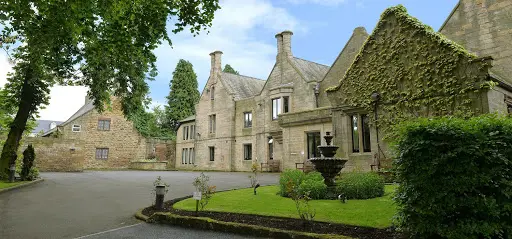
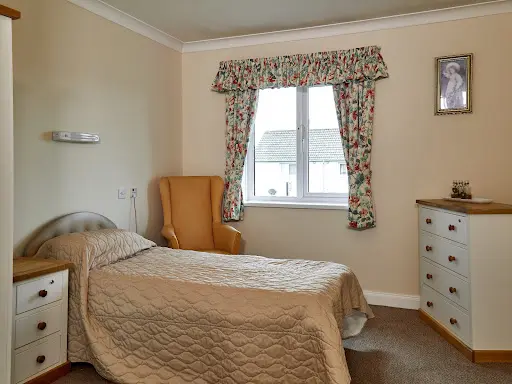
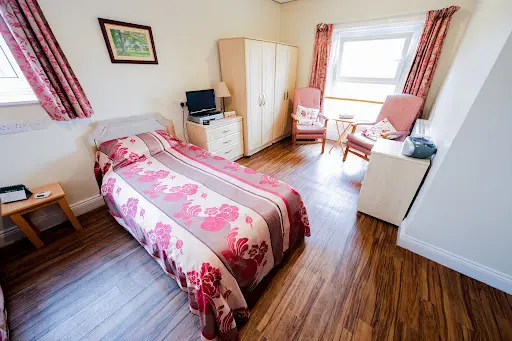
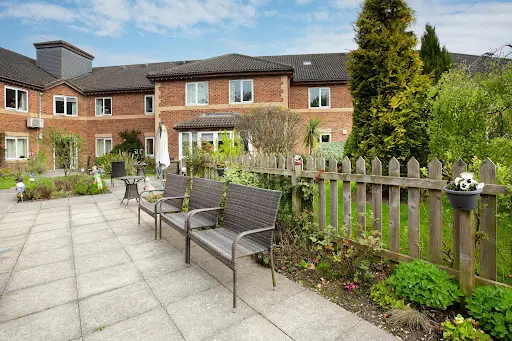
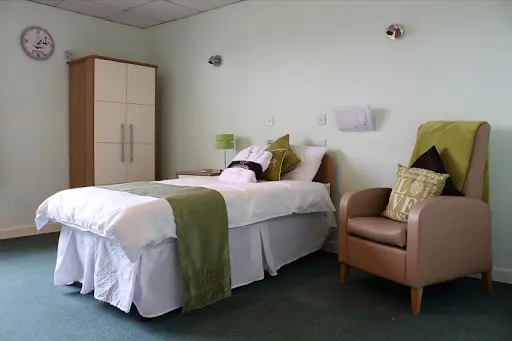
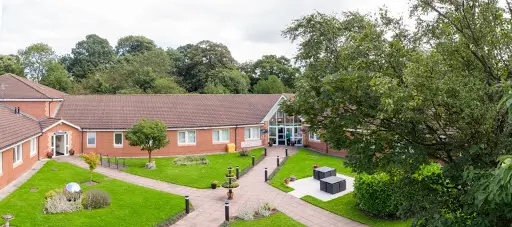
Rooms are prepared thoughtfully before each new resident arrives, with attention to creating a comfortable, clean environment. The home maintains high standards throughout, with spaces that feel cared for rather than institutional. Regular activities give structure to days while being flexible enough to match different abilities and interests.
“Sometimes the right environment makes all the difference in helping someone find their way back to themselves.”
DCC does not edit or curate content in this tab. For independently curated information, see The Evidence and DCC Verdict.