Badgers Holt Residential Care Home
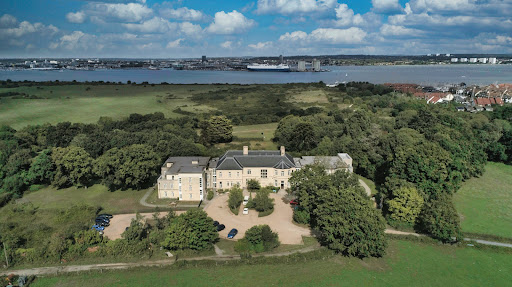
At a Glance
The information you need to decide whether this home warrants a closer look.
Residential homes
Staff warmth score
of reviewers answered yes
Good to know
- Registered beds25
- SpecialismsCaring for adults over 65 yrs, Dementia
- Last inspected2019-05-14
Save Badgers Holt Residential Care Home to your shortlist
Keep a running list, add visit notes, and compare homes side-by-side. Free account — it takes a minute.
STAGE 4 — RESEARCHING CARE HOMES
Visit homes. Compare them side by side. Choose with confidence.
Most of us will view care homes the way we view houses, impression, atmosphere, the feeling in the corridor. We go home, try to remember what we saw, and make a permanent decision from a blurred memory.

The DCC shortlist gives every home you visit a structured record: the same twelve questions, answered the same way, every time. When you’re ready to choose, pull any two homes side by side and compare them directly. Same criteria, same evidence, your notes and your scores.
The Evidence
What the review data, the inspection reports, and the dementia-care evidence base tell us about this home.
What families say
Families describe a place where residents appear happy and settled in their surroundings. The staff team shows real understanding in how they support people, treating everyone with respect and maintaining their dignity. Regular activities and organised days out help create variety and keep life interesting for those who live here.
The eight family priority themes
- Staff warmth72
- Compassion & dignity72
- Cleanliness72
- Activities & engagement55
- Food quality55
- Healthcare65
- Management & leadership45
- Resident happiness70
What inspectors found
Inspected 2019-05-14
Is this home safe?
Is the care effective?
The Effective domain was rated Good at the August 2025 inspection. This covers care planning, training, healthcare access, and nutrition. The published summary does not include specific detail on how care plans are constructed, how frequently they are reviewed, or what dementia training staff have completed. A Good rating here suggests that the basic infrastructure of effective care was in place, but the absence of specific evidence means it is not possible to judge how personalised or responsive that care actually is in practice.Is this home caring?
The Caring domain was rated Good at the August 2025 inspection. This domain covers how staff treat the people who live at Badgers Holt: whether they are kind, unhurried, and respectful of privacy and dignity. The published summary does not include specific inspector observations, resident comments, or relative feedback that would allow a detailed picture to be drawn. A Good rating is a positive indicator, but without specific evidence it is not possible to say whether this reflects consistently warm interactions or a more variable experience.Is the home responsive?
The Responsive domain was rated Good at the August 2025 inspection. Responsiveness covers whether the home tailors its offer to individual needs, including activities, social engagement, and end-of-life planning. The published summary does not describe specific activity programmes, individual engagement approaches for residents with advanced dementia, or how the home handles complaints and end-of-life planning. A Good rating is positive but, as with the other domains, the absence of specific evidence limits what can be said with confidence.Is the home well-led?
The Well-led domain was rated Requires Improvement at the August 2025 inspection. This is the most significant finding in the report and covers management oversight, governance systems, staff culture, and the home's ability to identify and act on problems. The registered manager, Adam Farral, is also the nominated individual for the provider, meaning he holds overall accountability for the home's operation. The published summary does not detail what specific concerns the inspectors identified. A Requires Improvement in Well-led does not mean the home is unsafe, but it does mean that the systems designed to keep everything else on track were not fully adequate at the time of inspection.
Source: CQC inspection report →
What the evidence base says
Badgers Holt specialises in residential care for adults over 65, including those living with dementia. The home welcomes residents with dementia as part of their care provision. Their experienced team works to support people at different stages of their dementia journey. All areas worth probing directly during a visit.
The DCC Verdict
Our editorial view, built from the three lenses: what families tell us, what inspectors record, and how the home sits against good dementia-care practice.
DCC Family Score
Badgers Holt scores 72 out of 100, reflecting a Good rating across four domains with solid but generally described evidence, offset by a Requires Improvement finding in Well-led which weighs on confidence in management and oversight.
Homes in South East typically score 68–82.The three-lens summary
What families tell us
Families describe a place where residents appear happy and settled in their surroundings. The staff team shows real understanding in how they support people, treating everyone with respect and maintaining their dignity. Regular activities and organised days out help create variety and keep life interesting for those who live here.
What inspectors have recorded
The home runs smoothly day to day, with families noting the competent way things are organised. Staff demonstrate consistent compassion in their approach to care, creating an environment where residents feel supported.
How it sits against good practice
For families exploring care options in the Southampton area, a visit to Badgers Holt could help you get a feel for the atmosphere here.
Worth a visit
Badgers Holt Residential Care Home on Butts Ash Lane in Southampton was assessed in August 2025, with the report published in November 2025. The home received Good ratings across Safety, Effectiveness, Caring, and Responsiveness, which represents a positive picture for a 25-bed home specialising in dementia care for adults over 65. The registered manager, Adam Farral, is also the nominated individual, suggesting direct personal accountability for the home's operation. The main uncertainty here is the Requires Improvement rating in Well-led. This is the domain that covers management oversight, governance, and whether problems are identified and acted on. For a home caring for people living with dementia, strong leadership is not optional: it is what keeps everything else on track. The published inspection summary does not detail what specifically led to this rating, so on your visit you should ask the manager directly what the inspectors flagged, what has changed since August 2025, and what evidence they can show you of improvement. Also ask about staff turnover, how often care plans are reviewed, and whether families receive regular updates about their parent's wellbeing.
The three questions to ask when you visitSave this home. Compare it against your shortlist.
Let our analysis show you how Badgers Holt Residential Care Home measures up against the other homes you’re considering. Free account.
In Their Own Words
How Badgers Holt Residential Care Home describes itself — collected from its own website. DCC has not edited or independently verified the content in this tab.
Where long-serving staff create a caring, settled atmosphere
Badgers Holt Residential Care Home – Expert Care in Southampton
When families visit Badgers Holt Residential Care Home in Southampton, they often comment on how content their loved ones seem. The home has built a reputation for maintaining a clean, comfortable environment where residents feel genuinely cared for. Staff members, many of whom have worked here for years, bring both experience and compassion to their daily work.
Who they care for
Badgers Holt specialises in residential care for adults over 65, including those living with dementia.
The home welcomes residents with dementia as part of their care provision. Their experienced team works to support people at different stages of their dementia journey.
“For families exploring care options in the Southampton area, a visit to Badgers Holt could help you get a feel for the atmosphere here.”
DCC does not edit or curate content in this tab. For independently curated information, see The Evidence and DCC Verdict.
The DCC Verdict
Our editorial view, built from the three lenses: what families tell us, what inspectors record, and how the home sits against good dementia-care practice.
DCC Family Score
Badgers Holt scores 72 out of 100, reflecting a Good rating across four domains with solid but generally described evidence, offset by a Requires Improvement finding in Well-led which weighs on confidence in management and oversight.
Homes in South East typically score 68–82.The three-lens summary
What families tell us
Families describe a place where residents appear happy and settled in their surroundings. The staff team shows real understanding in how they support people, treating everyone with respect and maintaining their dignity. Regular activities and organised days out help create variety and keep life interesting for those who live here.
What inspectors have recorded
The home runs smoothly day to day, with families noting the competent way things are organised. Staff demonstrate consistent compassion in their approach to care, creating an environment where residents feel supported.
How it sits against good practice
For families exploring care options in the Southampton area, a visit to Badgers Holt could help you get a feel for the atmosphere here.
Worth a visit
Badgers Holt Residential Care Home on Butts Ash Lane in Southampton was assessed in August 2025, with the report published in November 2025. The home received Good ratings across Safety, Effectiveness, Caring, and Responsiveness, which represents a positive picture for a 25-bed home specialising in dementia care for adults over 65. The registered manager, Adam Farral, is also the nominated individual, suggesting direct personal accountability for the home's operation. The main uncertainty here is the Requires Improvement rating in Well-led. This is the domain that covers management oversight, governance, and whether problems are identified and acted on. For a home caring for people living with dementia, strong leadership is not optional: it is what keeps everything else on track. The published inspection summary does not detail what specifically led to this rating, so on your visit you should ask the manager directly what the inspectors flagged, what has changed since August 2025, and what evidence they can show you of improvement. Also ask about staff turnover, how often care plans are reviewed, and whether families receive regular updates about their parent's wellbeing.
The three questions to ask when you visitSave this home. Compare it against your shortlist.
Let our analysis show you how Badgers Holt Residential Care Home measures up against the other homes you’re considering. Free account.
In Their Own Words
How Badgers Holt Residential Care Home describes itself — collected from its own website. DCC has not edited or independently verified the content in this tab.
Where long-serving staff create a caring, settled atmosphere
Badgers Holt Residential Care Home – Expert Care in Southampton
When families visit Badgers Holt Residential Care Home in Southampton, they often comment on how content their loved ones seem. The home has built a reputation for maintaining a clean, comfortable environment where residents feel genuinely cared for. Staff members, many of whom have worked here for years, bring both experience and compassion to their daily work.
Who they care for
Badgers Holt specialises in residential care for adults over 65, including those living with dementia.
The home welcomes residents with dementia as part of their care provision. Their experienced team works to support people at different stages of their dementia journey.
Management & ethos
The home runs smoothly day to day, with families noting the competent way things are organised. Staff demonstrate consistent compassion in their approach to care, creating an environment where residents feel supported.
The home & environment
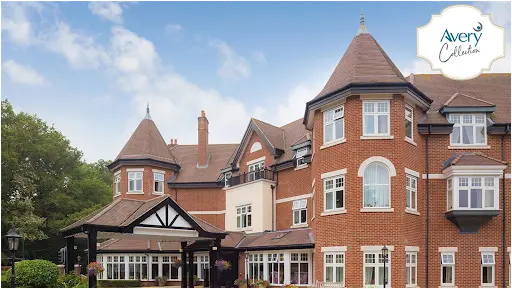
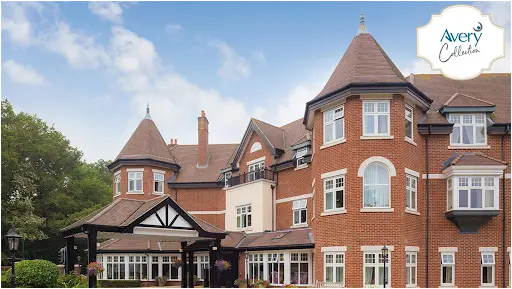
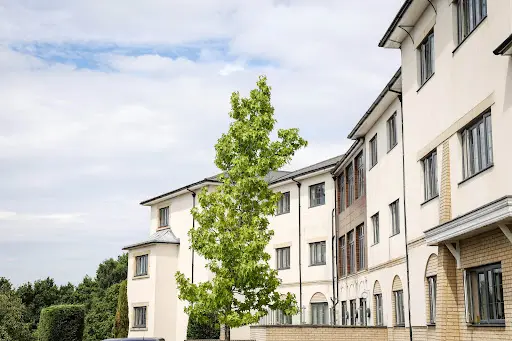
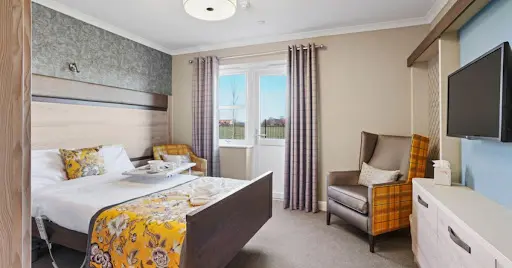
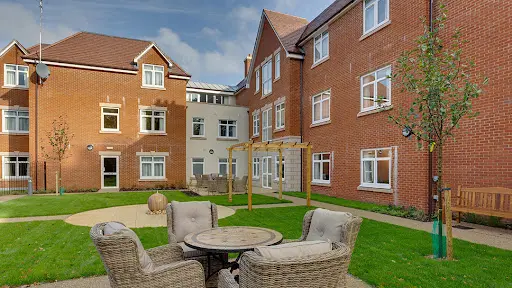
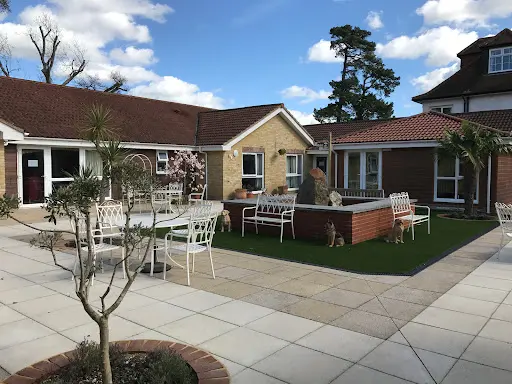
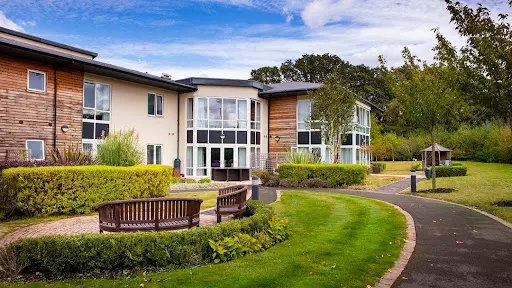
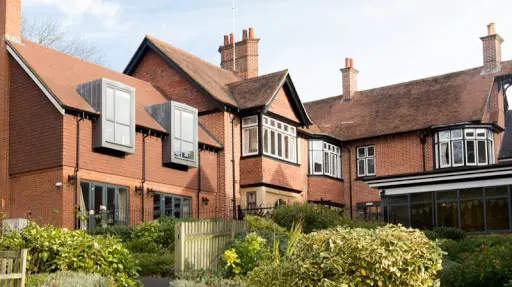
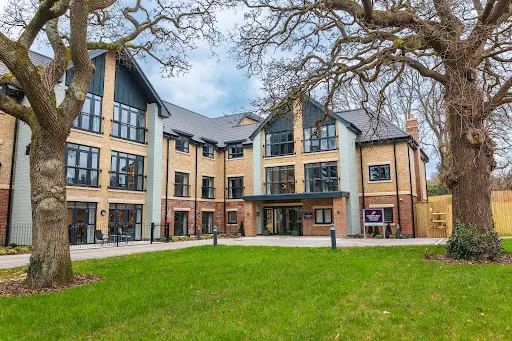
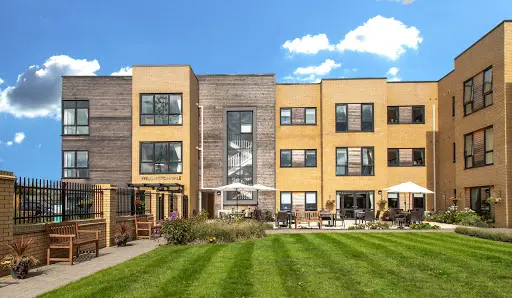
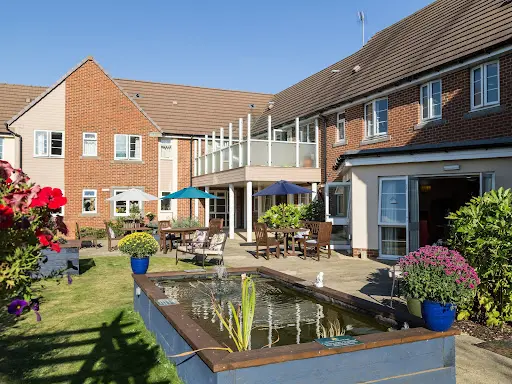
The home maintains modern, well-decorated spaces throughout the building. Comfortable accommodation meets residents' needs, while attractive gardens provide pleasant outdoor areas when the weather allows.
“For families exploring care options in the Southampton area, a visit to Badgers Holt could help you get a feel for the atmosphere here.”
DCC does not edit or curate content in this tab. For independently curated information, see The Evidence and DCC Verdict.