Aspen Lodge Care Home
At a Glance
The information you need to decide whether this home warrants a closer look.
Residential homes
Staff warmth score
of reviewers answered yes
Good to know
- Registered beds20
- SpecialismsCaring for adults over 65 yrs, Caring for adults under 65 yrs, Dementia, Mental health conditions, Physical disabilities, Sensory impairment
- Last inspected2018-08-29
Save Aspen Lodge Care Home to your shortlist
Keep a running list, add visit notes, and compare homes side-by-side. Free account — it takes a minute.
STAGE 4 — RESEARCHING CARE HOMES
Visit homes. Compare them side by side. Choose with confidence.
Most of us will view care homes the way we view houses, impression, atmosphere, the feeling in the corridor. We go home, try to remember what we saw, and make a permanent decision from a blurred memory.

The DCC shortlist gives every home you visit a structured record: the same twelve questions, answered the same way, every time. When you’re ready to choose, pull any two homes side by side and compare them directly. Same criteria, same evidence, your notes and your scores.
The Evidence
What the review data, the inspection reports, and the dementia-care evidence base tell us about this home.
What families say
Families visiting their loved ones often comment on finding residents looking content and well-cared-for. The atmosphere feels calm even during busy periods, with staff maintaining their composure while managing multiple responsibilities.
The eight family priority themes
- Staff warmth72
- Compassion & dignity72
- Cleanliness65
- Activities & engagement55
- Food quality55
- Healthcare65
- Management & leadership70
- Resident happiness65
What inspectors found
Inspected 2018-08-29
Is this home safe?
Is the care effective?
The inspection rated this domain as Good. The published findings do not include specific detail about how care plans are written, how frequently they are reviewed, what dementia training staff have completed, how GP and healthcare access works, or how food quality and choice are managed. The home is registered as a dementia specialism, which means inspectors would have considered these factors, but the evidence is not reproduced in the available report text.Is this home caring?
The inspection rated this domain as Good. The published report does not reproduce specific inspector observations about how staff interact with residents, how dignity and privacy are maintained, or how residents' independence is supported. No concerns were raised. Staff warmth and compassion are the two highest-weighted factors in family satisfaction data, so the absence of specific evidence in this domain is worth noting, even against a positive overall rating.Is the home responsive?
The inspection rated this domain as Good. The published findings do not include detail about the activities programme, how the home tailors activities to individuals with dementia or physical disabilities, how complaints are handled, or how end-of-life wishes are recorded and respected. The home's mixed registration, covering people with dementia, mental health conditions, physical disabilities, and sensory impairments, means responsiveness to individual need is particularly important.Is the home well-led?
The inspection rated this domain as Good. Two registered managers are named on the record: Miss Arceli Morga De Leon and Mr Chandana Meepegama, with Mr Meepegama also listed as the Nominated Individual. Having two registered managers at a 20-bed home is unusual and worth exploring: it may reflect a planned transition, a job-share arrangement, or a period of change. The published findings do not include observations about management visibility, staff culture, or governance systems.
Source: CQC inspection report →
What the evidence base says
The home specialises in dementia care, mental health conditions, and physical disabilities, supporting both younger adults under 65 and older residents. They also provide care for people with sensory impairments. Their dementia care approach focuses on creating a secure environment where residents with varying stages of memory loss can feel safe. Staff receive specific training to understand and respond to the unique challenges dementia presents. All areas worth probing directly during a visit.
The DCC Verdict
Our editorial view, built from the three lenses: what families tell us, what inspectors record, and how the home sits against good dementia-care practice.
DCC Family Score
Aspen Lodge Care Home received a Good rating across all five domains at its March 2025 inspection, which is a positive foundation, but the published report contains limited specific detail, observations, or direct testimony to push the score higher. The rating reflects a home that meets standards, though families will need to ask direct questions to fill the gaps in the publicly available evidence.
Homes in South East typically score 68–82.The three-lens summary
What families tell us
Families visiting their loved ones often comment on finding residents looking content and well-cared-for. The atmosphere feels calm even during busy periods, with staff maintaining their composure while managing multiple responsibilities.
What inspectors have recorded
Staff here work hard to maintain professional standards, with training systems in place to support quality care. Some visitors have noticed the team can seem stretched at times, though they consistently see staff treating residents with patience and respect.
How it sits against good practice
If you're weighing up specialist care options in Southampton, visiting Aspen Lodge could help you get a feel for whether their approach matches what your family member needs.
Worth a visit
Aspen Lodge Care Home, at 222 Weston Lane in Southampton, was rated Good across all five inspection domains at its most recent assessment on 4 March 2025, with the report published on 28 May 2025. The home is a small residential service with 20 beds, registered to support people over and under 65 with dementia, mental health conditions, physical disabilities, and sensory impairments. Two registered managers are named on the record, which indicates formal leadership accountability is in place. A Good rating across every domain is a meaningful baseline: it means inspectors found no significant concerns about safety, effectiveness, caring, responsiveness, or leadership. The main uncertainty here is the level of detail in the publicly available findings. The published report does not include specific inspector observations, direct quotes from residents or families, or detailed evidence about day-to-day life such as food, activities, staffing ratios, or dementia-specific practices. This does not mean those things are absent; it means you need to find out for yourself on a visit. When you go, ask to see last week's actual staffing rota (counting permanent versus agency names, especially overnight), observe whether staff use your parent's preferred name without being prompted, and ask how the home would contact you if something changed in your parent's health.
The three questions to ask when you visitSave this home. Compare it against your shortlist.
Let our analysis show you how Aspen Lodge Care Home measures up against the other homes you’re considering. Free account.
In Their Own Words
How Aspen Lodge Care Home describes itself — collected from its own website. DCC has not edited or independently verified the content in this tab.
Supporting complex care needs with specialist expertise in Southampton
Residential home in Southampton: True Peace of Mind
When you're looking for specialist care that can handle multiple complex needs, finding the right environment matters deeply. Aspen Lodge Care Home in Southampton brings together experienced staff who understand the challenges of caring for people with dementia, mental health conditions, and physical disabilities. The home supports both younger adults and those over 65, creating a secure environment where different care needs are met with professional understanding.
Who they care for
The home specialises in dementia care, mental health conditions, and physical disabilities, supporting both younger adults under 65 and older residents. They also provide care for people with sensory impairments.
Their dementia care approach focuses on creating a secure environment where residents with varying stages of memory loss can feel safe. Staff receive specific training to understand and respond to the unique challenges dementia presents.
“If you're weighing up specialist care options in Southampton, visiting Aspen Lodge could help you get a feel for whether their approach matches what your family member needs.”
DCC does not edit or curate content in this tab. For independently curated information, see The Evidence and DCC Verdict.
The DCC Verdict
Our editorial view, built from the three lenses: what families tell us, what inspectors record, and how the home sits against good dementia-care practice.
DCC Family Score
Aspen Lodge Care Home received a Good rating across all five domains at its March 2025 inspection, which is a positive foundation, but the published report contains limited specific detail, observations, or direct testimony to push the score higher. The rating reflects a home that meets standards, though families will need to ask direct questions to fill the gaps in the publicly available evidence.
Homes in South East typically score 68–82.The three-lens summary
What families tell us
Families visiting their loved ones often comment on finding residents looking content and well-cared-for. The atmosphere feels calm even during busy periods, with staff maintaining their composure while managing multiple responsibilities.
What inspectors have recorded
Staff here work hard to maintain professional standards, with training systems in place to support quality care. Some visitors have noticed the team can seem stretched at times, though they consistently see staff treating residents with patience and respect.
How it sits against good practice
If you're weighing up specialist care options in Southampton, visiting Aspen Lodge could help you get a feel for whether their approach matches what your family member needs.
Worth a visit
Aspen Lodge Care Home, at 222 Weston Lane in Southampton, was rated Good across all five inspection domains at its most recent assessment on 4 March 2025, with the report published on 28 May 2025. The home is a small residential service with 20 beds, registered to support people over and under 65 with dementia, mental health conditions, physical disabilities, and sensory impairments. Two registered managers are named on the record, which indicates formal leadership accountability is in place. A Good rating across every domain is a meaningful baseline: it means inspectors found no significant concerns about safety, effectiveness, caring, responsiveness, or leadership. The main uncertainty here is the level of detail in the publicly available findings. The published report does not include specific inspector observations, direct quotes from residents or families, or detailed evidence about day-to-day life such as food, activities, staffing ratios, or dementia-specific practices. This does not mean those things are absent; it means you need to find out for yourself on a visit. When you go, ask to see last week's actual staffing rota (counting permanent versus agency names, especially overnight), observe whether staff use your parent's preferred name without being prompted, and ask how the home would contact you if something changed in your parent's health.
The three questions to ask when you visitSave this home. Compare it against your shortlist.
Let our analysis show you how Aspen Lodge Care Home measures up against the other homes you’re considering. Free account.
In Their Own Words
How Aspen Lodge Care Home describes itself — collected from its own website. DCC has not edited or independently verified the content in this tab.
Supporting complex care needs with specialist expertise in Southampton
Residential home in Southampton: True Peace of Mind
When you're looking for specialist care that can handle multiple complex needs, finding the right environment matters deeply. Aspen Lodge Care Home in Southampton brings together experienced staff who understand the challenges of caring for people with dementia, mental health conditions, and physical disabilities. The home supports both younger adults and those over 65, creating a secure environment where different care needs are met with professional understanding.
Who they care for
The home specialises in dementia care, mental health conditions, and physical disabilities, supporting both younger adults under 65 and older residents. They also provide care for people with sensory impairments.
Their dementia care approach focuses on creating a secure environment where residents with varying stages of memory loss can feel safe. Staff receive specific training to understand and respond to the unique challenges dementia presents.
Management & ethos
Staff here work hard to maintain professional standards, with training systems in place to support quality care. Some visitors have noticed the team can seem stretched at times, though they consistently see staff treating residents with patience and respect.
The home & environment
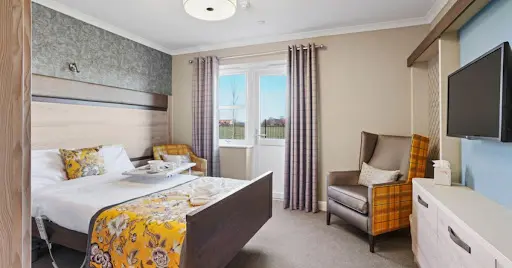
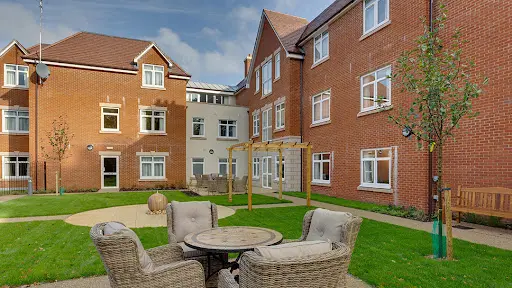
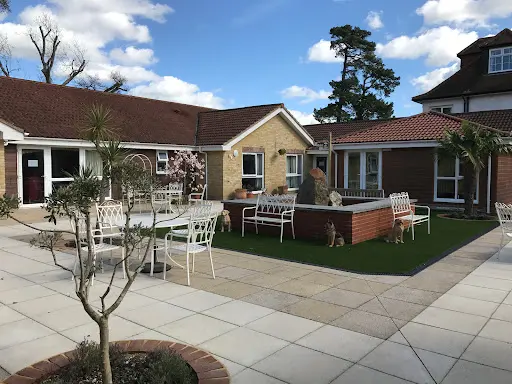
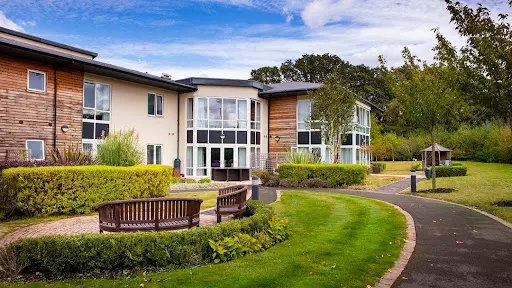
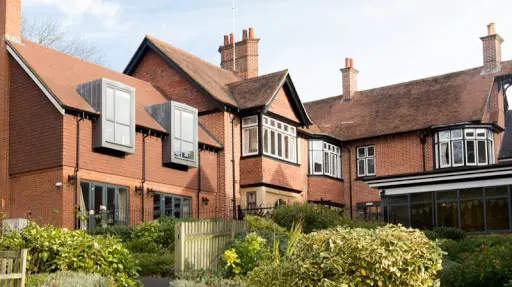
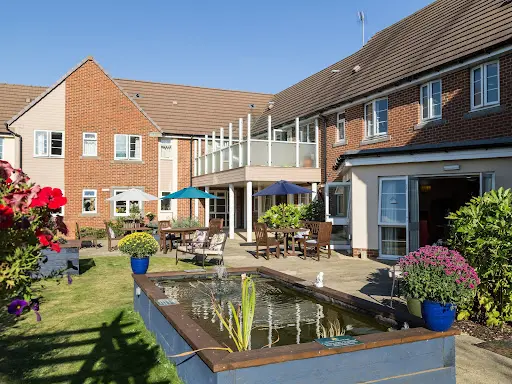
The home maintains clean, well-kept surroundings that families appreciate when they visit. While the building itself shows its age in places, the focus remains on creating secure, hygienic spaces for residents.
“If you're weighing up specialist care options in Southampton, visiting Aspen Lodge could help you get a feel for whether their approach matches what your family member needs.”
DCC does not edit or curate content in this tab. For independently curated information, see The Evidence and DCC Verdict.