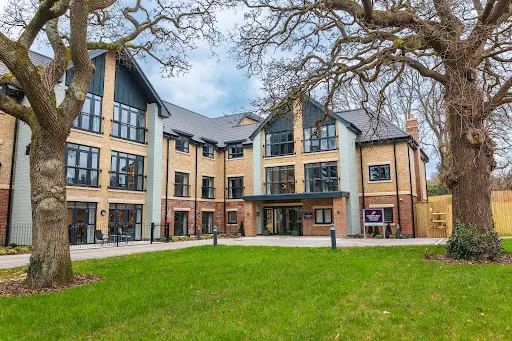
St Katherine Care Home

At a Glance
The information you need to decide whether this home warrants a closer look.
Residential homes
Staff warmth score
of reviewers answered yes
Good to know
- Registered beds24
- SpecialismsCaring for adults over 65 yrs, Dementia, Mental health conditions
- Last inspected2018-05-03
Save St Katherine Care Home to your shortlist
Keep a running list, add visit notes, and compare homes side-by-side. Free account — it takes a minute.
STAGE 4 — RESEARCHING CARE HOMES
Visit homes. Compare them side by side. Choose with confidence.
Most of us will view care homes the way we view houses, impression, atmosphere, the feeling in the corridor. We go home, try to remember what we saw, and make a permanent decision from a blurred memory.

The DCC shortlist gives every home you visit a structured record: the same twelve questions, answered the same way, every time. When you’re ready to choose, pull any two homes side by side and compare them directly. Same criteria, same evidence, your notes and your scores.
The Evidence
What the review data, the inspection reports, and the dementia-care evidence base tell us about this home.
What families say
Families describe feeling genuinely welcomed when they visit. The staff create a warm atmosphere where both residents and their relatives feel comfortable and valued. There's a sense that everyone matters here, from the person living with dementia to the family members navigating this difficult journey.
The eight family priority themes
- Staff warmth55
- Compassion & dignity55
- Cleanliness55
- Activities & engagement50
- Food quality50
- Healthcare55
- Management & leadership60
- Resident happiness55
What inspectors found
Inspected 2018-05-03
Is this home safe?
Is the care effective?
The Effective domain was rated Good at the February 2021 inspection. This domain covers training, care planning, nutrition and hydration, and access to healthcare professionals. The home lists dementia as a specialism, which sets an expectation of relevant staff training and adapted care approaches. No specific detail about training content, care plan quality, GP access frequency, or nutritional monitoring is included in the published findings.Is this home caring?
The Caring domain was rated Good at the February 2021 inspection. This domain covers staff warmth, dignity, respect, privacy, and support for independence. No inspector observations, resident quotes, or relative feedback are recorded in the published findings. The rating was confirmed as stable in the July 2023 review. Without specific evidence, it is not possible to describe what interactions between staff and residents actually looked like during the inspection.Is the home responsive?
The Responsive domain was rated Good at the February 2021 inspection. This domain covers whether care is organised around the individual, whether activities are meaningful, and whether complaints and end-of-life wishes are handled well. No specific activity programme details, individual engagement examples, or end-of-life care information are included in the published findings. The home's specialism in dementia and mental health conditions sets an expectation of tailored, individual responsiveness.Is the home well-led?
The Well-led domain was rated Good at the February 2021 inspection. Mrs Sini Thankachan is named as both registered manager and nominated individual, indicating she holds personal regulatory accountability for the home as well as its day-to-day leadership. No specific evidence about management visibility, staff culture, governance processes, or learning from incidents is included in the published findings. The Good rating was confirmed as stable following a monitoring review in July 2023.
Source: CQC inspection report →
What the evidence base says
St Katherine specialises in dementia care, mental health conditions, and caring for adults over 65. The home has built its approach around understanding the complex needs that come with cognitive changes. The dementia care here focuses on maintaining dignity through every stage of the condition. Staff bring patience to daily personal care routines, understanding that what might seem simple to others can be challenging for someone living with dementia. All areas worth probing directly during a visit.
The DCC Verdict
Our editorial view, built from the three lenses: what families tell us, what inspectors record, and how the home sits against good dementia-care practice.
DCC Family Score
St Katherine Care Home holds a Good rating across all five domains, but the inspection report contains very little specific detail, so scores reflect a baseline Good rather than confirmed strong practice in any individual area. Families should treat this as a starting point and gather further evidence directly from the home.
Homes in South East typically score 68–82.The three-lens summary
What families tell us
Families describe feeling genuinely welcomed when they visit. The staff create a warm atmosphere where both residents and their relatives feel comfortable and valued. There's a sense that everyone matters here, from the person living with dementia to the family members navigating this difficult journey.
What inspectors have recorded
When concerns arise, they're dealt with quickly and efficiently. The team shows consistent professionalism in their approach, maintaining respectful relationships with both residents and families. This reliability helps families feel confident about the care their loved ones receive.
How it sits against good practice
Sometimes the smallest gestures matter most — like making someone's 100th birthday feel truly special.
Worth a visit
St Katherine Care Home, at 9 Cobbett Road in Southampton, was rated Good across all five inspection domains at its last inspection in February 2021, with the rating confirmed as stable following a monitoring review in July 2023. The home is a 24-bed residential service specialising in care for older adults, people with dementia, and people with mental health conditions, and it is run by Bitterne Care Homes Ltd with Mrs Sini Thankachan serving as both registered manager and nominated individual. The main limitation of this report is that the published inspection findings contain very little specific detail. No inspector observations, resident or relative quotes, or care record evidence have been included in the available text, which means the Good rating confirms that inspectors were satisfied but tells you very little about what daily life actually looks like for your parent. Before making a decision, visit the home at different times of day, ask to see the activity rota and a sample care plan, and find out how many permanent staff are on duty overnight.
The three questions to ask when you visitSave this home. Compare it against your shortlist.
Let our analysis show you how St Katherine Care Home measures up against the other homes you’re considering. Free account.
In Their Own Words
How St Katherine Care Home describes itself — collected from its own website. DCC has not edited or independently verified the content in this tab.
Where patience meets dignity in dementia care
Dedicated residential home Support in Southampton
When dementia changes everything, families need to know their loved ones will be treated with genuine respect. St Katherine Care Home in Southampton understands this deeply. The care team here brings patience and dignity to every interaction, whether helping with morning routines or running afternoon activities.
Who they care for
St Katherine specialises in dementia care, mental health conditions, and caring for adults over 65. The home has built its approach around understanding the complex needs that come with cognitive changes.
The dementia care here focuses on maintaining dignity through every stage of the condition. Staff bring patience to daily personal care routines, understanding that what might seem simple to others can be challenging for someone living with dementia.
“Sometimes the smallest gestures matter most — like making someone's 100th birthday feel truly special.”
DCC does not edit or curate content in this tab. For independently curated information, see The Evidence and DCC Verdict.
The DCC Verdict
Our editorial view, built from the three lenses: what families tell us, what inspectors record, and how the home sits against good dementia-care practice.
DCC Family Score
St Katherine Care Home holds a Good rating across all five domains, but the inspection report contains very little specific detail, so scores reflect a baseline Good rather than confirmed strong practice in any individual area. Families should treat this as a starting point and gather further evidence directly from the home.
Homes in South East typically score 68–82.The three-lens summary
What families tell us
Families describe feeling genuinely welcomed when they visit. The staff create a warm atmosphere where both residents and their relatives feel comfortable and valued. There's a sense that everyone matters here, from the person living with dementia to the family members navigating this difficult journey.
What inspectors have recorded
When concerns arise, they're dealt with quickly and efficiently. The team shows consistent professionalism in their approach, maintaining respectful relationships with both residents and families. This reliability helps families feel confident about the care their loved ones receive.
How it sits against good practice
Sometimes the smallest gestures matter most — like making someone's 100th birthday feel truly special.
Worth a visit
St Katherine Care Home, at 9 Cobbett Road in Southampton, was rated Good across all five inspection domains at its last inspection in February 2021, with the rating confirmed as stable following a monitoring review in July 2023. The home is a 24-bed residential service specialising in care for older adults, people with dementia, and people with mental health conditions, and it is run by Bitterne Care Homes Ltd with Mrs Sini Thankachan serving as both registered manager and nominated individual. The main limitation of this report is that the published inspection findings contain very little specific detail. No inspector observations, resident or relative quotes, or care record evidence have been included in the available text, which means the Good rating confirms that inspectors were satisfied but tells you very little about what daily life actually looks like for your parent. Before making a decision, visit the home at different times of day, ask to see the activity rota and a sample care plan, and find out how many permanent staff are on duty overnight.
The three questions to ask when you visitSave this home. Compare it against your shortlist.
Let our analysis show you how St Katherine Care Home measures up against the other homes you’re considering. Free account.
In Their Own Words
How St Katherine Care Home describes itself — collected from its own website. DCC has not edited or independently verified the content in this tab.
Where patience meets dignity in dementia care
Dedicated residential home Support in Southampton
When dementia changes everything, families need to know their loved ones will be treated with genuine respect. St Katherine Care Home in Southampton understands this deeply. The care team here brings patience and dignity to every interaction, whether helping with morning routines or running afternoon activities.
Who they care for
St Katherine specialises in dementia care, mental health conditions, and caring for adults over 65. The home has built its approach around understanding the complex needs that come with cognitive changes.
The dementia care here focuses on maintaining dignity through every stage of the condition. Staff bring patience to daily personal care routines, understanding that what might seem simple to others can be challenging for someone living with dementia.
Management & ethos
When concerns arise, they're dealt with quickly and efficiently. The team shows consistent professionalism in their approach, maintaining respectful relationships with both residents and families. This reliability helps families feel confident about the care their loved ones receive.
The home & environment
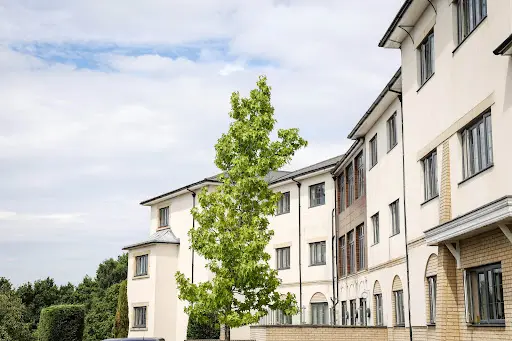
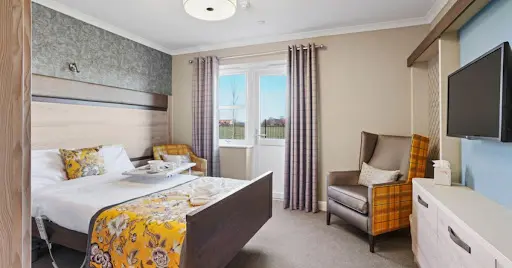
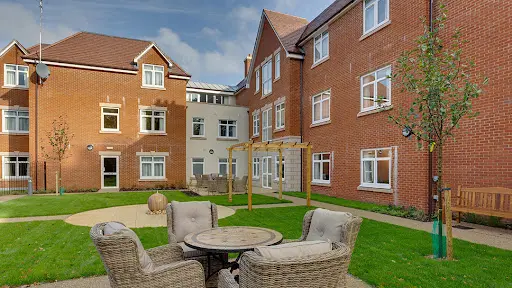
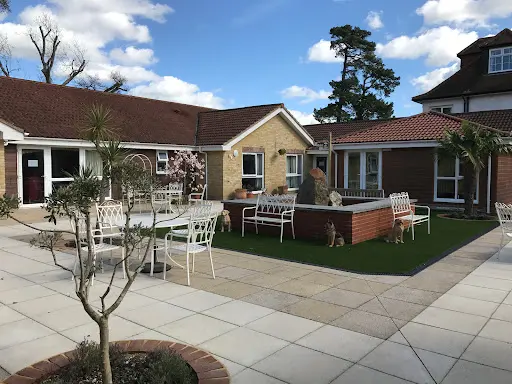
The home feels bright and airy, with clean spaces throughout. Residents enjoy a varied programme of activities, from gentle exercise sessions to creative crafts. These aren't just ways to pass time — they're thoughtfully planned to support wellbeing and engagement.
“Sometimes the smallest gestures matter most — like making someone's 100th birthday feel truly special.”
DCC does not edit or curate content in this tab. For independently curated information, see The Evidence and DCC Verdict.