St John's Nursing Home
At a Glance
The information you need to decide whether this home warrants a closer look.
Nursing homes
Staff warmth score
of reviewers answered yes
Good to know
- Registered beds38
- SpecialismsCaring for adults over 65 yrs, Caring for adults under 65 yrs, Dementia, Physical disabilities
- Last inspected2023-03-16
Save St John's Nursing Home to your shortlist
Keep a running list, add visit notes, and compare homes side-by-side. Free account — it takes a minute.
STAGE 4 — RESEARCHING CARE HOMES
Visit homes. Compare them side by side. Choose with confidence.
Most of us will view care homes the way we view houses, impression, atmosphere, the feeling in the corridor. We go home, try to remember what we saw, and make a permanent decision from a blurred memory.

The DCC shortlist gives every home you visit a structured record: the same twelve questions, answered the same way, every time. When you’re ready to choose, pull any two homes side by side and compare them directly. Same criteria, same evidence, your notes and your scores.
The Evidence
What the review data, the inspection reports, and the dementia-care evidence base tell us about this home.
What families say
Families talk about the personal touches that matter. Staff remember which residents enjoy drawing, who prefers certain music, and how to engage each person based on their interests and abilities. The atmosphere families describe is one where staff are approachable and cheerful, taking time to build real relationships.
The eight family priority themes
- Staff warmth72
- Compassion & dignity72
- Cleanliness70
- Activities & engagement60
- Food quality60
- Healthcare70
- Management & leadership75
- Resident happiness68
What inspectors found
Inspected 2023-03-16
Is this home safe?
Is the care effective?
The Effective domain was rated Good. This domain covers care planning, training, healthcare access, nutrition, and how well the home meets individual needs. Dementia is listed as a named specialism, which means inspectors will have looked at dementia-specific practice. No detail about training completion rates, care plan content, GP access frequency, or dietary provision is included in the published summary.Is this home caring?
The Caring domain was rated Good. This domain covers staff warmth, dignity, respect, and how well the home supports independence. A Good rating here means inspectors were satisfied with the quality of interactions they observed and the testimony they gathered from residents and relatives. No specific observations, preferred-name usage, or direct quotes from residents or families are recorded in the published summary.Is the home responsive?
The Responsive domain was rated Good. This covers whether the home tailors its care to individual needs, provides meaningful activities, handles complaints well, and plans for end of life. The home lists dementia and physical disabilities as specialisms, meaning inspectors will have considered how well provision is adapted to different needs. No detail about the activity programme, individual engagement, complaint records, or end-of-life planning is included in the published summary.Is the home well-led?
The Well-led domain was rated Good, having previously been rated Requires Improvement. The home is run by R and E Kitchen Care Limited, with a named registered manager and a nominated individual. A named manager being in post and named in the report is a positive indicator of leadership stability. No detail about staff culture, governance systems, quality audits, or how the home responded to its previous Requires Improvement rating is included in the published summary.
Source: CQC inspection report →
What the evidence base says
St Johns provides nursing care for adults of all ages, including younger people under 65 and those living with physical disabilities. The home specialises in dementia care alongside their general nursing services. For residents living with dementia, the multilingual staff team can be particularly valuable, as familiar languages often remain accessible even as the condition progresses. The home's approach to personalised activities helps residents stay engaged at their own pace. All areas worth probing directly during a visit.
The DCC Verdict
Our editorial view, built from the three lenses: what families tell us, what inspectors record, and how the home sits against good dementia-care practice.
DCC Family Score
St Johns Nursing Home scores 72 out of 100, reflecting a solid Good rating across all five inspection domains and a meaningful improvement from its previous Requires Improvement rating. The score is held back by limited specific detail in the published report, which means several important areas, including food, activities, and staffing levels, need to be explored directly with the home.
Homes in South East typically score 68–82.The three-lens summary
What families tell us
Families talk about the personal touches that matter. Staff remember which residents enjoy drawing, who prefers certain music, and how to engage each person based on their interests and abilities. The atmosphere families describe is one where staff are approachable and cheerful, taking time to build real relationships.
What inspectors have recorded
What stands out is how staff handle the hardest moments. Families consistently describe respectful, supportive care during end-of-life situations, with flexibility around visiting and genuine emotional support. The team invests in specialist equipment like pressure-relieving mattresses for residents with complex needs.
How it sits against good practice
If cultural understanding and language support matter to your family, St Johns might be worth exploring further.
Worth a visit
St Johns Nursing Home, on Rownhams Lane in Southampton, was rated Good across all five inspection domains at its last inspection in February 2023. This represents a genuine improvement from a previous Requires Improvement rating, which is an encouraging sign that problems were identified, acted on, and resolved. The home is registered to care for up to 38 people, including those living with dementia and physical disabilities, and is run by R and E Kitchen Care Limited with a named registered manager and nominated individual in place. The main limitation of this report is that the published summary is brief and does not include specific inspector observations, resident quotes, or detail on staffing ratios, food, activities, or the dementia environment. A Good rating tells you that inspectors were broadly satisfied; it does not tell you whether the home is the right fit for your parent. On your visit, ask to see last week's actual staffing rota, walk through the dementia unit at a mealtime, and ask the manager directly what prompted the previous Requires Improvement rating and what changed. Those conversations will tell you far more than any rating alone.
The three questions to ask when you visitSave this home. Compare it against your shortlist.
Let our analysis show you how St John's Nursing Home measures up against the other homes you’re considering. Free account.
In Their Own Words
How St John's Nursing Home describes itself — collected from its own website. DCC has not edited or independently verified the content in this tab.
Where different languages and cultures feel genuinely welcomed and understood
St Johns Nursing Home – Your Trusted nursing home
Finding care that truly understands your family's background can feel impossible. St Johns Nursing Home in Southampton brings together staff who speak multiple languages and naturally weave cultural preferences into daily life. Whether it's finding the right TV channels, respecting grooming traditions, or simply chatting in a mother tongue, families describe feeling genuinely understood here.
Who they care for
St Johns provides nursing care for adults of all ages, including younger people under 65 and those living with physical disabilities. The home specialises in dementia care alongside their general nursing services.
For residents living with dementia, the multilingual staff team can be particularly valuable, as familiar languages often remain accessible even as the condition progresses. The home's approach to personalised activities helps residents stay engaged at their own pace.
“If cultural understanding and language support matter to your family, St Johns might be worth exploring further.”
DCC does not edit or curate content in this tab. For independently curated information, see The Evidence and DCC Verdict.
The DCC Verdict
Our editorial view, built from the three lenses: what families tell us, what inspectors record, and how the home sits against good dementia-care practice.
DCC Family Score
St Johns Nursing Home scores 72 out of 100, reflecting a solid Good rating across all five inspection domains and a meaningful improvement from its previous Requires Improvement rating. The score is held back by limited specific detail in the published report, which means several important areas, including food, activities, and staffing levels, need to be explored directly with the home.
Homes in South East typically score 68–82.The three-lens summary
What families tell us
Families talk about the personal touches that matter. Staff remember which residents enjoy drawing, who prefers certain music, and how to engage each person based on their interests and abilities. The atmosphere families describe is one where staff are approachable and cheerful, taking time to build real relationships.
What inspectors have recorded
What stands out is how staff handle the hardest moments. Families consistently describe respectful, supportive care during end-of-life situations, with flexibility around visiting and genuine emotional support. The team invests in specialist equipment like pressure-relieving mattresses for residents with complex needs.
How it sits against good practice
If cultural understanding and language support matter to your family, St Johns might be worth exploring further.
Worth a visit
St Johns Nursing Home, on Rownhams Lane in Southampton, was rated Good across all five inspection domains at its last inspection in February 2023. This represents a genuine improvement from a previous Requires Improvement rating, which is an encouraging sign that problems were identified, acted on, and resolved. The home is registered to care for up to 38 people, including those living with dementia and physical disabilities, and is run by R and E Kitchen Care Limited with a named registered manager and nominated individual in place. The main limitation of this report is that the published summary is brief and does not include specific inspector observations, resident quotes, or detail on staffing ratios, food, activities, or the dementia environment. A Good rating tells you that inspectors were broadly satisfied; it does not tell you whether the home is the right fit for your parent. On your visit, ask to see last week's actual staffing rota, walk through the dementia unit at a mealtime, and ask the manager directly what prompted the previous Requires Improvement rating and what changed. Those conversations will tell you far more than any rating alone.
The three questions to ask when you visitSave this home. Compare it against your shortlist.
Let our analysis show you how St John's Nursing Home measures up against the other homes you’re considering. Free account.
In Their Own Words
How St John's Nursing Home describes itself — collected from its own website. DCC has not edited or independently verified the content in this tab.
Where different languages and cultures feel genuinely welcomed and understood
St Johns Nursing Home – Your Trusted nursing home
Finding care that truly understands your family's background can feel impossible. St Johns Nursing Home in Southampton brings together staff who speak multiple languages and naturally weave cultural preferences into daily life. Whether it's finding the right TV channels, respecting grooming traditions, or simply chatting in a mother tongue, families describe feeling genuinely understood here.
Who they care for
St Johns provides nursing care for adults of all ages, including younger people under 65 and those living with physical disabilities. The home specialises in dementia care alongside their general nursing services.
For residents living with dementia, the multilingual staff team can be particularly valuable, as familiar languages often remain accessible even as the condition progresses. The home's approach to personalised activities helps residents stay engaged at their own pace.
Management & ethos
What stands out is how staff handle the hardest moments. Families consistently describe respectful, supportive care during end-of-life situations, with flexibility around visiting and genuine emotional support. The team invests in specialist equipment like pressure-relieving mattresses for residents with complex needs.
The home & environment
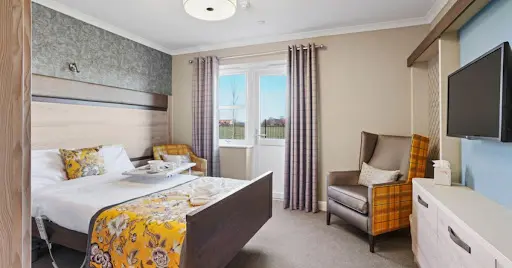
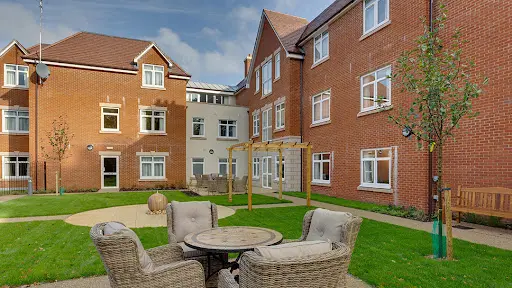
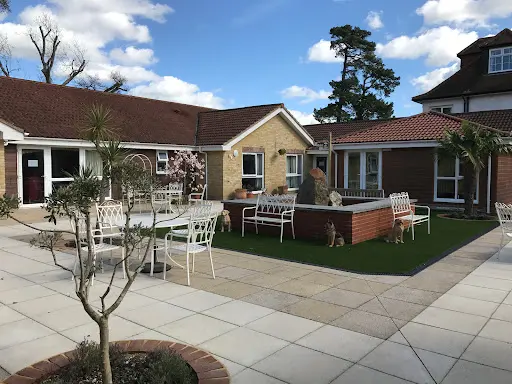
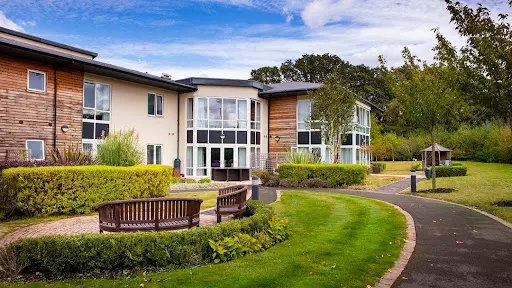
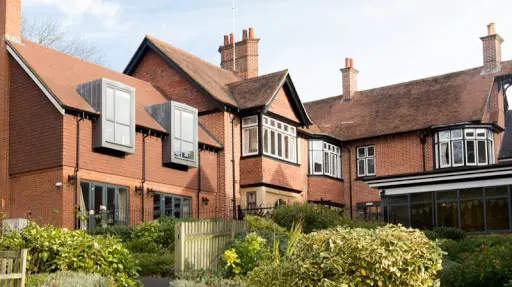
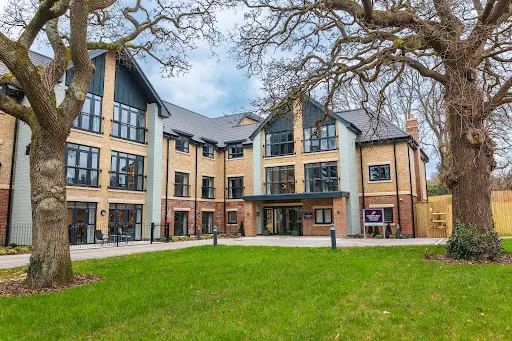
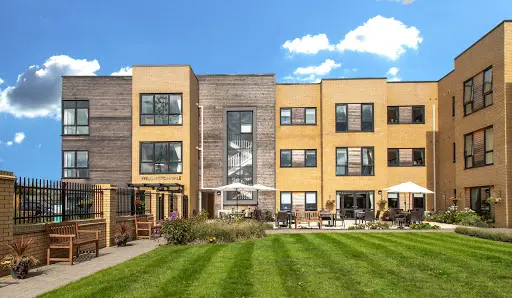
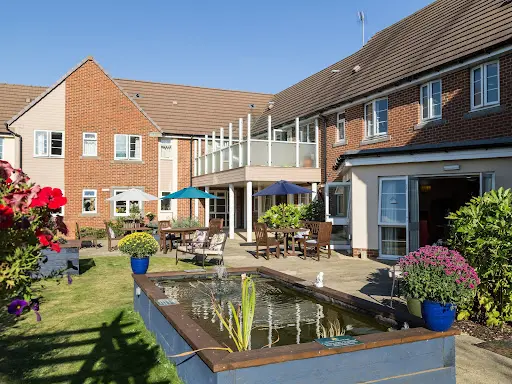
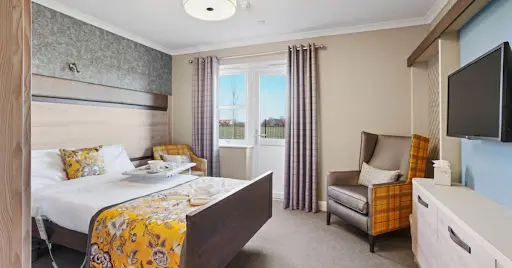
The home comes across as clean, bright and well-maintained in most family accounts. There's mention of good attention to physical comfort and cleanliness throughout. Families appreciate the practical details that make visits easier and help residents feel settled.
“If cultural understanding and language support matter to your family, St Johns might be worth exploring further.”
DCC does not edit or curate content in this tab. For independently curated information, see The Evidence and DCC Verdict.