Speedwell Court
At a Glance
The information you need to decide whether this home warrants a closer look.
Residential homes
Staff warmth score
of reviewers answered yes
Good to know
- Registered beds80
- SpecialismsCaring for adults over 65 yrs, Caring for adults under 65 yrs, Dementia, Physical disabilities, Sensory impairment
- Last inspected2021-11-06
Save Speedwell Court to your shortlist
Keep a running list, add visit notes, and compare homes side-by-side. Free account — it takes a minute.
STAGE 4 — RESEARCHING CARE HOMES
Visit homes. Compare them side by side. Choose with confidence.
Most of us will view care homes the way we view houses, impression, atmosphere, the feeling in the corridor. We go home, try to remember what we saw, and make a permanent decision from a blurred memory.

The DCC shortlist gives every home you visit a structured record: the same twelve questions, answered the same way, every time. When you’re ready to choose, pull any two homes side by side and compare them directly. Same criteria, same evidence, your notes and your scores.
The Evidence
What the review data, the inspection reports, and the dementia-care evidence base tell us about this home.
What families say
Families describe warm interactions with reception staff, housekeeping teams and caterers during visits. The care team has shown particular sensitivity during end-of-life care, with staff making space for families to stay overnight and ensuring residents' final days are comfortable and dignified.
The eight family priority themes
- Staff warmth85
- Compassion & dignity85
- Cleanliness75
- Activities & engagement90
- Food quality70
- Healthcare75
- Management & leadership90
- Resident happiness80
What inspectors found
Inspected 2021-11-06
Is this home safe?
Is the care effective?
Effective is rated Good at Speedwell Court. This domain covers training, care planning, nutrition, and healthcare access including GP involvement and medicines. A Good rating means inspectors were satisfied that staff have the knowledge and systems needed to deliver competent care. The home lists dementia as a specialism, which implies dementia-specific training is in place, though the published summary does not detail training content, frequency, or how care plans are reviewed and updated. Food quality and dietary management are also not described specifically.Is this home caring?
Caring is rated Good at Speedwell Court. This domain covers staff warmth, dignity, respect, and support for independence. A Good rating means inspectors found satisfactory evidence across these areas. The home supports people with dementia and sensory impairment, where non-verbal communication and an unhurried approach are especially important. The published summary does not include specific inspector observations, resident quotes, or examples of how staff support individual dignity in day-to-day interactions.Is the home responsive?
Responsive is rated Outstanding at Speedwell Court. This is the highest rating available and means inspectors found the home goes significantly beyond expected standards in tailoring life to each individual. The home supports people with dementia, physical disabilities, and sensory impairment across 80 beds. An Outstanding Responsive rating typically involves meaningful, personalised activities, strong end-of-life planning, and care that reflects individual histories and preferences. The published summary does not include the specific examples or evidence that inspectors used to reach this rating.Is the home well-led?
Well-led is rated Outstanding at Speedwell Court. The registered manager is Mrs Rhona-Lee Bray and the nominated individual is Ms Helen Gilbert. The home is run by the Abbeyfield Society. An Outstanding Well-led rating means inspectors found strong, visible leadership, a positive culture where staff feel supported and can raise concerns, robust governance and accountability systems, and evidence that the home learns from incidents and feedback. This is one of only two domains at Speedwell Court rated Outstanding and is a significant indicator of quality trajectory. Specific examples of what inspectors observed are not detailed in the published summary.
Source: CQC inspection report →
What the evidence base says
The home welcomes residents under and over 65 with physical disabilities, sensory impairments and dementia. Specialist facilities support these varied needs, from accessible design throughout to dedicated activity spaces. While dementia care is offered, families suggest checking carefully whether the home can meet specific needs, particularly for residents who need highly structured routines or specialised behavioural support. The building design includes features to support residents with dementia. All areas worth probing directly during a visit.
The DCC Verdict
Our editorial view, built from the three lenses: what families tell us, what inspectors record, and how the home sits against good dementia-care practice.
DCC Family Score
Speedwell Court scores well overall, driven by Outstanding ratings in how the home is led and how it responds to the people who live there. The Good ratings across safety, effectiveness, and care are positive, though the inspection report shared with us contains limited specific detail to verify individual themes fully.
Homes in South East typically score 68–82.The three-lens summary
What families tell us
Families describe warm interactions with reception staff, housekeeping teams and caterers during visits. The care team has shown particular sensitivity during end-of-life care, with staff making space for families to stay overnight and ensuring residents' final days are comfortable and dignified.
What inspectors have recorded
Communication appears strongest during end-of-life care, where families have felt genuinely supported through difficult times. However, some families have found that initial assessments didn't always match the home's actual capacity to meet complex needs, particularly for residents with advanced dementia who needed consistent personal care routines.
How it sits against good practice
With its modern facilities and caring approach to end-of-life support, Speedwell Court offers important strengths alongside areas still developing.
Worth a visit
Speedwell Court, on Mansbridge Road in West End, Southampton, was assessed in August 2025 with the report published in February 2026. The home received an overall rating of Good, with two domains rated Outstanding: Responsive (meaning the home goes above and beyond in tailoring life to the individual) and Well-led (meaning inspectors found strong, accountable leadership). Safe, Effective, and Caring were all rated Good. The home is run by the Abbeyfield Society and supports up to 80 people, including those living with dementia, physical disabilities, and sensory impairment. The main limitation of this report is that the published inspection summary contains very limited specific detail. The domain ratings themselves are encouraging, particularly the two Outstanding ratings, but we cannot point to named staff interactions, direct resident quotes, or specific observations to fully verify individual themes. Before committing, visit the home during a busy period such as a morning routine or mealtime, ask the manager for last week's actual staffing rota (not a template), and find out how many permanent staff work overnight. The Outstanding Responsive rating is a strong starting point, but ask the activities team how they would engage your parent on a day when joining a group is not possible.
The three questions to ask when you visitSave this home. Compare it against your shortlist.
Let our analysis show you how Speedwell Court measures up against the other homes you’re considering. Free account.
In Their Own Words
How Speedwell Court describes itself — collected from its own website. DCC has not edited or independently verified the content in this tab.
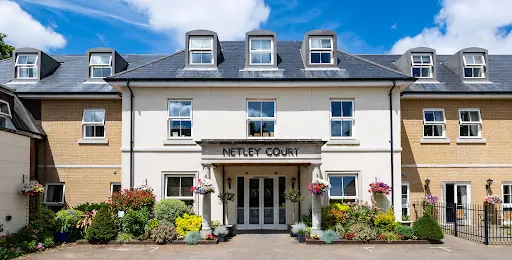
Purpose-built Southampton home with specialist spaces and compassionate end-of-life support
Compassionate Care in Southampton at Speedwell Court
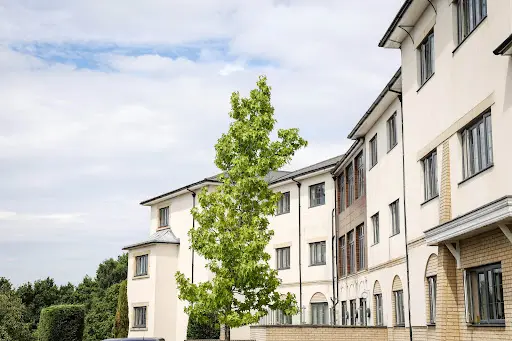
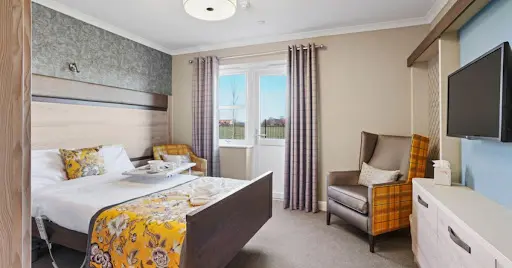
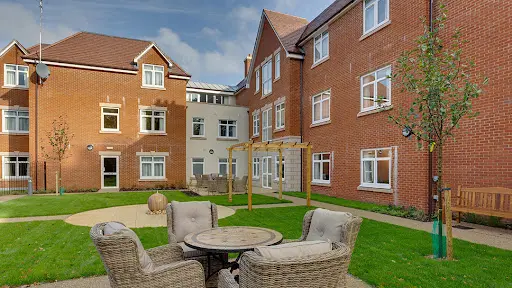
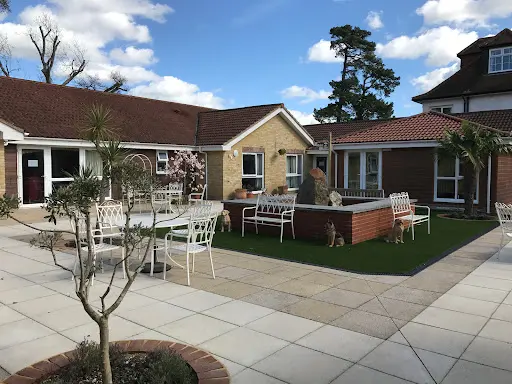
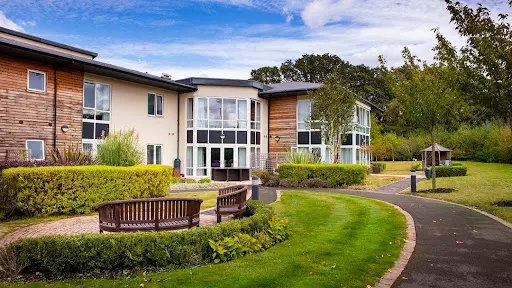
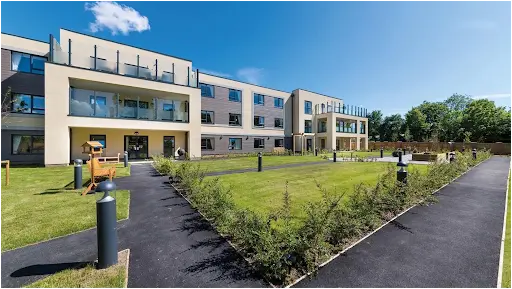
Speedwell Court in Southampton offers purpose-built facilities designed for residents with varied care needs, from physical disabilities to sensory impairments. The modern building includes specialist spaces like a cinema room and beauty salon, alongside traditional lounges and garden areas. While families have found real comfort in the care team's approach during difficult end-of-life moments, some have raised concerns about the home's readiness for complex dementia care.
Who they care for
The home welcomes residents under and over 65 with physical disabilities, sensory impairments and dementia. Specialist facilities support these varied needs, from accessible design throughout to dedicated activity spaces.
While dementia care is offered, families suggest checking carefully whether the home can meet specific needs, particularly for residents who need highly structured routines or specialised behavioural support. The building design includes features to support residents with dementia.
“With its modern facilities and caring approach to end-of-life support, Speedwell Court offers important strengths alongside areas still developing.”
DCC does not edit or curate content in this tab. For independently curated information, see The Evidence and DCC Verdict.
The DCC Verdict
Our editorial view, built from the three lenses: what families tell us, what inspectors record, and how the home sits against good dementia-care practice.
DCC Family Score
Speedwell Court scores well overall, driven by Outstanding ratings in how the home is led and how it responds to the people who live there. The Good ratings across safety, effectiveness, and care are positive, though the inspection report shared with us contains limited specific detail to verify individual themes fully.
Homes in South East typically score 68–82.The three-lens summary
What families tell us
Families describe warm interactions with reception staff, housekeeping teams and caterers during visits. The care team has shown particular sensitivity during end-of-life care, with staff making space for families to stay overnight and ensuring residents' final days are comfortable and dignified.
What inspectors have recorded
Communication appears strongest during end-of-life care, where families have felt genuinely supported through difficult times. However, some families have found that initial assessments didn't always match the home's actual capacity to meet complex needs, particularly for residents with advanced dementia who needed consistent personal care routines.
How it sits against good practice
With its modern facilities and caring approach to end-of-life support, Speedwell Court offers important strengths alongside areas still developing.
Worth a visit
Speedwell Court, on Mansbridge Road in West End, Southampton, was assessed in August 2025 with the report published in February 2026. The home received an overall rating of Good, with two domains rated Outstanding: Responsive (meaning the home goes above and beyond in tailoring life to the individual) and Well-led (meaning inspectors found strong, accountable leadership). Safe, Effective, and Caring were all rated Good. The home is run by the Abbeyfield Society and supports up to 80 people, including those living with dementia, physical disabilities, and sensory impairment. The main limitation of this report is that the published inspection summary contains very limited specific detail. The domain ratings themselves are encouraging, particularly the two Outstanding ratings, but we cannot point to named staff interactions, direct resident quotes, or specific observations to fully verify individual themes. Before committing, visit the home during a busy period such as a morning routine or mealtime, ask the manager for last week's actual staffing rota (not a template), and find out how many permanent staff work overnight. The Outstanding Responsive rating is a strong starting point, but ask the activities team how they would engage your parent on a day when joining a group is not possible.
The three questions to ask when you visitSave this home. Compare it against your shortlist.
Let our analysis show you how Speedwell Court measures up against the other homes you’re considering. Free account.
In Their Own Words
How Speedwell Court describes itself — collected from its own website. DCC has not edited or independently verified the content in this tab.
Purpose-built Southampton home with specialist spaces and compassionate end-of-life support
Compassionate Care in Southampton at Speedwell Court
Speedwell Court in Southampton offers purpose-built facilities designed for residents with varied care needs, from physical disabilities to sensory impairments. The modern building includes specialist spaces like a cinema room and beauty salon, alongside traditional lounges and garden areas. While families have found real comfort in the care team's approach during difficult end-of-life moments, some have raised concerns about the home's readiness for complex dementia care.
Who they care for
The home welcomes residents under and over 65 with physical disabilities, sensory impairments and dementia. Specialist facilities support these varied needs, from accessible design throughout to dedicated activity spaces.
While dementia care is offered, families suggest checking carefully whether the home can meet specific needs, particularly for residents who need highly structured routines or specialised behavioural support. The building design includes features to support residents with dementia.
Management & ethos
Communication appears strongest during end-of-life care, where families have felt genuinely supported through difficult times. However, some families have found that initial assessments didn't always match the home's actual capacity to meet complex needs, particularly for residents with advanced dementia who needed consistent personal care routines.
The home & environment
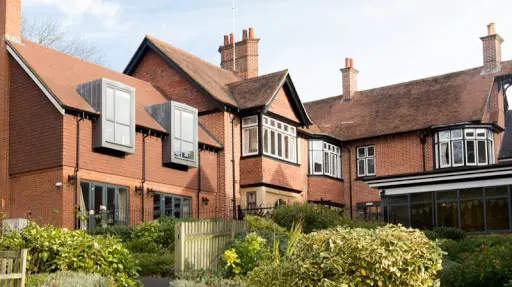
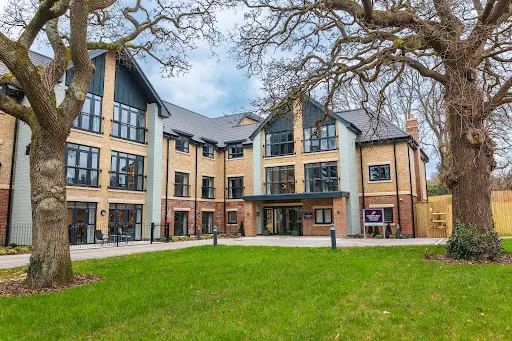
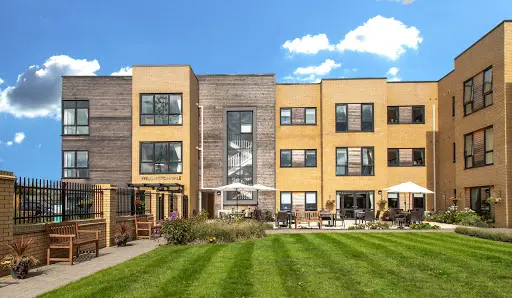
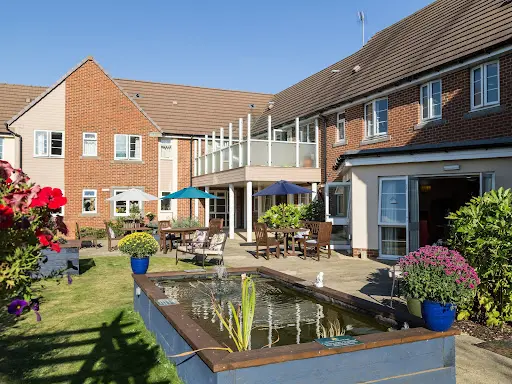
The purpose-built design includes a cinema room, games area and on-site salon, giving residents plenty of choice for daily activities. Staff have shown creativity in using outdoor spaces too, with one resident able to continue practising golf shots in the garden.
“With its modern facilities and caring approach to end-of-life support, Speedwell Court offers important strengths alongside areas still developing.”
DCC does not edit or curate content in this tab. For independently curated information, see The Evidence and DCC Verdict.