Oaklands Rest Home

At a Glance
The information you need to decide whether this home warrants a closer look.
Residential homes
Staff warmth score
of reviewers answered yes
Good to know
- Registered beds35
- SpecialismsCaring for adults over 65 yrs, Dementia
- Last inspected2023-03-23
Save Oaklands Rest Home to your shortlist
Keep a running list, add visit notes, and compare homes side-by-side. Free account — it takes a minute.
STAGE 4 — RESEARCHING CARE HOMES
Visit homes. Compare them side by side. Choose with confidence.
Most of us will view care homes the way we view houses, impression, atmosphere, the feeling in the corridor. We go home, try to remember what we saw, and make a permanent decision from a blurred memory.

The DCC shortlist gives every home you visit a structured record: the same twelve questions, answered the same way, every time. When you’re ready to choose, pull any two homes side by side and compare them directly. Same criteria, same evidence, your notes and your scores.
The Evidence
What the review data, the inspection reports, and the dementia-care evidence base tell us about this home.
What families say
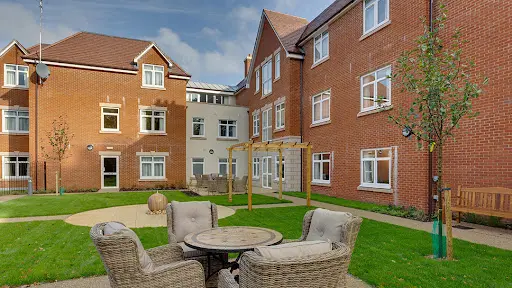
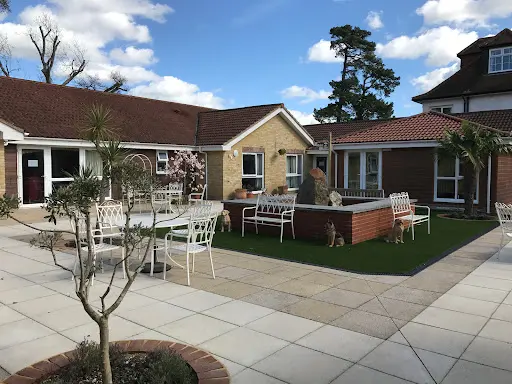
Families talk about walking into a place that feels cared for, from the well-kept gardens to the way residents are helped to stay clean and comfortable. The admission process gets particular praise — everything explained clearly, no confusion about what happens next.
The eight family priority themes
- Staff warmth55
- Compassion & dignity55
- Cleanliness55
- Activities & engagement50
- Food quality50
- Healthcare55
- Management & leadership65
- Resident happiness55
What inspectors found
Inspected 2023-03-23
Is this home safe?
Is the care effective?
The Effective domain was rated Good at the February 2023 inspection. For a home specialising in dementia care, this domain covers training in dementia-specific approaches, the quality and currency of care plans, GP access, medicines management, and how well the home understands and responds to each person's health needs. The published inspection summary does not contain specific observations or examples from any of these areas. The Good rating indicates inspectors were satisfied, but families cannot assess the depth of that satisfaction from the published text.Is this home caring?
The Caring domain was rated Good at the February 2023 inspection. This domain covers staff warmth, dignity, respect, privacy, and whether the home supports your parent's independence. A Good Caring rating means inspectors were satisfied with what they observed and heard. However, the published inspection summary contains no direct quotes from residents or relatives, no specific observations about named interactions, and no examples of how staff treated the people who live there on that day.Is the home responsive?
The Responsive domain was rated Good at the February 2023 inspection. This domain covers whether the home tailors its care to individual needs, provides meaningful activities, responds to complaints, and has end-of-life care plans in place. For a dementia-specialist home, it also covers whether people who cannot join group activities receive one-to-one engagement. The published summary contains no specific detail about any of these areas: no activity programme description, no complaint response examples, and no mention of individual engagement for people with advanced dementia.Is the home well-led?
The Well-led domain was rated Good at the February 2023 inspection, improving from a previous Requires Improvement rating. The home is run by Marlacourt Limited, with Mrs Nicola Ray as registered manager and Mr Anish Patel as nominated individual. A named, registered manager is in place, which is a basic but important marker of stability. The published summary does not include detail about the manager's tenure, staff survey results, governance systems, or how the home handles complaints and incidents.
Source: CQC inspection report →
What the evidence base says
Oaklands specialises in dementia care and supports adults over 65. The home's approach works particularly well for people with advanced dementia. Staff take time to understand each resident's individual needs and adapt their care accordingly, rather than applying a one-size-fits-all approach. All areas worth probing directly during a visit.
The DCC Verdict
Our editorial view, built from the three lenses: what families tell us, what inspectors record, and how the home sits against good dementia-care practice.
DCC Family Score
Oaklands Rest Home has improved from Requires Improvement to Good across all five inspection domains, which is a meaningful step forward. However, the published inspection report contains very limited specific detail, so the family score reflects the rating itself rather than rich observational evidence.
Homes in South East typically score 68–82.The three-lens summary
What families tell us
Families talk about walking into a place that feels cared for, from the well-kept gardens to the way residents are helped to stay clean and comfortable. The admission process gets particular praise — everything explained clearly, no confusion about what happens next.
What inspectors have recorded
What stands out is how the staff seem to genuinely enjoy their work. Families notice carers who stick around, who know residents well, and who respond to what each person needs rather than following a rigid routine. When residents are nearing the end of their lives, families describe dignified, thoughtful support that made a difficult time more bearable.
How it sits against good practice
Sometimes the smallest details reveal the most — like carers who clearly enjoy coming to work each day.
Worth a visit
Oaklands Rest Home, on Veals Lane in Southampton, was rated Good at its most recent inspection in February 2023, with the report published in March 2023. This represents a meaningful improvement from a previous rating of Requires Improvement, and all five inspection domains (safe, effective, caring, responsive, and well-led) were rated Good. The home is registered for 35 beds and specialises in dementia care and general care for adults over 65. The main limitation for families reading this report is that the published inspection summary contains very little specific detail: no direct quotes from your parent's fellow residents or from relatives, no staffing numbers, and no descriptions of what inspectors actually observed on the day. A Good rating is reassuring, but it tells you the home met the threshold, not how warmly or consistently it did so. Before making a decision, visit in person, ask to see the staffing rota for a typical week including nights, ask how care plans are reviewed and whether families are invited to contribute, and spend time in a communal area to watch how staff interact with the people who live there.
The three questions to ask when you visitSave this home. Compare it against your shortlist.
Let our analysis show you how Oaklands Rest Home measures up against the other homes you’re considering. Free account.
In Their Own Words
How Oaklands Rest Home describes itself — collected from its own website. DCC has not edited or independently verified the content in this tab.
Where carers have time to really know each resident
Oaklands Rest Home – Your Trusted residential home
Some care homes feel rushed, but that's not what families discover at Oaklands Rest Home in Southampton. Here, carers spend proper time with residents — sitting down for conversations, learning what makes each person tick. It's the kind of unhurried approach that helps people with dementia feel genuinely understood.
Who they care for
Oaklands specialises in dementia care and supports adults over 65.
The home's approach works particularly well for people with advanced dementia. Staff take time to understand each resident's individual needs and adapt their care accordingly, rather than applying a one-size-fits-all approach.
“Sometimes the smallest details reveal the most — like carers who clearly enjoy coming to work each day.”
DCC does not edit or curate content in this tab. For independently curated information, see The Evidence and DCC Verdict.
The DCC Verdict
Our editorial view, built from the three lenses: what families tell us, what inspectors record, and how the home sits against good dementia-care practice.
DCC Family Score
Oaklands Rest Home has improved from Requires Improvement to Good across all five inspection domains, which is a meaningful step forward. However, the published inspection report contains very limited specific detail, so the family score reflects the rating itself rather than rich observational evidence.
Homes in South East typically score 68–82.The three-lens summary
What families tell us
Families talk about walking into a place that feels cared for, from the well-kept gardens to the way residents are helped to stay clean and comfortable. The admission process gets particular praise — everything explained clearly, no confusion about what happens next.
What inspectors have recorded
What stands out is how the staff seem to genuinely enjoy their work. Families notice carers who stick around, who know residents well, and who respond to what each person needs rather than following a rigid routine. When residents are nearing the end of their lives, families describe dignified, thoughtful support that made a difficult time more bearable.
How it sits against good practice
Sometimes the smallest details reveal the most — like carers who clearly enjoy coming to work each day.
Worth a visit
Oaklands Rest Home, on Veals Lane in Southampton, was rated Good at its most recent inspection in February 2023, with the report published in March 2023. This represents a meaningful improvement from a previous rating of Requires Improvement, and all five inspection domains (safe, effective, caring, responsive, and well-led) were rated Good. The home is registered for 35 beds and specialises in dementia care and general care for adults over 65. The main limitation for families reading this report is that the published inspection summary contains very little specific detail: no direct quotes from your parent's fellow residents or from relatives, no staffing numbers, and no descriptions of what inspectors actually observed on the day. A Good rating is reassuring, but it tells you the home met the threshold, not how warmly or consistently it did so. Before making a decision, visit in person, ask to see the staffing rota for a typical week including nights, ask how care plans are reviewed and whether families are invited to contribute, and spend time in a communal area to watch how staff interact with the people who live there.
The three questions to ask when you visitSave this home. Compare it against your shortlist.
Let our analysis show you how Oaklands Rest Home measures up against the other homes you’re considering. Free account.
In Their Own Words
How Oaklands Rest Home describes itself — collected from its own website. DCC has not edited or independently verified the content in this tab.
Where carers have time to really know each resident
Oaklands Rest Home – Your Trusted residential home
Some care homes feel rushed, but that's not what families discover at Oaklands Rest Home in Southampton. Here, carers spend proper time with residents — sitting down for conversations, learning what makes each person tick. It's the kind of unhurried approach that helps people with dementia feel genuinely understood.
Who they care for
Oaklands specialises in dementia care and supports adults over 65.
The home's approach works particularly well for people with advanced dementia. Staff take time to understand each resident's individual needs and adapt their care accordingly, rather than applying a one-size-fits-all approach.
Management & ethos
What stands out is how the staff seem to genuinely enjoy their work. Families notice carers who stick around, who know residents well, and who respond to what each person needs rather than following a rigid routine. When residents are nearing the end of their lives, families describe dignified, thoughtful support that made a difficult time more bearable.
The home & environment
The building and grounds are properly looked after, with gardens that residents can enjoy when the weather's good. Security is handled sensibly too — residents are kept safe without the place feeling locked down or restrictive.
“Sometimes the smallest details reveal the most — like carers who clearly enjoy coming to work each day.”
DCC does not edit or curate content in this tab. For independently curated information, see The Evidence and DCC Verdict.