Laurel Care Home

At a Glance
The information you need to decide whether this home warrants a closer look.
Nursing homes
Staff warmth score
of reviewers answered yes
Good to know
- Registered beds60
- SpecialismsCaring for adults over 65 yrs, Dementia, Physical disabilities
- Last inspected2019-05-30
Save Laurel Care Home to your shortlist
Keep a running list, add visit notes, and compare homes side-by-side. Free account — it takes a minute.
STAGE 4 — RESEARCHING CARE HOMES
Visit homes. Compare them side by side. Choose with confidence.
Most of us will view care homes the way we view houses, impression, atmosphere, the feeling in the corridor. We go home, try to remember what we saw, and make a permanent decision from a blurred memory.

The DCC shortlist gives every home you visit a structured record: the same twelve questions, answered the same way, every time. When you’re ready to choose, pull any two homes side by side and compare them directly. Same criteria, same evidence, your notes and your scores.
The Evidence
What the review data, the inspection reports, and the dementia-care evidence base tell us about this home.
What families say
The eight family priority themes
- Staff warmth55
- Compassion & dignity55
- Cleanliness55
- Activities & engagement50
- Food quality50
- Healthcare55
- Management & leadership60
- Resident happiness55
What inspectors found
Inspected 2019-05-30
Is this home safe?
Is the care effective?
Effective is rated Good, covering training, care planning, healthcare access, and nutrition. The home lists dementia as a specialism, which implies a baseline of dementia-specific training and adapted care approaches. No details about the content of staff training, how care plans are written or reviewed, GP access arrangements, or food quality and choice are included in the available report text. The July 2023 monitoring review did not identify any concerns in this domain.Is this home caring?
Caring is rated Good, which covers staff warmth, dignity, respect, and how staff support residents' independence. For a dementia-specialist home, this domain is the most important indicator of daily lived experience. The published report contains no direct quotes from residents or relatives, no observations of staff interactions, and no examples of how dignity was preserved in practice. The absence of specific evidence does not mean care is poor — but it means you are relying entirely on the rating rather than what inspectors actually saw.Is the home responsive?
Responsive is rated Good, covering activities, individual engagement, and responsiveness to changing needs including end-of-life care. The home specialises in dementia, which means responsiveness to individual need — not just group programming — is central to this domain. No detail is available about what activities are offered, how frequently they run, whether one-to-one engagement is provided for residents who cannot participate in groups, or how end-of-life care is approached. The July 2023 monitoring review did not raise concerns.Is the home well-led?
Well-led is rated Good, and the home has a named registered manager (Mrs Felicity Anne Dennis) and a nominated individual (Mr Laurence Baughan) formally in post. Well-led covers governance, culture, learning from incidents, and staff support. No information is available about how long the current manager has been in post, how staff are supported and supervised, how complaints are handled, or how families are kept involved in decisions about care. The stable rating over multiple monitoring periods suggests no governance concerns have emerged since the 2019 inspection.
Source: CQC inspection report →
What the evidence base says
The team at Laurel cares for adults over 65, with specific experience supporting people living with dementia and physical disabilities. For residents living with dementia, the staff bring patience and understanding to their daily care, working to maintain dignity and comfort as needs change. All areas worth probing directly during a visit.
The DCC Verdict
Our editorial view, built from the three lenses: what families tell us, what inspectors record, and how the home sits against good dementia-care practice.
DCC Family Score
Laurel Care Home holds a Good rating across all five inspection domains, but the inspection report available contains almost no specific observations, quotes, or detailed findings — meaning the score reflects confirmed good intent without the granular evidence families need to feel confident.
Homes in South East typically score 68–82.Worth a visit
Laurel Care Home on Salisbury Road, Southampton, holds a Good rating across all five inspection domains — Safe, Effective, Caring, Responsive, and Well-led — following an inspection carried out in March 2019. A monitoring review in July 2023 found no evidence requiring a reassessment of that rating, meaning it has remained stable. The home is registered for 60 beds and specialises in dementia, care for adults over 65, and physical disabilities. A named registered manager and nominated individual are both in post. The most important thing for you to know is that the underlying inspection report contains almost no specific observations, direct quotes, or detailed findings — only the domain ratings themselves. This means the Good rating is confirmed, but you have very little granular evidence to judge what daily life actually looks like for your parent. The inspection is now over six years old, which is a significant gap. Before making a decision, ask directly about night staffing ratios, how often agency staff cover the dementia unit, what one-to-one engagement looks like for residents who cannot join group activities, and how the team communicates changes in your parent's health to family members.
The three questions to ask when you visitSave this home. Compare it against your shortlist.
Let our analysis show you how Laurel Care Home measures up against the other homes you’re considering. Free account.
In Their Own Words
How Laurel Care Home describes itself — collected from its own website. DCC has not edited or independently verified the content in this tab.
Caring staff bring comfort when families need it most
Nursing home in Southampton: True Peace of Mind
When you're looking for residential care in Southampton, finding genuinely compassionate staff can make all the difference. Laurel Care Home supports older adults, including those living with dementia or physical disabilities. The care team here seems to understand what really matters — treating each resident with kindness and respect.
Who they care for
The team at Laurel cares for adults over 65, with specific experience supporting people living with dementia and physical disabilities.
For residents living with dementia, the staff bring patience and understanding to their daily care, working to maintain dignity and comfort as needs change.
“It's worth arranging a visit to see if Laurel could be the right place for your loved one.”
DCC does not edit or curate content in this tab. For independently curated information, see The Evidence and DCC Verdict.
The DCC Verdict
Our editorial view, built from the three lenses: what families tell us, what inspectors record, and how the home sits against good dementia-care practice.
DCC Family Score
Laurel Care Home holds a Good rating across all five inspection domains, but the inspection report available contains almost no specific observations, quotes, or detailed findings — meaning the score reflects confirmed good intent without the granular evidence families need to feel confident.
Homes in South East typically score 68–82.Worth a visit
Laurel Care Home on Salisbury Road, Southampton, holds a Good rating across all five inspection domains — Safe, Effective, Caring, Responsive, and Well-led — following an inspection carried out in March 2019. A monitoring review in July 2023 found no evidence requiring a reassessment of that rating, meaning it has remained stable. The home is registered for 60 beds and specialises in dementia, care for adults over 65, and physical disabilities. A named registered manager and nominated individual are both in post. The most important thing for you to know is that the underlying inspection report contains almost no specific observations, direct quotes, or detailed findings — only the domain ratings themselves. This means the Good rating is confirmed, but you have very little granular evidence to judge what daily life actually looks like for your parent. The inspection is now over six years old, which is a significant gap. Before making a decision, ask directly about night staffing ratios, how often agency staff cover the dementia unit, what one-to-one engagement looks like for residents who cannot join group activities, and how the team communicates changes in your parent's health to family members.
The three questions to ask when you visitSave this home. Compare it against your shortlist.
Let our analysis show you how Laurel Care Home measures up against the other homes you’re considering. Free account.
In Their Own Words
How Laurel Care Home describes itself — collected from its own website. DCC has not edited or independently verified the content in this tab.
Caring staff bring comfort when families need it most
Nursing home in Southampton: True Peace of Mind
When you're looking for residential care in Southampton, finding genuinely compassionate staff can make all the difference. Laurel Care Home supports older adults, including those living with dementia or physical disabilities. The care team here seems to understand what really matters — treating each resident with kindness and respect.
Who they care for
The team at Laurel cares for adults over 65, with specific experience supporting people living with dementia and physical disabilities.
For residents living with dementia, the staff bring patience and understanding to their daily care, working to maintain dignity and comfort as needs change.
Management & ethos
Staff have been described as excellent in their approach to care, with a friendly manner that helps put families at ease. They've shown particular compassion during difficult times, providing support that's been deeply valued by relatives.
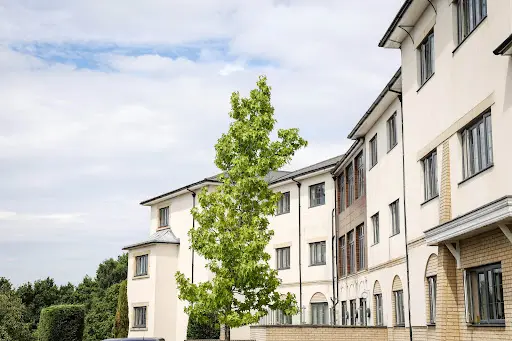
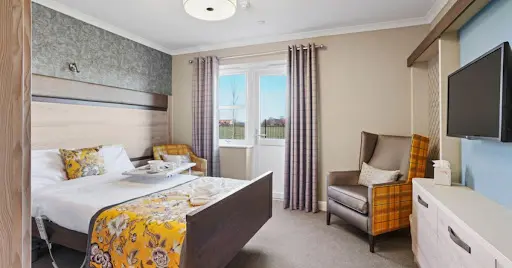
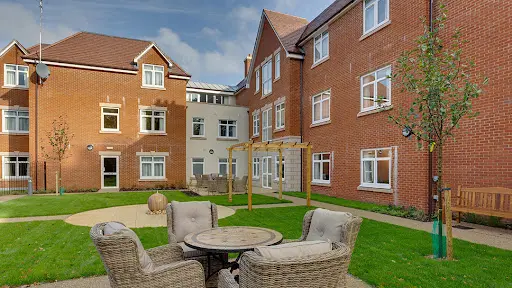
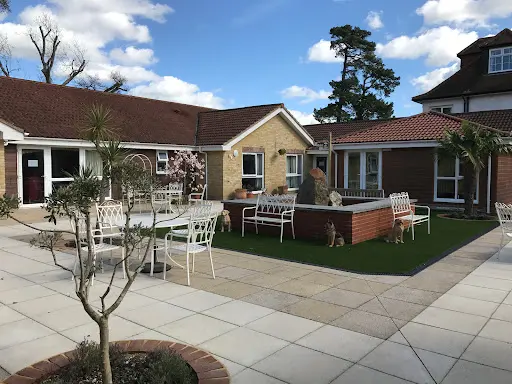
The home & environment
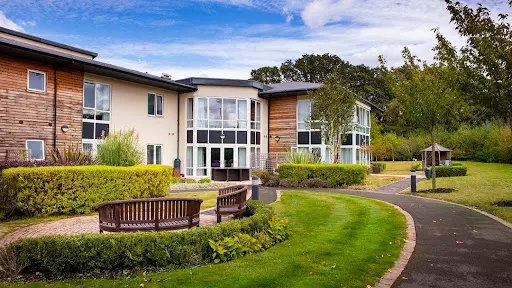
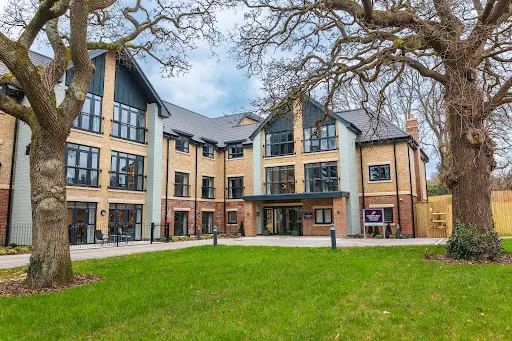
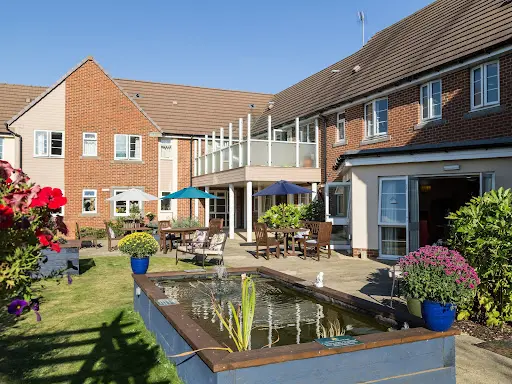
The home maintains good standards of cleanliness throughout, creating a well-run environment for residents.
“It's worth arranging a visit to see if Laurel could be the right place for your loved one.”
DCC does not edit or curate content in this tab. For independently curated information, see The Evidence and DCC Verdict.