Ancasta Grove Care Home – Care UK
At a Glance
The information you need to decide whether this home warrants a closer look.
Nursing homes
Staff warmth score
of reviewers answered yes
Good to know
- Registered beds75
- SpecialismsCaring for adults over 65 yrs, Caring for adults under 65 yrs, Dementia, Physical disabilities
- Last inspected2022-12-17
Save Ancasta Grove Care Home – Care UK to your shortlist
Keep a running list, add visit notes, and compare homes side-by-side. Free account — it takes a minute.
STAGE 4 — RESEARCHING CARE HOMES
Visit homes. Compare them side by side. Choose with confidence.
Most of us will view care homes the way we view houses, impression, atmosphere, the feeling in the corridor. We go home, try to remember what we saw, and make a permanent decision from a blurred memory.

The DCC shortlist gives every home you visit a structured record: the same twelve questions, answered the same way, every time. When you’re ready to choose, pull any two homes side by side and compare them directly. Same criteria, same evidence, your notes and your scores.
The Evidence
What the review data, the inspection reports, and the dementia-care evidence base tell us about this home.
What families say
Visitors describe feeling genuinely welcomed whenever they arrive, with staff who remember them and take time to chat. There's a warmth here that families notice immediately — residents seem visibly content, and that contentment appears to grow over time as people settle into the rhythms of the home.
The eight family priority themes
- Staff warmth72
- Compassion & dignity72
- Cleanliness70
- Activities & engagement65
- Food quality65
- Healthcare70
- Management & leadership72
- Resident happiness68
What inspectors found
Inspected 2022-12-17
Is this home safe?
Is the care effective?
The Effective domain was rated Good at the February 2026 inspection. The published report does not describe specific findings about care plan content, dementia training, GP access, medication management, or food and nutrition practices. The home lists dementia as a formal specialism, which sets an expectation of appropriate training and environment, but the inspection text does not confirm what that looks like in practice.Is this home caring?
The Caring domain was rated Good at the February 2026 inspection. The published report does not include direct inspector observations of staff interactions, resident testimony about how they feel treated, or specific examples of dignity and respect being upheld. A Good rating in this domain means inspectors did not find evidence of poor practice, but the text does not provide the specific, observable detail that would give high confidence.Is the home responsive?
The Responsive domain was rated Good at the February 2026 inspection. The published report does not describe the activities programme, individual engagement for residents with advanced dementia, how the home responds to residents' changing preferences, or how end-of-life planning is approached. The home serves a mixed population including younger adults, people with dementia, and people with physical disabilities, but the inspection does not describe how activities or care are tailored across these different groups.Is the home well-led?
The Well-led domain was rated Good at the February 2026 inspection. A named registered manager, Ms Audrey Chiduku, is in post, and Ms Rachel Louise Harvey is listed as nominated individual for Care UK Community Partnerships Ltd, indicating oversight at provider level. The published report does not describe the manager's tenure, staff culture, governance systems, or how the home handles complaints and learning from incidents. Being part of a large national provider group can bring structured governance, but it can also mean decisions are made at a distance from residents.
Source: CQC inspection report →
What the evidence base says
Ancasta Grove provides residential care for adults over 65, with particular experience supporting people living with dementia and physical disabilities. The home also welcomes younger adults who need residential support. For residents living with dementia, the team's patient, person-centred approach helps maintain dignity and connection. Staff clearly understand how to support both the practical and emotional aspects of dementia care. All areas worth probing directly during a visit.
The DCC Verdict
Our editorial view, built from the three lenses: what families tell us, what inspectors record, and how the home sits against good dementia-care practice.
DCC Family Score
Ancasta Grove received a Good rating across all five inspection domains in February 2026, which is a positive baseline, but the published report contains very limited specific detail, observations, or direct testimony to push scores higher. The family score of 74 reflects a home that meets the standard expected of a Good-rated service, with the caveat that much of what matters to families day-to-day was not described in specific terms.
Homes in South East typically score 68–82.The three-lens summary
What families tell us
Visitors describe feeling genuinely welcomed whenever they arrive, with staff who remember them and take time to chat. There's a warmth here that families notice immediately — residents seem visibly content, and that contentment appears to grow over time as people settle into the rhythms of the home.
What inspectors have recorded
Staff show the kind of attentiveness that comes from really knowing each resident. They pick up on individual preferences and make thoughtful adjustments — whether that's adapting room lighting for someone with vision problems or preparing food in just the right way. This personalised approach seems woven into how the whole team operates.
How it sits against good practice
It's worth visiting to see firsthand how this Southampton home brings together professional care with genuine warmth.
Worth a visit
Ancasta Grove, a 75-bed nursing home in Southampton run by Care UK Community Partnerships Ltd, was rated Good across all five inspection domains following an assessment on 2 February 2026. The home is registered to provide dementia care, nursing care, and support for both younger and older adults with physical disabilities. A named registered manager, Ms Audrey Chiduku, is in post, and a nominated individual provides governance oversight above home level. A Good rating across all domains is a meaningful baseline: it means inspectors did not identify significant safety concerns, training failures, or leadership problems at the time of their visit. The main uncertainty here is straightforward: the published report contains very limited specific detail. There are no direct inspector observations, no resident or relative quotes, and no specific examples of how care is delivered day to day. This is not unusual for some published reports, but it means almost everything that matters most to families, staff warmth, food quality, activity provision, night staffing, agency use, and dementia-specific environments, is unverified by the inspection text. Before you decide, visit the home at a different time of day from your first appointment, ask to see last week's actual staffing rota, and spend time observing how staff interact with residents in corridors and communal areas rather than relying on a formal tour.
The three questions to ask when you visitSave this home. Compare it against your shortlist.
Let our analysis show you how Ancasta Grove Care Home – Care UK measures up against the other homes you’re considering. Free account.
In Their Own Words
How Ancasta Grove Care Home – Care UK describes itself — collected from its own website. DCC has not edited or independently verified the content in this tab.
Where residents rediscover contentment through thoughtful daily care
Nursing home in Southampton: True Peace of Mind
Families searching for the right care in Southampton often discover something reassuring at Ancasta Grove. The consistent reports of residents settling in well here — from improved health to renewed social connections — suggest this home understands what makes the difference between existing and truly living.
Who they care for
Ancasta Grove provides residential care for adults over 65, with particular experience supporting people living with dementia and physical disabilities. The home also welcomes younger adults who need residential support.
For residents living with dementia, the team's patient, person-centred approach helps maintain dignity and connection. Staff clearly understand how to support both the practical and emotional aspects of dementia care.
“It's worth visiting to see firsthand how this Southampton home brings together professional care with genuine warmth.”
DCC does not edit or curate content in this tab. For independently curated information, see The Evidence and DCC Verdict.
The DCC Verdict
Our editorial view, built from the three lenses: what families tell us, what inspectors record, and how the home sits against good dementia-care practice.
DCC Family Score
Ancasta Grove received a Good rating across all five inspection domains in February 2026, which is a positive baseline, but the published report contains very limited specific detail, observations, or direct testimony to push scores higher. The family score of 74 reflects a home that meets the standard expected of a Good-rated service, with the caveat that much of what matters to families day-to-day was not described in specific terms.
Homes in South East typically score 68–82.The three-lens summary
What families tell us
Visitors describe feeling genuinely welcomed whenever they arrive, with staff who remember them and take time to chat. There's a warmth here that families notice immediately — residents seem visibly content, and that contentment appears to grow over time as people settle into the rhythms of the home.
What inspectors have recorded
Staff show the kind of attentiveness that comes from really knowing each resident. They pick up on individual preferences and make thoughtful adjustments — whether that's adapting room lighting for someone with vision problems or preparing food in just the right way. This personalised approach seems woven into how the whole team operates.
How it sits against good practice
It's worth visiting to see firsthand how this Southampton home brings together professional care with genuine warmth.
Worth a visit
Ancasta Grove, a 75-bed nursing home in Southampton run by Care UK Community Partnerships Ltd, was rated Good across all five inspection domains following an assessment on 2 February 2026. The home is registered to provide dementia care, nursing care, and support for both younger and older adults with physical disabilities. A named registered manager, Ms Audrey Chiduku, is in post, and a nominated individual provides governance oversight above home level. A Good rating across all domains is a meaningful baseline: it means inspectors did not identify significant safety concerns, training failures, or leadership problems at the time of their visit. The main uncertainty here is straightforward: the published report contains very limited specific detail. There are no direct inspector observations, no resident or relative quotes, and no specific examples of how care is delivered day to day. This is not unusual for some published reports, but it means almost everything that matters most to families, staff warmth, food quality, activity provision, night staffing, agency use, and dementia-specific environments, is unverified by the inspection text. Before you decide, visit the home at a different time of day from your first appointment, ask to see last week's actual staffing rota, and spend time observing how staff interact with residents in corridors and communal areas rather than relying on a formal tour.
The three questions to ask when you visitSave this home. Compare it against your shortlist.
Let our analysis show you how Ancasta Grove Care Home – Care UK measures up against the other homes you’re considering. Free account.
In Their Own Words
How Ancasta Grove Care Home – Care UK describes itself — collected from its own website. DCC has not edited or independently verified the content in this tab.
Where residents rediscover contentment through thoughtful daily care
Nursing home in Southampton: True Peace of Mind
Families searching for the right care in Southampton often discover something reassuring at Ancasta Grove. The consistent reports of residents settling in well here — from improved health to renewed social connections — suggest this home understands what makes the difference between existing and truly living.
Who they care for
Ancasta Grove provides residential care for adults over 65, with particular experience supporting people living with dementia and physical disabilities. The home also welcomes younger adults who need residential support.
For residents living with dementia, the team's patient, person-centred approach helps maintain dignity and connection. Staff clearly understand how to support both the practical and emotional aspects of dementia care.
Management & ethos
Staff show the kind of attentiveness that comes from really knowing each resident. They pick up on individual preferences and make thoughtful adjustments — whether that's adapting room lighting for someone with vision problems or preparing food in just the right way. This personalised approach seems woven into how the whole team operates.
The home & environment
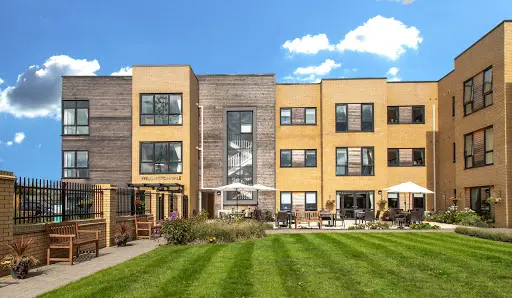
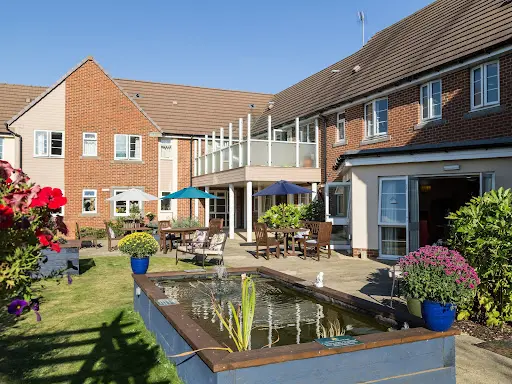
The home maintains high cleanliness standards that visitors consistently notice. Meals get particular praise, with kitchen staff adapting dishes for individual needs while keeping variety and flavour front of mind. The dining experience matters here — proper portions, genuine choice, and food that residents actually look forward to.
“It's worth visiting to see firsthand how this Southampton home brings together professional care with genuine warmth.”
DCC does not edit or curate content in this tab. For independently curated information, see The Evidence and DCC Verdict.