Wendleberrie House
At a Glance
The information you need to decide whether this home warrants a closer look.
Residential homes
Staff warmth score
of reviewers answered yes
Good to know
- Registered beds15
- SpecialismsCaring for adults over 65 yrs, Dementia, Mental health conditions, Physical disabilities
- Last inspected2019-02-15
Save Wendleberrie House to your shortlist
Keep a running list, add visit notes, and compare homes side-by-side. Free account — it takes a minute.
STAGE 4 — RESEARCHING CARE HOMES
Visit homes. Compare them side by side. Choose with confidence.
Most of us will view care homes the way we view houses, impression, atmosphere, the feeling in the corridor. We go home, try to remember what we saw, and make a permanent decision from a blurred memory.

The DCC shortlist gives every home you visit a structured record: the same twelve questions, answered the same way, every time. When you’re ready to choose, pull any two homes side by side and compare them directly. Same criteria, same evidence, your notes and your scores.
The Evidence
What the review data, the inspection reports, and the dementia-care evidence base tell us about this home.
What families say
Visitors often mention how warmly they're greeted and how the whole house feels calm and welcoming. The atmosphere puts people at ease from the moment they walk in. Families appreciate the regular updates about how their relatives are doing, keeping everyone connected.
The eight family priority themes
- Staff warmth65
- Compassion & dignity65
- Cleanliness60
- Activities & engagement55
- Food quality55
- Healthcare60
- Management & leadership42
- Resident happiness60
What inspectors found
Inspected 2019-02-15
Is this home safe?
Is the care effective?
The effective domain was rated Good at the March 2021 inspection. This domain covers training, care planning, healthcare access, nutrition, and how well the home understands and meets individual needs. No specific examples of dementia training content, care plan detail, GP access arrangements, or food quality are recorded in the published summary. The home lists dementia as a specialism, which means inspectors would have assessed whether staff had appropriate knowledge and whether care plans reflected individual needs. Beyond the rating itself, no supporting detail is available.Is this home caring?
The caring domain was rated Good at the March 2021 inspection. This domain covers staff warmth, dignity, respect, privacy, and whether residents are treated as individuals. No direct inspector observations about how staff speak to or interact with residents are recorded in the published summary. No resident or family quotes appear in the available findings. A Good caring rating means inspectors did not find significant concern, but it does not tell you whether staff know residents by their preferred names, whether interactions feel unhurried, or how staff respond when someone is distressed.Is the home responsive?
The responsive domain was rated Good at the March 2021 inspection. This domain covers activities, individual engagement, whether care reflects personal preferences and history, and end-of-life planning. No detail about activity programmes, one-to-one engagement, or end-of-life arrangements is recorded in the published summary. For a home specialising in dementia care, meaningful daily activity and individual engagement are central to wellbeing, not optional extras. The published findings give no indication of what a typical day looks like for the people who live there.Is the home well-led?
The well-led domain was rated Requires Improvement at the March 2021 inspection. This is the one area where the home did not meet the Good standard. Well-led covers management visibility, staff culture, governance systems, how the home learns from incidents, and whether leadership creates an environment where staff can raise concerns. The registered manager is Mr Kieron Mark Featherstone, who is also the nominated individual for the provider. No detail about what specifically caused the Requires Improvement rating, or what action was taken in response, is available in the published summary. The last inspection is now over four years old.
Source: CQC inspection report →
What the evidence base says
The home cares for people over 65 with dementia, mental health conditions and physical disabilities. While dementia care is one of their specialisms, the home takes a flexible approach to supporting residents with different needs. All areas worth probing directly during a visit.
The DCC Verdict
Our editorial view, built from the three lenses: what families tell us, what inspectors record, and how the home sits against good dementia-care practice.
DCC Family Score
Most domains scored in the mid-range because the published inspection findings contain very little specific detail, direct observation, or resident testimony to draw on. The Requires Improvement rating for well-led brings the overall score down and is the area that needs the most attention on a visit.
Homes in East Midlands typically score 68–82.The three-lens summary
What families tell us
Visitors often mention how warmly they're greeted and how the whole house feels calm and welcoming. The atmosphere puts people at ease from the moment they walk in. Families appreciate the regular updates about how their relatives are doing, keeping everyone connected.
What inspectors have recorded
When families raise concerns, staff listen carefully and respond quickly. This matters enormously when you're trusting others with someone's care. The team's approach shows in practical ways too — residents who arrive looking unwell often gain weight and visibly improve.
How it sits against good practice
Sometimes the best sign of good care is seeing someone you love looking healthier and more settled than they have in months.
Worth a visit
Wendleberrie House, a 15-bed residential home in Wellingborough specialising in dementia, mental health, and physical disabilities, was rated Good overall at its last inspection in March 2021. Four of the five domains, safe, effective, caring, and responsive, were rated Good, and the inspection represented an improvement from a previous Requires Improvement rating. That upward trend is a positive sign. The main uncertainty is that the published inspection report contains very little specific detail: no direct observations, no resident or family quotes, and no rota or staffing numbers are recorded in the summary available. The well-led domain remains at Requires Improvement, which means governance and management oversight had not fully met the standard as of March 2021. The last inspection is now over four years old, and much can change in that time. Before making a decision, ask the manager to walk you through what changed since the previous Requires Improvement rating, request to see the staffing rota for last week (checking permanent versus agency cover, especially on nights), and visit at a mealtime to form your own view of how staff interact with the people who live there.
The three questions to ask when you visitSave this home. Compare it against your shortlist.
Let our analysis show you how Wendleberrie House measures up against the other homes you’re considering. Free account.
In Their Own Words
How Wendleberrie House describes itself — collected from its own website. DCC has not edited or independently verified the content in this tab.
Where recovery feels like coming home, not starting over
Residential home in Wellingborough: True Peace of Mind
When someone you love needs care after a hospital stay, finding the right place feels overwhelming. Wendleberrie House in Wellingborough understands this deeply. They welcome residents back after emergencies without making them jump through hoops, and families say their relatives genuinely thrive here.
Who they care for
The home cares for people over 65 with dementia, mental health conditions and physical disabilities.
While dementia care is one of their specialisms, the home takes a flexible approach to supporting residents with different needs.
“Sometimes the best sign of good care is seeing someone you love looking healthier and more settled than they have in months.”
DCC does not edit or curate content in this tab. For independently curated information, see The Evidence and DCC Verdict.
The DCC Verdict
Our editorial view, built from the three lenses: what families tell us, what inspectors record, and how the home sits against good dementia-care practice.
DCC Family Score
Most domains scored in the mid-range because the published inspection findings contain very little specific detail, direct observation, or resident testimony to draw on. The Requires Improvement rating for well-led brings the overall score down and is the area that needs the most attention on a visit.
Homes in East Midlands typically score 68–82.The three-lens summary
What families tell us
Visitors often mention how warmly they're greeted and how the whole house feels calm and welcoming. The atmosphere puts people at ease from the moment they walk in. Families appreciate the regular updates about how their relatives are doing, keeping everyone connected.
What inspectors have recorded
When families raise concerns, staff listen carefully and respond quickly. This matters enormously when you're trusting others with someone's care. The team's approach shows in practical ways too — residents who arrive looking unwell often gain weight and visibly improve.
How it sits against good practice
Sometimes the best sign of good care is seeing someone you love looking healthier and more settled than they have in months.
Worth a visit
Wendleberrie House, a 15-bed residential home in Wellingborough specialising in dementia, mental health, and physical disabilities, was rated Good overall at its last inspection in March 2021. Four of the five domains, safe, effective, caring, and responsive, were rated Good, and the inspection represented an improvement from a previous Requires Improvement rating. That upward trend is a positive sign. The main uncertainty is that the published inspection report contains very little specific detail: no direct observations, no resident or family quotes, and no rota or staffing numbers are recorded in the summary available. The well-led domain remains at Requires Improvement, which means governance and management oversight had not fully met the standard as of March 2021. The last inspection is now over four years old, and much can change in that time. Before making a decision, ask the manager to walk you through what changed since the previous Requires Improvement rating, request to see the staffing rota for last week (checking permanent versus agency cover, especially on nights), and visit at a mealtime to form your own view of how staff interact with the people who live there.
The three questions to ask when you visitSave this home. Compare it against your shortlist.
Let our analysis show you how Wendleberrie House measures up against the other homes you’re considering. Free account.
In Their Own Words
How Wendleberrie House describes itself — collected from its own website. DCC has not edited or independently verified the content in this tab.
Where recovery feels like coming home, not starting over
Residential home in Wellingborough: True Peace of Mind
When someone you love needs care after a hospital stay, finding the right place feels overwhelming. Wendleberrie House in Wellingborough understands this deeply. They welcome residents back after emergencies without making them jump through hoops, and families say their relatives genuinely thrive here.
Who they care for
The home cares for people over 65 with dementia, mental health conditions and physical disabilities.
While dementia care is one of their specialisms, the home takes a flexible approach to supporting residents with different needs.
Management & ethos
When families raise concerns, staff listen carefully and respond quickly. This matters enormously when you're trusting others with someone's care. The team's approach shows in practical ways too — residents who arrive looking unwell often gain weight and visibly improve.
The home & environment
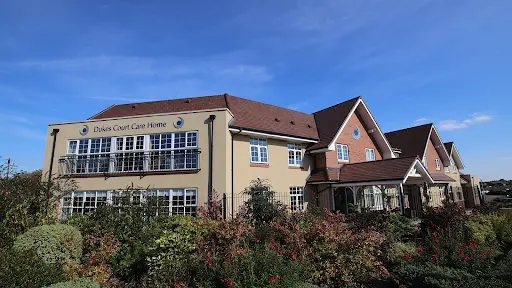
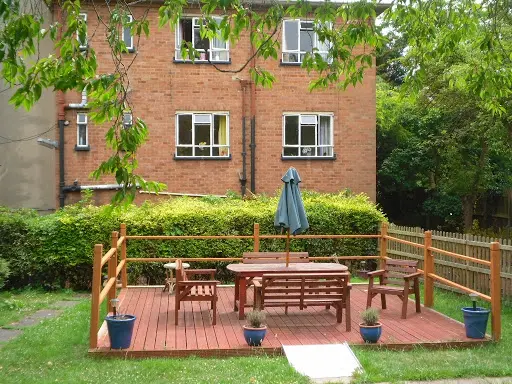
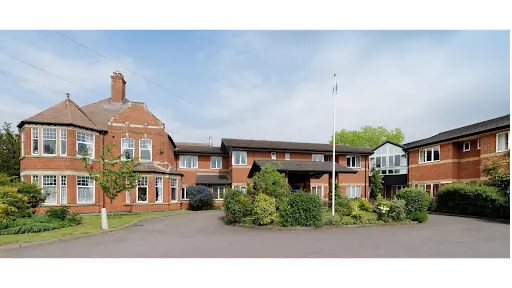
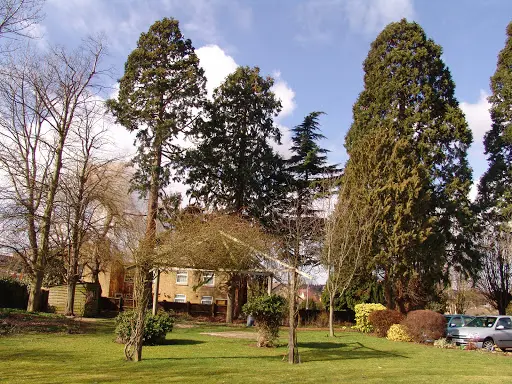
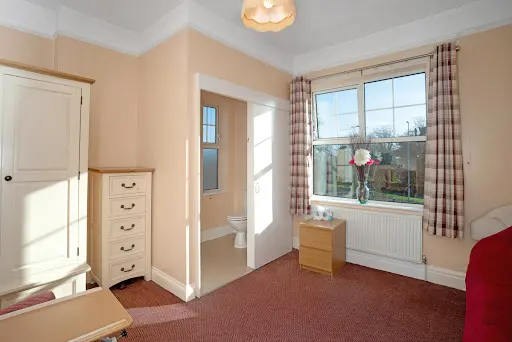
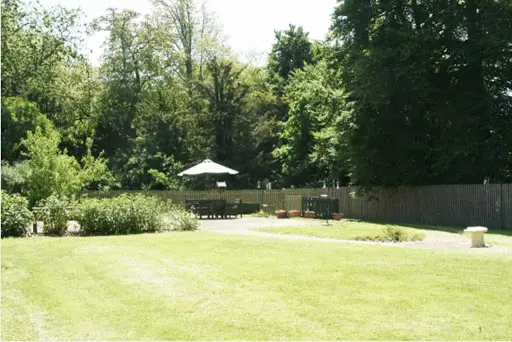
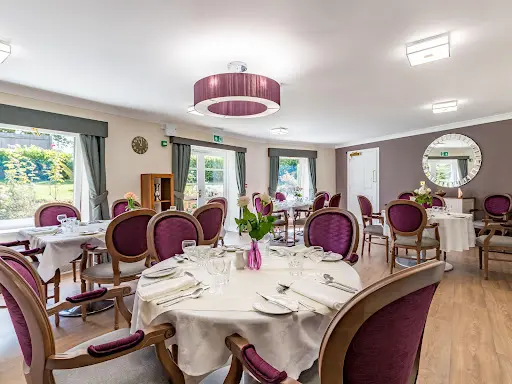
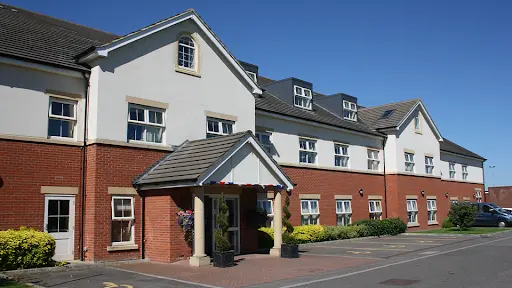
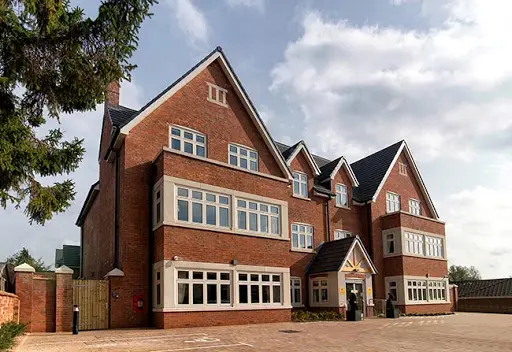
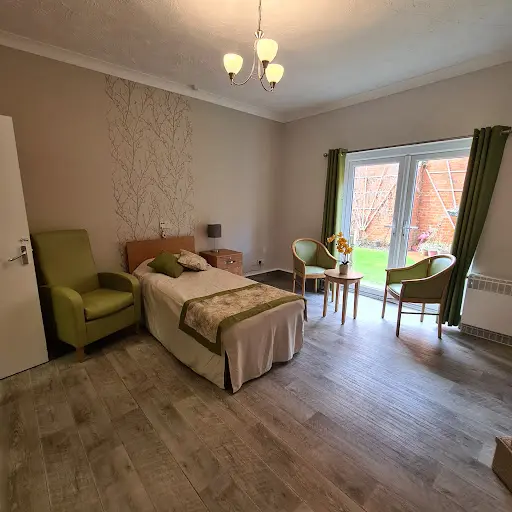
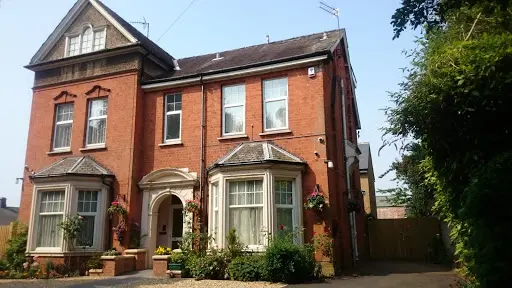
The house itself gets noticed by visitors for being beautifully looked after. There's a weekly arts and crafts session that residents enjoy, giving structure to the week.
“Sometimes the best sign of good care is seeing someone you love looking healthier and more settled than they have in months.”
DCC does not edit or curate content in this tab. For independently curated information, see The Evidence and DCC Verdict.