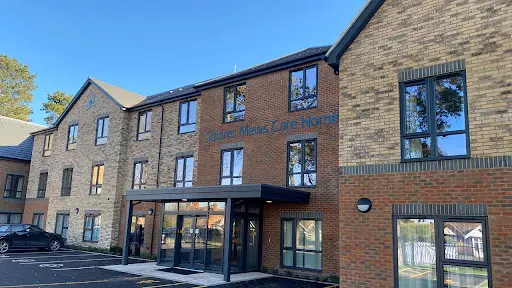
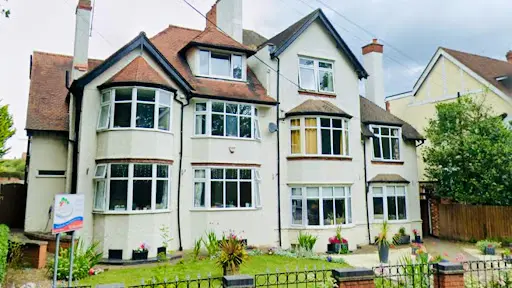
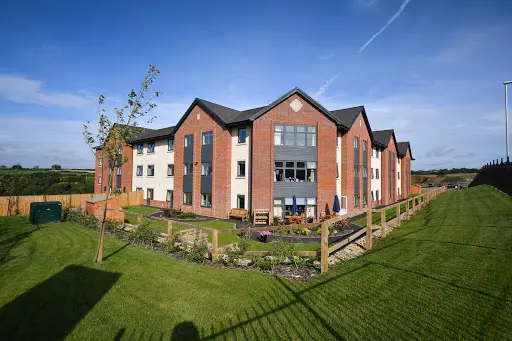
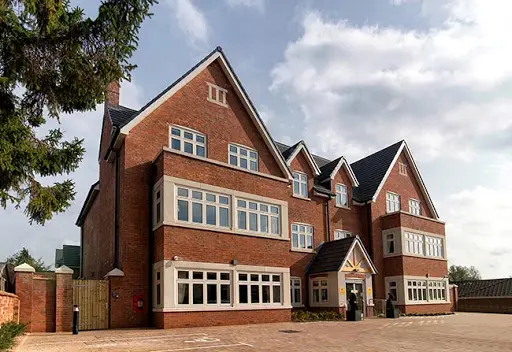
Burlington Court Care Home
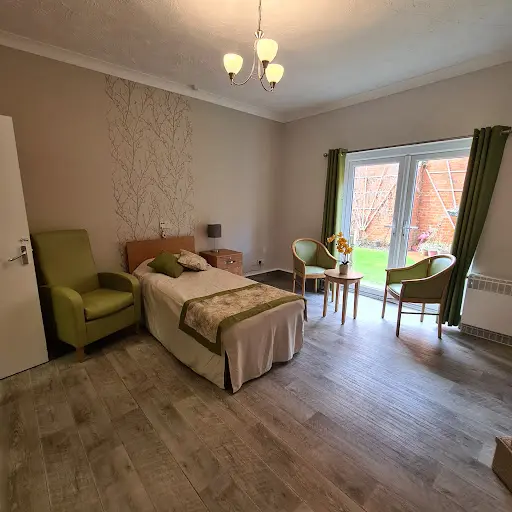
At a Glance
The information you need to decide whether this home warrants a closer look.
Nursing homes
Staff warmth score
of reviewers answered yes
Good to know
- Registered beds102
- SpecialismsCaring for adults over 65 yrs, Caring for adults under 65 yrs, Dementia
- Last inspected2019-12-05
Save Burlington Court Care Home to your shortlist
Keep a running list, add visit notes, and compare homes side-by-side. Free account — it takes a minute.
STAGE 4 — RESEARCHING CARE HOMES
Visit homes. Compare them side by side. Choose with confidence.
Most of us will view care homes the way we view houses, impression, atmosphere, the feeling in the corridor. We go home, try to remember what we saw, and make a permanent decision from a blurred memory.

The DCC shortlist gives every home you visit a structured record: the same twelve questions, answered the same way, every time. When you’re ready to choose, pull any two homes side by side and compare them directly. Same criteria, same evidence, your notes and your scores.
The Evidence
What the review data, the inspection reports, and the dementia-care evidence base tell us about this home.
What families say
Families describe feeling genuinely included in their loved one's care journey. Staff adapt spaces so grandchildren can visit comfortably, and relatives often mention being offered tea and biscuits during long visits. The team organises day trips and special events, taking photos that families treasure as keepsakes of happier moments.
The eight family priority themes
- Staff warmth82
- Compassion & dignity88
- Cleanliness72
- Activities & engagement80
- Food quality65
- Healthcare72
- Management & leadership72
- Resident happiness78
What inspectors found
Inspected 2019-12-05
Is this home safe?
Is the care effective?
The Effective domain was rated Good at the last inspection. This domain covers staff training, care plan quality, healthcare access, and nutrition. No specific examples from inspector observations or resident testimony are available in the published summary. The home's dementia specialism means that dementia-specific training and care planning should be in place, but there is no inspection detail to confirm the quality or currency of either.Is this home caring?
The Caring domain was rated Outstanding at the December 2019 inspection. This is the highest rating available and indicates inspectors found strong, specific evidence of compassionate, dignified, and respectful care. Outstanding Caring ratings are relatively rare and are awarded only when inspectors observe consistently exceptional practice across multiple areas, including how staff treat people, how privacy and dignity are protected, and how individual identity is respected. No verbatim quotes or specific observations are available in the published summary for this report.Is the home responsive?
The Responsive domain was also rated Outstanding at the December 2019 inspection. Responsiveness covers how well the home tailors its care and activities to individual needs, how it handles complaints, and how it approaches end-of-life care. An Outstanding rating here suggests inspectors found evidence that the home went beyond standard provision to meet people's personal preferences and interests. No specific examples of activities, complaint handling, or end-of-life arrangements are described in the available published text.Is the home well-led?
The Well-led domain was rated Good at the December 2019 inspection. A named registered manager, Mr Tej Paul Singh Sehmi, is recorded as being in post, and a nominated individual is also identified, indicating a clear organisational accountability structure. No specific detail about management visibility, staff culture, governance systems, or how the home handles learning from incidents is available in the published summary. The home is operated by Hampton (Burlington Court Care) Ltd.
Source: CQC inspection report →
What the evidence base says
The home provides specialist care for adults under 65, older adults, and those living with dementia. They support residents through different stages of care needs, from rehabilitation to end-of-life support. For residents with dementia, the structured activities and family-inclusive approach can help maintain connections. Staff work to create meaningful moments through organised outings and events. All areas worth probing directly during a visit.
The DCC Verdict
Our editorial view, built from the three lenses: what families tell us, what inspectors record, and how the home sits against good dementia-care practice.
DCC Family Score
Burlington Court holds an Outstanding overall rating, with particularly strong evidence of compassionate, respectful care and a responsive approach to individuality. Scores reflect the age of the published inspection findings (December 2019, confirmed without reassessment in July 2023), which limits how much specific detail is available across some themes.
Homes in East Midlands typically score 68–82.The three-lens summary
What families tell us
Families describe feeling genuinely included in their loved one's care journey. Staff adapt spaces so grandchildren can visit comfortably, and relatives often mention being offered tea and biscuits during long visits. The team organises day trips and special events, taking photos that families treasure as keepsakes of happier moments.
What inspectors have recorded
The management team makes themselves available to families, responding to specific requests about room arrangements and visiting needs. Some relatives speak of staff who advocated strongly for their loved one's wishes during end-of-life care, ensuring peaceful moments surrounded by family. However, experiences vary — while some describe attentive, familiar faces who know residents well, others have raised concerns about inconsistent care standards and times when staff seemed less engaged.
How it sits against good practice
Every family's experience is unique, and Burlington Court clearly means different things to different people. Taking time to visit and see how the team works with your loved one will help you understand if it feels right for your family.
Worth a visit
Burlington Court, on Roseholme Road in Northampton, was rated Outstanding overall at its last full inspection in December 2019. Inspectors rated the home Outstanding for Caring and Responsive, and Good across Safe, Effective, and Well-led. A monitoring review in July 2023 found no evidence to change those ratings, so the Outstanding status remains formally in place. The home provides nursing care for up to 102 people, including those living with dementia, and has a named registered manager. The main uncertainty here is the age of the evidence. The full inspection took place in December 2019, more than five years ago, and the published summary for the August 2020 report contains very little specific detail about what inspectors actually observed. An Outstanding Caring rating is a meaningful signal, and you should explore what it looks like in practice. When you visit, ask to see last week's actual staffing rota (counting permanent versus agency staff, especially on night shifts), ask how the home supports residents living with dementia who cannot join group activities, and observe whether staff interactions feel unhurried and personal during your time there.
The three questions to ask when you visitSave this home. Compare it against your shortlist.
Let our analysis show you how Burlington Court Care Home measures up against the other homes you’re considering. Free account.
In Their Own Words
How Burlington Court Care Home describes itself — collected from its own website. DCC has not edited or independently verified the content in this tab.
Where families find comfort through life's final chapters
Compassionate Care in Northampton at Burlington Court
Burlington Court in Northampton brings families together during some of life's most challenging moments. This East Midlands care home specialises in supporting both younger and older adults, including those living with dementia. What strikes many relatives is how staff here understand that caring for someone means caring for their whole family too.
Who they care for
The home provides specialist care for adults under 65, older adults, and those living with dementia. They support residents through different stages of care needs, from rehabilitation to end-of-life support.
For residents with dementia, the structured activities and family-inclusive approach can help maintain connections. Staff work to create meaningful moments through organised outings and events.
“Every family's experience is unique, and Burlington Court clearly means different things to different people. Taking time to visit and see how the team works with your loved one will help you understand if it feels right for your family.”
DCC does not edit or curate content in this tab. For independently curated information, see The Evidence and DCC Verdict.
The DCC Verdict
Our editorial view, built from the three lenses: what families tell us, what inspectors record, and how the home sits against good dementia-care practice.
DCC Family Score
Burlington Court holds an Outstanding overall rating, with particularly strong evidence of compassionate, respectful care and a responsive approach to individuality. Scores reflect the age of the published inspection findings (December 2019, confirmed without reassessment in July 2023), which limits how much specific detail is available across some themes.
Homes in East Midlands typically score 68–82.The three-lens summary
What families tell us
Families describe feeling genuinely included in their loved one's care journey. Staff adapt spaces so grandchildren can visit comfortably, and relatives often mention being offered tea and biscuits during long visits. The team organises day trips and special events, taking photos that families treasure as keepsakes of happier moments.
What inspectors have recorded
The management team makes themselves available to families, responding to specific requests about room arrangements and visiting needs. Some relatives speak of staff who advocated strongly for their loved one's wishes during end-of-life care, ensuring peaceful moments surrounded by family. However, experiences vary — while some describe attentive, familiar faces who know residents well, others have raised concerns about inconsistent care standards and times when staff seemed less engaged.
How it sits against good practice
Every family's experience is unique, and Burlington Court clearly means different things to different people. Taking time to visit and see how the team works with your loved one will help you understand if it feels right for your family.
Worth a visit
Burlington Court, on Roseholme Road in Northampton, was rated Outstanding overall at its last full inspection in December 2019. Inspectors rated the home Outstanding for Caring and Responsive, and Good across Safe, Effective, and Well-led. A monitoring review in July 2023 found no evidence to change those ratings, so the Outstanding status remains formally in place. The home provides nursing care for up to 102 people, including those living with dementia, and has a named registered manager. The main uncertainty here is the age of the evidence. The full inspection took place in December 2019, more than five years ago, and the published summary for the August 2020 report contains very little specific detail about what inspectors actually observed. An Outstanding Caring rating is a meaningful signal, and you should explore what it looks like in practice. When you visit, ask to see last week's actual staffing rota (counting permanent versus agency staff, especially on night shifts), ask how the home supports residents living with dementia who cannot join group activities, and observe whether staff interactions feel unhurried and personal during your time there.
The three questions to ask when you visitSave this home. Compare it against your shortlist.
Let our analysis show you how Burlington Court Care Home measures up against the other homes you’re considering. Free account.
In Their Own Words
How Burlington Court Care Home describes itself — collected from its own website. DCC has not edited or independently verified the content in this tab.
Where families find comfort through life's final chapters
Compassionate Care in Northampton at Burlington Court
Burlington Court in Northampton brings families together during some of life's most challenging moments. This East Midlands care home specialises in supporting both younger and older adults, including those living with dementia. What strikes many relatives is how staff here understand that caring for someone means caring for their whole family too.
Who they care for
The home provides specialist care for adults under 65, older adults, and those living with dementia. They support residents through different stages of care needs, from rehabilitation to end-of-life support.
For residents with dementia, the structured activities and family-inclusive approach can help maintain connections. Staff work to create meaningful moments through organised outings and events.
Management & ethos
The management team makes themselves available to families, responding to specific requests about room arrangements and visiting needs. Some relatives speak of staff who advocated strongly for their loved one's wishes during end-of-life care, ensuring peaceful moments surrounded by family. However, experiences vary — while some describe attentive, familiar faces who know residents well, others have raised concerns about inconsistent care standards and times when staff seemed less engaged.
“Every family's experience is unique, and Burlington Court clearly means different things to different people. Taking time to visit and see how the team works with your loved one will help you understand if it feels right for your family.”
DCC does not edit or curate content in this tab. For independently curated information, see The Evidence and DCC Verdict.