Glenvale Park care home, Wellingborough
At a Glance
The information you need to decide whether this home warrants a closer look.
Residential homes
Staff warmth score
of reviewers answered yes
Good to know
- Registered beds66
- SpecialismsCaring for adults over 65 yrs, Dementia
- Last inspected2024-02-15
Save Glenvale Park care home, Wellingborough to your shortlist
Keep a running list, add visit notes, and compare homes side-by-side. Free account — it takes a minute.
STAGE 4 — RESEARCHING CARE HOMES
Visit homes. Compare them side by side. Choose with confidence.
Most of us will view care homes the way we view houses, impression, atmosphere, the feeling in the corridor. We go home, try to remember what we saw, and make a permanent decision from a blurred memory.

The DCC shortlist gives every home you visit a structured record: the same twelve questions, answered the same way, every time. When you’re ready to choose, pull any two homes side by side and compare them directly. Same criteria, same evidence, your notes and your scores.
The Evidence
What the review data, the inspection reports, and the dementia-care evidence base tell us about this home.
What families say
Visitors often mention how staff take time to learn what matters to each resident. One family watched both their parents — one frail, one living with dementia — receive different but equally thoughtful attention that helped them adjust to their new surroundings. The care teams seem to understand that small, consistent gestures make all the difference.
The eight family priority themes
- Staff warmth75
- Compassion & dignity75
- Cleanliness70
- Activities & engagement65
- Food quality65
- Healthcare70
- Management & leadership75
- Resident happiness70
What inspectors found
Inspected 2024-02-15 Report published 2024-02-15
Is this home safe?
Is the care effective?
The Effective domain was rated Good at the February 2024 inspection. This domain covers training, care planning, healthcare access, and nutrition. Dementia is listed as a specialism for the home, which means inspectors would have reviewed whether staff training reflects this. The published findings do not describe specific dementia training content, care plan review frequency, or how the home manages GP access and health monitoring in practice. Food quality and dietary management are also part of this domain but are not described in the available report.Is this home caring?
The Caring domain was rated Good at the February 2024 inspection. This domain covers staff warmth, dignity, respect, and independence. A Good rating here means inspectors observed or gathered sufficient evidence that the people who live at the home were being treated with kindness and respect. The published report does not include direct quotes from the people who live there or their families, and does not describe specific observed interactions such as use of preferred names, knocking before entering rooms, or responses to distress.Is the home responsive?
The Responsive domain was rated Good at the February 2024 inspection. This domain covers activities, individual engagement, and how well the home responds to the personal preferences and changing needs of the people who live there, including end-of-life care planning. The published findings do not describe specific activities, scheduled programmes, or examples of one-to-one engagement for people living with advanced dementia. End-of-life care planning is not specifically referenced in the available report.Is the home well-led?
The Well-led domain was rated Good at the February 2024 inspection. A named registered manager, Mrs Carley Calder, and a nominated individual, Mr Daniel Ryan, are both formally registered. The home is part of the Anchor Hanover Group, a large national provider. A Good Well-led rating indicates inspectors found adequate governance, accountability structures, and a culture where staff could raise concerns. The published findings do not describe how long the current manager has been in post, staff turnover rates, or how families are kept informed about changes in the home.
Source: CQC inspection report →
What the evidence base says
The home cares for adults over 65, including those living with dementia. This means staff are experienced in supporting people with a range of health conditions and care needs. Families of people living with dementia tell us they have seen gradual improvements as their parent settles in. One family noted that their relative now views the home positively, suggesting the environment and approach help reduce the disorientation that dementia can bring. All areas worth probing directly during a visit.
The DCC Verdict
Our editorial view, built from the three lenses: what families tell us, what inspectors record, and how the home sits against good dementia-care practice.
DCC Family Score
Glenvale Park Care Home scored Good across all five inspection domains, which places it in the solid mid-range on the DCC Family Score. The inspection confirmed positive findings in care and leadership, but limited specific observations, direct quotes, and detail on areas such as food, activities, and night staffing prevent a higher score.
Homes in East Midlands typically score 68–82.The three-lens summary
What families tell us
Visitors often mention how staff take time to learn what matters to each resident. One family watched both their parents — one frail, one living with dementia — receive different but equally thoughtful attention that helped them adjust to their new surroundings. The care teams seem to understand that small, consistent gestures make all the difference.
What inspectors have recorded
Staff across different shifts are described as warm and professional in their approach. While one family raised concerns about maintenance requests not being addressed promptly, most accounts suggest the team works well together to support residents with varying needs.
How it sits against good practice
If you're considering Glenvale Park, visiting in person will give you the clearest sense of whether it feels right for your family.
Worth a visit
Glenvale Park Care Home, on Juniper Grove in Wellingborough, was rated Good across all five inspection domains at its assessment in February 2024, with the report published in October 2024. The home is run by Anchor Hanover Group, a large national provider, and has a named registered manager in post. Good ratings across Safe, Effective, Caring, Responsive, and Well-led indicate that inspectors found no significant concerns and that the home was meeting expected standards in all areas at the time of the visit. The main limitation of this report is that the published findings are brief and contain very little specific detail: no direct quotes from the people who live there or their families, no observations of individual interactions, and no specifics on staffing ratios, food, activities, or the physical environment. A Good rating is a positive starting point, but it tells you the home passed the inspection rather than giving you a picture of daily life. Before making a decision, visit at a mealtime, ask to see the activities schedule for the previous fortnight, and ask the manager how many permanent staff are on the dementia unit after 8pm.
The three questions to ask when you visitSave this home. Compare it against your shortlist.
Let our analysis show you how Glenvale Park care home, Wellingborough measures up against the other homes you’re considering. Free account.
In Their Own Words
How Glenvale Park care home, Wellingborough describes itself — collected from its own website. DCC has not edited or independently verified the content in this tab.
Where dementia residents find comfort in familiar routines and caring staff
Residential home in Wellingborough: True Peace of Mind
When someone you love needs specialised care, finding somewhere that truly understands dementia can feel overwhelming. Glenvale Park Care Home in Wellingborough offers support for residents over and under 65, with particular experience in dementia care. Families describe watching their loved ones settle in and gradually relax as staff get to know their individual needs.
Who they care for
The home cares for adults over 65, including those living with dementia. This means staff are experienced in supporting people with a range of health conditions and care needs.
Families of people living with dementia tell us they have seen gradual improvements as their parent settles in. One family noted that their relative now views the home positively, suggesting the environment and approach help reduce the disorientation that dementia can bring.
“If you're considering Glenvale Park, visiting in person will give you the clearest sense of whether it feels right for your family.”
DCC does not edit or curate content in this tab. For independently curated information, see The Evidence and DCC Verdict.
The DCC Verdict
Our editorial view, built from the three lenses: what families tell us, what inspectors record, and how the home sits against good dementia-care practice.
DCC Family Score
Glenvale Park Care Home scored Good across all five inspection domains, which places it in the solid mid-range on the DCC Family Score. The inspection confirmed positive findings in care and leadership, but limited specific observations, direct quotes, and detail on areas such as food, activities, and night staffing prevent a higher score.
Homes in East Midlands typically score 68–82.The three-lens summary
What families tell us
Visitors often mention how staff take time to learn what matters to each resident. One family watched both their parents — one frail, one living with dementia — receive different but equally thoughtful attention that helped them adjust to their new surroundings. The care teams seem to understand that small, consistent gestures make all the difference.
What inspectors have recorded
Staff across different shifts are described as warm and professional in their approach. While one family raised concerns about maintenance requests not being addressed promptly, most accounts suggest the team works well together to support residents with varying needs.
How it sits against good practice
If you're considering Glenvale Park, visiting in person will give you the clearest sense of whether it feels right for your family.
Worth a visit
Glenvale Park Care Home, on Juniper Grove in Wellingborough, was rated Good across all five inspection domains at its assessment in February 2024, with the report published in October 2024. The home is run by Anchor Hanover Group, a large national provider, and has a named registered manager in post. Good ratings across Safe, Effective, Caring, Responsive, and Well-led indicate that inspectors found no significant concerns and that the home was meeting expected standards in all areas at the time of the visit. The main limitation of this report is that the published findings are brief and contain very little specific detail: no direct quotes from the people who live there or their families, no observations of individual interactions, and no specifics on staffing ratios, food, activities, or the physical environment. A Good rating is a positive starting point, but it tells you the home passed the inspection rather than giving you a picture of daily life. Before making a decision, visit at a mealtime, ask to see the activities schedule for the previous fortnight, and ask the manager how many permanent staff are on the dementia unit after 8pm.
The three questions to ask when you visitSave this home. Compare it against your shortlist.
Let our analysis show you how Glenvale Park care home, Wellingborough measures up against the other homes you’re considering. Free account.
In Their Own Words
How Glenvale Park care home, Wellingborough describes itself — collected from its own website. DCC has not edited or independently verified the content in this tab.
Where dementia residents find comfort in familiar routines and caring staff
Residential home in Wellingborough: True Peace of Mind
When someone you love needs specialised care, finding somewhere that truly understands dementia can feel overwhelming. Glenvale Park Care Home in Wellingborough offers support for residents over and under 65, with particular experience in dementia care. Families describe watching their loved ones settle in and gradually relax as staff get to know their individual needs.
Who they care for
The home cares for adults over 65, including those living with dementia. This means staff are experienced in supporting people with a range of health conditions and care needs.
Families of people living with dementia tell us they have seen gradual improvements as their parent settles in. One family noted that their relative now views the home positively, suggesting the environment and approach help reduce the disorientation that dementia can bring.
Management & ethos
Staff across different shifts are described as warm and professional in their approach. While one family raised concerns about maintenance requests not being addressed promptly, most accounts suggest the team works well together to support residents with varying needs.
The home & environment
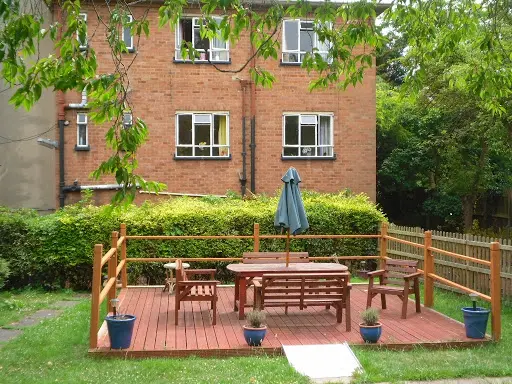
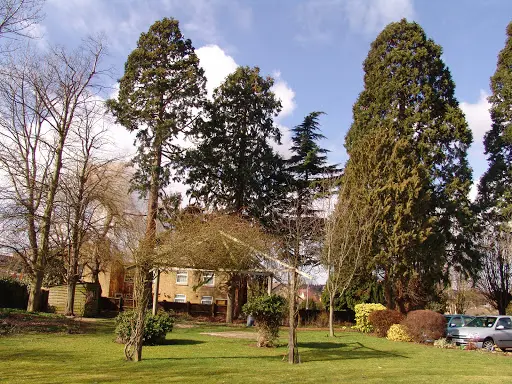
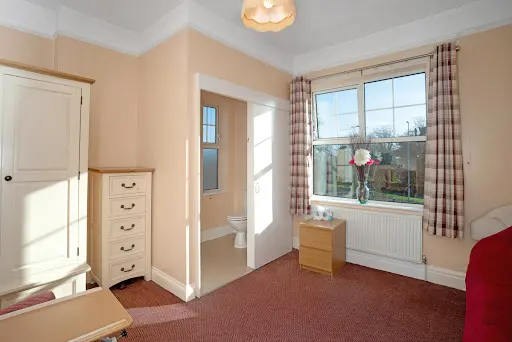
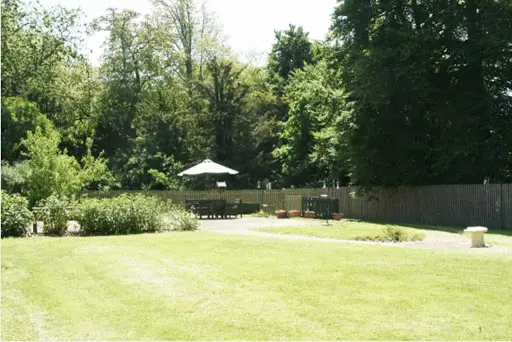
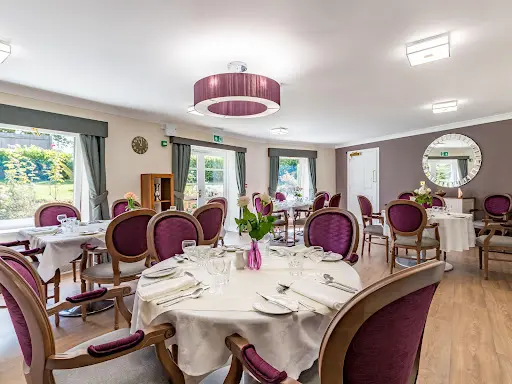
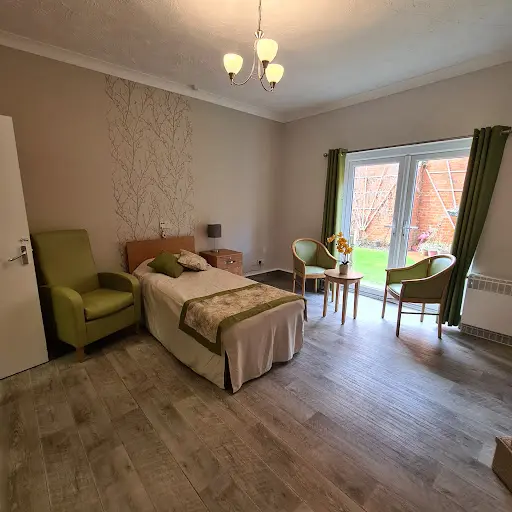
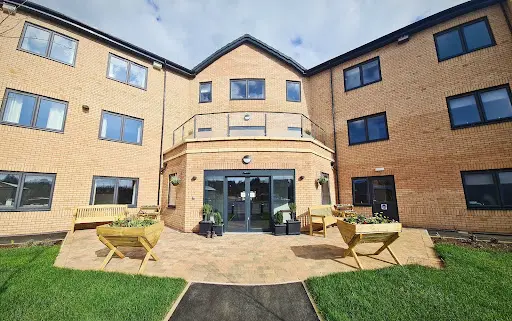
The home itself gets noticed for its well-kept appearance and comfortable spaces. Several people compare the surroundings to hotel standards, though of course it's the quality of care that matters most. The physical environment does seem to help residents feel they're somewhere pleasant rather than institutional.
“If you're considering Glenvale Park, visiting in person will give you the clearest sense of whether it feels right for your family.”
DCC does not edit or curate content in this tab. For independently curated information, see The Evidence and DCC Verdict.