Cliftonville Care Home
At a Glance
The information you need to decide whether this home warrants a closer look.
Nursing homes
Staff warmth score
of reviewers answered yes
Good to know
- Registered beds106
- SpecialismsCaring for adults over 65 yrs, Caring for adults under 65 yrs, Dementia, Physical disabilities
- Last inspected2022-12-07
Save Cliftonville Care Home to your shortlist
Keep a running list, add visit notes, and compare homes side-by-side. Free account — it takes a minute.
STAGE 4 — RESEARCHING CARE HOMES
Visit homes. Compare them side by side. Choose with confidence.
Most of us will view care homes the way we view houses, impression, atmosphere, the feeling in the corridor. We go home, try to remember what we saw, and make a permanent decision from a blurred memory.

The DCC shortlist gives every home you visit a structured record: the same twelve questions, answered the same way, every time. When you’re ready to choose, pull any two homes side by side and compare them directly. Same criteria, same evidence, your notes and your scores.
The Evidence
What the review data, the inspection reports, and the dementia-care evidence base tell us about this home.
What families say
Families describe feeling genuinely supported during what can be overwhelming transitions. The activities programme — from morning exercises to afternoon quizzes and music sessions — helps residents stay engaged and connected. Many people notice how these structured activities lift spirits and encourage friendships to develop naturally throughout the day.
The eight family priority themes
- Staff warmth55
- Compassion & dignity55
- Cleanliness60
- Activities & engagement55
- Food quality55
- Healthcare65
- Management & leadership45
- Resident happiness55
What inspectors found
Inspected 2022-12-07
Is this home safe?
Is the care effective?
Effective was rated Good at the February 2024 inspection. The published summary does not provide specific detail on training content, care plan quality, GP access frequency, or how the home manages nutrition for residents with dementia. A Good rating indicates inspectors were satisfied with what they saw in these areas.Is this home caring?
Caring was rated Good at the February 2024 inspection. The published summary does not contain specific inspector observations about staff interactions, use of preferred names, responses to distress, or dignity during personal care. A Good rating means inspectors did not find concerns in this domain, but without the detailed report text the specific evidence behind the rating is not available here.Is the home responsive?
Responsive was rated Good at the February 2024 inspection. The published summary does not include specific information about the activities programme, individual engagement for residents who cannot join groups, end-of-life care planning, or how the home responds to changing needs. A Good rating in this domain means inspectors were satisfied, but the detail is not available from the published text alone.Is the home well-led?
Well-led was rated Requires Improvement at the February 2024 inspection. This is the only domain where inspectors found the home falling short. The published summary lists two registered managers and a nominated individual but does not detail what specifically prompted the Requires Improvement rating. This is a decline from the previous Good rating and represents the most important area of concern for families considering this home.
Source: CQC inspection report →
What the evidence base says
The home provides residential care for adults both under and over 65, including those living with dementia or physical disabilities. This broad expertise means the team has experience supporting people with varying levels of need. For residents living with dementia, the structured activity programme provides important routine and stimulation. The nursing team understands the specific challenges dementia brings and works to maintain each person's dignity and comfort. All areas worth probing directly during a visit.
The DCC Verdict
Our editorial view, built from the three lenses: what families tell us, what inspectors record, and how the home sits against good dementia-care practice.
DCC Family Score
Cliftonville Care Home scores 62 out of 100. Most care domains were rated Good at the latest inspection, but leadership concerns pull the overall score down and mean this home warrants careful scrutiny before you commit.
Homes in East Midlands typically score 68–82.The three-lens summary
What families tell us
Families describe feeling genuinely supported during what can be overwhelming transitions. The activities programme — from morning exercises to afternoon quizzes and music sessions — helps residents stay engaged and connected. Many people notice how these structured activities lift spirits and encourage friendships to develop naturally throughout the day.
What inspectors have recorded
The nursing staff demonstrate real clinical skill and attentiveness, particularly during acute care situations and when supporting residents through end-of-life care. While the home has experienced management changes that have created some inconsistency in communication with families, the core nursing team continues to show dedication to resident wellbeing.
How it sits against good practice
Choosing care involves weighing many factors, and visiting Cliftonville will help you understand whether their approach feels right for your family.
Worth a visit
Cliftonville Care Home, on Cliftonville Road in Northampton, was assessed in February 2024 and the report was published in July 2024. Four of its five domains, Safe, Effective, Caring, and Responsive, were all rated Good. That is a meaningful finding for a 106-bed nursing home caring for people with dementia and physical disabilities. The home is run by Avery Homes Cliftonville Limited and has two registered managers on record. The significant concern is Well-led, which was rated Requires Improvement. This matters because leadership quality is one of the strongest predictors of whether good care is sustained over time. The published report does not contain enough detail to tell you exactly what inspectors found lacking, so you need to go and see for yourself. When you visit, ask which manager you are speaking to, how long they have been in post, and what specific changes have been made since the inspection. Ask to see the action plan the home submitted in response. A Good rating in four domains is genuinely positive, but leadership instability can erode those gains quickly, and with 106 beds this is a large home where oversight really matters.
The three questions to ask when you visitSave this home. Compare it against your shortlist.
Let our analysis show you how Cliftonville Care Home measures up against the other homes you’re considering. Free account.
In Their Own Words
How Cliftonville Care Home describes itself — collected from its own website. DCC has not edited or independently verified the content in this tab.
Where skilled nurses bring warmth to challenging times
Cliftonville Care Home – Your Trusted nursing home
When families face difficult care decisions, they need to know their loved ones will receive genuine attention and clinical expertise. Cliftonville Care Home in Northampton has been through significant changes in recent years, with new management working to rebuild trust and strengthen the quality of care. The nursing team here shows real dedication, particularly when residents need them most.
Who they care for
The home provides residential care for adults both under and over 65, including those living with dementia or physical disabilities. This broad expertise means the team has experience supporting people with varying levels of need.
For residents living with dementia, the structured activity programme provides important routine and stimulation. The nursing team understands the specific challenges dementia brings and works to maintain each person's dignity and comfort.
“Choosing care involves weighing many factors, and visiting Cliftonville will help you understand whether their approach feels right for your family.”
DCC does not edit or curate content in this tab. For independently curated information, see The Evidence and DCC Verdict.
The DCC Verdict
Our editorial view, built from the three lenses: what families tell us, what inspectors record, and how the home sits against good dementia-care practice.
DCC Family Score
Cliftonville Care Home scores 62 out of 100. Most care domains were rated Good at the latest inspection, but leadership concerns pull the overall score down and mean this home warrants careful scrutiny before you commit.
Homes in East Midlands typically score 68–82.The three-lens summary
What families tell us
Families describe feeling genuinely supported during what can be overwhelming transitions. The activities programme — from morning exercises to afternoon quizzes and music sessions — helps residents stay engaged and connected. Many people notice how these structured activities lift spirits and encourage friendships to develop naturally throughout the day.
What inspectors have recorded
The nursing staff demonstrate real clinical skill and attentiveness, particularly during acute care situations and when supporting residents through end-of-life care. While the home has experienced management changes that have created some inconsistency in communication with families, the core nursing team continues to show dedication to resident wellbeing.
How it sits against good practice
Choosing care involves weighing many factors, and visiting Cliftonville will help you understand whether their approach feels right for your family.
Worth a visit
Cliftonville Care Home, on Cliftonville Road in Northampton, was assessed in February 2024 and the report was published in July 2024. Four of its five domains, Safe, Effective, Caring, and Responsive, were all rated Good. That is a meaningful finding for a 106-bed nursing home caring for people with dementia and physical disabilities. The home is run by Avery Homes Cliftonville Limited and has two registered managers on record. The significant concern is Well-led, which was rated Requires Improvement. This matters because leadership quality is one of the strongest predictors of whether good care is sustained over time. The published report does not contain enough detail to tell you exactly what inspectors found lacking, so you need to go and see for yourself. When you visit, ask which manager you are speaking to, how long they have been in post, and what specific changes have been made since the inspection. Ask to see the action plan the home submitted in response. A Good rating in four domains is genuinely positive, but leadership instability can erode those gains quickly, and with 106 beds this is a large home where oversight really matters.
The three questions to ask when you visitSave this home. Compare it against your shortlist.
Let our analysis show you how Cliftonville Care Home measures up against the other homes you’re considering. Free account.
In Their Own Words
How Cliftonville Care Home describes itself — collected from its own website. DCC has not edited or independently verified the content in this tab.
Where skilled nurses bring warmth to challenging times
Cliftonville Care Home – Your Trusted nursing home
When families face difficult care decisions, they need to know their loved ones will receive genuine attention and clinical expertise. Cliftonville Care Home in Northampton has been through significant changes in recent years, with new management working to rebuild trust and strengthen the quality of care. The nursing team here shows real dedication, particularly when residents need them most.
Who they care for
The home provides residential care for adults both under and over 65, including those living with dementia or physical disabilities. This broad expertise means the team has experience supporting people with varying levels of need.
For residents living with dementia, the structured activity programme provides important routine and stimulation. The nursing team understands the specific challenges dementia brings and works to maintain each person's dignity and comfort.
Management & ethos
The nursing staff demonstrate real clinical skill and attentiveness, particularly during acute care situations and when supporting residents through end-of-life care. While the home has experienced management changes that have created some inconsistency in communication with families, the core nursing team continues to show dedication to resident wellbeing.
The home & environment
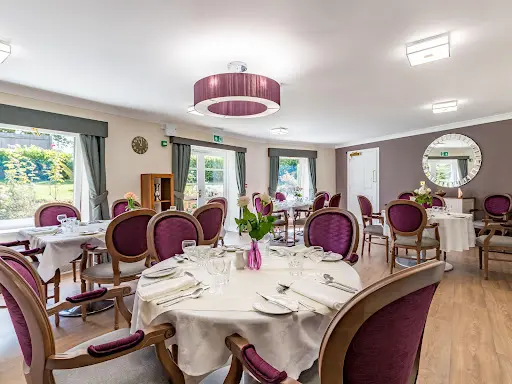
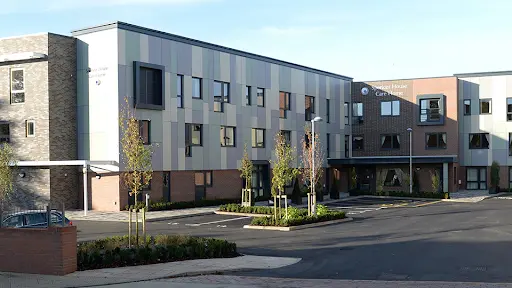
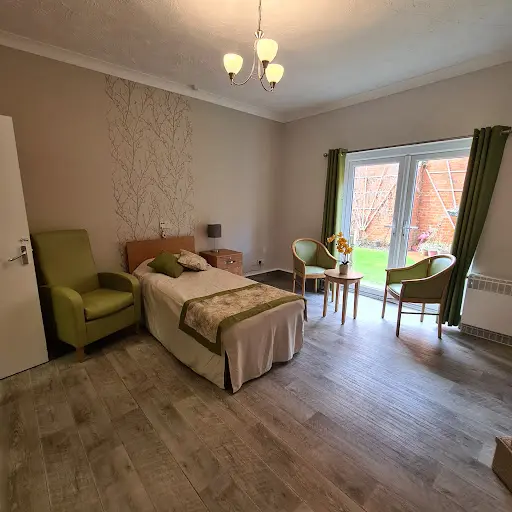
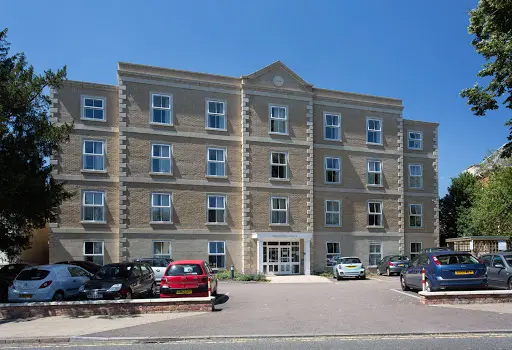
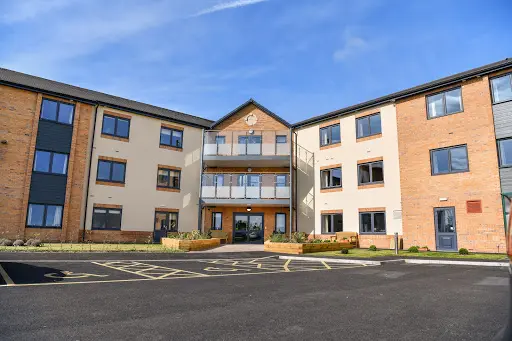
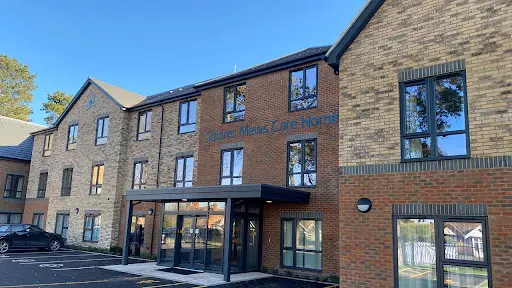
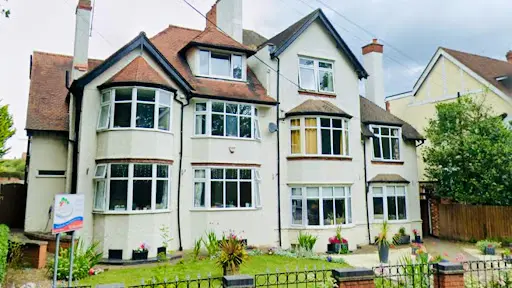
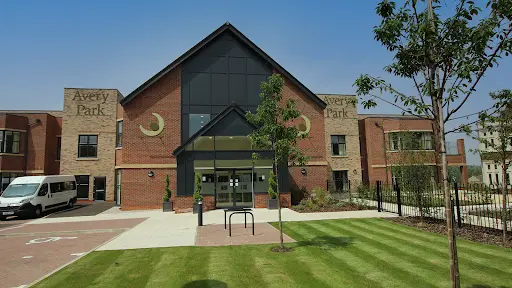
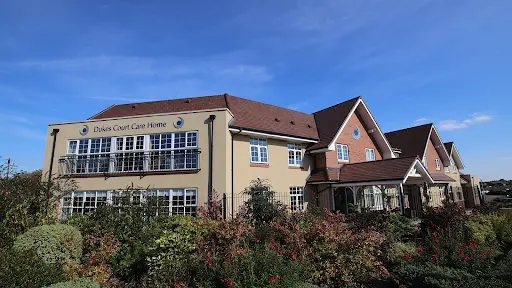
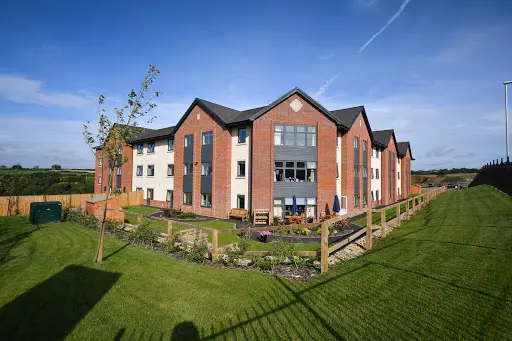
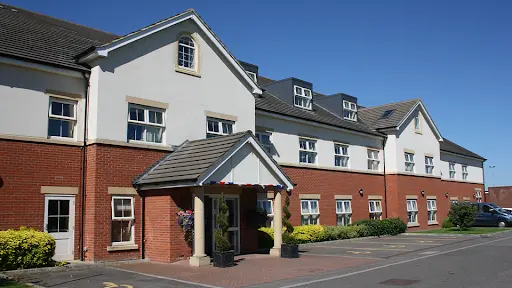
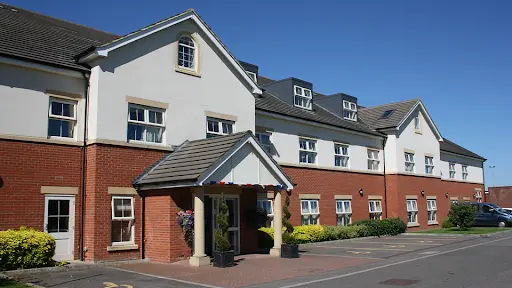
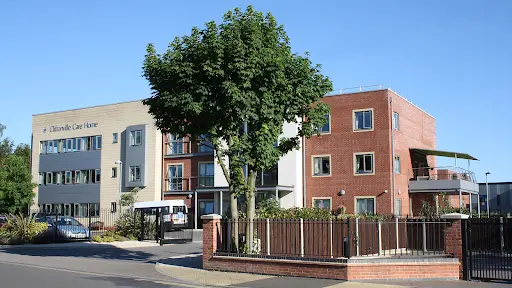
The building itself is well-maintained and thoughtfully presented, with clean, bright spaces that feel welcoming to visitors. Families appreciate finding a pleasant physical environment when they visit, which helps make difficult circumstances feel a bit easier to navigate.
“Choosing care involves weighing many factors, and visiting Cliftonville will help you understand whether their approach feels right for your family.”
DCC does not edit or curate content in this tab. For independently curated information, see The Evidence and DCC Verdict.