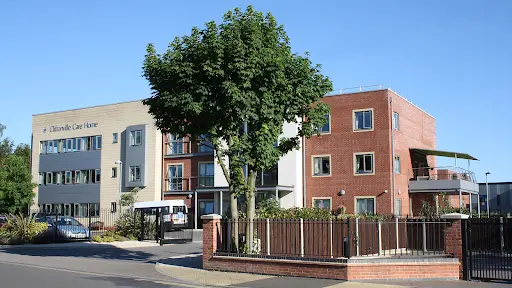
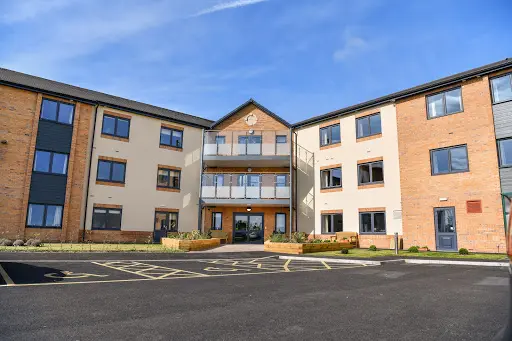
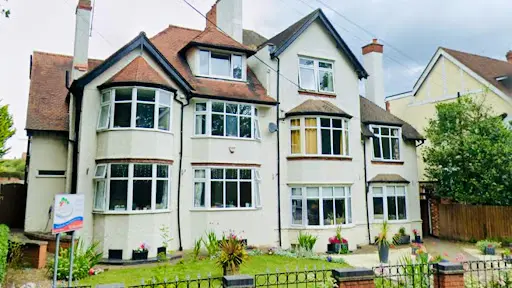
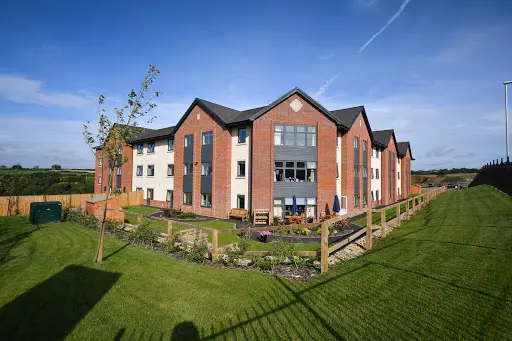
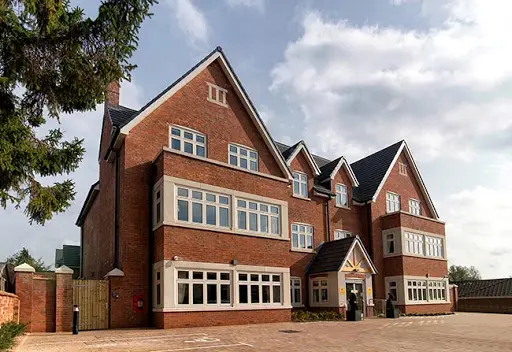
Barchester – Collingtree Park Care Home
At a Glance
The information you need to decide whether this home warrants a closer look.
Residential homes
Staff warmth score
of reviewers answered yes
Good to know
- Registered beds79
- SpecialismsCaring for adults over 65 yrs, Caring for adults under 65 yrs, Dementia
- Last inspected2022-08-17
Save Barchester – Collingtree Park Care Home to your shortlist
Keep a running list, add visit notes, and compare homes side-by-side. Free account — it takes a minute.
STAGE 4 — RESEARCHING CARE HOMES
Visit homes. Compare them side by side. Choose with confidence.
Most of us will view care homes the way we view houses, impression, atmosphere, the feeling in the corridor. We go home, try to remember what we saw, and make a permanent decision from a blurred memory.

The DCC shortlist gives every home you visit a structured record: the same twelve questions, answered the same way, every time. When you’re ready to choose, pull any two homes side by side and compare them directly. Same criteria, same evidence, your notes and your scores.
The Evidence
What the review data, the inspection reports, and the dementia-care evidence base tell us about this home.
What families say
Families describe finding their loved ones looking happy and well-dressed, engaged in different activities throughout the day. There's talk of varied entertainment, social mealtimes where residents chat together, and a general atmosphere where people seem settled. The transition into care appears thoughtfully handled too, with staff taking time to understand each person before they move in.
The eight family priority themes
- Staff warmth72
- Compassion & dignity72
- Cleanliness72
- Activities & engagement68
- Food quality68
- Healthcare70
- Management & leadership75
- Resident happiness70
What inspectors found
Inspected 2022-08-17
Is this home safe?
Is the care effective?
The Effective domain was rated Good at the February 2024 inspection. This domain covers how well the home uses care plans, whether staff have appropriate training (including dementia-specific training), how healthcare is coordinated, and how food quality and nutritional needs are managed. The published summary does not include any specific observations, examples, or records reviewed in relation to these areas. The home lists dementia as a registered specialism.Is this home caring?
The Caring domain was rated Good at the February 2024 inspection. This domain covers how staff treat the people in their care, including whether dignity and privacy are respected, whether residents are addressed by preferred names, and whether care is delivered at a pace that suits the individual. The published summary includes no direct inspector observations, no resident quotes, and no staff testimony that would allow a more detailed picture of day-to-day interactions.Is the home responsive?
The Responsive domain was rated Good at the February 2024 inspection. This domain covers whether care is personalised to individual needs and preferences, whether activities are varied and meaningful, whether complaints are handled well, and whether end-of-life care is planned in advance. The published summary contains no specific examples of activities, no description of how the home tailors care to individuals, and no detail about how end-of-life planning is approached.Is the home well-led?
The Well-led domain was rated Good at the February 2024 inspection. A named registered manager (Mrs Simona Anton) and a nominated individual (Mr Dominic Jude Kay) are recorded. The home is operated by Barchester Healthcare Homes Limited. The improvement from a previous Requires Improvement rating to Good across all domains suggests that leadership identified and addressed problems effectively. No further detail about management culture, staff experience, or governance processes is available in the published summary.
Source: CQC inspection report →
What the evidence base says
Collingtree Park cares for adults over 65 as well as younger adults who need support. They have specific experience with dementia care alongside their general residential services. For those living with dementia, the home's focus on maintaining routines and creating a warm, engaging environment seems particularly valuable. The consistent staff presence and variety of activities help provide structure and stimulation throughout the day. All areas worth probing directly during a visit.
The DCC Verdict
Our editorial view, built from the three lenses: what families tell us, what inspectors record, and how the home sits against good dementia-care practice.
DCC Family Score
Collingtree Park has improved from Requires Improvement to Good across all five inspection domains, which is a meaningful positive trend. However, the published report provides limited specific detail on day-to-day care, so most scores reflect the Good rating rather than direct inspector observations or resident testimony.
Homes in East Midlands typically score 68–82.The three-lens summary
What families tell us
Families describe finding their loved ones looking happy and well-dressed, engaged in different activities throughout the day. There's talk of varied entertainment, social mealtimes where residents chat together, and a general atmosphere where people seem settled. The transition into care appears thoughtfully handled too, with staff taking time to understand each person before they move in.
What inspectors have recorded
Staff come across as approachable and engaged, taking time to chat with both residents and visitors. There's a sense that requests get dealt with promptly, whether it's maintenance issues or day-to-day needs. One family did experience problems during an outbreak period when their relative's stay didn't match what was promised — limited activities and care gaps that weren't properly addressed. While this stands out against otherwise positive accounts, it's worth knowing the home has faced challenges managing care continuity during isolation periods.
How it sits against good practice
While most families speak warmly of their experience here, it's worth having an honest conversation about how care continues during any outbreak situations.
Worth a visit
Collingtree Park, on Windingbrook Lane in Northampton, was rated Good across all five inspection domains at its most recent assessment in February 2024, with the report published in July 2024. This is a meaningful improvement from a previous Requires Improvement rating, and it covers a 79-bed home run by Barchester Healthcare Homes Limited, which lists dementia as a registered specialism. The registered manager is Mrs Simona Anton, and a nominated individual (Mr Dominic Jude Kay) is in place, which the inspection regards as part of good governance. The key limitation here is that the published inspection summary is brief and contains almost no specific observations, resident quotes, or direct examples of what life is actually like inside the home. A Good rating is reassuring, and the upward trend from Requires Improvement is genuinely positive, but it tells you relatively little about whether the staff know your mum by name, what the food is like, or how many carers are on duty at night. Before making any decision, visit the home unannounced if possible, ask to see last week's actual staffing rota (not the template), and speak to relatives of current residents about what has changed since the previous inspection.
The three questions to ask when you visitSave this home. Compare it against your shortlist.
Let our analysis show you how Barchester – Collingtree Park Care Home measures up against the other homes you’re considering. Free account.
In Their Own Words
How Barchester – Collingtree Park Care Home describes itself — collected from its own website. DCC has not edited or independently verified the content in this tab.
Where warmth and genuine friendliness make all the difference
Compassionate Care in Northampton at Collingtree Park
When families visit Collingtree Park in Northampton, they often mention how staff greet everyone with real warmth — not just going through the motions, but genuinely pleased to see visitors and residents alike. It's these small moments of connection that seem to define this East Midlands care home. From what families share, residents here look content and well cared for, whether they're enjoying entertainment in the lounges or heading out on excursions.
Who they care for
Collingtree Park cares for adults over 65 as well as younger adults who need support. They have specific experience with dementia care alongside their general residential services.
For those living with dementia, the home's focus on maintaining routines and creating a warm, engaging environment seems particularly valuable. The consistent staff presence and variety of activities help provide structure and stimulation throughout the day.
“While most families speak warmly of their experience here, it's worth having an honest conversation about how care continues during any outbreak situations.”
DCC does not edit or curate content in this tab. For independently curated information, see The Evidence and DCC Verdict.
The DCC Verdict
Our editorial view, built from the three lenses: what families tell us, what inspectors record, and how the home sits against good dementia-care practice.
DCC Family Score
Collingtree Park has improved from Requires Improvement to Good across all five inspection domains, which is a meaningful positive trend. However, the published report provides limited specific detail on day-to-day care, so most scores reflect the Good rating rather than direct inspector observations or resident testimony.
Homes in East Midlands typically score 68–82.The three-lens summary
What families tell us
Families describe finding their loved ones looking happy and well-dressed, engaged in different activities throughout the day. There's talk of varied entertainment, social mealtimes where residents chat together, and a general atmosphere where people seem settled. The transition into care appears thoughtfully handled too, with staff taking time to understand each person before they move in.
What inspectors have recorded
Staff come across as approachable and engaged, taking time to chat with both residents and visitors. There's a sense that requests get dealt with promptly, whether it's maintenance issues or day-to-day needs. One family did experience problems during an outbreak period when their relative's stay didn't match what was promised — limited activities and care gaps that weren't properly addressed. While this stands out against otherwise positive accounts, it's worth knowing the home has faced challenges managing care continuity during isolation periods.
How it sits against good practice
While most families speak warmly of their experience here, it's worth having an honest conversation about how care continues during any outbreak situations.
Worth a visit
Collingtree Park, on Windingbrook Lane in Northampton, was rated Good across all five inspection domains at its most recent assessment in February 2024, with the report published in July 2024. This is a meaningful improvement from a previous Requires Improvement rating, and it covers a 79-bed home run by Barchester Healthcare Homes Limited, which lists dementia as a registered specialism. The registered manager is Mrs Simona Anton, and a nominated individual (Mr Dominic Jude Kay) is in place, which the inspection regards as part of good governance. The key limitation here is that the published inspection summary is brief and contains almost no specific observations, resident quotes, or direct examples of what life is actually like inside the home. A Good rating is reassuring, and the upward trend from Requires Improvement is genuinely positive, but it tells you relatively little about whether the staff know your mum by name, what the food is like, or how many carers are on duty at night. Before making any decision, visit the home unannounced if possible, ask to see last week's actual staffing rota (not the template), and speak to relatives of current residents about what has changed since the previous inspection.
The three questions to ask when you visitSave this home. Compare it against your shortlist.
Let our analysis show you how Barchester – Collingtree Park Care Home measures up against the other homes you’re considering. Free account.
In Their Own Words
How Barchester – Collingtree Park Care Home describes itself — collected from its own website. DCC has not edited or independently verified the content in this tab.
Where warmth and genuine friendliness make all the difference
Compassionate Care in Northampton at Collingtree Park
When families visit Collingtree Park in Northampton, they often mention how staff greet everyone with real warmth — not just going through the motions, but genuinely pleased to see visitors and residents alike. It's these small moments of connection that seem to define this East Midlands care home. From what families share, residents here look content and well cared for, whether they're enjoying entertainment in the lounges or heading out on excursions.
Who they care for
Collingtree Park cares for adults over 65 as well as younger adults who need support. They have specific experience with dementia care alongside their general residential services.
For those living with dementia, the home's focus on maintaining routines and creating a warm, engaging environment seems particularly valuable. The consistent staff presence and variety of activities help provide structure and stimulation throughout the day.
Management & ethos
Staff come across as approachable and engaged, taking time to chat with both residents and visitors. There's a sense that requests get dealt with promptly, whether it's maintenance issues or day-to-day needs. One family did experience problems during an outbreak period when their relative's stay didn't match what was promised — limited activities and care gaps that weren't properly addressed. While this stands out against otherwise positive accounts, it's worth knowing the home has faced challenges managing care continuity during isolation periods.
The home & environment
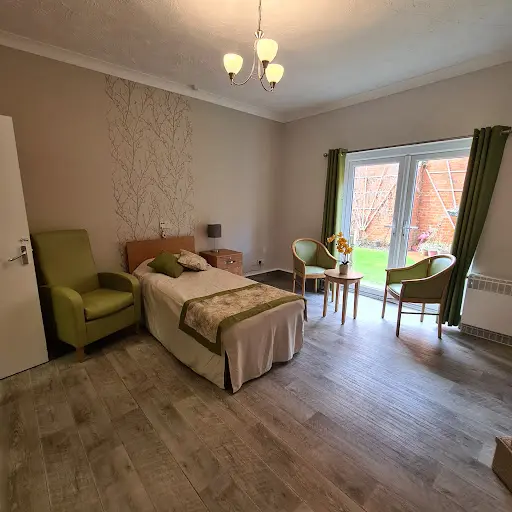
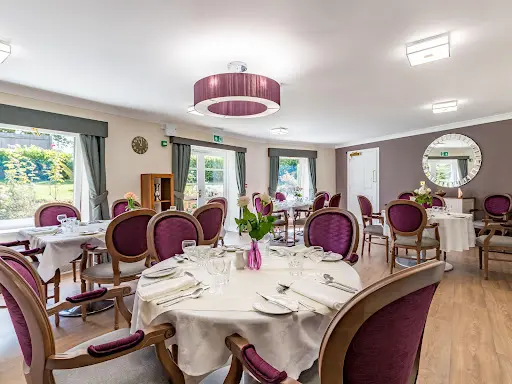
The food gets particular praise — families mention meals that look restaurant-quality, with good variety and presentation that makes dining feel special. The chef apparently responds well to individual preferences too. People consistently describe the home as clean and fresh-smelling, with comfortable communal spaces where residents gather. When things need fixing or laundry needs doing, the practical support seems to work smoothly.
“While most families speak warmly of their experience here, it's worth having an honest conversation about how care continues during any outbreak situations.”
DCC does not edit or curate content in this tab. For independently curated information, see The Evidence and DCC Verdict.