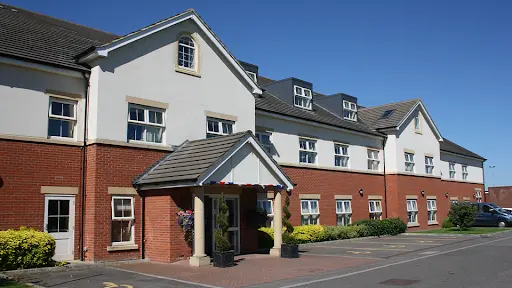
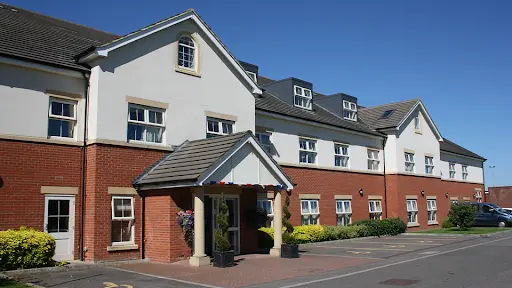
Brook House Care Home
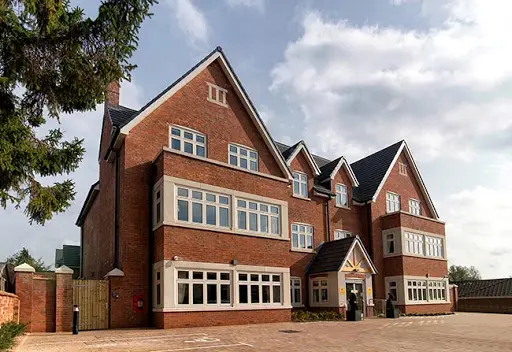
At a Glance
The information you need to decide whether this home warrants a closer look.
Nursing homes
Staff warmth score
of reviewers answered yes
Good to know
- Registered beds53
- SpecialismsCaring for adults over 65 yrs, Caring for adults under 65 yrs, Dementia
- Last inspected2022-08-24
Save Brook House Care Home to your shortlist
Keep a running list, add visit notes, and compare homes side-by-side. Free account — it takes a minute.
STAGE 4 — RESEARCHING CARE HOMES
Visit homes. Compare them side by side. Choose with confidence.
Most of us will view care homes the way we view houses, impression, atmosphere, the feeling in the corridor. We go home, try to remember what we saw, and make a permanent decision from a blurred memory.

The DCC shortlist gives every home you visit a structured record: the same twelve questions, answered the same way, every time. When you’re ready to choose, pull any two homes side by side and compare them directly. Same criteria, same evidence, your notes and your scores.
The Evidence
What the review data, the inspection reports, and the dementia-care evidence base tell us about this home.
What families say
Families consistently describe feeling welcomed from their very first contact with the home. The warmth extends throughout — residents speak fondly of staff who take time to chat despite busy schedules, and visitors notice how this creates a relaxed, sociable atmosphere where people want to spend time together.
The eight family priority themes
- Staff warmth72
- Compassion & dignity72
- Cleanliness70
- Activities & engagement65
- Food quality62
- Healthcare55
- Management & leadership72
- Resident happiness68
What inspectors found
Inspected 2022-08-24
Is this home safe?
Is the care effective?
The Effective domain was rated Requires Improvement at the December 2025 inspection. This is the only domain that did not achieve a Good rating. Effective covers staff training, the quality and currency of care plans, access to healthcare professionals such as GPs and nurses, and whether nutrition and hydration needs are being met. The published summary does not specify which aspects fell short. This rating means inspectors found something that needed to change, and families should not assume it has been resolved without asking.Is this home caring?
The Caring domain was rated Good at the December 2025 inspection. This covers whether staff treat people with warmth, respect their dignity, protect their privacy, and support their independence. A Good rating means inspectors found positive evidence in this area. The published summary does not include specific observations or quotes from residents or relatives, so the detail behind the rating is not available here.Is the home responsive?
The Responsive domain was rated Good at the December 2025 inspection. This domain covers whether care is tailored to individual needs, whether activities are meaningful and varied, and whether the home handles complaints and end-of-life care well. The published summary does not include specific examples of activity programmes, individual engagement, or complaints handling. The home specialises in dementia care, which makes responsive individual engagement particularly important.Is the home well-led?
The Well-led domain was rated Good at the December 2025 inspection. This covers whether the management team provides stable, visible leadership, whether staff feel supported and able to raise concerns, and whether the home has effective systems to monitor and improve quality. The nominated individual is Ms Rachel Harvey, and the home is operated by Aria Healthcare Group Ltd. No specific observations about the manager's visibility or staff culture are available in the published summary.
Source: CQC inspection report →
What the evidence base says
Brook House welcomes adults of all ages who need residential care, with particular expertise in dementia support. The home runs regular dementia cafés that bring together residents, families, and local professionals for support and information. These sessions, alongside structured daily activities, help residents with dementia stay socially connected and engaged in meaningful ways. All areas worth probing directly during a visit.
The DCC Verdict
Our editorial view, built from the three lenses: what families tell us, what inspectors record, and how the home sits against good dementia-care practice.
DCC Family Score
Brook House Care Home scores 71 out of 100. Most areas inspectors looked at came back Good, which is a solid foundation, but Effective was rated Requires Improvement, meaning there are concerns about care planning, training, or health outcomes that families should ask about directly before deciding.
Homes in East Midlands typically score 68–82.The three-lens summary
What families tell us
Families consistently describe feeling welcomed from their very first contact with the home. The warmth extends throughout — residents speak fondly of staff who take time to chat despite busy schedules, and visitors notice how this creates a relaxed, sociable atmosphere where people want to spend time together.
What inspectors have recorded
The manager sets the tone here — knowledgeable, compassionate, and clearly invested in maintaining high standards. Staff follow this lead, staying attentive to individual needs while keeping families informed and involved in care decisions. It's this consistent approach that helps families feel their relatives are genuinely safe and well-supported.
How it sits against good practice
It's the combination of skilled care and genuine warmth that seems to make the real difference here.
Worth a visit
Brook House Care Home, on Water Lane in Towcester, was assessed in December 2025 and the report was published in February 2026. The overall rating is Good, with Good ratings in Safe, Caring, Responsive, and Well-led. The home is registered for 53 beds and specialises in dementia care alongside older adult nursing and personal care. It is run by Aria Healthcare Group Ltd. The main concern to investigate before making a decision is the Requires Improvement rating in Effective. This domain covers whether staff have the right training, whether care plans are detailed and up to date, whether your parent can access healthcare when needed, and whether nutrition and hydration are well managed. The published report summary does not explain exactly what fell short, so you will need to ask the home directly: what specific issues were identified by inspectors, what actions have been taken since December 2025, and what evidence is there that those improvements are working? On your visit, ask to see a sample care plan, observe a mealtime, and speak to a nurse about how GP access is arranged.
The three questions to ask when you visitSave this home. Compare it against your shortlist.
Let our analysis show you how Brook House Care Home measures up against the other homes you’re considering. Free account.
In Their Own Words
How Brook House Care Home describes itself — collected from its own website. DCC has not edited or independently verified the content in this tab.
Where residents rediscover confidence and families find genuine reassurance
Brook House Care Home – Expert Care in Towcester
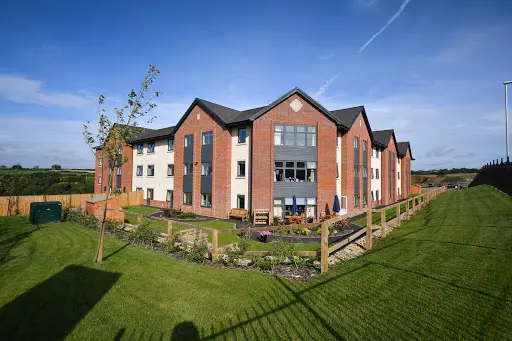
When families visit Brook House Care Home in Towcester, they often remark on how much brighter their loved ones seem — more engaged, more themselves. This modern care home has built its reputation on creating an environment where residents genuinely thrive, whether they're adjusting to life with dementia or simply need extra support as they age.
Who they care for
Brook House welcomes adults of all ages who need residential care, with particular expertise in dementia support.
The home runs regular dementia cafés that bring together residents, families, and local professionals for support and information. These sessions, alongside structured daily activities, help residents with dementia stay socially connected and engaged in meaningful ways.
“It's the combination of skilled care and genuine warmth that seems to make the real difference here.”
DCC does not edit or curate content in this tab. For independently curated information, see The Evidence and DCC Verdict.
The DCC Verdict
Our editorial view, built from the three lenses: what families tell us, what inspectors record, and how the home sits against good dementia-care practice.
DCC Family Score
Brook House Care Home scores 71 out of 100. Most areas inspectors looked at came back Good, which is a solid foundation, but Effective was rated Requires Improvement, meaning there are concerns about care planning, training, or health outcomes that families should ask about directly before deciding.
Homes in East Midlands typically score 68–82.The three-lens summary
What families tell us
Families consistently describe feeling welcomed from their very first contact with the home. The warmth extends throughout — residents speak fondly of staff who take time to chat despite busy schedules, and visitors notice how this creates a relaxed, sociable atmosphere where people want to spend time together.
What inspectors have recorded
The manager sets the tone here — knowledgeable, compassionate, and clearly invested in maintaining high standards. Staff follow this lead, staying attentive to individual needs while keeping families informed and involved in care decisions. It's this consistent approach that helps families feel their relatives are genuinely safe and well-supported.
How it sits against good practice
It's the combination of skilled care and genuine warmth that seems to make the real difference here.
Worth a visit
Brook House Care Home, on Water Lane in Towcester, was assessed in December 2025 and the report was published in February 2026. The overall rating is Good, with Good ratings in Safe, Caring, Responsive, and Well-led. The home is registered for 53 beds and specialises in dementia care alongside older adult nursing and personal care. It is run by Aria Healthcare Group Ltd. The main concern to investigate before making a decision is the Requires Improvement rating in Effective. This domain covers whether staff have the right training, whether care plans are detailed and up to date, whether your parent can access healthcare when needed, and whether nutrition and hydration are well managed. The published report summary does not explain exactly what fell short, so you will need to ask the home directly: what specific issues were identified by inspectors, what actions have been taken since December 2025, and what evidence is there that those improvements are working? On your visit, ask to see a sample care plan, observe a mealtime, and speak to a nurse about how GP access is arranged.
The three questions to ask when you visitSave this home. Compare it against your shortlist.
Let our analysis show you how Brook House Care Home measures up against the other homes you’re considering. Free account.
In Their Own Words
How Brook House Care Home describes itself — collected from its own website. DCC has not edited or independently verified the content in this tab.
Where residents rediscover confidence and families find genuine reassurance
Brook House Care Home – Expert Care in Towcester
When families visit Brook House Care Home in Towcester, they often remark on how much brighter their loved ones seem — more engaged, more themselves. This modern care home has built its reputation on creating an environment where residents genuinely thrive, whether they're adjusting to life with dementia or simply need extra support as they age.
Who they care for
Brook House welcomes adults of all ages who need residential care, with particular expertise in dementia support.
The home runs regular dementia cafés that bring together residents, families, and local professionals for support and information. These sessions, alongside structured daily activities, help residents with dementia stay socially connected and engaged in meaningful ways.
Management & ethos
The manager sets the tone here — knowledgeable, compassionate, and clearly invested in maintaining high standards. Staff follow this lead, staying attentive to individual needs while keeping families informed and involved in care decisions. It's this consistent approach that helps families feel their relatives are genuinely safe and well-supported.
The home & environment
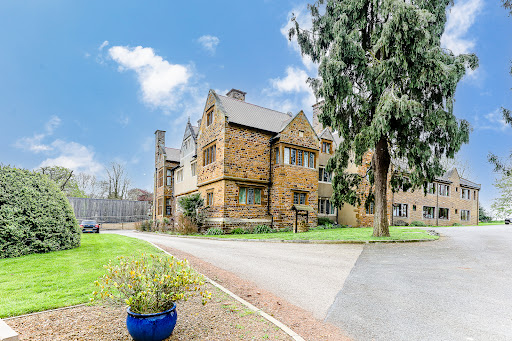
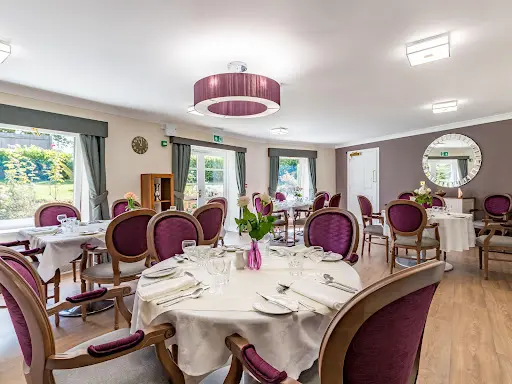
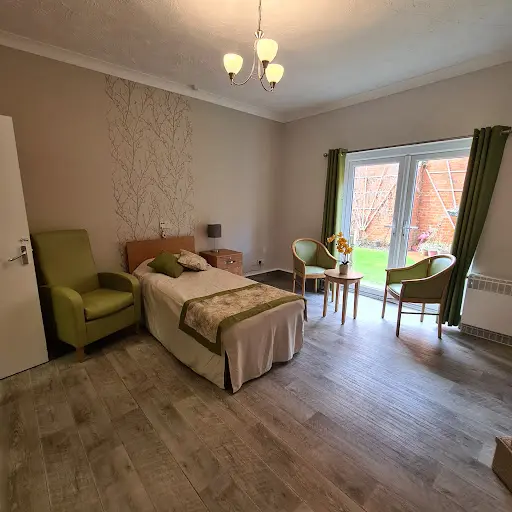
The home itself feels fresh and spacious, with bright communal areas where residents gather comfortably. Everything's kept spotlessly clean and well-maintained, from the modern furnishings to the pleasant garden spaces. While there's less detailed feedback about the food, what families do mention suggests good variety and choice at mealtimes.
“It's the combination of skilled care and genuine warmth that seems to make the real difference here.”
DCC does not edit or curate content in this tab. For independently curated information, see The Evidence and DCC Verdict.