Seagrave House Care Home

At a Glance
The information you need to decide whether this home warrants a closer look.
Residential homes
Staff warmth score
of reviewers answered yes
Good to know
- Registered beds84
- SpecialismsCaring for adults over 65 yrs, Dementia, Physical disabilities
- Last inspected2021-03-06
Save Seagrave House Care Home to your shortlist
Keep a running list, add visit notes, and compare homes side-by-side. Free account — it takes a minute.
STAGE 4 — RESEARCHING CARE HOMES
Visit homes. Compare them side by side. Choose with confidence.
Most of us will view care homes the way we view houses, impression, atmosphere, the feeling in the corridor. We go home, try to remember what we saw, and make a permanent decision from a blurred memory.

The DCC shortlist gives every home you visit a structured record: the same twelve questions, answered the same way, every time. When you’re ready to choose, pull any two homes side by side and compare them directly. Same criteria, same evidence, your notes and your scores.
The Evidence
What the review data, the inspection reports, and the dementia-care evidence base tell us about this home.
What families say
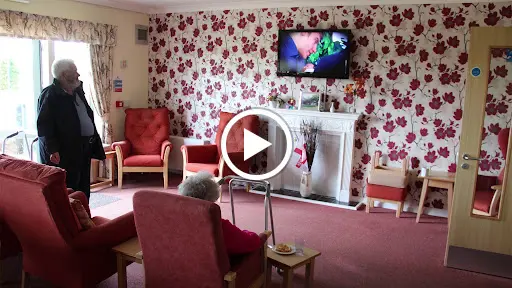
Families describe a place where residents are greeted by name at every meal, where personal belongings transform rooms into familiar spaces, and where daily activities include regular visits from entertainers and musicians. The structured programmes seem particularly meaningful for residents living with cognitive decline, with music therapy creating moments of connection and joy.
The eight family priority themes
- Staff warmth72
- Compassion & dignity72
- Cleanliness70
- Activities & engagement65
- Food quality65
- Healthcare70
- Management & leadership72
- Resident happiness70
What inspectors found
Inspected 2021-03-06
Is this home safe?
Is the care effective?
The Effective domain was rated Good at the November 2024 inspection. This domain covers care planning, staff training, healthcare access (including GP and specialist involvement), nutrition, and hydration. The home lists dementia as a specialism, which means inspectors would have considered whether care plans reflect dementia-specific needs. No specific examples of care plan content, training programmes, or healthcare referral processes are described in the published summary.Is this home caring?
The Caring domain was rated Good at the November 2024 inspection. This domain covers staff warmth, dignity, respect, privacy, and how well staff know the individual person in their care. A Good rating here means inspectors were satisfied that the standard of kind, respectful interaction was met at the time of their visit. No direct observations, staff interactions, or resident and family quotes are included in the published summary to illustrate what that looks like in practice at Seagrave House.Is the home responsive?
The Responsive domain was rated Good at the November 2024 inspection. This domain covers whether the home meets individual needs, including activities, engagement, personalised care, and end-of-life planning. For a home specialising in dementia care across 84 beds, responsive care includes whether people who cannot join group activities receive one-to-one engagement, and whether the activity programme is genuinely tailored to individual histories and interests. The published summary contains no specific examples of activity provision, individual engagement, or end-of-life planning.Is the home well-led?
The Well-led domain was rated Good at the November 2024 inspection. The home has a named registered manager (Miss Stacey Marie Hetherington) and a nominated individual (Mr Ian Matthews), both recorded with the regulator. The previous Requires Improvement rating means the home has undergone a period of change, and achieving Good in this domain suggests inspectors found that governance, accountability, and management culture had improved. No specific detail about manager visibility, staff culture, complaint handling, or how the home uses feedback from families is included in the published summary.
Source: CQC inspection report →
What the evidence base says
The home specialises in dementia care, support for adults over 65, and caring for those with physical disabilities. They also accommodate respite stays, with experience helping initially reluctant residents settle in comfortably. The approach to dementia care centres on maintaining each person's identity and connections. Through carefully chosen activities and consistent staff relationships, residents experience moments of clarity and engagement that families treasure. All areas worth probing directly during a visit.
The DCC Verdict
Our editorial view, built from the three lenses: what families tell us, what inspectors record, and how the home sits against good dementia-care practice.
DCC Family Score
Seagrave House Care Home has recovered from a Requires Improvement rating to Good across all five inspection domains at its most recent assessment in November 2024. The score reflects that improvement is confirmed but the published report contains limited specific detail, so families should verify key areas directly with the home.
Homes in East Midlands typically score 68–82.The three-lens summary
What families tell us
Families describe a place where residents are greeted by name at every meal, where personal belongings transform rooms into familiar spaces, and where daily activities include regular visits from entertainers and musicians. The structured programmes seem particularly meaningful for residents living with cognitive decline, with music therapy creating moments of connection and joy.
What inspectors have recorded
What stands out is the stability of the team — many staff have progressed from entry-level care roles into management positions over the years, creating a culture where experience gets passed down. Families feel heard when they raise concerns, with clear communication about care plans and quick responses to any worries. During the most difficult times, staff have been known to coordinate dignified end-of-life care with remarkable sensitivity, even providing meals and overnight stays for grieving families.
How it sits against good practice
While one visitor did note concerns about staffing levels during their visit, the overwhelming picture is of a care team that treats this work as more than just a job.
Worth a visit
Seagrave House Care Home, at Occupation Road in Corby, was rated Good across all five inspection domains at its most recent assessment on 29 November 2024, with the report published in February 2025. This is a meaningful recovery from an earlier Requires Improvement rating, and the return to Good across every domain, covering safety, effectiveness, caring, responsiveness, and leadership, is a positive sign. The home is registered for 84 beds and specialises in dementia care, care for older adults, and physical disabilities, with a named registered manager and a nominated individual on record. The main uncertainty here is practical: the published inspection summary is brief and contains almost no specific observations, quotes, or detailed findings to back up the domain ratings. For a home of this size specialising in dementia care, families deserve more than headline scores. Before visiting or making a decision, ask the manager about night staffing numbers (how many carers are on duty overnight for 84 residents?), how much of the team is permanent rather than agency, what dementia-specific training staff have completed, and what the activity programme looks like for someone who cannot join group sessions. Walk the corridors at a quiet time of day and notice whether staff greet your parent by name and whether interactions feel unhurried.
The three questions to ask when you visitSave this home. Compare it against your shortlist.
Let our analysis show you how Seagrave House Care Home measures up against the other homes you’re considering. Free account.
In Their Own Words
How Seagrave House Care Home describes itself — collected from its own website. DCC has not edited or independently verified the content in this tab.
Where dignity and tenderness shape every single day
Seagrave House Care Home – Expert Care in Corby
When families describe the care at Seagrave House Care Home in Corby, they talk about staff who stay late because they want to, not because they have to. They talk about watching their relatives gain weight and confidence after moving in. This established care home has built something that feels both professional and deeply personal.
Who they care for
The home specialises in dementia care, support for adults over 65, and caring for those with physical disabilities. They also accommodate respite stays, with experience helping initially reluctant residents settle in comfortably.
The approach to dementia care centres on maintaining each person's identity and connections. Through carefully chosen activities and consistent staff relationships, residents experience moments of clarity and engagement that families treasure.
“While one visitor did note concerns about staffing levels during their visit, the overwhelming picture is of a care team that treats this work as more than just a job.”
DCC does not edit or curate content in this tab. For independently curated information, see The Evidence and DCC Verdict.
The DCC Verdict
Our editorial view, built from the three lenses: what families tell us, what inspectors record, and how the home sits against good dementia-care practice.
DCC Family Score
Seagrave House Care Home has recovered from a Requires Improvement rating to Good across all five inspection domains at its most recent assessment in November 2024. The score reflects that improvement is confirmed but the published report contains limited specific detail, so families should verify key areas directly with the home.
Homes in East Midlands typically score 68–82.The three-lens summary
What families tell us
Families describe a place where residents are greeted by name at every meal, where personal belongings transform rooms into familiar spaces, and where daily activities include regular visits from entertainers and musicians. The structured programmes seem particularly meaningful for residents living with cognitive decline, with music therapy creating moments of connection and joy.
What inspectors have recorded
What stands out is the stability of the team — many staff have progressed from entry-level care roles into management positions over the years, creating a culture where experience gets passed down. Families feel heard when they raise concerns, with clear communication about care plans and quick responses to any worries. During the most difficult times, staff have been known to coordinate dignified end-of-life care with remarkable sensitivity, even providing meals and overnight stays for grieving families.
How it sits against good practice
While one visitor did note concerns about staffing levels during their visit, the overwhelming picture is of a care team that treats this work as more than just a job.
Worth a visit
Seagrave House Care Home, at Occupation Road in Corby, was rated Good across all five inspection domains at its most recent assessment on 29 November 2024, with the report published in February 2025. This is a meaningful recovery from an earlier Requires Improvement rating, and the return to Good across every domain, covering safety, effectiveness, caring, responsiveness, and leadership, is a positive sign. The home is registered for 84 beds and specialises in dementia care, care for older adults, and physical disabilities, with a named registered manager and a nominated individual on record. The main uncertainty here is practical: the published inspection summary is brief and contains almost no specific observations, quotes, or detailed findings to back up the domain ratings. For a home of this size specialising in dementia care, families deserve more than headline scores. Before visiting or making a decision, ask the manager about night staffing numbers (how many carers are on duty overnight for 84 residents?), how much of the team is permanent rather than agency, what dementia-specific training staff have completed, and what the activity programme looks like for someone who cannot join group sessions. Walk the corridors at a quiet time of day and notice whether staff greet your parent by name and whether interactions feel unhurried.
The three questions to ask when you visitSave this home. Compare it against your shortlist.
Let our analysis show you how Seagrave House Care Home measures up against the other homes you’re considering. Free account.
In Their Own Words
How Seagrave House Care Home describes itself — collected from its own website. DCC has not edited or independently verified the content in this tab.
Where dignity and tenderness shape every single day
Seagrave House Care Home – Expert Care in Corby
When families describe the care at Seagrave House Care Home in Corby, they talk about staff who stay late because they want to, not because they have to. They talk about watching their relatives gain weight and confidence after moving in. This established care home has built something that feels both professional and deeply personal.
Who they care for
The home specialises in dementia care, support for adults over 65, and caring for those with physical disabilities. They also accommodate respite stays, with experience helping initially reluctant residents settle in comfortably.
The approach to dementia care centres on maintaining each person's identity and connections. Through carefully chosen activities and consistent staff relationships, residents experience moments of clarity and engagement that families treasure.
Management & ethos
What stands out is the stability of the team — many staff have progressed from entry-level care roles into management positions over the years, creating a culture where experience gets passed down. Families feel heard when they raise concerns, with clear communication about care plans and quick responses to any worries. During the most difficult times, staff have been known to coordinate dignified end-of-life care with remarkable sensitivity, even providing meals and overnight stays for grieving families.
The home & environment
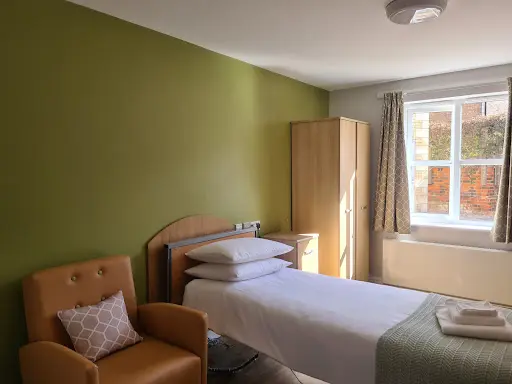
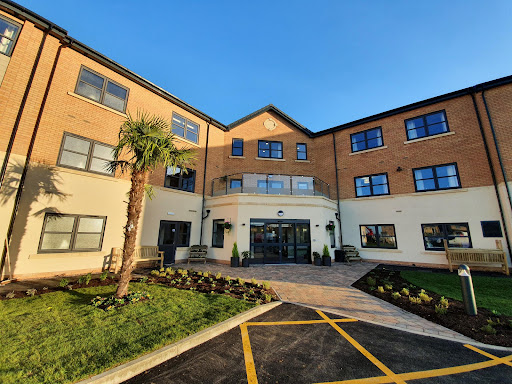
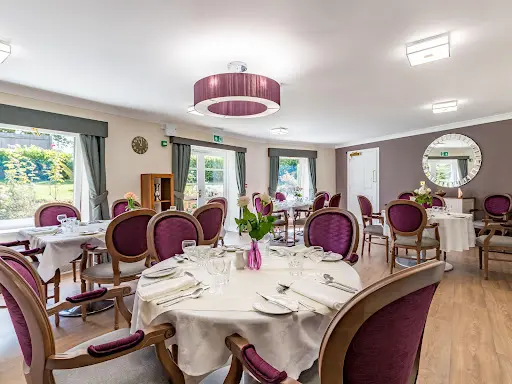
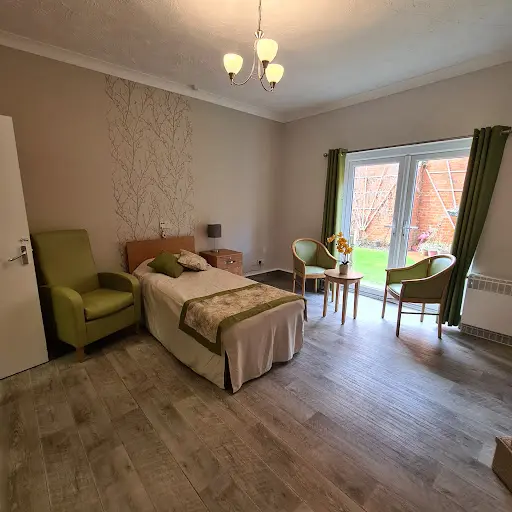
The food here gets proper attention — in-house chefs prepare multiple options daily, and several families have noticed their relatives gaining healthy weight after admission. The building itself strikes visitors as unexpectedly upscale, with spacious rooms and consistently pristine common areas that feel welcoming rather than clinical.
“While one visitor did note concerns about staffing levels during their visit, the overwhelming picture is of a care team that treats this work as more than just a job.”
DCC does not edit or curate content in this tab. For independently curated information, see The Evidence and DCC Verdict.