The Grange

At a Glance
The information you need to decide whether this home warrants a closer look.
Nursing homes
Staff warmth score
of reviewers answered yes
Good to know
- Registered beds63
- SpecialismsCaring for adults over 65 yrs, Dementia, Physical disabilities
- Last inspected2018-10-23
Save The Grange to your shortlist
Keep a running list, add visit notes, and compare homes side-by-side. Free account — it takes a minute.
STAGE 4 — RESEARCHING CARE HOMES
Visit homes. Compare them side by side. Choose with confidence.
Most of us will view care homes the way we view houses, impression, atmosphere, the feeling in the corridor. We go home, try to remember what we saw, and make a permanent decision from a blurred memory.

The DCC shortlist gives every home you visit a structured record: the same twelve questions, answered the same way, every time. When you’re ready to choose, pull any two homes side by side and compare them directly. Same criteria, same evidence, your notes and your scores.
The Evidence
What the review data, the inspection reports, and the dementia-care evidence base tell us about this home.
What families say
Families consistently describe how their loved ones have flourished here, with staff taking time to learn personal histories and interests. The atmosphere feels secure and respectful, with residents showing renewed confidence and happiness that families hadn't seen in years. There's a real sense that people are valued as individuals, not just care recipients.
The eight family priority themes
- Staff warmth55
- Compassion & dignity55
- Cleanliness55
- Activities & engagement50
- Food quality50
- Healthcare55
- Management & leadership60
- Resident happiness55
What inspectors found
Inspected 2018-10-23
Is this home safe?
Is the care effective?
The Effective domain was rated Good at the November 2020 inspection. This covers training, care planning, healthcare access, and nutritional management. Dementia is listed as a named specialism, which means inspectors expected and assessed dementia-specific competencies. The published report does not describe the content of dementia training, care plan quality, GP access arrangements, or observations about meals. No concerns are recorded.Is this home caring?
The Caring domain was rated Good at the November 2020 inspection. This domain covers staff warmth, compassion, dignity, respect for privacy, and support for independence. A Good rating here indicates inspectors were satisfied with what they observed. No specific inspector observations, resident quotes, or relative testimonies are recorded in the published report text available for this home. No concerns are noted.Is the home responsive?
The Responsive domain was rated Good at the November 2020 inspection. This domain covers whether care is tailored to the individual, including activities, engagement, and end-of-life planning. Dementia is listed as a specialism, which raises the expectation that the home offers more than a standard group activity programme. The published report does not describe specific activities, individual engagement approaches, or end-of-life care arrangements. No concerns are recorded.Is the home well-led?
The Well-led domain was rated Good at the November 2020 inspection. A named registered manager, Mrs Carolyn Ryves, and a named nominated individual, Mrs Angela Northover, are recorded on the inspection register, indicating clear accountability at the top of the home. The July 2023 monitoring review found no evidence to reassess the rating. The published report does not describe the management culture, staff feedback mechanisms, or how the home handles complaints and compliments. No concerns are recorded.
Source: CQC inspection report →
What the evidence base says
The home provides specialist dementia care alongside support for physical disabilities and general nursing for over-65s. Their approach balances clinical expertise with maintaining dignity and independence where possible. The team's understanding of dementia shows in how they connect with residents through their personal histories and interests. Families report seeing their loved ones engage meaningfully in activities and social life, maintaining their sense of self despite cognitive challenges. All areas worth probing directly during a visit.
The DCC Verdict
Our editorial view, built from the three lenses: what families tell us, what inspectors record, and how the home sits against good dementia-care practice.
DCC Family Score
The Grange Nursing Home holds a Good rating across all five domains, but the published inspection report contains very limited specific detail, so the family score reflects the rating itself rather than rich observed evidence. Families should treat this score as a starting point and seek more information directly from the home.
Homes in South East typically score 68–82.The three-lens summary
What families tell us
Families consistently describe how their loved ones have flourished here, with staff taking time to learn personal histories and interests. The atmosphere feels secure and respectful, with residents showing renewed confidence and happiness that families hadn't seen in years. There's a real sense that people are valued as individuals, not just care recipients.
What inspectors have recorded
Staff across every department — nursing, care, housekeeping, catering — demonstrate the same professional warmth that defines the home's culture. Communication with families flows naturally, with regular updates and clear explanations when care needs change. The clinical team combines medical competence with unhurried attention, giving families confidence that nothing gets overlooked.
How it sits against good practice
What stands out at The Grange is how medical excellence and human connection work together — creating a place where health improves and spirits lift.
Worth a visit
The Grange Nursing Home on Upper Northam Road in Southampton was rated Good across all five inspection domains at its last full inspection in November 2020. The home specialises in nursing care for older adults, including people living with dementia and those with physical disabilities, across 63 beds. A Good rating in every domain is a positive indicator, and a July 2023 monitoring review found no evidence to change that rating. A named registered manager and nominated individual are on record, suggesting stable leadership. The main uncertainty here is that the published inspection report contains very little specific detail about what inspectors actually observed inside the home. There are no recorded quotes from your parent's potential neighbours, no descriptions of staff interactions, and no observations about meals, activities, or the environment. This means the Good rating tells you the inspectors were satisfied, but it does not tell you what daily life feels like. Before visiting, call the home and ask to speak with the registered manager, Mrs Carolyn Ryves, about night staffing ratios, how often care plans are reviewed with families, and what activities are available for someone who cannot join group sessions. Then, on your visit, watch how staff move and speak with the people who live there; an unhurried tone and the use of your parent's preferred name are the clearest signs of genuine person-centred care.
The three questions to ask when you visitSave this home. Compare it against your shortlist.
Let our analysis show you how The Grange measures up against the other homes you’re considering. Free account.
In Their Own Words
How The Grange describes itself — collected from its own website. DCC has not edited or independently verified the content in this tab.
Where clinical excellence meets genuine warmth and respect
The Grange Nursing Home – Your Trusted nursing home
When families describe The Grange Nursing Home in Southampton, they talk about transformation — residents who arrive withdrawn becoming confident participants in daily life, health conditions stabilising beyond medical expectations. This isn't just skilled nursing care; it's an approach that sees each resident as a complete person with a history worth knowing and a future worth building.
Who they care for
The home provides specialist dementia care alongside support for physical disabilities and general nursing for over-65s. Their approach balances clinical expertise with maintaining dignity and independence where possible.
The team's understanding of dementia shows in how they connect with residents through their personal histories and interests. Families report seeing their loved ones engage meaningfully in activities and social life, maintaining their sense of self despite cognitive challenges.
“What stands out at The Grange is how medical excellence and human connection work together — creating a place where health improves and spirits lift.”
DCC does not edit or curate content in this tab. For independently curated information, see The Evidence and DCC Verdict.
The DCC Verdict
Our editorial view, built from the three lenses: what families tell us, what inspectors record, and how the home sits against good dementia-care practice.
DCC Family Score
The Grange Nursing Home holds a Good rating across all five domains, but the published inspection report contains very limited specific detail, so the family score reflects the rating itself rather than rich observed evidence. Families should treat this score as a starting point and seek more information directly from the home.
Homes in South East typically score 68–82.The three-lens summary
What families tell us
Families consistently describe how their loved ones have flourished here, with staff taking time to learn personal histories and interests. The atmosphere feels secure and respectful, with residents showing renewed confidence and happiness that families hadn't seen in years. There's a real sense that people are valued as individuals, not just care recipients.
What inspectors have recorded
Staff across every department — nursing, care, housekeeping, catering — demonstrate the same professional warmth that defines the home's culture. Communication with families flows naturally, with regular updates and clear explanations when care needs change. The clinical team combines medical competence with unhurried attention, giving families confidence that nothing gets overlooked.
How it sits against good practice
What stands out at The Grange is how medical excellence and human connection work together — creating a place where health improves and spirits lift.
Worth a visit
The Grange Nursing Home on Upper Northam Road in Southampton was rated Good across all five inspection domains at its last full inspection in November 2020. The home specialises in nursing care for older adults, including people living with dementia and those with physical disabilities, across 63 beds. A Good rating in every domain is a positive indicator, and a July 2023 monitoring review found no evidence to change that rating. A named registered manager and nominated individual are on record, suggesting stable leadership. The main uncertainty here is that the published inspection report contains very little specific detail about what inspectors actually observed inside the home. There are no recorded quotes from your parent's potential neighbours, no descriptions of staff interactions, and no observations about meals, activities, or the environment. This means the Good rating tells you the inspectors were satisfied, but it does not tell you what daily life feels like. Before visiting, call the home and ask to speak with the registered manager, Mrs Carolyn Ryves, about night staffing ratios, how often care plans are reviewed with families, and what activities are available for someone who cannot join group sessions. Then, on your visit, watch how staff move and speak with the people who live there; an unhurried tone and the use of your parent's preferred name are the clearest signs of genuine person-centred care.
The three questions to ask when you visitSave this home. Compare it against your shortlist.
Let our analysis show you how The Grange measures up against the other homes you’re considering. Free account.
In Their Own Words
How The Grange describes itself — collected from its own website. DCC has not edited or independently verified the content in this tab.
Where clinical excellence meets genuine warmth and respect
The Grange Nursing Home – Your Trusted nursing home
When families describe The Grange Nursing Home in Southampton, they talk about transformation — residents who arrive withdrawn becoming confident participants in daily life, health conditions stabilising beyond medical expectations. This isn't just skilled nursing care; it's an approach that sees each resident as a complete person with a history worth knowing and a future worth building.
Who they care for
The home provides specialist dementia care alongside support for physical disabilities and general nursing for over-65s. Their approach balances clinical expertise with maintaining dignity and independence where possible.
The team's understanding of dementia shows in how they connect with residents through their personal histories and interests. Families report seeing their loved ones engage meaningfully in activities and social life, maintaining their sense of self despite cognitive challenges.
Management & ethos
Staff across every department — nursing, care, housekeeping, catering — demonstrate the same professional warmth that defines the home's culture. Communication with families flows naturally, with regular updates and clear explanations when care needs change. The clinical team combines medical competence with unhurried attention, giving families confidence that nothing gets overlooked.
The home & environment
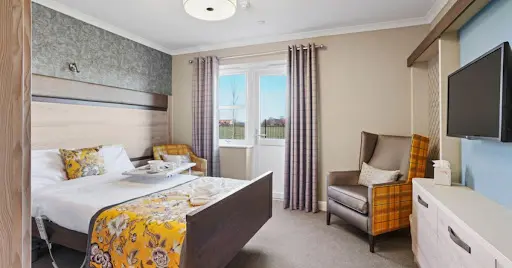
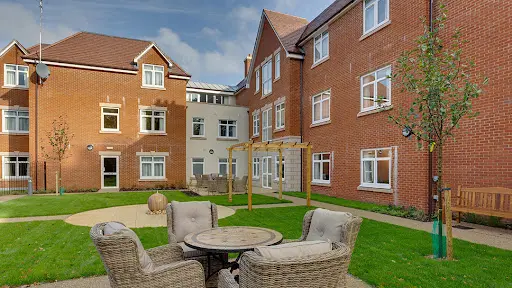
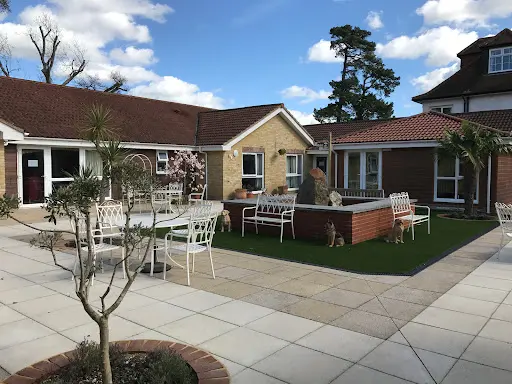
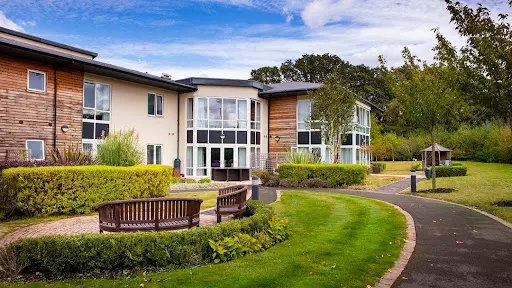
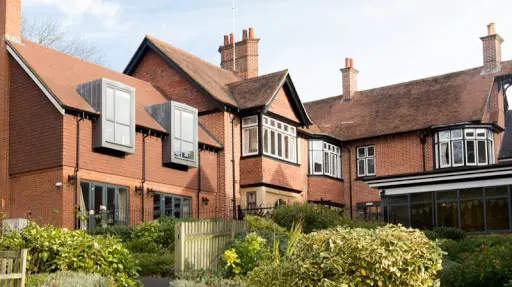
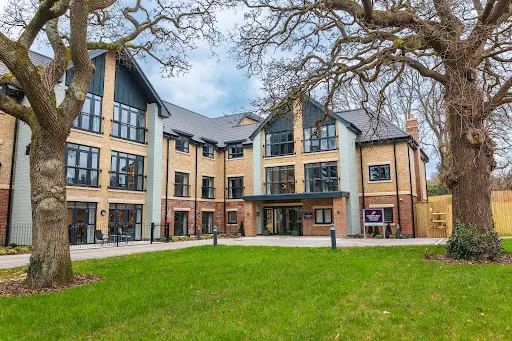
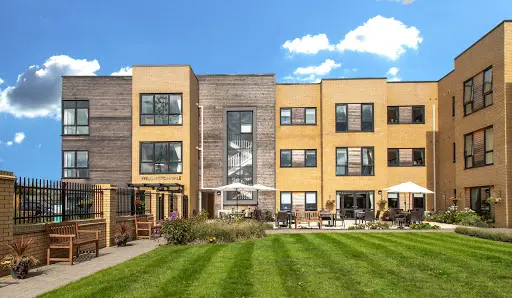
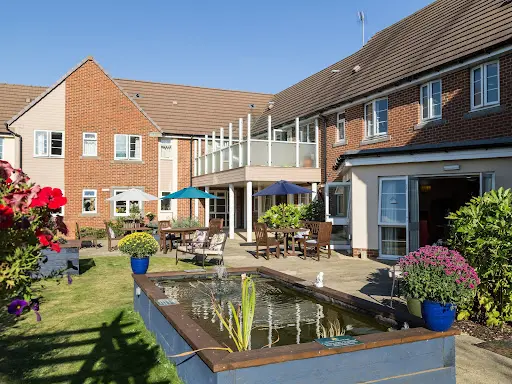
The home maintains spotless standards throughout, from individual rooms to communal areas, creating a pleasant, non-institutional environment. The activity programme brings genuine anticipation — boat trips, afternoon teas out, visiting entertainers, and theatrical productions that residents talk about for days afterwards. Even the laundry service gets specific praise from families who notice the care taken with personal belongings.
“What stands out at The Grange is how medical excellence and human connection work together — creating a place where health improves and spirits lift.”
DCC does not edit or curate content in this tab. For independently curated information, see The Evidence and DCC Verdict.