St Theresa's Rest Home
At a Glance
The information you need to decide whether this home warrants a closer look.
Residential homes
Staff warmth score
of reviewers answered yes
Good to know
- Registered beds24
- SpecialismsCaring for adults over 65 yrs, Caring for adults under 65 yrs, Dementia
- Last inspected2019-02-14
Save St Theresa's Rest Home to your shortlist
Keep a running list, add visit notes, and compare homes side-by-side. Free account — it takes a minute.
STAGE 4 — RESEARCHING CARE HOMES
Visit homes. Compare them side by side. Choose with confidence.
Most of us will view care homes the way we view houses, impression, atmosphere, the feeling in the corridor. We go home, try to remember what we saw, and make a permanent decision from a blurred memory.

The DCC shortlist gives every home you visit a structured record: the same twelve questions, answered the same way, every time. When you’re ready to choose, pull any two homes side by side and compare them directly. Same criteria, same evidence, your notes and your scores.
The Evidence
What the review data, the inspection reports, and the dementia-care evidence base tell us about this home.
What families say
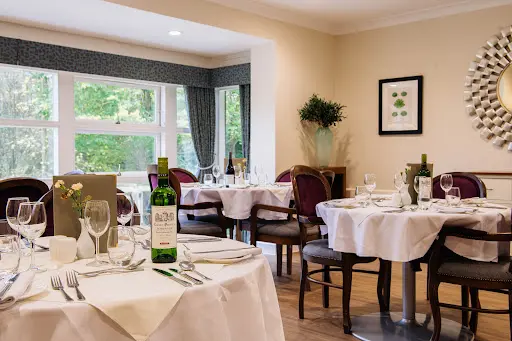
Families describe how their relatives actually look forward to mealtimes here — quite something when you consider how many care homes struggle with food. The small scale means residents get to know each other properly, and the atmosphere stays calm and domestic rather than institutional.
The eight family priority themes
- Staff warmth55
- Compassion & dignity55
- Cleanliness55
- Activities & engagement50
- Food quality50
- Healthcare55
- Management & leadership65
- Resident happiness55
What inspectors found
Inspected 2019-02-14
Is this home safe?
Is the care effective?
The home was rated Good for effectiveness at its January 2019 inspection. The published text does not contain specific findings on care plan quality, GP access, dementia training, or food provision. The home lists dementia as a specialism, but no detail is provided on how that specialism is delivered or assessed in practice.Is this home caring?
The home was rated Good for caring at its January 2019 inspection. The published text does not include inspector observations of staff interactions, quotes from residents or relatives, or specific examples of dignified, person-led care. The Good rating indicates inspectors were satisfied with the quality of caring practice at the time of the visit.Is the home responsive?
The home was rated Good for responsiveness at its January 2019 inspection. The published text does not describe the activity programme, individual engagement for people with advanced dementia, or how the home responds to complaints. The 24-bed size means the home is relatively small, which can support more individual attention, but this is not confirmed by specific inspection evidence.Is the home well-led?
The home was rated Good for well-led at its January 2019 inspection, improving from a previous Requires Improvement rating. A registered manager, Mrs Lila Cecilia Paul, is named in the published record. A nominated individual, Mr Jose Paul, is also recorded. The inspection text does not provide further detail on management visibility, staff culture, governance processes, or how the home handles complaints and learning from incidents.
Source: CQC inspection report →
What the evidence base says
St Theresa's cares for adults over 65 and under 65, with particular experience in dementia care. Staff here understand the patience dementia requires. They maintain residents' dignity through the difficult moments and know how to keep things calm when confusion sets in. All areas worth probing directly during a visit.
The DCC Verdict
Our editorial view, built from the three lenses: what families tell us, what inspectors record, and how the home sits against good dementia-care practice.
DCC Family Score
St Theresa's Rest Home achieved a Good rating across all five domains at its January 2019 inspection, an improvement from its previous Requires Improvement rating. The published inspection text contains very little specific detail, so most scores reflect general compliance rather than strong, evidenced practice.
Homes in London typically score 68–82.The three-lens summary
What families tell us
Families describe how their relatives actually look forward to mealtimes here — quite something when you consider how many care homes struggle with food. The small scale means residents get to know each other properly, and the atmosphere stays calm and domestic rather than institutional.
What inspectors have recorded
What strikes families most is how the management picks up the phone before they do. Whether it's a change in medication or a health appointment, families hear about it straight away. The same faces have been caring for residents here for years, which means they really know everyone's quirks and needs.
How it sits against good practice
Sometimes the best care comes in smaller packages, where everyone knows your name and your favourite pudding.
Worth a visit
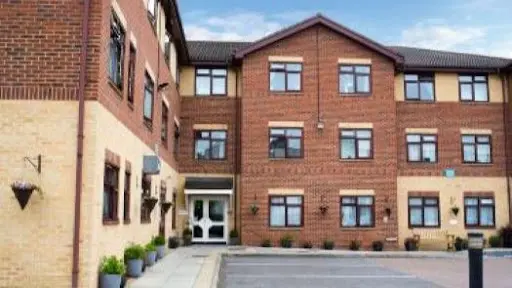
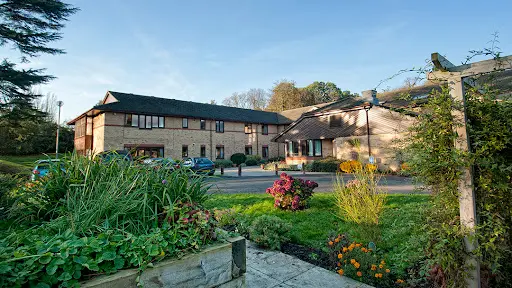
St Theresa's Rest Home, at 6-8 Queen Annes Gardens in Enfield, was rated Good across all five inspection domains at its most recent inspection in January 2019. Notably, this represented an improvement from a previous Requires Improvement rating, which is an encouraging sign that problems were identified and addressed. A registered manager is named and in post, and the governance structure includes a nominated individual, suggesting accountability at the top of the organisation. The main uncertainty here is significant: the inspection took place in January 2019, which means the published findings are now more than six years old. A lot can change in that time, including staffing, management stability, and the quality of day-to-day care. A monitoring review in July 2023 found no reason to reassess the rating, but that review was based on data rather than a fresh visit. Before making a decision, ask the home for its most recent statement of purpose, check whether the registered manager is still in post, and visit during the late afternoon when staffing patterns can be most revealing.
The three questions to ask when you visitSave this home. Compare it against your shortlist.
Let our analysis show you how St Theresa's Rest Home measures up against the other homes you’re considering. Free account.
In Their Own Words
How St Theresa's Rest Home describes itself — collected from its own website. DCC has not edited or independently verified the content in this tab.
Small family-run home where dementia care feels genuinely personal
St Theresa's Rest Home – Expert Care in Enfield
When you're looking for dementia care that feels more like a family than an institution, St Theresa's Rest Home in Enfield offers something genuinely different. This small, family-run home has built its reputation on knowing each resident as an individual, not just a room number. The owners have been here for years, creating the kind of stability that matters when you're trusting someone with your loved one's care.
Who they care for
St Theresa's cares for adults over 65 and under 65, with particular experience in dementia care.
Staff here understand the patience dementia requires. They maintain residents' dignity through the difficult moments and know how to keep things calm when confusion sets in.
“Sometimes the best care comes in smaller packages, where everyone knows your name and your favourite pudding.”
DCC does not edit or curate content in this tab. For independently curated information, see The Evidence and DCC Verdict.
The DCC Verdict
Our editorial view, built from the three lenses: what families tell us, what inspectors record, and how the home sits against good dementia-care practice.
DCC Family Score
St Theresa's Rest Home achieved a Good rating across all five domains at its January 2019 inspection, an improvement from its previous Requires Improvement rating. The published inspection text contains very little specific detail, so most scores reflect general compliance rather than strong, evidenced practice.
Homes in London typically score 68–82.The three-lens summary
What families tell us
Families describe how their relatives actually look forward to mealtimes here — quite something when you consider how many care homes struggle with food. The small scale means residents get to know each other properly, and the atmosphere stays calm and domestic rather than institutional.
What inspectors have recorded
What strikes families most is how the management picks up the phone before they do. Whether it's a change in medication or a health appointment, families hear about it straight away. The same faces have been caring for residents here for years, which means they really know everyone's quirks and needs.
How it sits against good practice
Sometimes the best care comes in smaller packages, where everyone knows your name and your favourite pudding.
Worth a visit
St Theresa's Rest Home, at 6-8 Queen Annes Gardens in Enfield, was rated Good across all five inspection domains at its most recent inspection in January 2019. Notably, this represented an improvement from a previous Requires Improvement rating, which is an encouraging sign that problems were identified and addressed. A registered manager is named and in post, and the governance structure includes a nominated individual, suggesting accountability at the top of the organisation. The main uncertainty here is significant: the inspection took place in January 2019, which means the published findings are now more than six years old. A lot can change in that time, including staffing, management stability, and the quality of day-to-day care. A monitoring review in July 2023 found no reason to reassess the rating, but that review was based on data rather than a fresh visit. Before making a decision, ask the home for its most recent statement of purpose, check whether the registered manager is still in post, and visit during the late afternoon when staffing patterns can be most revealing.
The three questions to ask when you visitSave this home. Compare it against your shortlist.
Let our analysis show you how St Theresa's Rest Home measures up against the other homes you’re considering. Free account.
In Their Own Words
How St Theresa's Rest Home describes itself — collected from its own website. DCC has not edited or independently verified the content in this tab.
Small family-run home where dementia care feels genuinely personal
St Theresa's Rest Home – Expert Care in Enfield
When you're looking for dementia care that feels more like a family than an institution, St Theresa's Rest Home in Enfield offers something genuinely different. This small, family-run home has built its reputation on knowing each resident as an individual, not just a room number. The owners have been here for years, creating the kind of stability that matters when you're trusting someone with your loved one's care.
Who they care for
St Theresa's cares for adults over 65 and under 65, with particular experience in dementia care.
Staff here understand the patience dementia requires. They maintain residents' dignity through the difficult moments and know how to keep things calm when confusion sets in.
Management & ethos
What strikes families most is how the management picks up the phone before they do. Whether it's a change in medication or a health appointment, families hear about it straight away. The same faces have been caring for residents here for years, which means they really know everyone's quirks and needs.
The home & environment
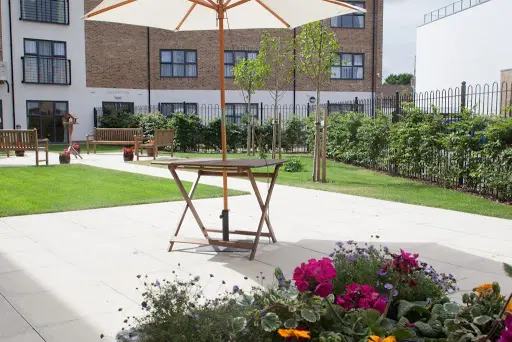
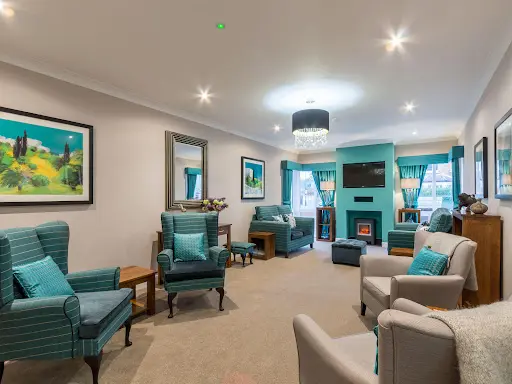
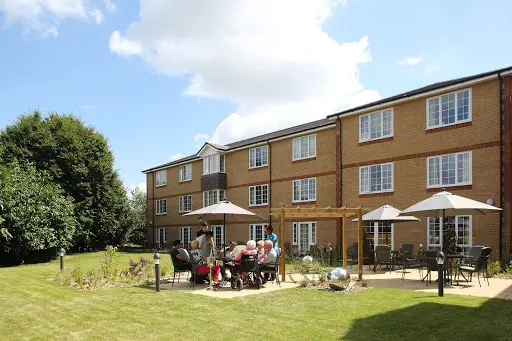
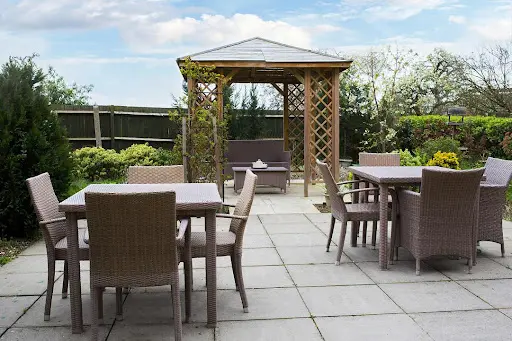
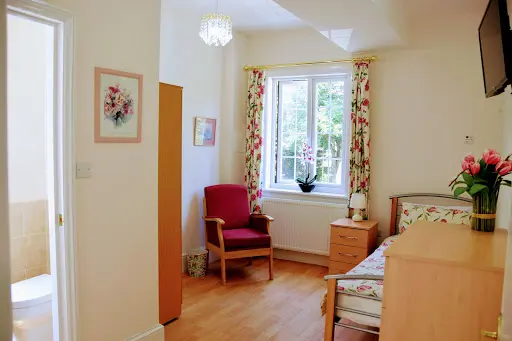
The garden gets proper use here, with residents spending time outside whenever the weather allows. Everything stays clean and well-maintained without feeling clinical. The dining experience stands out particularly — residents' preferences are remembered and the variety keeps mealtimes interesting.
“Sometimes the best care comes in smaller packages, where everyone knows your name and your favourite pudding.”
DCC does not edit or curate content in this tab. For independently curated information, see The Evidence and DCC Verdict.