Middlesex Manor Care Home – Bupa
At a Glance
The information you need to decide whether this home warrants a closer look.
Nursing homes
Staff warmth score
of reviewers answered yes
Good to know
- Registered beds83
- SpecialismsCaring for adults over 65 yrs, Caring for adults under 65 yrs, Dementia, Physical disabilities
- Last inspected2019-10-26
Save Middlesex Manor Care Home – Bupa to your shortlist
Keep a running list, add visit notes, and compare homes side-by-side. Free account — it takes a minute.
STAGE 4 — RESEARCHING CARE HOMES
Visit homes. Compare them side by side. Choose with confidence.
Most of us will view care homes the way we view houses, impression, atmosphere, the feeling in the corridor. We go home, try to remember what we saw, and make a permanent decision from a blurred memory.

The DCC shortlist gives every home you visit a structured record: the same twelve questions, answered the same way, every time. When you’re ready to choose, pull any two homes side by side and compare them directly. Same criteria, same evidence, your notes and your scores.
The Evidence
What the review data, the inspection reports, and the dementia-care evidence base tell us about this home.
What families say
The atmosphere here strikes visitors as bright and homely, with residents joining in activities throughout the week. Families describe finding their relatives well-groomed and content, particularly those living with dementia who seem settled into the rhythms of home life. Cultural celebrations and birthday recognition help residents feel seen as individuals.
The eight family priority themes
- Staff warmth65
- Compassion & dignity65
- Cleanliness65
- Activities & engagement55
- Food quality55
- Healthcare65
- Management & leadership70
- Resident happiness60
What inspectors found
Inspected 2019-10-26
Is this home safe?
Is the care effective?
The home received a Good rating for effectiveness at its June 2022 inspection. The home holds registrations covering dementia care, physical disabilities, and nursing needs. No specific detail on care plan quality, GP access arrangements, dementia training content, or food quality is included in the published findings. Whether care plans are reviewed regularly and whether families are included in that process is not described.Is this home caring?
The home was rated Good for caring at its June 2022 inspection. Staff warmth and compassion are the single biggest driver of family satisfaction in our review data, appearing in 57.3% of positive reviews. The published inspection text does not include direct observations of staff interactions, resident testimony about how they are treated, or specific evidence about dignity practices such as knocking before entering rooms or using preferred names. No quotes from residents or relatives are included in the available report text.Is the home responsive?
The home received a Good rating for responsiveness at its June 2022 inspection. The home's registered specialisms include dementia and physical disabilities, which requires individualised approaches to activities and daily living. The published report text does not describe the activity programme, one-to-one engagement for residents who cannot join groups, or how the home tailors activities to individual histories and preferences. End-of-life care planning arrangements are not described.Is the home well-led?
The home received a Good rating for well-led at its June 2022 inspection, improved from a previous Requires Improvement rating. The nominated individual is named as Mr Donald Day, and the home is operated by Bupa Care Homes (ANS) Limited. The published report text does not describe the registered manager by name, their tenure, or specific governance practices such as how the home responds to complaints or learns from incidents. Staff culture and whether staff feel able to raise concerns are not described.
Source: CQC inspection report →
What the evidence base says
The home cares for adults under 65, those over 65, people living with dementia, and residents with physical disabilities. This broad range means staff work with complex needs across different life stages. Residents with dementia appear engaged in the daily routine here, with staff ensuring they participate in activities suited to their abilities. Families report seeing their relatives looking comfortable and well-cared for during visits. All areas worth probing directly during a visit.
The DCC Verdict
Our editorial view, built from the three lenses: what families tell us, what inspectors record, and how the home sits against good dementia-care practice.
DCC Family Score
Middlesex Manor Care Home holds a Good rating across all five inspection domains, improved from a previous Requires Improvement rating, which is a meaningful step forward. However, the published inspection text provides very limited specific detail, so the family score reflects confirmed improvement and a positive headline rating rather than rich, observed evidence across individual care themes.
Homes in London typically score 68–82.The three-lens summary
What families tell us
The atmosphere here strikes visitors as bright and homely, with residents joining in activities throughout the week. Families describe finding their relatives well-groomed and content, particularly those living with dementia who seem settled into the rhythms of home life. Cultural celebrations and birthday recognition help residents feel seen as individuals.
What inspectors have recorded
The manager maintains a strong presence throughout the home, staying accessible to families and responding quickly when concerns arise. Staff create a welcoming atmosphere, though like any workplace, individual approaches vary. The team's attentiveness extends through end-of-life care, supporting both residents and families during difficult times.
How it sits against good practice
Every family's situation feels unique, and finding the right fit takes time. Visiting helps you sense whether this structured, sociable environment would suit your loved one.
Worth a visit
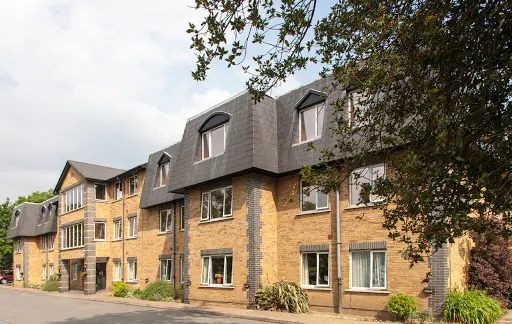
Middlesex Manor Care Home, on Harrow Road in Wembley, was rated Good across all five inspection domains at its last published inspection in June 2022. The rating represents a confirmed improvement from a previous Requires Improvement rating, and a monitoring review in July 2023 found no evidence to change that position. The home is registered to care for up to 83 people, including those living with dementia and physical disabilities, and is operated by Bupa Care Homes (ANS) Limited. The main limitation of this report is that the published inspection text contains very little specific, observed detail. Almost every checklist item, from how staff speak to residents to food quality, activity provision, and night staffing levels, is not covered in what has been made available. The Good rating and the improvement trend are genuinely reassuring signs, but they are not a substitute for what you will learn on a visit. Before deciding, spend time in a communal area at a mealtime, ask the manager to show you last week's actual staffing rota (not the template), and find out what specific dementia training all care staff have completed.
The three questions to ask when you visitSave this home. Compare it against your shortlist.
Let our analysis show you how Middlesex Manor Care Home – Bupa measures up against the other homes you’re considering. Free account.
In Their Own Words
How Middlesex Manor Care Home – Bupa describes itself — collected from its own website. DCC has not edited or independently verified the content in this tab.
Where warmth meets structure for residents needing extra support
Compassionate Care in Wembley at Middlesex Manor Care Home
Families visiting Middlesex Manor Care Home in Wembley often mention the genuine smiles that greet them at the door. This care home supports adults of all ages with dementia and physical disabilities, creating a structured environment where birthdays get celebrated and weekly activities keep days purposeful. The manager stays visible and approachable, making those first nervous conversations feel less daunting.
Who they care for
The home cares for adults under 65, those over 65, people living with dementia, and residents with physical disabilities. This broad range means staff work with complex needs across different life stages.
Residents with dementia appear engaged in the daily routine here, with staff ensuring they participate in activities suited to their abilities. Families report seeing their relatives looking comfortable and well-cared for during visits.
“Every family's situation feels unique, and finding the right fit takes time. Visiting helps you sense whether this structured, sociable environment would suit your loved one.”
DCC does not edit or curate content in this tab. For independently curated information, see The Evidence and DCC Verdict.
The DCC Verdict
Our editorial view, built from the three lenses: what families tell us, what inspectors record, and how the home sits against good dementia-care practice.
DCC Family Score
Middlesex Manor Care Home holds a Good rating across all five inspection domains, improved from a previous Requires Improvement rating, which is a meaningful step forward. However, the published inspection text provides very limited specific detail, so the family score reflects confirmed improvement and a positive headline rating rather than rich, observed evidence across individual care themes.
Homes in London typically score 68–82.The three-lens summary
What families tell us
The atmosphere here strikes visitors as bright and homely, with residents joining in activities throughout the week. Families describe finding their relatives well-groomed and content, particularly those living with dementia who seem settled into the rhythms of home life. Cultural celebrations and birthday recognition help residents feel seen as individuals.
What inspectors have recorded
The manager maintains a strong presence throughout the home, staying accessible to families and responding quickly when concerns arise. Staff create a welcoming atmosphere, though like any workplace, individual approaches vary. The team's attentiveness extends through end-of-life care, supporting both residents and families during difficult times.
How it sits against good practice
Every family's situation feels unique, and finding the right fit takes time. Visiting helps you sense whether this structured, sociable environment would suit your loved one.
Worth a visit
Middlesex Manor Care Home, on Harrow Road in Wembley, was rated Good across all five inspection domains at its last published inspection in June 2022. The rating represents a confirmed improvement from a previous Requires Improvement rating, and a monitoring review in July 2023 found no evidence to change that position. The home is registered to care for up to 83 people, including those living with dementia and physical disabilities, and is operated by Bupa Care Homes (ANS) Limited. The main limitation of this report is that the published inspection text contains very little specific, observed detail. Almost every checklist item, from how staff speak to residents to food quality, activity provision, and night staffing levels, is not covered in what has been made available. The Good rating and the improvement trend are genuinely reassuring signs, but they are not a substitute for what you will learn on a visit. Before deciding, spend time in a communal area at a mealtime, ask the manager to show you last week's actual staffing rota (not the template), and find out what specific dementia training all care staff have completed.
The three questions to ask when you visitSave this home. Compare it against your shortlist.
Let our analysis show you how Middlesex Manor Care Home – Bupa measures up against the other homes you’re considering. Free account.
In Their Own Words
How Middlesex Manor Care Home – Bupa describes itself — collected from its own website. DCC has not edited or independently verified the content in this tab.
Where warmth meets structure for residents needing extra support
Compassionate Care in Wembley at Middlesex Manor Care Home
Families visiting Middlesex Manor Care Home in Wembley often mention the genuine smiles that greet them at the door. This care home supports adults of all ages with dementia and physical disabilities, creating a structured environment where birthdays get celebrated and weekly activities keep days purposeful. The manager stays visible and approachable, making those first nervous conversations feel less daunting.
Who they care for
The home cares for adults under 65, those over 65, people living with dementia, and residents with physical disabilities. This broad range means staff work with complex needs across different life stages.
Residents with dementia appear engaged in the daily routine here, with staff ensuring they participate in activities suited to their abilities. Families report seeing their relatives looking comfortable and well-cared for during visits.
Management & ethos
The manager maintains a strong presence throughout the home, staying accessible to families and responding quickly when concerns arise. Staff create a welcoming atmosphere, though like any workplace, individual approaches vary. The team's attentiveness extends through end-of-life care, supporting both residents and families during difficult times.
The home & environment
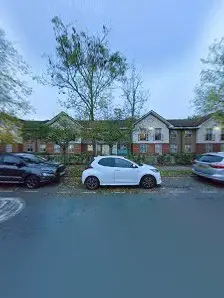
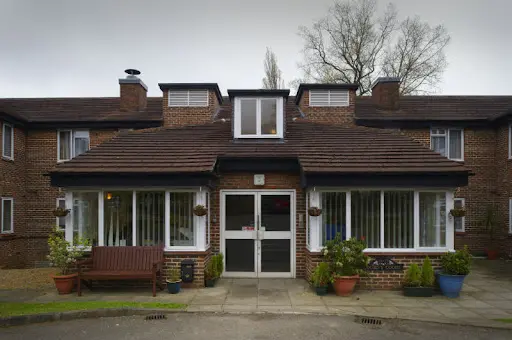
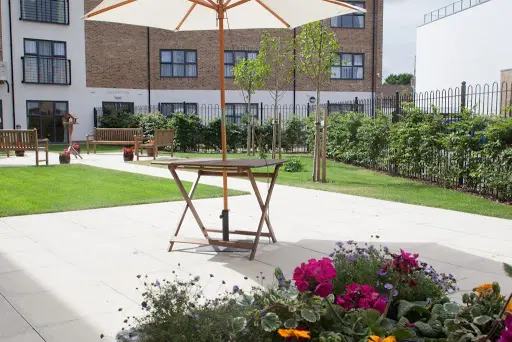
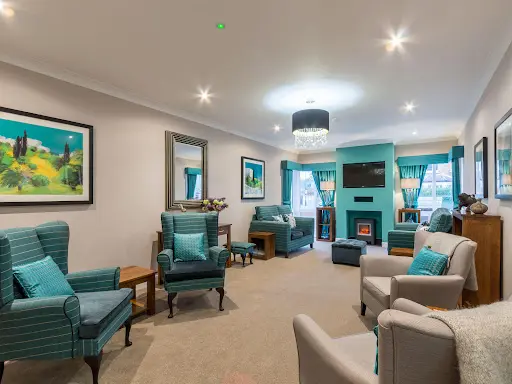
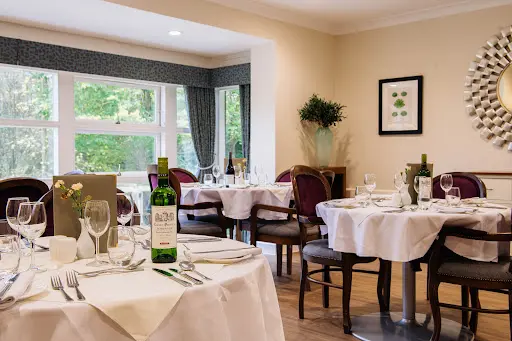
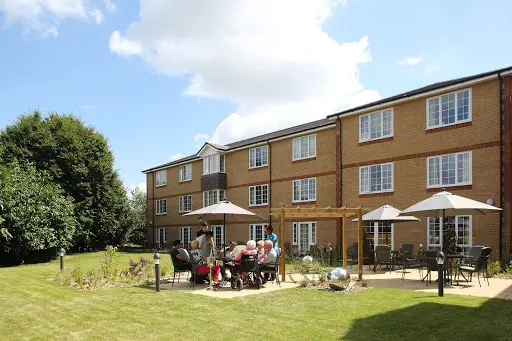
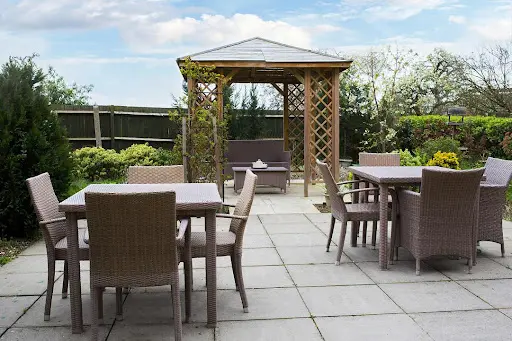
The home feels light and airy inside, with clean, comfortable rooms and heating that keeps everyone cozy through winter. There's an accessible garden where residents can enjoy fresh air. While most find the food satisfying, with families sometimes invited to share meals, there have been concerns raised about meal quality that families might want to ask about.
“Every family's situation feels unique, and finding the right fit takes time. Visiting helps you sense whether this structured, sociable environment would suit your loved one.”
DCC does not edit or curate content in this tab. For independently curated information, see The Evidence and DCC Verdict.