Elizabeth Lodge Care Home – Care UK
At a Glance
The information you need to decide whether this home warrants a closer look.
Nursing homes
Staff warmth score
of reviewers answered yes
Good to know
- Registered beds87
- SpecialismsCaring for adults over 65 yrs, Dementia, Learning disabilities, Mental health conditions, Physical disabilities
- Last inspected2021-08-06
Save Elizabeth Lodge Care Home – Care UK to your shortlist
Keep a running list, add visit notes, and compare homes side-by-side. Free account — it takes a minute.
STAGE 4 — RESEARCHING CARE HOMES
Visit homes. Compare them side by side. Choose with confidence.
Most of us will view care homes the way we view houses, impression, atmosphere, the feeling in the corridor. We go home, try to remember what we saw, and make a permanent decision from a blurred memory.

The DCC shortlist gives every home you visit a structured record: the same twelve questions, answered the same way, every time. When you’re ready to choose, pull any two homes side by side and compare them directly. Same criteria, same evidence, your notes and your scores.
The Evidence
What the review data, the inspection reports, and the dementia-care evidence base tell us about this home.
What families say
Visitors describe walking into a warm, welcoming atmosphere where staff know family members by name and residents seem genuinely content. There's a sense of relief that comes through in their accounts — people who've experienced poor care elsewhere talk about finally finding somewhere that treats their loved ones with real dignity and kindness.
The eight family priority themes
- Staff warmth72
- Compassion & dignity72
- Cleanliness70
- Activities & engagement65
- Food quality65
- Healthcare70
- Management & leadership75
- Resident happiness70
What inspectors found
Inspected 2021-08-06
Is this home safe?
Is the care effective?
The Effective domain was rated Good at the June 2021 inspection. This domain covers training, care planning, nutrition, hydration, and access to healthcare professionals such as GPs and community nurses. The published summary does not include specific observations about care plan quality, training completion rates, mealtime experiences, or how frequently care plans are reviewed with family involvement. The home lists dementia as a specialism, which places particular demands on effective, individualised care.Is this home caring?
The Caring domain was rated Good at the June 2021 inspection. This domain covers staff warmth, dignity, respect, privacy, and whether residents are treated as individuals rather than tasks. No specific inspector observations, such as staff using preferred names, knocking before entering rooms, or moving without hurry, are included in the published summary. No resident or relative quotes are recorded in the published findings.Is the home responsive?
The Responsive domain was rated Good at the June 2021 inspection. This domain covers activities, individual engagement, responsiveness to complaints, and end-of-life care planning. The home supports residents with dementia, learning disabilities, mental health conditions, and physical disabilities, meaning the activities and daily life offer should in principle be tailored to a wide range of needs and abilities. No specific detail about the activity programme, individual versus group activities, or how the home responds to residents who cannot join group sessions is available in the published summary.Is the home well-led?
The Well-led domain was rated Good at the June 2021 inspection, improving from a previous Requires Improvement overall rating. A named registered manager, Ms Michelle Sampang, and a nominated individual, Ms Rachel Louise Harvey, are recorded, indicating a clear accountability structure. The home is operated by Care UK Community Partnerships Ltd, a large national provider. No detail about the manager's tenure, staff feedback culture, or governance processes such as audits and incident reviews is available in the published summary.
Source: CQC inspection report →
What the evidence base says
The home provides specialist nursing care for people with dementia, learning disabilities, mental health conditions and physical disabilities. They're equipped for complex needs with 24-hour nursing coverage. For residents with dementia, the approach focuses on maintaining dignity and encouraging participation in daily life. The varied activities programme helps people stay engaged at their own pace, with staff who understand how to support without overwhelming. All areas worth probing directly during a visit.
The DCC Verdict
Our editorial view, built from the three lenses: what families tell us, what inspectors record, and how the home sits against good dementia-care practice.
DCC Family Score
Elizabeth Lodge has improved from Requires Improvement to a Good rating across all five inspection domains, which is a meaningful step forward. However, the published inspection text provides limited specific detail, so several scores reflect general positive compliance rather than rich observed evidence.
Homes in London typically score 68–82.The three-lens summary
What families tell us
Visitors describe walking into a warm, welcoming atmosphere where staff know family members by name and residents seem genuinely content. There's a sense of relief that comes through in their accounts — people who've experienced poor care elsewhere talk about finally finding somewhere that treats their loved ones with real dignity and kindness.
What inspectors have recorded
The manager sets the tone here, with an approachable style that shapes how the whole team works. Staff are described as consistently kind and respectful, taking time to know residents as individuals. Families feel kept in the loop about their loved ones' care, with good communication that builds trust over time.
How it sits against good practice
From the smooth admission process to the daily rhythms of care, Elizabeth Lodge seems to understand what matters most to families facing difficult transitions.
Worth a visit
Elizabeth Lodge, at 69 Pennington Drive in London, was rated Good at its inspection in June 2021, with findings published in August 2021. Importantly, this represented an improvement from a previous Requires Improvement rating, meaning inspectors found the home had addressed earlier concerns across all five domains: safety, effectiveness, caring, responsiveness, and leadership. The home is run by Care UK Community Partnerships Ltd and has a named registered manager in post, which is a positive marker of accountability. The main limitation here is that the published inspection summary is brief and does not include specific inspector observations, resident testimony, or family quotes. This means scores reflect the domain ratings rather than rich observed detail, and several important areas, including night staffing ratios, agency use, one-to-one activity for people with advanced dementia, and end-of-life care planning, are simply not covered in what has been published. When you visit, ask to see last week's actual staffing rota (not the template), ask specifically how many permanent staff work nights on the dementia unit, and ask the manager what changed between the Requires Improvement rating and this Good one.
The three questions to ask when you visitSave this home. Compare it against your shortlist.
Let our analysis show you how Elizabeth Lodge Care Home – Care UK measures up against the other homes you’re considering. Free account.
In Their Own Words
How Elizabeth Lodge Care Home – Care UK describes itself — collected from its own website. DCC has not edited or independently verified the content in this tab.
Where dignity meets genuine warmth in North London nursing care
Nursing home in London: True Peace of Mind
When families visit Elizabeth Lodge in North London, they often mention the smiles first. Not just from staff greeting them at the door, but from the residents themselves — relaxed, engaged, clearly at ease in their surroundings. This nursing home supports people with dementia, learning disabilities, mental health conditions and physical disabilities, with round-the-clock nursing care that feels more personal than clinical.
Who they care for
The home provides specialist nursing care for people with dementia, learning disabilities, mental health conditions and physical disabilities. They're equipped for complex needs with 24-hour nursing coverage.
For residents with dementia, the approach focuses on maintaining dignity and encouraging participation in daily life. The varied activities programme helps people stay engaged at their own pace, with staff who understand how to support without overwhelming.
“From the smooth admission process to the daily rhythms of care, Elizabeth Lodge seems to understand what matters most to families facing difficult transitions.”
DCC does not edit or curate content in this tab. For independently curated information, see The Evidence and DCC Verdict.
The DCC Verdict
Our editorial view, built from the three lenses: what families tell us, what inspectors record, and how the home sits against good dementia-care practice.
DCC Family Score
Elizabeth Lodge has improved from Requires Improvement to a Good rating across all five inspection domains, which is a meaningful step forward. However, the published inspection text provides limited specific detail, so several scores reflect general positive compliance rather than rich observed evidence.
Homes in London typically score 68–82.The three-lens summary
What families tell us
Visitors describe walking into a warm, welcoming atmosphere where staff know family members by name and residents seem genuinely content. There's a sense of relief that comes through in their accounts — people who've experienced poor care elsewhere talk about finally finding somewhere that treats their loved ones with real dignity and kindness.
What inspectors have recorded
The manager sets the tone here, with an approachable style that shapes how the whole team works. Staff are described as consistently kind and respectful, taking time to know residents as individuals. Families feel kept in the loop about their loved ones' care, with good communication that builds trust over time.
How it sits against good practice
From the smooth admission process to the daily rhythms of care, Elizabeth Lodge seems to understand what matters most to families facing difficult transitions.
Worth a visit
Elizabeth Lodge, at 69 Pennington Drive in London, was rated Good at its inspection in June 2021, with findings published in August 2021. Importantly, this represented an improvement from a previous Requires Improvement rating, meaning inspectors found the home had addressed earlier concerns across all five domains: safety, effectiveness, caring, responsiveness, and leadership. The home is run by Care UK Community Partnerships Ltd and has a named registered manager in post, which is a positive marker of accountability. The main limitation here is that the published inspection summary is brief and does not include specific inspector observations, resident testimony, or family quotes. This means scores reflect the domain ratings rather than rich observed detail, and several important areas, including night staffing ratios, agency use, one-to-one activity for people with advanced dementia, and end-of-life care planning, are simply not covered in what has been published. When you visit, ask to see last week's actual staffing rota (not the template), ask specifically how many permanent staff work nights on the dementia unit, and ask the manager what changed between the Requires Improvement rating and this Good one.
The three questions to ask when you visitSave this home. Compare it against your shortlist.
Let our analysis show you how Elizabeth Lodge Care Home – Care UK measures up against the other homes you’re considering. Free account.
In Their Own Words
How Elizabeth Lodge Care Home – Care UK describes itself — collected from its own website. DCC has not edited or independently verified the content in this tab.
Where dignity meets genuine warmth in North London nursing care
Nursing home in London: True Peace of Mind
When families visit Elizabeth Lodge in North London, they often mention the smiles first. Not just from staff greeting them at the door, but from the residents themselves — relaxed, engaged, clearly at ease in their surroundings. This nursing home supports people with dementia, learning disabilities, mental health conditions and physical disabilities, with round-the-clock nursing care that feels more personal than clinical.
Who they care for
The home provides specialist nursing care for people with dementia, learning disabilities, mental health conditions and physical disabilities. They're equipped for complex needs with 24-hour nursing coverage.
For residents with dementia, the approach focuses on maintaining dignity and encouraging participation in daily life. The varied activities programme helps people stay engaged at their own pace, with staff who understand how to support without overwhelming.
Management & ethos
The manager sets the tone here, with an approachable style that shapes how the whole team works. Staff are described as consistently kind and respectful, taking time to know residents as individuals. Families feel kept in the loop about their loved ones' care, with good communication that builds trust over time.
The home & environment
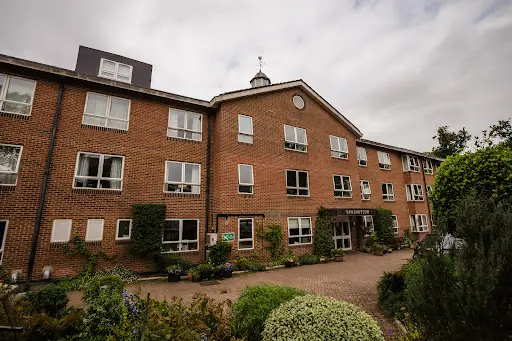
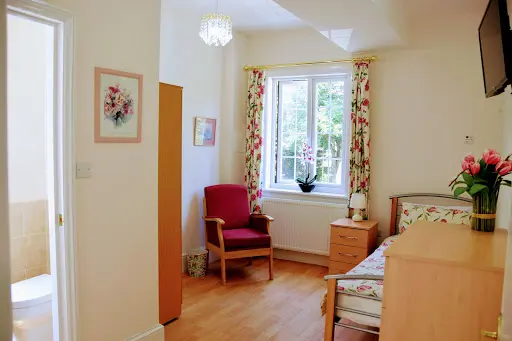
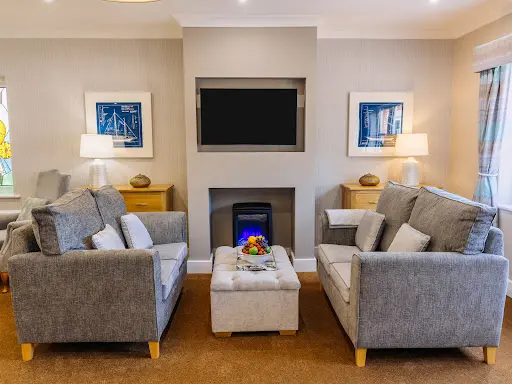
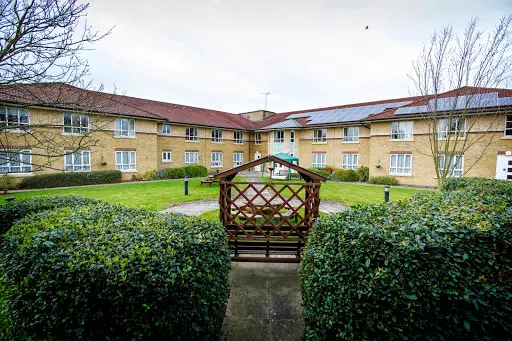
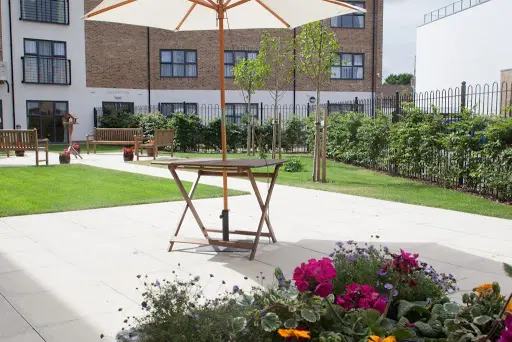
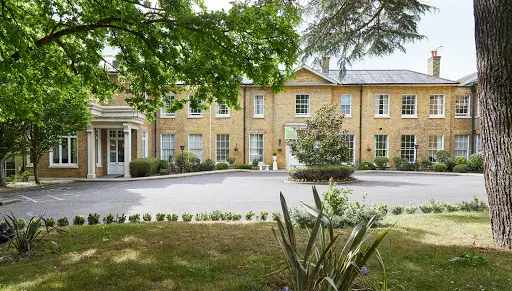
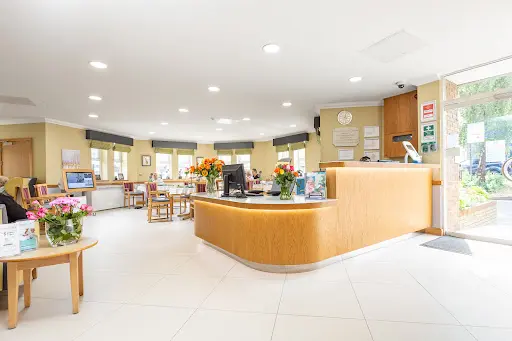
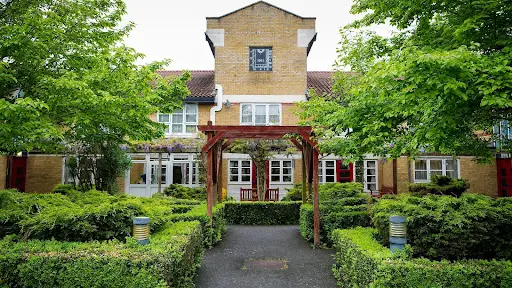
The garden gets plenty of use for activities and socialising when weather permits. People mention the cleanliness throughout and how the building feels warm rather than institutional, despite being a full nursing facility. Even the refreshments during visits get compliments — proper tea and homemade cakes that visitors say rival any café.
“From the smooth admission process to the daily rhythms of care, Elizabeth Lodge seems to understand what matters most to families facing difficult transitions.”
DCC does not edit or curate content in this tab. For independently curated information, see The Evidence and DCC Verdict.