Drayton Village Care Centre
At a Glance
The information you need to decide whether this home warrants a closer look.
Nursing homes
Staff warmth score
of reviewers answered yes
Good to know
- Registered beds91
- SpecialismsCaring for adults over 65 yrs, Caring for adults under 65 yrs, Dementia, Learning disabilities
- Last inspected2023-04-13
Save Drayton Village Care Centre to your shortlist
Keep a running list, add visit notes, and compare homes side-by-side. Free account — it takes a minute.
STAGE 4 — RESEARCHING CARE HOMES
Visit homes. Compare them side by side. Choose with confidence.
Most of us will view care homes the way we view houses, impression, atmosphere, the feeling in the corridor. We go home, try to remember what we saw, and make a permanent decision from a blurred memory.

The DCC shortlist gives every home you visit a structured record: the same twelve questions, answered the same way, every time. When you’re ready to choose, pull any two homes side by side and compare them directly. Same criteria, same evidence, your notes and your scores.
The Evidence
What the review data, the inspection reports, and the dementia-care evidence base tell us about this home.
What families say
Families talk about walking into a calm, reassuring atmosphere where their relatives feel genuinely safe and valued. The activities programme keeps residents engaged with games, outings and pastimes matched to their interests and abilities. There's a sense that staff see beyond conditions and limitations to connect with the person inside.
The eight family priority themes
- Staff warmth55
- Compassion & dignity55
- Cleanliness55
- Activities & engagement50
- Food quality50
- Healthcare55
- Management & leadership60
- Resident happiness55
What inspectors found
Inspected 2023-04-13
Is this home safe?
Is the care effective?
Effective was rated Good at the January 2024 inspection. This domain typically covers training, care planning, healthcare access, nutrition, and how well the home meets the specific needs of people with dementia or learning disabilities. No specific findings were published in the inspection summary for this home. Given that dementia and learning disabilities are both listed as specialisms, the depth of staff training and the quality of individual care plans are particularly important questions.Is this home caring?
Caring was rated Good at the January 2024 inspection. This domain covers staff warmth, dignity, respect, privacy, and whether residents are supported to maintain their independence. No specific inspector observations, resident quotes, or relative feedback were included in the published summary for this home. Staff warmth is the single highest-weighted theme in our family review data, accounting for 57.3% of positive reviews, so the absence of specific detail here is a notable gap.Is the home responsive?
Responsive was rated Good at the January 2024 inspection. This domain covers whether the home tailors care to the individual, the activity programme, handling of complaints, and end-of-life care. No specific information about activities, individual engagement, or how the home responds to changing needs was included in the published summary. For a home listing both dementia and learning disabilities as specialisms, the range and individualisation of activities is particularly relevant.Is the home well-led?
Well-led was rated Good at the January 2024 inspection. This domain covers the quality of leadership, governance, staff culture, and how the home handles complaints and learning from incidents. The home is run by GCH (North London) Ltd, with Mr Sunil Cheekoory listed as the nominated individual. No specific detail about the registered manager, their tenure, or the governance arrangements was published in the inspection summary. The home's previous rating was Requires Improvement, which means it improved its Well-led rating, but the published text does not explain what changed.
Source: CQC inspection report →
What the evidence base says
The centre cares for adults both under and over 65, including those living with dementia or learning disabilities. They've shown particular strength in rehabilitation support, helping several residents regain enough independence to return to their own homes. For residents living with dementia, the calm environment and consistent staff presence seem to provide important anchors throughout the day. Families describe seeing their relatives engaged in meaningful activities rather than simply managed. All areas worth probing directly during a visit.
The DCC Verdict
Our editorial view, built from the three lenses: what families tell us, what inspectors record, and how the home sits against good dementia-care practice.
DCC Family Score
Every domain was rated Good at the January 2024 inspection, which is a positive signal, but the published report text provided contains no specific inspector observations, resident testimony, or named examples to verify what Good looks like day to day at this home. The score reflects the rating itself rather than detailed evidence, so treat it as a starting point rather than a confident endorsement.
Homes in London typically score 68–82.The three-lens summary
What families tell us
Families talk about walking into a calm, reassuring atmosphere where their relatives feel genuinely safe and valued. The activities programme keeps residents engaged with games, outings and pastimes matched to their interests and abilities. There's a sense that staff see beyond conditions and limitations to connect with the person inside.
What inspectors have recorded
Staff show consistent dedication in their daily interactions with residents, actively helping with mobility and personal care without any sense of hurry or reluctance. Families describe feeling heard and supported, particularly during difficult times. One family member did raise concerns about management practices, though the specific issues weren't detailed.
How it sits against good practice
Sometimes the best measure of a care home is how families feel during life's most difficult transitions — and here, that feeling is one of genuine support and dignity.
Worth a visit
Drayton Village Care Centre, a 91-bed nursing home in West Drayton registered to care for adults with dementia, learning disabilities, and a range of nursing needs, was rated Good across all five inspection domains at its most recent assessment in January 2024, with the report published in May 2024. This is an improvement on the Requires Improvement rating that preceded it, which is an encouraging direction of travel. The home is run by GCH (North London) Ltd and can accommodate both adults over and under 65. The published inspection summary is unusually brief and contains no specific inspector observations, resident or relative quotes, or named examples of what Good care looks like inside this home. That means this report cannot tell you what day-to-day life is actually like for your parent. Before you make a decision, visit in person, ideally at a mealtime and again in the early evening, ask to see last week's actual staffing rota (not a template), and speak directly to the manager about how the home has changed since its previous Requires Improvement rating. The questions in the checklist below give you a concrete starting point.
The three questions to ask when you visitSave this home. Compare it against your shortlist.
Let our analysis show you how Drayton Village Care Centre measures up against the other homes you’re considering. Free account.
In Their Own Words
How Drayton Village Care Centre describes itself — collected from its own website. DCC has not edited or independently verified the content in this tab.
Where dignity and kindness guide every day, even the hardest ones
Drayton Village – Expert Care in West Drayton
When families describe Drayton Village Care Centre in West Drayton, they often pause to find the right words for what matters most — how staff treat their loved ones during life's most vulnerable moments. This care home has built its reputation on getting the fundamentals right: treating each resident with genuine respect, keeping the environment fresh and welcoming, and helping people regain strength and confidence after illness or injury.
Who they care for
The centre cares for adults both under and over 65, including those living with dementia or learning disabilities. They've shown particular strength in rehabilitation support, helping several residents regain enough independence to return to their own homes.
For residents living with dementia, the calm environment and consistent staff presence seem to provide important anchors throughout the day. Families describe seeing their relatives engaged in meaningful activities rather than simply managed.
“Sometimes the best measure of a care home is how families feel during life's most difficult transitions — and here, that feeling is one of genuine support and dignity.”
DCC does not edit or curate content in this tab. For independently curated information, see The Evidence and DCC Verdict.
The DCC Verdict
Our editorial view, built from the three lenses: what families tell us, what inspectors record, and how the home sits against good dementia-care practice.
DCC Family Score
Every domain was rated Good at the January 2024 inspection, which is a positive signal, but the published report text provided contains no specific inspector observations, resident testimony, or named examples to verify what Good looks like day to day at this home. The score reflects the rating itself rather than detailed evidence, so treat it as a starting point rather than a confident endorsement.
Homes in London typically score 68–82.The three-lens summary
What families tell us
Families talk about walking into a calm, reassuring atmosphere where their relatives feel genuinely safe and valued. The activities programme keeps residents engaged with games, outings and pastimes matched to their interests and abilities. There's a sense that staff see beyond conditions and limitations to connect with the person inside.
What inspectors have recorded
Staff show consistent dedication in their daily interactions with residents, actively helping with mobility and personal care without any sense of hurry or reluctance. Families describe feeling heard and supported, particularly during difficult times. One family member did raise concerns about management practices, though the specific issues weren't detailed.
How it sits against good practice
Sometimes the best measure of a care home is how families feel during life's most difficult transitions — and here, that feeling is one of genuine support and dignity.
Worth a visit
Drayton Village Care Centre, a 91-bed nursing home in West Drayton registered to care for adults with dementia, learning disabilities, and a range of nursing needs, was rated Good across all five inspection domains at its most recent assessment in January 2024, with the report published in May 2024. This is an improvement on the Requires Improvement rating that preceded it, which is an encouraging direction of travel. The home is run by GCH (North London) Ltd and can accommodate both adults over and under 65. The published inspection summary is unusually brief and contains no specific inspector observations, resident or relative quotes, or named examples of what Good care looks like inside this home. That means this report cannot tell you what day-to-day life is actually like for your parent. Before you make a decision, visit in person, ideally at a mealtime and again in the early evening, ask to see last week's actual staffing rota (not a template), and speak directly to the manager about how the home has changed since its previous Requires Improvement rating. The questions in the checklist below give you a concrete starting point.
The three questions to ask when you visitSave this home. Compare it against your shortlist.
Let our analysis show you how Drayton Village Care Centre measures up against the other homes you’re considering. Free account.
In Their Own Words
How Drayton Village Care Centre describes itself — collected from its own website. DCC has not edited or independently verified the content in this tab.
Where dignity and kindness guide every day, even the hardest ones
Drayton Village – Expert Care in West Drayton
When families describe Drayton Village Care Centre in West Drayton, they often pause to find the right words for what matters most — how staff treat their loved ones during life's most vulnerable moments. This care home has built its reputation on getting the fundamentals right: treating each resident with genuine respect, keeping the environment fresh and welcoming, and helping people regain strength and confidence after illness or injury.
Who they care for
The centre cares for adults both under and over 65, including those living with dementia or learning disabilities. They've shown particular strength in rehabilitation support, helping several residents regain enough independence to return to their own homes.
For residents living with dementia, the calm environment and consistent staff presence seem to provide important anchors throughout the day. Families describe seeing their relatives engaged in meaningful activities rather than simply managed.
Management & ethos
Staff show consistent dedication in their daily interactions with residents, actively helping with mobility and personal care without any sense of hurry or reluctance. Families describe feeling heard and supported, particularly during difficult times. One family member did raise concerns about management practices, though the specific issues weren't detailed.
The home & environment
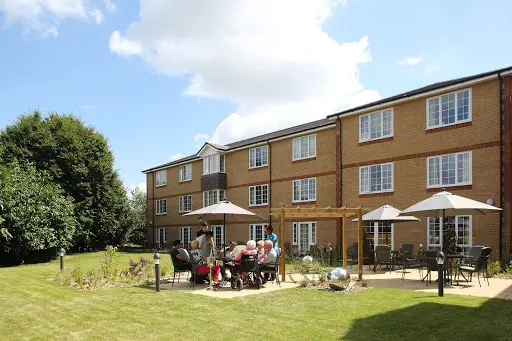
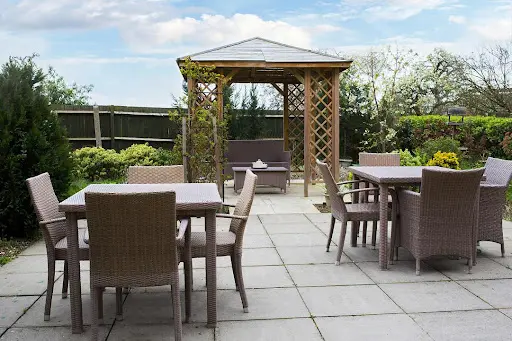
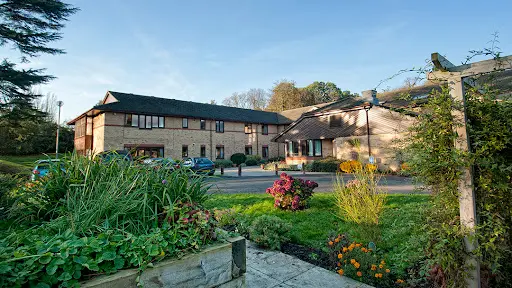
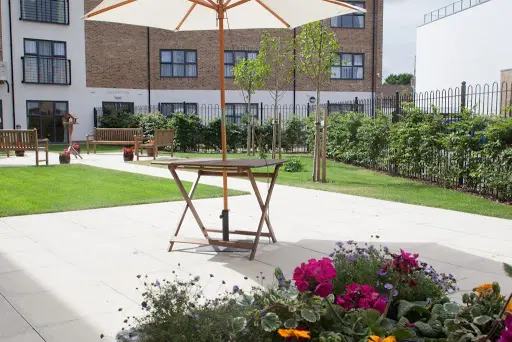
The building stays notably fresh and clean, something families particularly appreciate given how challenging this can be in care settings. Meals get consistent praise for being wholesome and well-prepared — the kind of food that helps people regain appetite and strength. The peaceful residential setting adds to the sense of security families value.
“Sometimes the best measure of a care home is how families feel during life's most difficult transitions — and here, that feeling is one of genuine support and dignity.”
DCC does not edit or curate content in this tab. For independently curated information, see The Evidence and DCC Verdict.