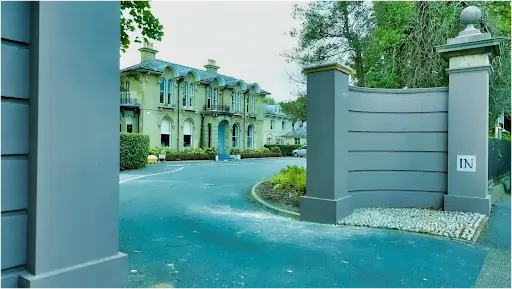
Barchester – Hugh Myddelton House Care Home
At a Glance
The information you need to decide whether this home warrants a closer look.
Nursing homes
Staff warmth score
of reviewers answered yes
Good to know
- Registered beds48
- SpecialismsCaring for adults over 65 yrs, Caring for adults under 65 yrs, Dementia, Physical disabilities
- Last inspected2021-07-15
Save Barchester – Hugh Myddelton House Care Home to your shortlist
Keep a running list, add visit notes, and compare homes side-by-side. Free account — it takes a minute.
STAGE 4 — RESEARCHING CARE HOMES
Visit homes. Compare them side by side. Choose with confidence.
Most of us will view care homes the way we view houses, impression, atmosphere, the feeling in the corridor. We go home, try to remember what we saw, and make a permanent decision from a blurred memory.

The DCC shortlist gives every home you visit a structured record: the same twelve questions, answered the same way, every time. When you’re ready to choose, pull any two homes side by side and compare them directly. Same criteria, same evidence, your notes and your scores.
The Evidence
What the review data, the inspection reports, and the dementia-care evidence base tell us about this home.
What families say
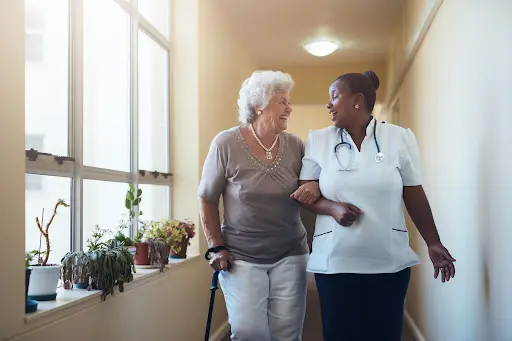
What strikes visitors most is how approachable the team feels — staff members seem genuinely pleased to chat with families and answer questions. Residents appear happy and well-settled, with families noting their relatives seem less anxious since moving in. There's a sense of dignity in how people are supported here, whether during mealtimes or daily activities.
The eight family priority themes
- Staff warmth70
- Compassion & dignity72
- Cleanliness65
- Activities & engagement65
- Food quality60
- Healthcare60
- Management & leadership74
- Resident happiness68
What inspectors found
Inspected 2021-07-15
Is this home safe?
Is the care effective?
The Effective domain was rated Good. This domain covers whether staff have the right training, whether care plans are detailed and kept up to date, whether residents have regular access to healthcare professionals such as GPs and specialists, and whether food and nutrition are managed well. The published inspection summary does not include specific observations, resident testimony, or record-review findings that would allow a more granular assessment. Hugh Myddelton House lists dementia as a specialism, so inspectors would have expected to see evidence of dementia-specific practice within this domain.Is this home caring?
The Caring domain was rated Good. Inspectors assess this domain by observing how staff interact with residents, whether people are addressed respectfully and by their preferred name, whether privacy is maintained, and whether people are supported to make choices and retain independence. A Good rating indicates inspectors found positive evidence across these areas. The published summary does not include direct quotes from residents or relatives, nor specific inspector observations, so the evidence behind this rating cannot be independently verified from the published text alone.Is the home responsive?
The Responsive domain was rated Good. This domain covers whether the home provides activities and engagement tailored to individual interests, whether people can maintain routines and preferences, and whether complaints are handled well. It also covers end-of-life planning and how the home responds to changing needs. Hugh Myddelton House caters for adults with dementia, physical disabilities, and a range of ages, so inspectors would have looked for evidence that the home adapts its approach to individuals rather than offering a single standard programme. The published summary does not describe the activity programme, engagement approaches, or any specific examples of individualised support.Is the home well-led?
The Well-led domain was rated Good, and the home has a named registered manager, Miss Jade Latagan Shea, and a nominated individual, Mr Dominic Jude Kay, both recorded in the inspection. The overall improvement from Requires Improvement to Good suggests that leadership has driven meaningful change since the previous inspection. Well-led covers the culture of the home, whether staff feel able to speak up, whether the home learns from incidents and complaints, and whether governance systems are in place to monitor quality. The published summary does not provide detail on any of these specific elements.
Source: CQC inspection report →
What the evidence base says
The home welcomes adults of all ages, including those under 65 with physical disabilities or complex care needs. They support people living with dementia alongside residents with varying physical support requirements. For those living with dementia, the team works to create familiar routines and meaningful daily activities. Staff show understanding of how dementia affects each person differently, adapting their approach to individual needs and preferences. All areas worth probing directly during a visit.
The DCC Verdict
Our editorial view, built from the three lenses: what families tell us, what inspectors record, and how the home sits against good dementia-care practice.
DCC Family Score
Hugh Myddelton House scores in the mid-range, reflecting a home that has improved from Requires Improvement to Good overall, with genuine strengths in care and leadership, but where the Safety domain still requires improvement and the published inspection report contains limited specific detail across several areas.
Homes in London typically score 68–82.The three-lens summary
What families tell us
What strikes visitors most is how approachable the team feels — staff members seem genuinely pleased to chat with families and answer questions. Residents appear happy and well-settled, with families noting their relatives seem less anxious since moving in. There's a sense of dignity in how people are supported here, whether during mealtimes or daily activities.
What inspectors have recorded
The team demonstrates real knowledge when managing complex medical needs, from medication schedules to hydration monitoring. Healthcare professionals who visit report confidence in the staff's capabilities and collaborative approach. Leadership remains accessible and helpful when families have questions or concerns. One family did note that supervision can vary at busier times of day, something worth discussing during your visit.
How it sits against good practice
Getting a feel for the daily rhythms and staffing patterns during your visit will help you picture your loved one's life here.
Worth a visit
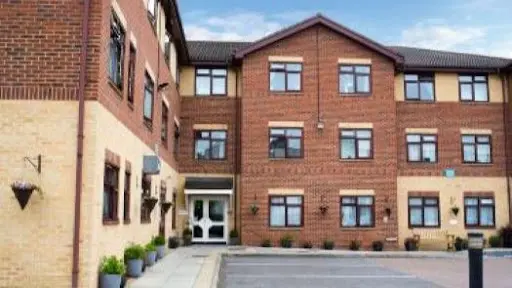
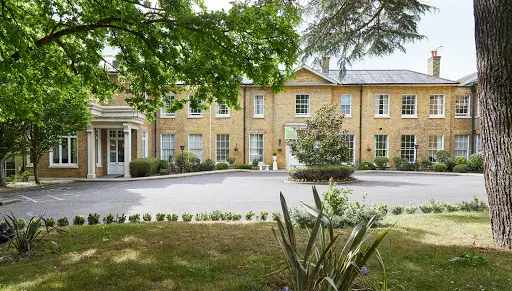
Hugh Myddelton House, at 25 Old Farm Avenue in Southgate, north London, was rated Good overall at its last inspection in June 2021, an improvement from its previous rating of Requires Improvement. The home is run by Barchester Healthcare Homes Limited and has a registered manager in post. Inspectors rated the home Good in Effective, Caring, Responsive, and Well-led, suggesting that staff treat people with respect, that care planning is adequate, and that the leadership team has the home moving in the right direction. The main caution is the Requires Improvement rating for Safe, which was not resolved at the time of the published report. This is the domain that covers staffing levels, medicines management, and the prevention of accidents and infections. The inspection summary provided is brief and does not explain what specifically needed to improve, so you cannot rely on this report alone to judge whether safety concerns have been addressed in the two years since the inspection. On a visit, ask the manager directly what the Safe rating related to, what changes were made, and whether an updated inspection has since taken place. Also ask to see the most recent staffing rota and ask how many permanent staff cover nights across all 48 beds.
The three questions to ask when you visitSave this home. Compare it against your shortlist.
Let our analysis show you how Barchester – Hugh Myddelton House Care Home measures up against the other homes you’re considering. Free account.
In Their Own Words
How Barchester – Hugh Myddelton House Care Home describes itself — collected from its own website. DCC has not edited or independently verified the content in this tab.
Where thoughtful care meets everyday warmth in North London
Nursing home in London: True Peace of Mind
Families visiting Hugh Myddelton House in London often mention the genuine welcome that greets them at the door. This established care home supports people living with dementia, physical disabilities, and those needing specialised care, whether they're under or over 65. The atmosphere here feels settled and purposeful, with residents visibly content in their surroundings.
Who they care for
The home welcomes adults of all ages, including those under 65 with physical disabilities or complex care needs. They support people living with dementia alongside residents with varying physical support requirements.
For those living with dementia, the team works to create familiar routines and meaningful daily activities. Staff show understanding of how dementia affects each person differently, adapting their approach to individual needs and preferences.
“Getting a feel for the daily rhythms and staffing patterns during your visit will help you picture your loved one's life here.”
DCC does not edit or curate content in this tab. For independently curated information, see The Evidence and DCC Verdict.
The DCC Verdict
Our editorial view, built from the three lenses: what families tell us, what inspectors record, and how the home sits against good dementia-care practice.
DCC Family Score
Hugh Myddelton House scores in the mid-range, reflecting a home that has improved from Requires Improvement to Good overall, with genuine strengths in care and leadership, but where the Safety domain still requires improvement and the published inspection report contains limited specific detail across several areas.
Homes in London typically score 68–82.The three-lens summary
What families tell us
What strikes visitors most is how approachable the team feels — staff members seem genuinely pleased to chat with families and answer questions. Residents appear happy and well-settled, with families noting their relatives seem less anxious since moving in. There's a sense of dignity in how people are supported here, whether during mealtimes or daily activities.
What inspectors have recorded
The team demonstrates real knowledge when managing complex medical needs, from medication schedules to hydration monitoring. Healthcare professionals who visit report confidence in the staff's capabilities and collaborative approach. Leadership remains accessible and helpful when families have questions or concerns. One family did note that supervision can vary at busier times of day, something worth discussing during your visit.
How it sits against good practice
Getting a feel for the daily rhythms and staffing patterns during your visit will help you picture your loved one's life here.
Worth a visit
Hugh Myddelton House, at 25 Old Farm Avenue in Southgate, north London, was rated Good overall at its last inspection in June 2021, an improvement from its previous rating of Requires Improvement. The home is run by Barchester Healthcare Homes Limited and has a registered manager in post. Inspectors rated the home Good in Effective, Caring, Responsive, and Well-led, suggesting that staff treat people with respect, that care planning is adequate, and that the leadership team has the home moving in the right direction. The main caution is the Requires Improvement rating for Safe, which was not resolved at the time of the published report. This is the domain that covers staffing levels, medicines management, and the prevention of accidents and infections. The inspection summary provided is brief and does not explain what specifically needed to improve, so you cannot rely on this report alone to judge whether safety concerns have been addressed in the two years since the inspection. On a visit, ask the manager directly what the Safe rating related to, what changes were made, and whether an updated inspection has since taken place. Also ask to see the most recent staffing rota and ask how many permanent staff cover nights across all 48 beds.
The three questions to ask when you visitSave this home. Compare it against your shortlist.
Let our analysis show you how Barchester – Hugh Myddelton House Care Home measures up against the other homes you’re considering. Free account.
In Their Own Words
How Barchester – Hugh Myddelton House Care Home describes itself — collected from its own website. DCC has not edited or independently verified the content in this tab.
Where thoughtful care meets everyday warmth in North London
Nursing home in London: True Peace of Mind
Families visiting Hugh Myddelton House in London often mention the genuine welcome that greets them at the door. This established care home supports people living with dementia, physical disabilities, and those needing specialised care, whether they're under or over 65. The atmosphere here feels settled and purposeful, with residents visibly content in their surroundings.
Who they care for
The home welcomes adults of all ages, including those under 65 with physical disabilities or complex care needs. They support people living with dementia alongside residents with varying physical support requirements.
For those living with dementia, the team works to create familiar routines and meaningful daily activities. Staff show understanding of how dementia affects each person differently, adapting their approach to individual needs and preferences.
Management & ethos
The team demonstrates real knowledge when managing complex medical needs, from medication schedules to hydration monitoring. Healthcare professionals who visit report confidence in the staff's capabilities and collaborative approach. Leadership remains accessible and helpful when families have questions or concerns. One family did note that supervision can vary at busier times of day, something worth discussing during your visit.
The home & environment
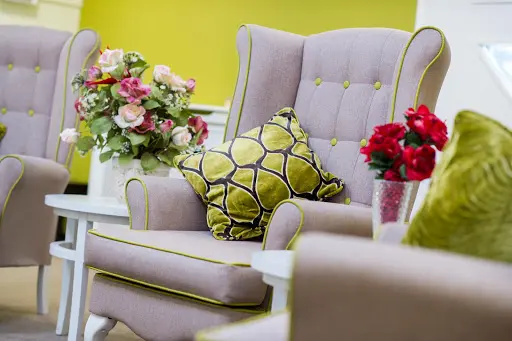
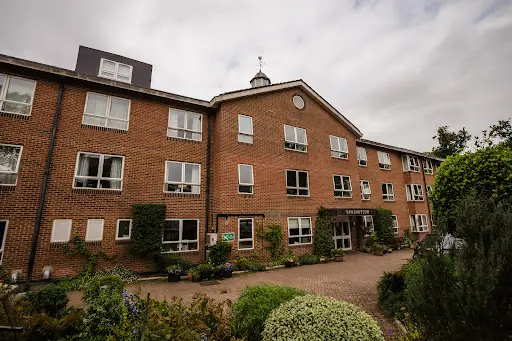
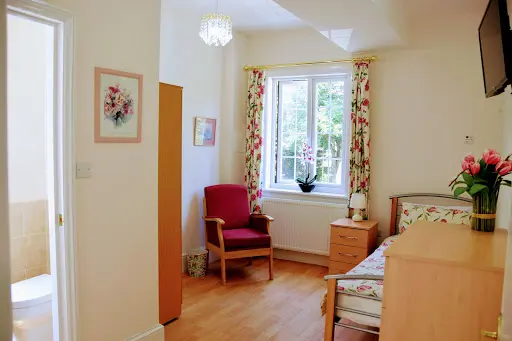
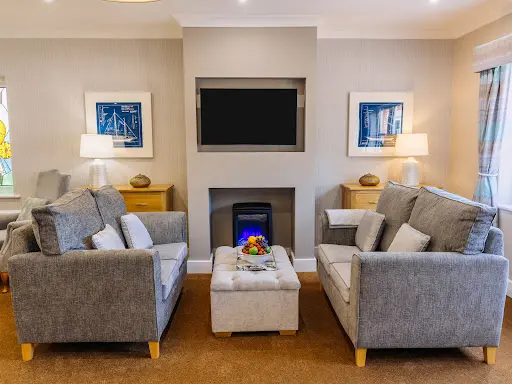
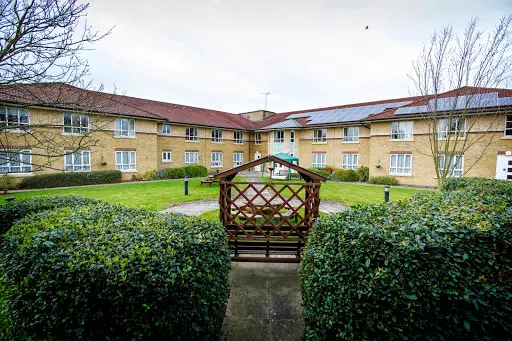
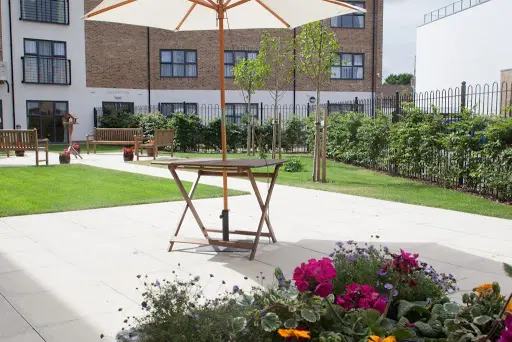
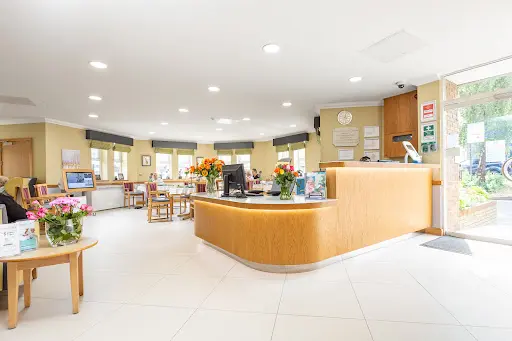
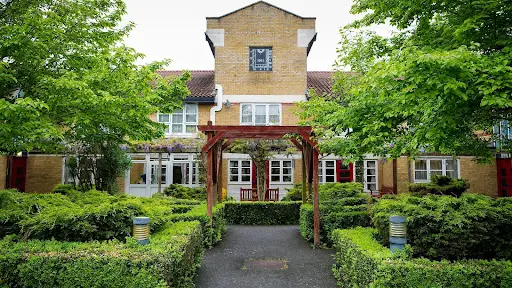
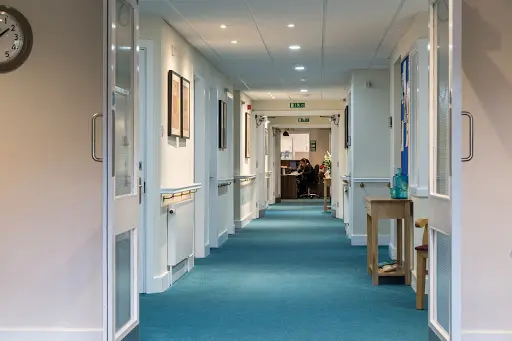
The home stays bright and well-maintained, something families consistently notice during visits. Exercise classes and entertainment programmes bring energy to communal spaces, with residents joining in according to their abilities. The overall environment feels clean and cared for, creating a pleasant backdrop for daily life.
“Getting a feel for the daily rhythms and staffing patterns during your visit will help you picture your loved one's life here.”
DCC does not edit or curate content in this tab. For independently curated information, see The Evidence and DCC Verdict.