Brackenbridge House
At a Glance
The information you need to decide whether this home warrants a closer look.
Residential homes
Staff warmth score
of reviewers answered yes
Good to know
- Registered beds36
- SpecialismsCaring for adults over 65 yrs, Caring for adults under 65 yrs, Dementia
- Last inspected2023-05-11
Save Brackenbridge House to your shortlist
Keep a running list, add visit notes, and compare homes side-by-side. Free account — it takes a minute.
STAGE 4 — RESEARCHING CARE HOMES
Visit homes. Compare them side by side. Choose with confidence.
Most of us will view care homes the way we view houses, impression, atmosphere, the feeling in the corridor. We go home, try to remember what we saw, and make a permanent decision from a blurred memory.

The DCC shortlist gives every home you visit a structured record: the same twelve questions, answered the same way, every time. When you’re ready to choose, pull any two homes side by side and compare them directly. Same criteria, same evidence, your notes and your scores.
The Evidence
What the review data, the inspection reports, and the dementia-care evidence base tell us about this home.
What families say
Visitors frequently mention feeling welcomed from the moment they arrive. There's a good social atmosphere here, with residents chatting together and staff who take time to be helpful and polite. Many families note how clean and well-kept everything looks, which adds to that reassuring first impression.
The eight family priority themes
- Staff warmth72
- Compassion & dignity72
- Cleanliness70
- Activities & engagement60
- Food quality60
- Healthcare65
- Management & leadership75
- Resident happiness70
What inspectors found
Inspected 2023-05-11
Is this home safe?
Is the care effective?
The Effective domain was rated Good. This domain covers training, care planning, healthcare access, nutrition, and hydration. The home lists dementia as a specialism for both older and younger adults, which means inspectors would have considered whether staff training and care planning reflect the specific needs of people living with dementia. No specific training programmes, care plan examples, GP access arrangements, or food quality observations are recorded in the published text.Is this home caring?
The Caring domain was rated Good. This domain covers staff warmth, dignity, respect, and whether people are supported to maintain independence. Inspectors did not publish specific observations about staff interactions, preferred name use, or how staff respond when someone with dementia becomes distressed. The Good rating indicates that at the time of the inspection, inspectors were satisfied with the standard of care observed, but the published findings do not provide the granular detail that would allow a more precise picture.Is the home responsive?
The Responsive domain was rated Good. This domain covers whether care is tailored to individual needs, whether activities are meaningful and varied, and whether the home responds appropriately to people's changing needs including at end of life. Dementia is a stated specialism of the home. No specific activities are named, no individual engagement examples are described, and no end-of-life planning detail is recorded in the published inspection text.Is the home well-led?
The Well-led domain was rated Good, improving from the previous inspection. A named registered manager and a nominated individual are identified in the published report. The improvement across all five domains from the previous inspection to Good suggests the leadership team has driven meaningful change. No specific governance examples, staff culture observations, or detail about how the home handles complaints and incidents are recorded in the published findings.
Source: CQC inspection report →
What the evidence base says
Brackenbridge House welcomes adults under 65, those over 65, and people living with dementia. They're set up to support different ages and stages of life under one roof. For residents with dementia, the home provides specialized support within their caring environment. Staff understand the importance of maintaining routines and creating a sense of security for those who need it most. All areas worth probing directly during a visit.
The DCC Verdict
Our editorial view, built from the three lenses: what families tell us, what inspectors record, and how the home sits against good dementia-care practice.
DCC Family Score
Brackenbridge House has improved from Requires Improvement to a Good rating across all five domains, which is a meaningful and positive shift. However, the published inspection text provides very limited specific detail, so many scores reflect the rating outcome rather than observed evidence, and several areas will need direct investigation from you.
Homes in London typically score 68–82.The three-lens summary
What families tell us
Visitors frequently mention feeling welcomed from the moment they arrive. There's a good social atmosphere here, with residents chatting together and staff who take time to be helpful and polite. Many families note how clean and well-kept everything looks, which adds to that reassuring first impression.
What inspectors have recorded
The staff team comes across as caring and professional in how they support residents. They're described as friendly and attentive, creating an environment where people feel looked after. While there have been some recent changes in management and staffing that one visitor noticed affected the usual efficiency, the overall approach remains focused on good care.
How it sits against good practice
If you're looking for somewhere in Ruislip that combines professional care with genuine warmth, Brackenbridge House might be worth exploring.
Worth a visit
Brackenbridge House in Ruislip was inspected on 5 April 2023 and rated Good across all five domains, an improvement from its previous rating of Requires Improvement. That upward trajectory is a positive sign: it means inspectors found that issues identified at the previous inspection had been addressed, and that the home is now meeting the standard expected across safety, effectiveness, care, responsiveness, and leadership. The home supports up to 36 people across residential care, with a stated specialism in dementia for both older and younger adults. The main limitation here is that the published inspection text contains very little specific detail about what inspectors actually observed. This means the Good rating carries weight, but you cannot rely on the published report alone to judge day-to-day life for your parent. When you visit, ask the manager to explain what changed between the Requires Improvement and Good inspections: what was the specific problem, and what did they do to fix it? Ask to see the current staffing rota, find out how many permanent staff work nights on the dementia unit, and ask how often care plans are reviewed with families involved. These questions will tell you far more than the rating alone.
The three questions to ask when you visitSave this home. Compare it against your shortlist.
Let our analysis show you how Brackenbridge House measures up against the other homes you’re considering. Free account.
In Their Own Words
How Brackenbridge House describes itself — collected from its own website. DCC has not edited or independently verified the content in this tab.
Where friendly staff create a warm, welcoming atmosphere every day
Brackenbridge House – Expert Care in Ruislip
Families visiting Brackenbridge House in Ruislip often comment on the genuine friendliness that greets them at the door. This care home supports adults of all ages, including those living with dementia, in what many describe as a well-maintained and sociable environment. The staff here seem to understand that small gestures of kindness make all the difference.
Who they care for
Brackenbridge House welcomes adults under 65, those over 65, and people living with dementia. They're set up to support different ages and stages of life under one roof.
For residents with dementia, the home provides specialized support within their caring environment. Staff understand the importance of maintaining routines and creating a sense of security for those who need it most.
“If you're looking for somewhere in Ruislip that combines professional care with genuine warmth, Brackenbridge House might be worth exploring.”
DCC does not edit or curate content in this tab. For independently curated information, see The Evidence and DCC Verdict.
The DCC Verdict
Our editorial view, built from the three lenses: what families tell us, what inspectors record, and how the home sits against good dementia-care practice.
DCC Family Score
Brackenbridge House has improved from Requires Improvement to a Good rating across all five domains, which is a meaningful and positive shift. However, the published inspection text provides very limited specific detail, so many scores reflect the rating outcome rather than observed evidence, and several areas will need direct investigation from you.
Homes in London typically score 68–82.The three-lens summary
What families tell us
Visitors frequently mention feeling welcomed from the moment they arrive. There's a good social atmosphere here, with residents chatting together and staff who take time to be helpful and polite. Many families note how clean and well-kept everything looks, which adds to that reassuring first impression.
What inspectors have recorded
The staff team comes across as caring and professional in how they support residents. They're described as friendly and attentive, creating an environment where people feel looked after. While there have been some recent changes in management and staffing that one visitor noticed affected the usual efficiency, the overall approach remains focused on good care.
How it sits against good practice
If you're looking for somewhere in Ruislip that combines professional care with genuine warmth, Brackenbridge House might be worth exploring.
Worth a visit
Brackenbridge House in Ruislip was inspected on 5 April 2023 and rated Good across all five domains, an improvement from its previous rating of Requires Improvement. That upward trajectory is a positive sign: it means inspectors found that issues identified at the previous inspection had been addressed, and that the home is now meeting the standard expected across safety, effectiveness, care, responsiveness, and leadership. The home supports up to 36 people across residential care, with a stated specialism in dementia for both older and younger adults. The main limitation here is that the published inspection text contains very little specific detail about what inspectors actually observed. This means the Good rating carries weight, but you cannot rely on the published report alone to judge day-to-day life for your parent. When you visit, ask the manager to explain what changed between the Requires Improvement and Good inspections: what was the specific problem, and what did they do to fix it? Ask to see the current staffing rota, find out how many permanent staff work nights on the dementia unit, and ask how often care plans are reviewed with families involved. These questions will tell you far more than the rating alone.
The three questions to ask when you visitSave this home. Compare it against your shortlist.
Let our analysis show you how Brackenbridge House measures up against the other homes you’re considering. Free account.
In Their Own Words
How Brackenbridge House describes itself — collected from its own website. DCC has not edited or independently verified the content in this tab.
Where friendly staff create a warm, welcoming atmosphere every day
Brackenbridge House – Expert Care in Ruislip
Families visiting Brackenbridge House in Ruislip often comment on the genuine friendliness that greets them at the door. This care home supports adults of all ages, including those living with dementia, in what many describe as a well-maintained and sociable environment. The staff here seem to understand that small gestures of kindness make all the difference.
Who they care for
Brackenbridge House welcomes adults under 65, those over 65, and people living with dementia. They're set up to support different ages and stages of life under one roof.
For residents with dementia, the home provides specialized support within their caring environment. Staff understand the importance of maintaining routines and creating a sense of security for those who need it most.
Management & ethos
The staff team comes across as caring and professional in how they support residents. They're described as friendly and attentive, creating an environment where people feel looked after. While there have been some recent changes in management and staffing that one visitor noticed affected the usual efficiency, the overall approach remains focused on good care.
The home & environment
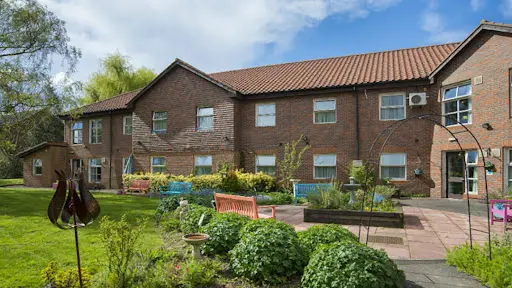
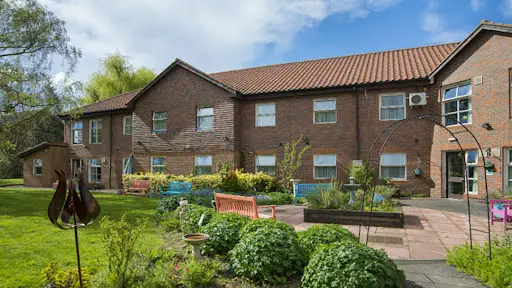
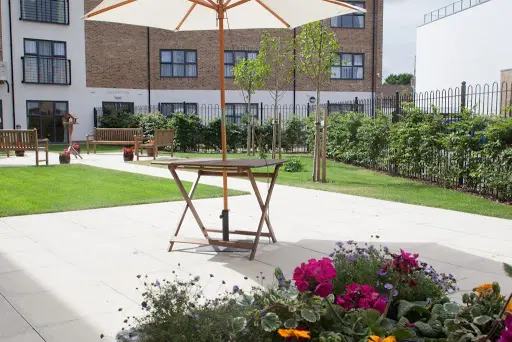
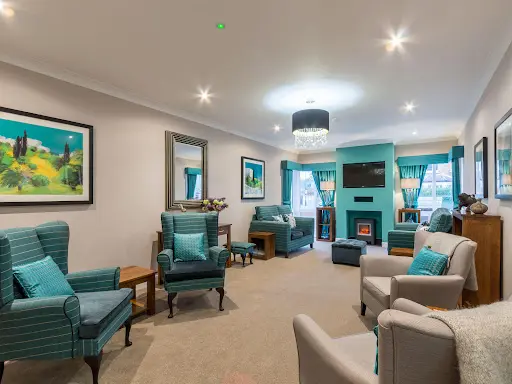
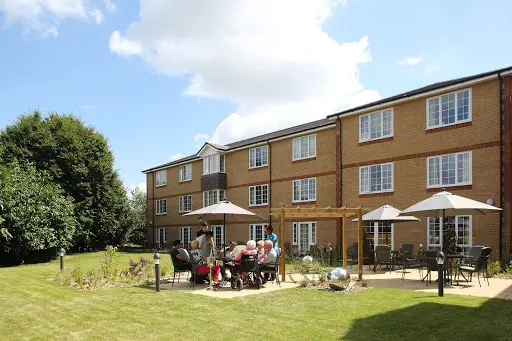
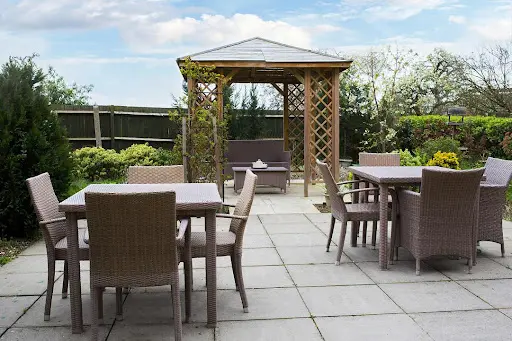
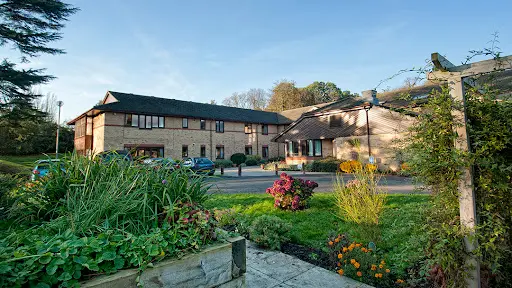
The home keeps things fresh and tidy throughout, something families consistently appreciate. Residents can enjoy time in the outdoor spaces, and there are activities to keep people engaged. The food gets positive mentions too, which matters when you're thinking about daily comfort.
“If you're looking for somewhere in Ruislip that combines professional care with genuine warmth, Brackenbridge House might be worth exploring.”
DCC does not edit or curate content in this tab. For independently curated information, see The Evidence and DCC Verdict.