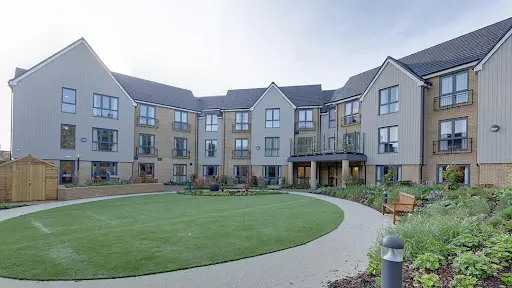
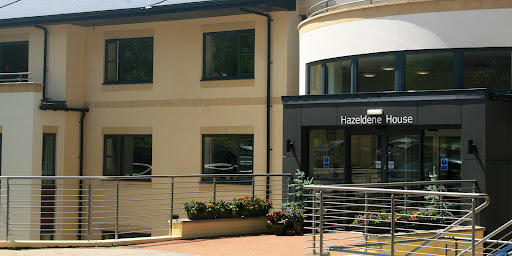
Hazeldene House
At a Glance
The information you need to decide whether this home warrants a closer look.
Community services – Nursing, Nursing homes, Residential homes, Homecare agencies, Supported living
Staff warmth score
of reviewers answered yes
Good to know
- Registered beds75
- SpecialismsCaring for adults over 65 yrs, Caring for adults under 65 yrs, Dementia, Mental health conditions
- Last inspected2022-06-11
Save Hazeldene House to your shortlist
Keep a running list, add visit notes, and compare homes side-by-side. Free account — it takes a minute.
STAGE 4 — RESEARCHING CARE HOMES
Visit homes. Compare them side by side. Choose with confidence.
Most of us will view care homes the way we view houses, impression, atmosphere, the feeling in the corridor. We go home, try to remember what we saw, and make a permanent decision from a blurred memory.

The DCC shortlist gives every home you visit a structured record: the same twelve questions, answered the same way, every time. When you’re ready to choose, pull any two homes side by side and compare them directly. Same criteria, same evidence, your notes and your scores.
The Evidence
What the review data, the inspection reports, and the dementia-care evidence base tell us about this home.
What families say
The eight family priority themes
- Staff warmth55
- Compassion & dignity58
- Cleanliness55
- Activities & engagement50
- Food quality50
- Healthcare55
- Management & leadership42
- Resident happiness55
What inspectors found
Inspected 2022-06-11
Is this home safe?
Is the care effective?
Effective was rated Good, covering training, care planning, healthcare access, and nutrition. This rating suggests the home met inspection standards across these areas. The published report does not include specific examples of care plan content, confirmation of GP access arrangements, detail on dementia training curricula, or observations about food quality and choice. The rating is a positive indicator, but the evidence behind it is not visible in the published text.Is this home caring?
Caring was rated Good, covering staff warmth, dignity, respect, and support for independence. This is an improvement from the previous inspection cycle. No specific inspector observations, resident quotes, or relative testimony are included in the published report to illustrate what this rating looked like in practice. The absence of detail does not mean good care is not happening, but it does mean you will need to form your own view through a visit.Is the home responsive?
Responsive was rated Good, covering activities, individual engagement, and how the home meets people's specific needs including end-of-life care. The home's registered specialisms include dementia and mental health conditions, suggesting provision is intended to be tailored. No specific activity examples, one-to-one engagement observations, or end-of-life care detail are included in the published report. The rating indicates the inspection threshold was met, but you will need to probe further to understand what daily life actually looks like for your parent.Is the home well-led?
Well-led was rated Requires Improvement at the April 2022 inspection. This is the one domain that did not improve from the previous cycle. The registered manager is Miss Eva Robinson and the nominated individual is Mrs Nicola Jane Barnes. The published report does not detail what specific leadership failures or governance gaps the inspection identified, nor does it describe what actions the home was required to take in response. This gap in the published record is significant for families, because leadership quality is the single strongest predictor of whether a home's overall quality holds steady or deteriorates over time.
Source: CQC inspection report →
What the evidence base says
The home provides specialist care for people over 65 with dementia and mental health conditions. They have experience supporting residents through complex health changes, including end-of-life care. For residents with dementia, the team understands the importance of consistent, familiar faces and routines. They work to maintain dignity while managing the changing needs that come with memory loss. All areas worth probing directly during a visit.
The DCC Verdict
Our editorial view, built from the three lenses: what families tell us, what inspectors record, and how the home sits against good dementia-care practice.
DCC Family Score
Hazeldene House scores 68 out of 100, reflecting a genuinely improved picture across most areas of care, but held back by a Requires Improvement rating for leadership, which the inspection did not provide enough detail to reassure families fully on day-to-day management.
Homes in South East typically score 68–82.Worth a visit
Hazeldene House in Tunbridge Wells was rated Good overall at its inspection in April 2022, an improvement on its previous Requires Improvement rating. Four of the five inspection domains, covering safety, effectiveness, caring, and responsiveness, all reached Good, which is a meaningful step forward for a 75-bed home supporting people with dementia, mental health conditions, and older adults. The one area that did not reach Good is leadership, which remains at Requires Improvement. This matters because stable, visible management is one of the strongest predictors of consistent care quality, and the published report does not contain enough detail to tell you what specifically fell short or what the home is doing to address it. On a visit, ask the registered manager, Miss Eva Robinson, directly what the inspection identified as the leadership concern, what has changed since, and how decisions are made when she is not on site.
The three questions to ask when you visitSave this home. Compare it against your shortlist.
Let our analysis show you how Hazeldene House measures up against the other homes you’re considering. Free account.
In Their Own Words
How Hazeldene House describes itself — collected from its own website. DCC has not edited or independently verified the content in this tab.
Where families find support through life's most difficult moments
Hazeldene House – Your Trusted community services – nursing,nursing home,residential home,homecare agency,supported living
When you're looking for dementia care in Tunbridge Wells, you want somewhere that understands the whole journey. Hazeldene House specialises in supporting people with dementia and mental health conditions, focusing on dignity and comfort through every stage. Their approach recognises that caring for someone extends to supporting the entire family.
Who they care for
The home provides specialist care for people over 65 with dementia and mental health conditions. They have experience supporting residents through complex health changes, including end-of-life care.
For residents with dementia, the team understands the importance of consistent, familiar faces and routines. They work to maintain dignity while managing the changing needs that come with memory loss.
“If you'd like to understand more about their approach to dementia care, arranging a visit could help you get a feel for the atmosphere.”
DCC does not edit or curate content in this tab. For independently curated information, see The Evidence and DCC Verdict.
The DCC Verdict
Our editorial view, built from the three lenses: what families tell us, what inspectors record, and how the home sits against good dementia-care practice.
DCC Family Score
Hazeldene House scores 68 out of 100, reflecting a genuinely improved picture across most areas of care, but held back by a Requires Improvement rating for leadership, which the inspection did not provide enough detail to reassure families fully on day-to-day management.
Homes in South East typically score 68–82.Worth a visit
Hazeldene House in Tunbridge Wells was rated Good overall at its inspection in April 2022, an improvement on its previous Requires Improvement rating. Four of the five inspection domains, covering safety, effectiveness, caring, and responsiveness, all reached Good, which is a meaningful step forward for a 75-bed home supporting people with dementia, mental health conditions, and older adults. The one area that did not reach Good is leadership, which remains at Requires Improvement. This matters because stable, visible management is one of the strongest predictors of consistent care quality, and the published report does not contain enough detail to tell you what specifically fell short or what the home is doing to address it. On a visit, ask the registered manager, Miss Eva Robinson, directly what the inspection identified as the leadership concern, what has changed since, and how decisions are made when she is not on site.
The three questions to ask when you visitSave this home. Compare it against your shortlist.
Let our analysis show you how Hazeldene House measures up against the other homes you’re considering. Free account.
In Their Own Words
How Hazeldene House describes itself — collected from its own website. DCC has not edited or independently verified the content in this tab.
Where families find support through life's most difficult moments
Hazeldene House – Your Trusted community services – nursing,nursing home,residential home,homecare agency,supported living
When you're looking for dementia care in Tunbridge Wells, you want somewhere that understands the whole journey. Hazeldene House specialises in supporting people with dementia and mental health conditions, focusing on dignity and comfort through every stage. Their approach recognises that caring for someone extends to supporting the entire family.
Who they care for
The home provides specialist care for people over 65 with dementia and mental health conditions. They have experience supporting residents through complex health changes, including end-of-life care.
For residents with dementia, the team understands the importance of consistent, familiar faces and routines. They work to maintain dignity while managing the changing needs that come with memory loss.
Management & ethos
The care team here has shown they can coordinate effectively with external healthcare services when needed. One family described how staff worked seamlessly with hospice professionals during their relative's final illness, adjusting medications and managing symptoms with real attentiveness.
“If you'd like to understand more about their approach to dementia care, arranging a visit could help you get a feel for the atmosphere.”
DCC does not edit or curate content in this tab. For independently curated information, see The Evidence and DCC Verdict.