Maplewood Court
At a Glance
The information you need to decide whether this home warrants a closer look.
Nursing homes
Staff warmth score
of reviewers answered yes
Good to know
- Registered beds72
- SpecialismsCaring for adults over 65 yrs, Caring for adults under 65 yrs, Dementia, Physical disabilities, Sensory impairment
- Last inspected2024-06-19
Save Maplewood Court to your shortlist
Keep a running list, add visit notes, and compare homes side-by-side. Free account — it takes a minute.
STAGE 4 — RESEARCHING CARE HOMES
Visit homes. Compare them side by side. Choose with confidence.
Most of us will view care homes the way we view houses, impression, atmosphere, the feeling in the corridor. We go home, try to remember what we saw, and make a permanent decision from a blurred memory.

The DCC shortlist gives every home you visit a structured record: the same twelve questions, answered the same way, every time. When you’re ready to choose, pull any two homes side by side and compare them directly. Same criteria, same evidence, your notes and your scores.
The Evidence
What the review data, the inspection reports, and the dementia-care evidence base tell us about this home.
What families say
What strikes families most is seeing their relatives looking well-presented and comfortable. The staff here seem to have that natural warmth you hope for — the kind that shows in how they interact with residents during daily activities or when families pop in unexpectedly. There's a structured programme of events, from cinema afternoons to seasonal celebrations, helping days feel purposeful rather than just passing by.
The eight family priority themes
- Staff warmth72
- Compassion & dignity72
- Cleanliness70
- Activities & engagement65
- Food quality65
- Healthcare70
- Management & leadership72
- Resident happiness70
What inspectors found
Inspected 2024-06-19 Report published 2024-06-19
Is this home safe?
Is the care effective?
The Effective domain was rated Good at the June 2024 inspection. This domain covers training, care planning, healthcare access, and nutrition. The home holds specialist registrations for dementia care and for people with physical disabilities and sensory impairments, which means inspectors will have considered whether staff have appropriate skills for these groups. No concerns were identified. The published summary does not include specific detail about dementia training content, care plan review frequency, or food quality and choice.Is this home caring?
The Caring domain was rated Good at the June 2024 inspection. This domain covers staff warmth, dignity, respect, and how staff support people's independence. Inspectors found practice sufficient to award a Good rating across these areas. The published summary does not include direct observations of staff interactions, quotes from people living at the home, or specific examples of how dignity was maintained in everyday situations such as personal care or mealtimes.Is the home responsive?
The Responsive domain was rated Good at the June 2024 inspection. This domain covers activities, individual engagement, communication with families, and end-of-life care. The home's dementia specialism means inspectors will have considered whether activities are accessible to people at different stages of cognitive decline. No concerns were identified. The published summary contains no specific detail about the activities programme, one-to-one engagement, or how end-of-life wishes are recorded and communicated.Is the home well-led?
The Well-led domain was rated Good at the June 2024 inspection. The home is run by Oakland Opco B Limited. Mrs Joanna Mazza is the registered manager and Mr Malcolm Hague is the nominated individual. A clear leadership structure was therefore in place at the time of assessment. The published summary does not include detail about how long the current manager has been in post, how staff are supported to raise concerns, or how the home responds to complaints and incidents.
Source: CQC inspection report →
What the evidence base says
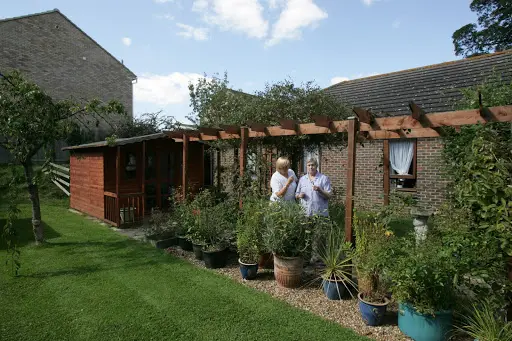
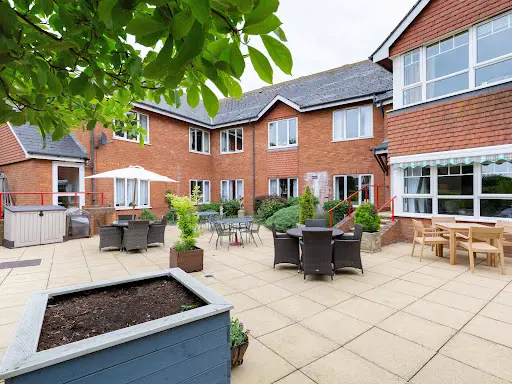
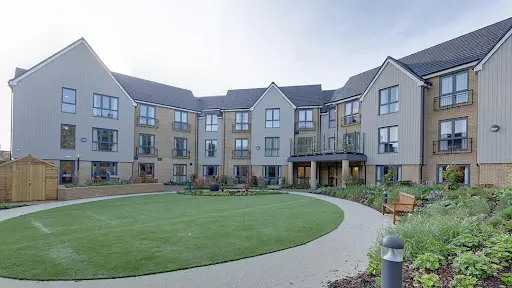
Maplewood Court provides specialist care for people living with dementia, as well as supporting younger adults under 65, people with physical disabilities, and people with sensory impairments. The home appears particularly set up for dementia care, with secure outdoor spaces and a building layout designed to help people navigate safely. Families who have experienced dementia care elsewhere mention feeling reassured by both the physical environment and how staff interact with people who may be confused or anxious. All areas worth probing directly during a visit.
The DCC Verdict
Our editorial view, built from the three lenses: what families tell us, what inspectors record, and how the home sits against good dementia-care practice.
DCC Family Score
Maplewood Court scored Good across all five inspection domains, which places it in the positive but general evidence band. The inspection findings confirm good practice in broad terms, but lack the specific observations, direct quotes, and named examples that would push the score higher.
Homes in South East typically score 68–82.The three-lens summary
What families tell us
What strikes families most is seeing their relatives looking well-presented and comfortable. The staff here seem to have that natural warmth you hope for — the kind that shows in how they interact with residents during daily activities or when families pop in unexpectedly. There's a structured programme of events, from cinema afternoons to seasonal celebrations, helping days feel purposeful rather than just passing by.
What inspectors have recorded
Families with experience of other care settings often comment on feeling confident about safety here. Staff seem attentive to individual needs, and there's a sense that residents are genuinely cared about rather than just cared for. One family did raise concerns about finding their relative unwashed and still in bed during an afternoon visit, which reminds us that even good homes need consistent daily standards.
How it sits against good practice
Every family's experience will be unique, but the consistent themes here around comfort, safety and genuine care suggest Maplewood Court understands what matters most when someone can no longer manage at home.
Worth a visit
Maplewood Court Care Home on Northumberland Road in Maidstone was assessed in June 2024 and rated Good across all five inspection domains: Safe, Effective, Caring, Responsive, and Well-led. The home is registered for 72 beds and holds specialist registrations for dementia, physical disabilities, and sensory impairment, as well as for adults under 65. A clear management structure is in place, with a named registered manager and nominated individual confirmed at the time of inspection. The main limitation of this report is that the published inspection text contains very little specific observational detail, no direct quotes from people living at the home or their families, and no named examples of good practice. A Good rating is meaningful, but it tells you the home met the standard rather than showing you how it felt to live there. When you visit, ask to see last week's actual staffing rota (not the template) to check how many permanent staff covered the dementia unit overnight, and ask how many of the current staff have completed dementia-specific training. These two questions will tell you far more than the rating alone.
The three questions to ask when you visitSave this home. Compare it against your shortlist.
Let our analysis show you how Maplewood Court measures up against the other homes you’re considering. Free account.
In Their Own Words
How Maplewood Court describes itself — collected from its own website. DCC has not edited or independently verified the content in this tab.
Where thoughtful design meets genuine warmth in dementia care
Maplewood Court Care Home – Expert Care in Maidstone
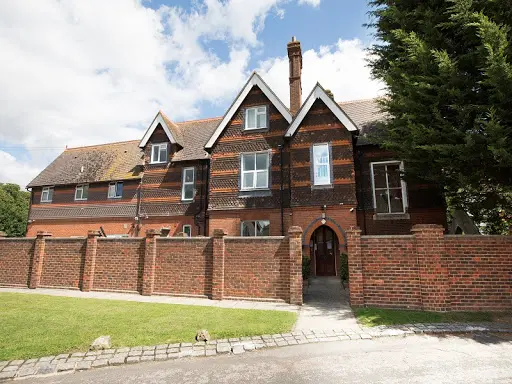
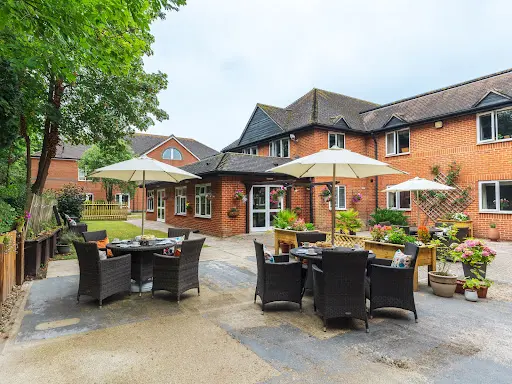
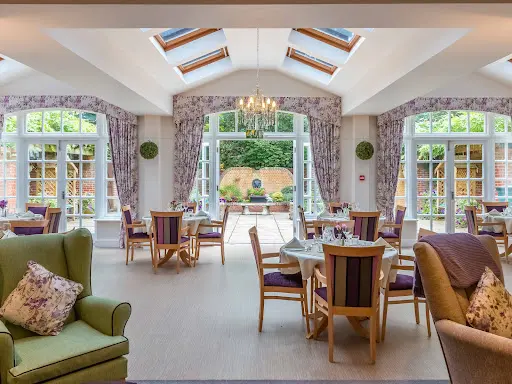
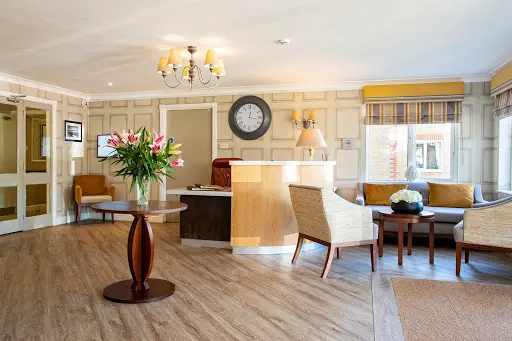
Finding the right dementia care involves so many worries — will they be safe, engaged, truly looked after? Maplewood Court Care Home in Maidstone seems to understand these concerns deeply. Families visiting here often mention how content their loved ones appear, settled into bright, comfortable rooms with proper en-suite facilities. The building itself feels purposefully designed for those living with dementia, with secure gardens and plenty of spaces for different activities throughout the day.
Who they care for
Maplewood Court provides specialist care for people living with dementia, as well as supporting younger adults under 65, people with physical disabilities, and people with sensory impairments.
The home appears particularly set up for dementia care, with secure outdoor spaces and a building layout designed to help people navigate safely. Families who have experienced dementia care elsewhere mention feeling reassured by both the physical environment and how staff interact with people who may be confused or anxious.
“Every family's experience will be unique, but the consistent themes here around comfort, safety and genuine care suggest Maplewood Court understands what matters most when someone can no longer manage at home.”
DCC does not edit or curate content in this tab. For independently curated information, see The Evidence and DCC Verdict.
The DCC Verdict
Our editorial view, built from the three lenses: what families tell us, what inspectors record, and how the home sits against good dementia-care practice.
DCC Family Score
Maplewood Court scored Good across all five inspection domains, which places it in the positive but general evidence band. The inspection findings confirm good practice in broad terms, but lack the specific observations, direct quotes, and named examples that would push the score higher.
Homes in South East typically score 68–82.The three-lens summary
What families tell us
What strikes families most is seeing their relatives looking well-presented and comfortable. The staff here seem to have that natural warmth you hope for — the kind that shows in how they interact with residents during daily activities or when families pop in unexpectedly. There's a structured programme of events, from cinema afternoons to seasonal celebrations, helping days feel purposeful rather than just passing by.
What inspectors have recorded
Families with experience of other care settings often comment on feeling confident about safety here. Staff seem attentive to individual needs, and there's a sense that residents are genuinely cared about rather than just cared for. One family did raise concerns about finding their relative unwashed and still in bed during an afternoon visit, which reminds us that even good homes need consistent daily standards.
How it sits against good practice
Every family's experience will be unique, but the consistent themes here around comfort, safety and genuine care suggest Maplewood Court understands what matters most when someone can no longer manage at home.
Worth a visit
Maplewood Court Care Home on Northumberland Road in Maidstone was assessed in June 2024 and rated Good across all five inspection domains: Safe, Effective, Caring, Responsive, and Well-led. The home is registered for 72 beds and holds specialist registrations for dementia, physical disabilities, and sensory impairment, as well as for adults under 65. A clear management structure is in place, with a named registered manager and nominated individual confirmed at the time of inspection. The main limitation of this report is that the published inspection text contains very little specific observational detail, no direct quotes from people living at the home or their families, and no named examples of good practice. A Good rating is meaningful, but it tells you the home met the standard rather than showing you how it felt to live there. When you visit, ask to see last week's actual staffing rota (not the template) to check how many permanent staff covered the dementia unit overnight, and ask how many of the current staff have completed dementia-specific training. These two questions will tell you far more than the rating alone.
The three questions to ask when you visitSave this home. Compare it against your shortlist.
Let our analysis show you how Maplewood Court measures up against the other homes you’re considering. Free account.
In Their Own Words
How Maplewood Court describes itself — collected from its own website. DCC has not edited or independently verified the content in this tab.
Where thoughtful design meets genuine warmth in dementia care
Maplewood Court Care Home – Expert Care in Maidstone
Finding the right dementia care involves so many worries — will they be safe, engaged, truly looked after? Maplewood Court Care Home in Maidstone seems to understand these concerns deeply. Families visiting here often mention how content their loved ones appear, settled into bright, comfortable rooms with proper en-suite facilities. The building itself feels purposefully designed for those living with dementia, with secure gardens and plenty of spaces for different activities throughout the day.
Who they care for
Maplewood Court provides specialist care for people living with dementia, as well as supporting younger adults under 65, people with physical disabilities, and people with sensory impairments.
The home appears particularly set up for dementia care, with secure outdoor spaces and a building layout designed to help people navigate safely. Families who have experienced dementia care elsewhere mention feeling reassured by both the physical environment and how staff interact with people who may be confused or anxious.
Management & ethos
Families with experience of other care settings often comment on feeling confident about safety here. Staff seem attentive to individual needs, and there's a sense that residents are genuinely cared about rather than just cared for. One family did raise concerns about finding their relative unwashed and still in bed during an afternoon visit, which reminds us that even good homes need consistent daily standards.
The home & environment
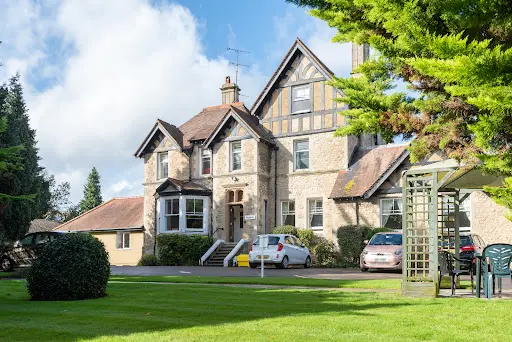
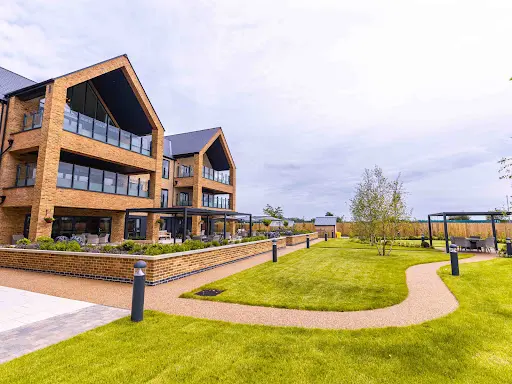
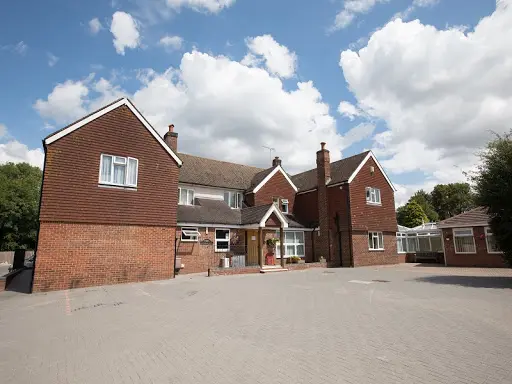
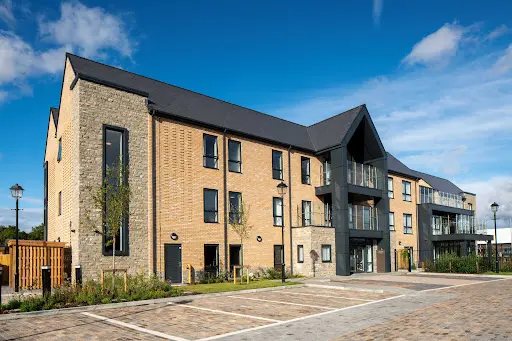
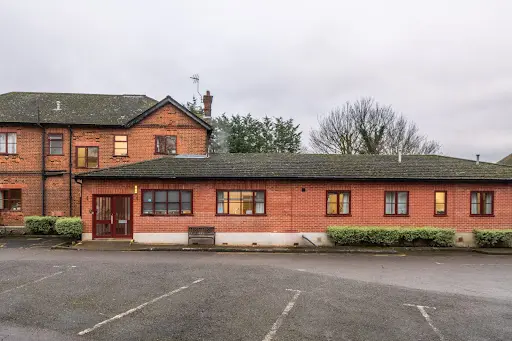
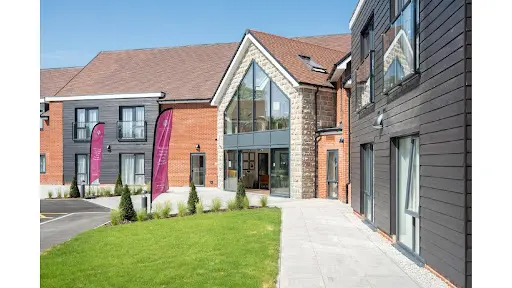
The physical environment gets particular praise from visitors. Those en-suite bedrooms make such a difference to dignity and comfort, while the various communal spaces — dining rooms, cinema area, activity rooms — give residents choice in how they spend their time. The gardens provide secure outdoor space, something families of those with dementia especially value. Little touches matter too, like including hairdressing and nail care in the fees rather than as extras.
“Every family's experience will be unique, but the consistent themes here around comfort, safety and genuine care suggest Maplewood Court understands what matters most when someone can no longer manage at home.”
DCC does not edit or curate content in this tab. For independently curated information, see The Evidence and DCC Verdict.