Barchester – Ashminster House Care Home
At a Glance
The information you need to decide whether this home warrants a closer look.
Nursing homes
Staff warmth score
of reviewers answered yes
Good to know
- Registered beds60
- SpecialismsCaring for adults over 65 yrs, Dementia
- Last inspected2022-09-27
Save Barchester – Ashminster House Care Home to your shortlist
Keep a running list, add visit notes, and compare homes side-by-side. Free account — it takes a minute.
STAGE 4 — RESEARCHING CARE HOMES
Visit homes. Compare them side by side. Choose with confidence.
Most of us will view care homes the way we view houses, impression, atmosphere, the feeling in the corridor. We go home, try to remember what we saw, and make a permanent decision from a blurred memory.

The DCC shortlist gives every home you visit a structured record: the same twelve questions, answered the same way, every time. When you’re ready to choose, pull any two homes side by side and compare them directly. Same criteria, same evidence, your notes and your scores.
The Evidence
What the review data, the inspection reports, and the dementia-care evidence base tell us about this home.
What families say
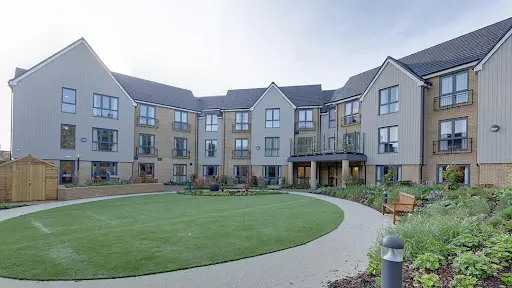
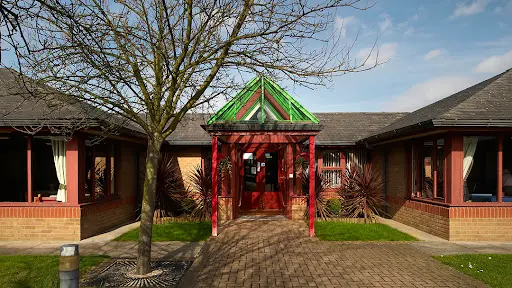
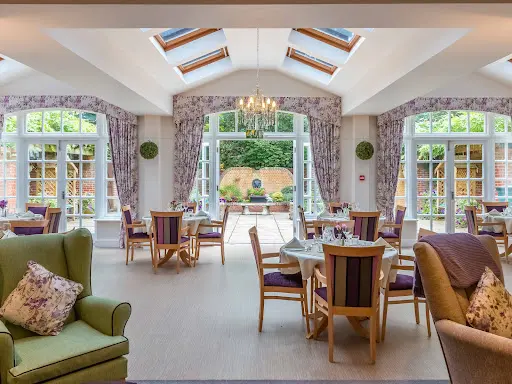
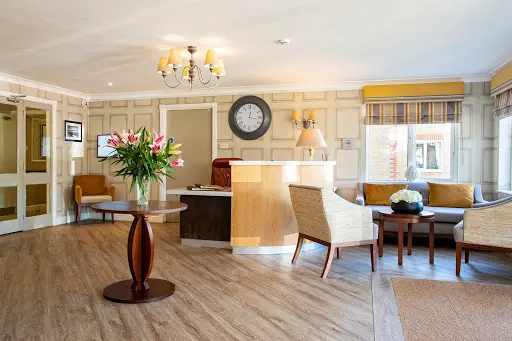
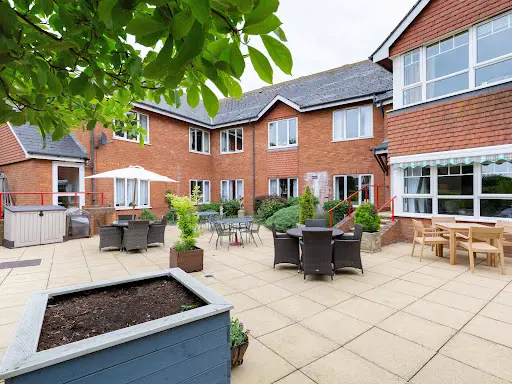
Families talk about walking into somewhere that feels bright and welcoming rather than clinical. The atmosphere strikes visitors as warm and engaged, with residents clearly comfortable in their surroundings. People mention how their loved ones seem genuinely content here, participating in activities they enjoy and building real connections with carers.
The eight family priority themes
- Staff warmth72
- Compassion & dignity72
- Cleanliness70
- Activities & engagement65
- Food quality65
- Healthcare70
- Management & leadership75
- Resident happiness70
What inspectors found
Inspected 2022-09-27
Is this home safe?
Is the care effective?
The inspection rated this domain Good, an improvement from the previous Requires Improvement. The home holds a dementia specialism registration, which means it is expected to demonstrate dementia-specific training and care planning. The published text does not record specific detail about the content of care plans, how frequently they are reviewed, how GP and specialist access works, or how the home manages nutrition and hydration for residents with dementia.Is this home caring?
The inspection rated this domain Good. No specific observations about staff interactions, use of preferred names, responses to distress, or the pace of care are recorded in the published inspection text. The rating alone confirms inspectors were satisfied, but the detail that would let you picture daily life is not available in the published findings.Is the home responsive?
The inspection rated this domain Good, an improvement from the previous Requires Improvement. The home is registered as a dementia specialist, which implies it should offer activities and engagement appropriate to people with varying levels of cognitive ability. The published text does not record any detail about the activity programme, individual engagement for residents with advanced dementia, or how the home responds to complaints and feedback.Is the home well-led?
The inspection rated this domain Good, an improvement from the previous Requires Improvement. A nominated individual is named in the registration record, indicating formal accountability is in place. The published text does not record how long the current manager has been in post, how visible they are to residents and staff, or how the home's culture has changed since the earlier Requires Improvement rating.
Source: CQC inspection report →
What the evidence base says
The home provides residential care for people over 65, with particular experience supporting those living with dementia. For residents with dementia, the team focuses on maintaining dignity and connection. Staff show real skill in helping people stay engaged with activities and social life, adapting their approach to each person's changing needs. All areas worth probing directly during a visit.
The DCC Verdict
Our editorial view, built from the three lenses: what families tell us, what inspectors record, and how the home sits against good dementia-care practice.
DCC Family Score
Ashminster House has improved from Requires Improvement to Good across all five inspection domains, which is a meaningful step forward. However, the published inspection text contains limited specific detail on day-to-day life, so scores reflect the confirmed improvement trend rather than strong observational evidence.
Homes in South East typically score 68–82.The three-lens summary
What families tell us
Families talk about walking into somewhere that feels bright and welcoming rather than clinical. The atmosphere strikes visitors as warm and engaged, with residents clearly comfortable in their surroundings. People mention how their loved ones seem genuinely content here, participating in activities they enjoy and building real connections with carers.
What inspectors have recorded
Staff here seem to understand that caring for someone means including their family too. They're approachable when you need them, happy to explain what's happening with your loved one's care, and willing to adjust things when something's not quite right. Several families mention how management stayed closely involved when their relative first arrived, helping them settle when other homes hadn't worked out.
How it sits against good practice
Sometimes the best recommendation is simply that families keep choosing this home, even when they've tried others first.
Worth a visit
Ashminster House in Ashford was rated Good at its inspection on 31 August 2022, with Good ratings in all five domains: Safe, Effective, Caring, Responsive, and Well-led. This is a notable improvement from its previous Requires Improvement rating, and a desk-based review in July 2023 found no evidence to reduce that rating, suggesting the improvement has held. The home is run by Barchester Healthcare Homes Limited and is registered as a specialist nursing and dementia service for adults over 65, with 60 beds. The honest limitation here is that the published inspection text is unusually brief and contains almost no specific observations, resident or family quotes, or detail about day-to-day life. A Good rating from Requires Improvement is genuinely encouraging, but Sarah, you will need to fill in the gaps yourself on a visit. Ask to see last week's actual staffing rota, check how many permanent nurses are on overnight, and spend time in a communal area watching how staff interact with residents who cannot easily communicate. The rating tells you the home has turned a corner; a visit will tell you whether the warmth is real.
The three questions to ask when you visitSave this home. Compare it against your shortlist.
Let our analysis show you how Barchester – Ashminster House Care Home measures up against the other homes you’re considering. Free account.
In Their Own Words
How Barchester – Ashminster House Care Home describes itself — collected from its own website. DCC has not edited or independently verified the content in this tab.
Where residents rediscover comfort and families find genuine partnership
Compassionate Care in Ashford at Ashminster House
When someone you love needs more care than you can provide, finding the right place feels overwhelming. Ashminster House in Ashford offers something families consistently describe as different — a place where residents who've struggled elsewhere often find their feet again, and where relatives feel genuinely included rather than shut out.
Who they care for
The home provides residential care for people over 65, with particular experience supporting those living with dementia.
For residents with dementia, the team focuses on maintaining dignity and connection. Staff show real skill in helping people stay engaged with activities and social life, adapting their approach to each person's changing needs.
“Sometimes the best recommendation is simply that families keep choosing this home, even when they've tried others first.”
DCC does not edit or curate content in this tab. For independently curated information, see The Evidence and DCC Verdict.
The DCC Verdict
Our editorial view, built from the three lenses: what families tell us, what inspectors record, and how the home sits against good dementia-care practice.
DCC Family Score
Ashminster House has improved from Requires Improvement to Good across all five inspection domains, which is a meaningful step forward. However, the published inspection text contains limited specific detail on day-to-day life, so scores reflect the confirmed improvement trend rather than strong observational evidence.
Homes in South East typically score 68–82.The three-lens summary
What families tell us
Families talk about walking into somewhere that feels bright and welcoming rather than clinical. The atmosphere strikes visitors as warm and engaged, with residents clearly comfortable in their surroundings. People mention how their loved ones seem genuinely content here, participating in activities they enjoy and building real connections with carers.
What inspectors have recorded
Staff here seem to understand that caring for someone means including their family too. They're approachable when you need them, happy to explain what's happening with your loved one's care, and willing to adjust things when something's not quite right. Several families mention how management stayed closely involved when their relative first arrived, helping them settle when other homes hadn't worked out.
How it sits against good practice
Sometimes the best recommendation is simply that families keep choosing this home, even when they've tried others first.
Worth a visit
Ashminster House in Ashford was rated Good at its inspection on 31 August 2022, with Good ratings in all five domains: Safe, Effective, Caring, Responsive, and Well-led. This is a notable improvement from its previous Requires Improvement rating, and a desk-based review in July 2023 found no evidence to reduce that rating, suggesting the improvement has held. The home is run by Barchester Healthcare Homes Limited and is registered as a specialist nursing and dementia service for adults over 65, with 60 beds. The honest limitation here is that the published inspection text is unusually brief and contains almost no specific observations, resident or family quotes, or detail about day-to-day life. A Good rating from Requires Improvement is genuinely encouraging, but Sarah, you will need to fill in the gaps yourself on a visit. Ask to see last week's actual staffing rota, check how many permanent nurses are on overnight, and spend time in a communal area watching how staff interact with residents who cannot easily communicate. The rating tells you the home has turned a corner; a visit will tell you whether the warmth is real.
The three questions to ask when you visitSave this home. Compare it against your shortlist.
Let our analysis show you how Barchester – Ashminster House Care Home measures up against the other homes you’re considering. Free account.
In Their Own Words
How Barchester – Ashminster House Care Home describes itself — collected from its own website. DCC has not edited or independently verified the content in this tab.
Where residents rediscover comfort and families find genuine partnership
Compassionate Care in Ashford at Ashminster House
When someone you love needs more care than you can provide, finding the right place feels overwhelming. Ashminster House in Ashford offers something families consistently describe as different — a place where residents who've struggled elsewhere often find their feet again, and where relatives feel genuinely included rather than shut out.
Who they care for
The home provides residential care for people over 65, with particular experience supporting those living with dementia.
For residents with dementia, the team focuses on maintaining dignity and connection. Staff show real skill in helping people stay engaged with activities and social life, adapting their approach to each person's changing needs.
Management & ethos
Staff here seem to understand that caring for someone means including their family too. They're approachable when you need them, happy to explain what's happening with your loved one's care, and willing to adjust things when something's not quite right. Several families mention how management stayed closely involved when their relative first arrived, helping them settle when other homes hadn't worked out.
The home & environment
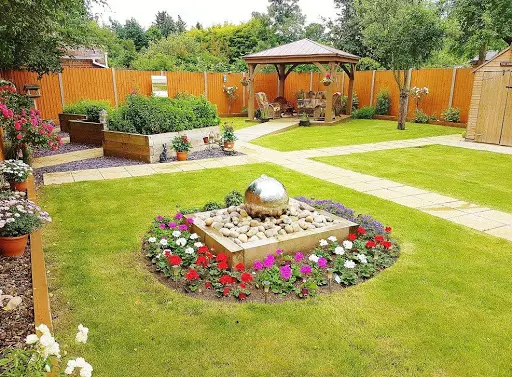
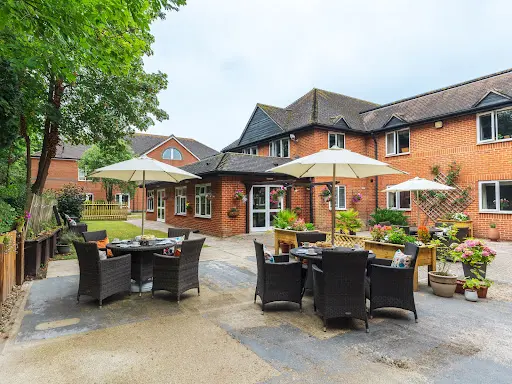
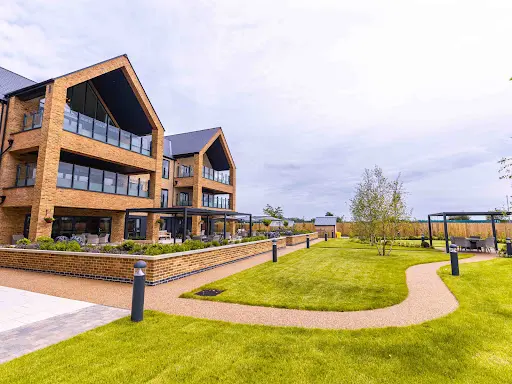
The home keeps everything spotlessly clean without that institutional smell that makes some places feel like hospitals. Meals get particular praise — proper food that residents actually want to eat, prepared with real care. The activity programme offers genuine variety, with staff who work hard to find something for everyone, whatever their abilities.
“Sometimes the best recommendation is simply that families keep choosing this home, even when they've tried others first.”
DCC does not edit or curate content in this tab. For independently curated information, see The Evidence and DCC Verdict.